Peak time/season
June - mid September
Best known for
Gorilla & Chimpanzee Tracking
Best time to Visit
All Year Round
Best time to Visit
All Year Round
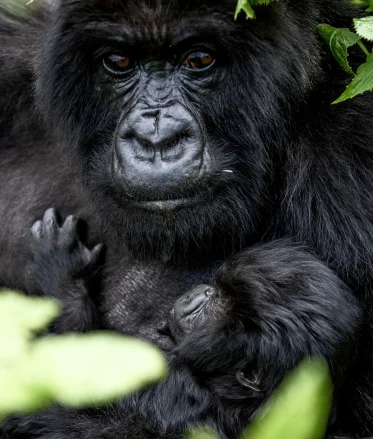
If you’ve ever thought about watching wild gorillas roam their native habitat, or seeing chimpanzees swing their way across the rainforest, then a safari in Uganda is sure to deliver. Home to over half the world’s remaining wild mountain gorillas, Uganda is considered one of the premier primate trekking destinations worldwide.
But that’s not all. This landlocked East African country also offers classic big game viewing in settings like Murchison Falls National Park and Queen Elizabeth National Park. And Kibale Forest National Park is an outstanding destination for trekking primates, including chimpanzees, black and white colobus, and mangabeys. Visit our guide to Uganda’s national parks to learn more.
For birders, Uganda is second to none — with over 1,000 recorded species, including the rare Shoebill stork, black bee-eater, great blue turaco, and the Uganda woodland warbler.
A lush, hilly country with abundant wildlife offerings, Uganda offers a more off-the-beaten-path experience, and it continues to grow in popularity. From its diverse national parks to its warm, colorful culture, the country truly embodies what Ugandans so often say: “You are most welcome here.”
Travel in Uganda is possible throughout the year, but the dry months are considered the best time to travel to the country. These months are also best for gorilla trekking. Although Uganda’s climate can be generally described as tropical, it still differs in different parts of the country, and the temperatures in the higher regions of Mount Elgon and the Rwenzori Range can drop well below freezing.
Travel Advice
There is a time and a place to monkey around – and that’s during your private vacation in Uganda! Experience an awesome encounter with chimpanzees and endangered mountain gorillas. Discover the ever-changing views of the iconic African savannah, stunning waterfalls, snow-capped mountains, picturesque villages, carpet-like tea country, breathtaking volcanoes and countless lakes.
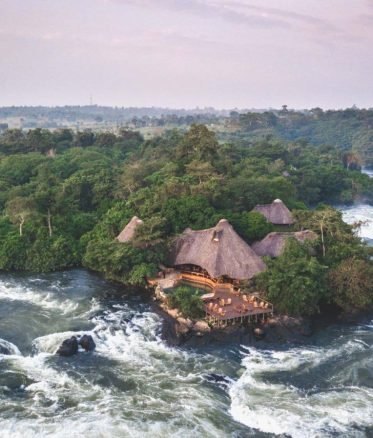
Most visitors come for gorilla trekking in Uganda but you can also enjoy a leisurely cruise and explore the remote villages along the shores of Lake Victoria, Africa’s largest lake. Taste the thrill of Africa’s most challenging white water rafting on the Nile River, and watch hippos, crocodiles and buffaloes on a relaxing boat safari in Queen Elizabeth. Walk along the thundering Murchison Falls and explore the pristine wilderness of Mt Elgon. Swim across the border to Rwanda in the crater lake atop the Mgahinga Volcanos or climb above the snowline in the mighty Rwenzoris. Let your vacation in Uganda be as adventurous as you!
To ensure that you make the most of your vacation and experience the culture of Uganda, get your lowdown on the top tips, Uganda weather by month and other essential details in this Uganda travel guide.
A visa is required for most visitors. Single entry visas cost 50 USD per person while a multiple entry visa costs 100 USD per person.
Visas are also obtainable from Ugandan Diplomatic and Consular Missions abroad prior to your arrival.Alternatively, visitors wishing to obtain a visa before arrival can do so through the online portal https://visas.immigration.go.ug.
It is advisable to carry all visa fees in USD cash (printed in 2013 or later). Additionally, depending on the traffic and number of guests arriving at any given moment, the immigration process can take 1 hour or more.
The official currency of Uganda is the Ugandan shilling (UGX). It is issued in denominations of
- 1000, 5000, 10000, 20000 and 50000 shillings for notes
- 100, 200, 500 & 1000 shillings for coins
Both US dollars (USD) and Ugandan shillings are commonly accepted at larger hotels and lodges. Tips in the tourism circuit are accepted in US dollars and Ugandan shillings, though shillings are preferred when possible.
Please note that USD notes older than 2009 will not be accepted, and notes will not be accepted if they are torn, stamped, or marred.
Currency can be exchanged at the Entebbe airport or at foreign exchange centers (Forex) throughout Kampala and Entebbe. Large notes (like EUR, USD 50 and 100) get better exchange rates than the smaller denominations.
ATMs are available in and around Kampala and dispense Ugandan shillings. While the occasional ATM is available upcountry, they are not reliably present and it is not advisable to depend on ATMs while on safari—especially while traveling in the bush. It is also advisable to alert your bank and credit card companies beforehand that you will be travelling to Africa to avoid denial of a transaction.
It is possible to pay by credit or debit card (Visa or MasterCard) in most hotels and lodges (usually with a 3% to 10% additional surcharge). However, it is recommended to carry extra cash in case a card is not accepted or the network is down.
Gorilla and chimpanzee trekking in Uganda are one-of-a-kind adventures. If your itinerary includes gorilla or chimpanzee trekking, you may wish to keep the following in mind:
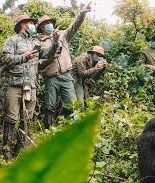
- Just prior to your chimpanzee or gorilla trek, you will have a briefing with the park rangers about guidelines during the trek. We ask that all guests follow the guidelines set by the rangers to ensure a positive experience for all and the continued well-being of the animals being tracked.
- While trekking, we typically recommend wearing light to mid-weight long pants/trousers, a t- shirt, hat if desired, and a lightweight long-sleeved shirt or rain jacket for layering. Comfortable hiking boots and socks are also strongly recommended. A walking stick is optional; locally made wooden walking sticks are often available to borrow at the trailhead as well—just be sure to ask before leaving the pre-trek briefing. It’s recommended to apply insect repellant prior to your trek.
- It’s recommended to bring a light backpack or daypack to hold your camera, water bottle, and your picnic lunch from the lodge. (Depending on the length of your gorilla trek, you might enjoy lunch mid-trek in the forest, or have the opportunity to have lunch upon your return.)
- When gorilla trekking, porters are available for hire before you begin your trek. The cost is typically USD $15-20, paid directly to the porter after the trek. If you would like to hire a porter, you can let your guide know and they can assist with this. Porters can carry your daypack for you and also lend a hand on the steeper parts of the hike; hiring a porter also supports the local economy and encourages local involvement in conservation of the gorillas.
- Enjoy your trek! While an actual encounter is never guaranteed, gorilla and chimpanzee treks in Uganda have an excellent success rate and once they are found, you’ll have the opportunity to spend an unforgettable hour with these primates in their natural habitat.
There are around 49 languages spoken in Uganda, but English and Swahili are the official languages and Luganda is also commonly used. Uganda is a predominantly Christian country and has a significant Muslim minority (about 14%). Iganga District in the east of the country has the highest percentage of Muslims. About 1% of the population follows indigenous beliefs and a lot of Ugandans practice their traditional belief together with Islam or Christianity.
If you are traveling to Uganda, you will need a yellow fever vaccination certificate. Do make sure that you have all the routine vaccinations in place, e.g. chickenpox, polio, MMR, typhoid, Hepatitis A and yearly flu shot. Since most parts of Uganda are prone to malaria, it’s best to carry any-malaria medication and mosquito repellent. Pregnant women need to be especially careful while traveling in rural areas owing to the prevalence of the Zika virus. It is important to avoid drinking tap water in Uganda – make sure you only drink bottled or filtered water.