
Rwenzori Mountains National Park
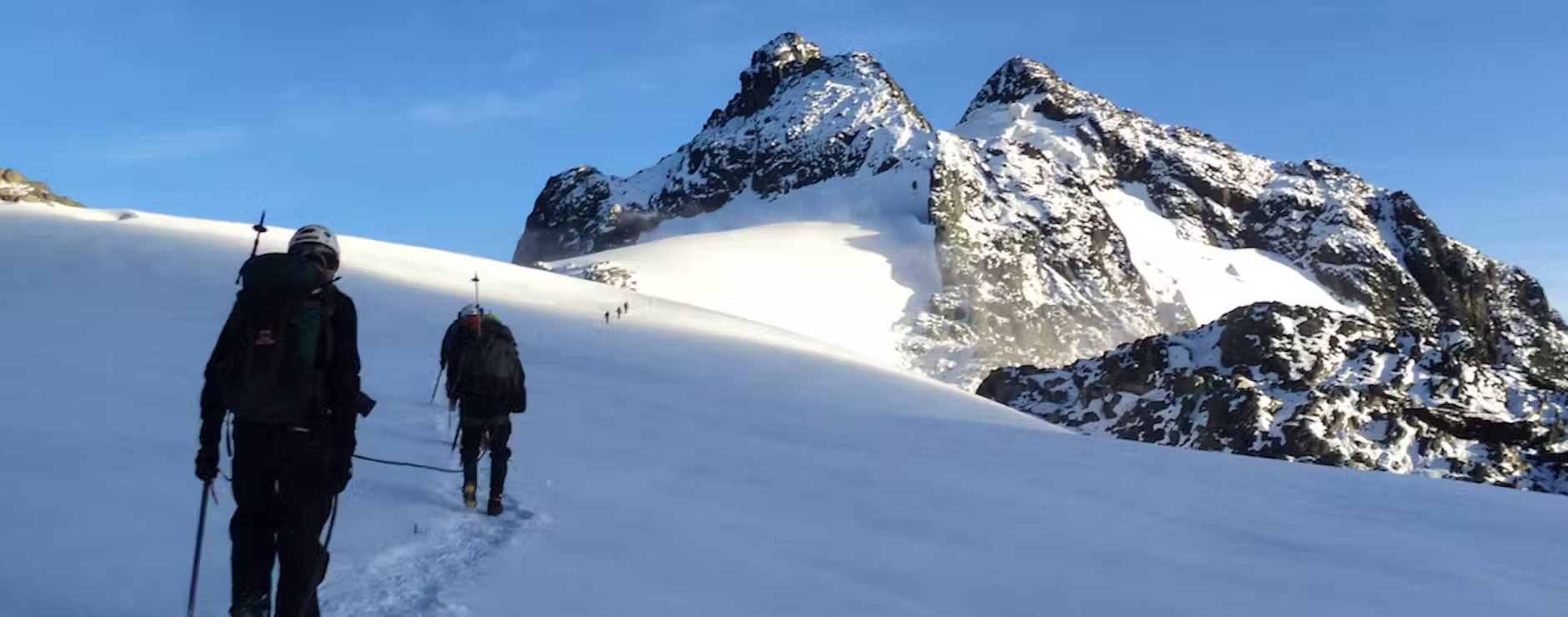
The Rwenzori Mountains are one of the most exciting and challenging mountain ranges to trek in the world, this mountain range is protected by Rwenzori Mountains National Park lies in the South western corner of Uganda long the border with Democratic Republic of Congo next to the Great Virunga National Park. The park covers an area of 386 square miles and its boundaries pass through the districts of Kabarole, Bundibugyo and Kasese.
Because of its natural beauty, rare plants, lakes, river, waterfalls, hot springs, glaciers and mountains, Rwenzori Mountains National Park was declared a UNESCO World Heritage site in 1994. The park covers an area of 996 square kilometres of vegetation, lakes, rocky outcrops, cliffs, high glaciers and snow-capped peaks creating a unique and mystical world waiting to be explored.
The height of the peaks may not match taller mountains elsewhere in the world, the highest point – Mount Stanley’s Margherita Peak is 5,109 meters, although this is still the 4th highest peak in Africa. The range receives less numbers of visitors do to its remote location, fluctuating weather conditions, startlingly diverse vegetation, remoteness, viewpoints which all make the adventurous trekking a very special experience.
Rwenzori Mountains
Named “Mountains of the Moon” by the Alexandrine geographer Ptolemy in AD 150, the Rwenzori Mountains range is the main attraction in Rwenzori Mountains National Park. The range consists of six distinct mountains, Stanley, Speke, Baker, Emin, Gessi and Savioa. Mt Stanley’s 5109m Margherita Peak is the third highest point in Africa.
The explorer Henry Stanley placed the Rwenzori on the modern map on the 24th May 188. He labelled it “Ruwenzori”, a local name that he recorded as meaning “rain maker” or “cloud-king”. The oldest person to reach the Margherita Peak was Ms Beryl Park, aged 78. Back in AD150, the geographer Ptolemy wrote of a snow-capped mountain range in Africa, which he claimed represented the source of the Nile and which he named Montes Lunae – the mountains of the moon.
Wildlife in Rwenzori Mountains National Park
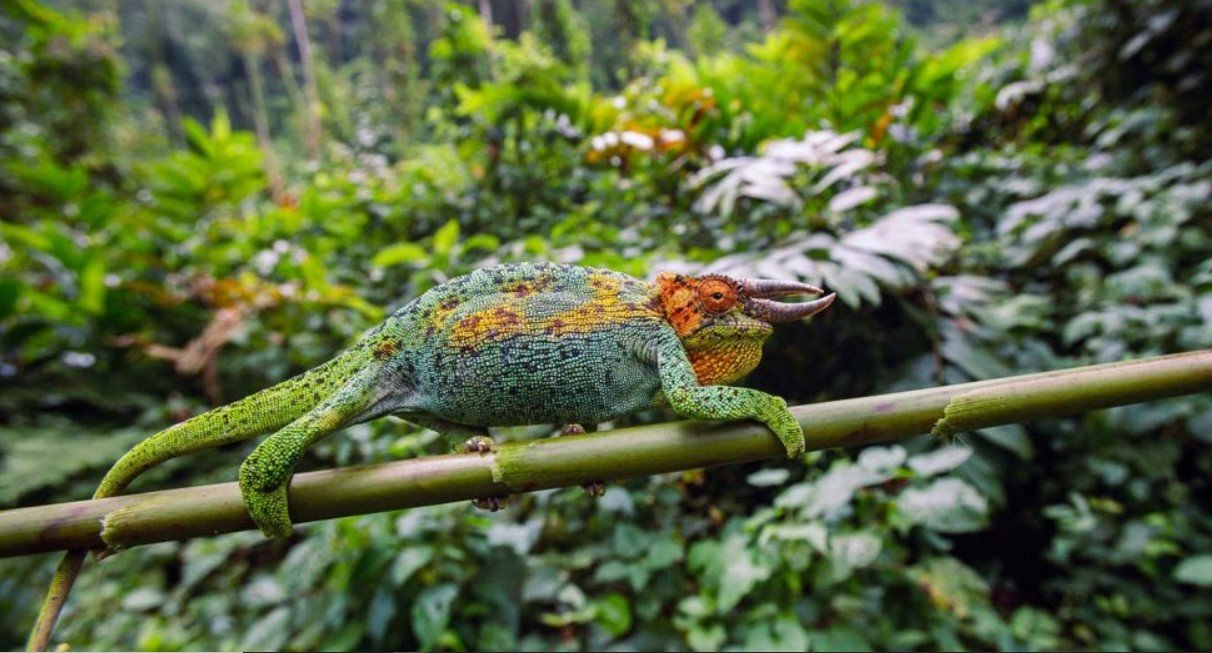
Rwenzori Mountains National Park is home 18 mammal species, 217 bird species, 9 species of reptiles and 6 species of amphibians. Large mammals in the park include elephant, buffalo, giant forest hog, bushbuck, chimpanzee and leopards and present in the forest zone, but they are rarely seen. Though elephant droppings and footprints are frequently found and chimpanzees heard while blue monkeys and the endemic Rwenzori colobus may be sighted.
Birdlife in Rwenzori Mountains National Park
Rwenzori is home to 217 recorded bird species, most of which live in the forest zone close to the park boundary. Species of interest include the Ruwezori turaco, Rwenzori batis, Rwenzori double collared sunbird, handsome francolin, strange weaver, Rwenzori nightjar, Archer's robin-chat and red-throated alethe among others.
Vegetation on Rwenzori Mountains
The Rwenzori Mountains is also known for its vegetation. Standing over 5000m high, this is the prime habitat for the botanical big game peculiar to East Africa’s highest mountains. The lowest o these zones, between the park boundary and the 2500m contour, is montane forest. This gives way to the bamboo (2,500-3,000m) followed by groves of Rapanea and giant heathers garlanded with lianas, epiphytes and lichens, and encased in garishly coloured mosses (3000- 4000m). Above 4000m, the mountainside opens out into moorland dotted with the emblematic – and in some cases endemic – species of giant lobelia and groundsel for which the Rwenzori is famous.
Local People
The Bakonzo people thrives on the slopes of the Rwenzori Mountains and the mountain is centre of their culture and cosmology. The peaks are the home of their principal god, Kitasamba, whose name may not be spoken on the mountain. Eighteen sacred Konzo sites on the mountain have been identified, mapped and protected as worship areas.
Activities to do in Rwenzori Mountains National Park
Climbing the Rwenzori Mountains
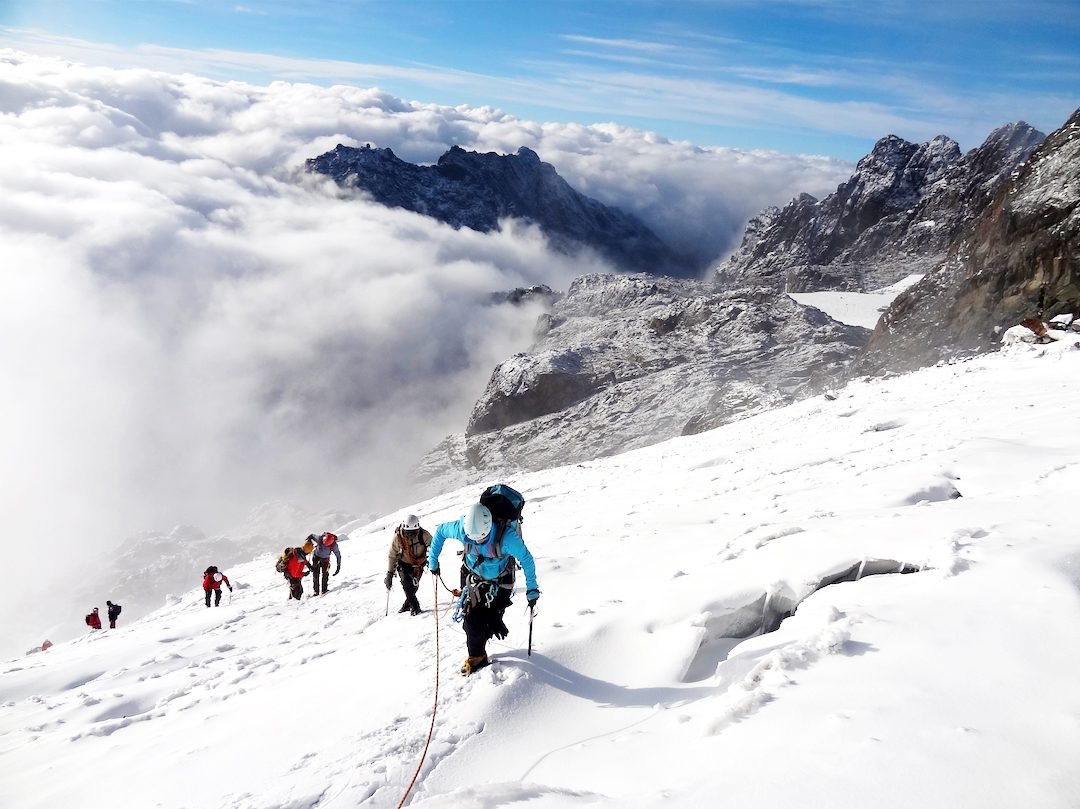
There are three routes to ascend onto the high Rwenzori that is the Kilembe Trail of nine-dy expedition to summit Mount Stanley, operated by Rwenzori Trekking Services, a six day option to the more accessible, but equally scenic, Mt. Luigi Da Savoia. The Nyakalengija based Rwenzori Mountaineering Services runs the Central Circuit which reaches and return from Mount Stanley in seven days.
The Bukurungu Trail ascends from Kitumba to Mount Gessi.
Peak Climbing - Climbing the highest peaks on the six mountains that form the high Rwenzori can all be climbed. The most popular is the 5.109m Margherita, the highest point on Mount Stanley and the roof of the Rwenzori.
Be aware that summiting on Stanley, Speke and Baker is a physically demanding activity frequently in bad weather, and for which specialist equipment and technical experience is required. An ascent of Mount Stanley requires a minimum of Seven Days on the mountain.
Hiking
The real appeal of the Rwenzori lies arguably, not in the joy of reaching the top, but in the opportunity to hike through superb mountain scenery enlivened by equatorial snow and outlandish vegetation. With this in mind, shorter hikes to lesser peaks are becoming increasingly popular.
A popular trail is on the Kilembe Trail, a 4627m. Mt. Luigi da Savoia which offers afroalpine vegetation, patches of equatorial snow and, weather permiting, grandstand views towards Mount Stanley, the summit of which lies three days distant.
Nyakalengija Traihead offers a two day hike to the scenic Lake Mahoma in the bamboo forest. The Kazingo Trail enables a day-long traverse of the north Rwenzori ridge between the Fort Portal Plateau and Bundibugyo town in the Semiliki Valley on the west side of the mountain.
Birding
Rwenzori Mountains National Park is ranked among the best birding destinations in the world, the park is home to over 217 bird species which are sighted during the birding experience. Some of the birds to lookout for include the African Long-eared Owl, Archers’ Robin-chat, Barbets, Barred Long-tailed Cuckoo, Blue-headed Sunbird, Cinnamon-chested Bee-eater, Collared Apalises, Crimson wings, Dusky and Shelley’s Crimsonwings, Dwarf Honeyguide, Evergreen Forest and Bamboo Warblers, Flycatchers, Golden-winged sunbirds, Scarlet-tufted Malachite Sunbirds, Golden-winged Sunbird and Grauer’s Cuckoo-shrike among others.
Cultural Encounters
Cultural encounters in Rwenzori Mountains National Park offers cultural experiences with one of the local tribes living at the foot of mountains. Tourists can visit the village of Ruboni to learn about the daily lifestyle, culture and history of the Bakonzo tribe. These people arrange cultural dance performances while sharing information about their history.
The Bulemba Ihandio Cultural Trail is an interesting cultural experience, the trail gives more exposure to the intriguing culture of the Bakonzo, visit a traditional healer and local blacksmiths. Learn how to make fire locally and weave baskets and also visit the Bakonzo traditional museum. The Museum has a collection of traditional items of cultural and historical importance to the Bakonzo including art pieces and locally made dresses.

Nature Walks
Nature Walks can be arranged near the boundaries of the park, these excursions normally follow the central circuit zone used for mountain climbing. The area around the starting point for mountain hiking is forested and with beautiful scenery and leads up to the Lake Mahooma and the chimpanzee forest of Buraro.
Getting There
One can get to Rwenzori Mountains National Park by road and air transport.
By Road – From Kampala, the road journey is approximately 6-8 hours via Fort Portal.
By Air – There are daily charter and domestic flights from Entebbe International Airport to Kasese Airstrip, the flight is just over an hour and connect to the park by road.
Accommodation in Rwenzori Mountains National Park
There are several accommodation establishments in Rwenzori Mountains National Park, the available options include
- Hotel Margherita
- Rwenzori International Hotel
- Katara Lodge
- Equator Snow Lodge
- Tropical Savannah Guest House
- Tours Holiday Inn
- Rubini Community Camp
- Mihunga Safari Lodge
- Rwenzori Turaco View Campsite
- Ihamba Lakeside Safari Lodge
Best time to visit Rwenzori Mountains National Park
It is possible to trek the Rwenzori Mountains all year round. At all times of the year you should be prepared for a combination of sun, rain, mud, fog, ice and snow. However, the period from late June to early September and late December to the end of February does tend to have lower rainfall, which means visitor numbers do peak during this time.
Always remember that the wetter months mean more rain lower down the slopes, but more snow at higher altitude, enhancing the already mystical experience of trekking in the Rwenzoris.


