
Is Uganda or Rwanda better for Gorilla Trekking?
For those on a limited time, usually gorilla trekking in Rwanda is recommended. However, the best choice for the more budget conscious travellers, and for those looking for a bigger variety of activities before or after a gorilla trek, Uganda is the better choice.
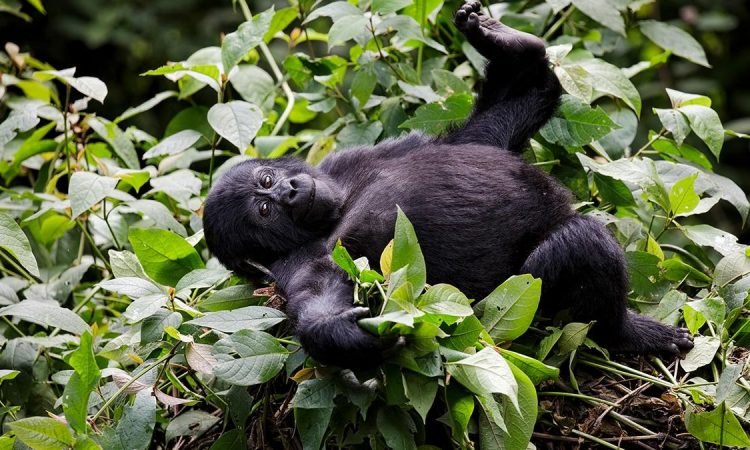
Gorilla trekking in Rwanda is generally more expensive, with the country focusing on high-end, low-impact tourism. Rwanda is a relatively small country that has made huge strides in tourism, it is an up-and-coming destination with big ambitions and a growing list of attractions.
Gorilla trekking in Uganda on the other hand is much cheaper (starting in cheap gorilla permits) and there is a wide range of budget and mid-range accommodation. However, the journey times in Uganda are longer and roads into Bwindi Impenetrable Forest are bumpier. Uganda is a more established destination with a wide variety of additional wildlife, cultural and adventure tourism activities. However, Rwanda’s tourism industry is swiftly developing. A combined Uganda and Rwanda trip is a popular option to experience these two incredible destinations.
In this blog, we list the pros and cons of Uganda and Rwanda for a gorilla trek. This will help you decide “Is Uganda or Rwanda better for gorilla trekking”
Is Uganda or Rwanda better for gorilla trekking
Gorilla Trekking Price
The gorilla trekking experience in Rwanda is more expensive than in Uganda. Gorilla trekking permits, accommodations and services are all costlier in Rwanda, which is part of a concerted government effort to nurture a more exclusive, higher-end tourism industry.
Currently gorilla trekking permit prices are US$ 800 per permit in Uganda and US$ 1,500 per permit in Rwanda.
Gorilla Permits
In Uganda, gorilla permits must be bought from the Uganda Wildlife Authority through a local registered tour operator.
When purchasing a gorilla permit in Uganda, you need specify the gorilla trekking sector and book your accommodation in the similar sector.
In Rwanda you can book a gorilla package including your gorilla permit with a tour operator or buy your permit directly from the Rwanda Development Board via their Irembo platform. There is no need to specify a gorilla family or accommodation.
Trekking Difficulty
In Uganda the terrain is often steep and muddy. Bwindi Impenetrable Forest is as dense as the name suggests. Trekking through the jungle can be tricky and may require your guide to hack a path with machetes. Gorilla families may be spread across larger areas, and treks may be an all-day undertaking. It is certainly more of an adventure but does require a degree of fitness.
Mgahinga Gorilla National Park has lighter, bamboo cover which is similar to Rwanda’s Volcanoes National Park, but tracking is steep in some places.
Rwanda’s Volcanoes National Park has generally easy terrain to climb, expect on the longer tracks which can lead you into dense forest at altitude. The forest is largely bamboo thus creating a less dense canopy. Overall Rwanda is generally easier – going gorilla trekking destination.
Accessibility
Uganda’s Bwindi Impenetrable National Park and Mgahinga Gorilla National Park are approximately 8-10 hour drive from Entebbe International Airport by road. There are fly-in options to local airstrips, these airstrips are within 30 minutes’ drive of Bwindi and Mgahinga.
Transport and access in Rwanda is much easier. It is a two hour drive from Kigali International Airport to Volcanoes National Par. Fly-in options are available to local airstrips, including helicopter transfers, but are infrequently requested thanks to the good roads and comparatively short distance.
A popular option is to fly into Rwanda and drive to Uganda. It takes three to five hours to drive from Kigali International Airport to gorilla trekking destinations in Uganda – Bwindi Impenetrable National Park and Mgahinga Gorilla National Park.
Accommodation
Bwindi Impenetrable National Park is the main gorilla trekking destination in Uganda, with four distinct trailheads into the forest’s interior. The location of your accommodation is therefore very important. It is recommended that you stay in a lodge near your specific starting point, so keep that in mind when you book your permit.
Note: Many roads are steep and rutted so what may appear as short distances can still involve long drives.
Trip Duration
Due to the remote locations in Uganda, you will need a minimum two – night stay in the gorilla tracking area. Stay longer if you can and enjoy Bwindi Impenetrable Forest’s waterfalls and diverse walks, meet the Batwa pyhmy tribe and treasure the beauty of the spectacular rainforest.
In Rwanda, a two-night stay is recommended, although the accessibility of Volcanoes National Park means one night (even a single day) trips are possible – but not recommended. There is a lot more to Rwanda than seeing the gorillas.
Gorilla Families
Rwanda
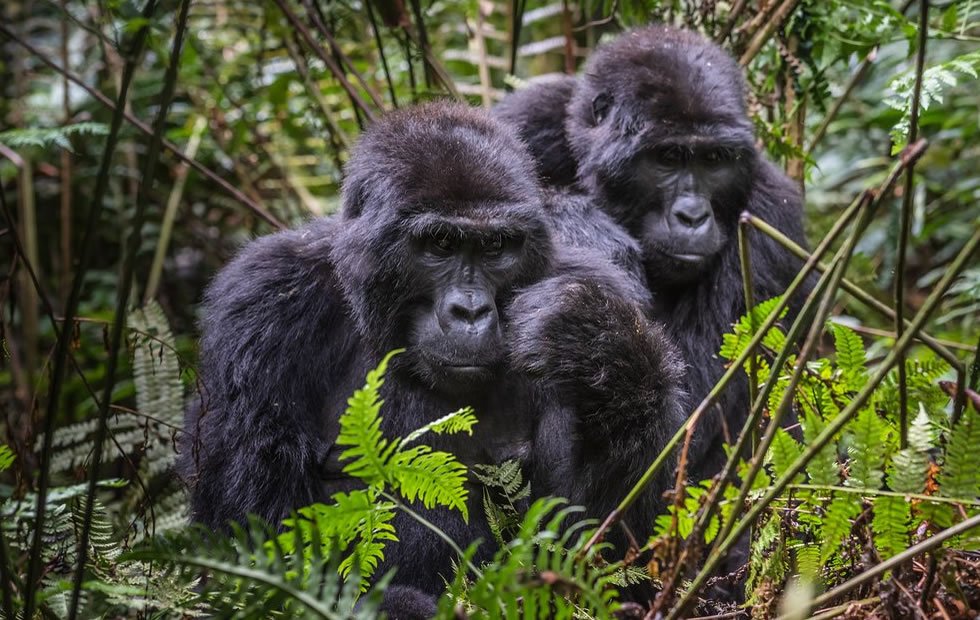
Rwanda has 12 habituated gorilla families that can be tracked by tourists, all living in Volcanoes National Park.
Kwitonda is the biggest mountain gorilla group in Rwanda, with 35 members. Previously, the Susa group was the largest, but they have split into three smaller groups. This is not the first time the Susa group has split, and they may regroup to form a larger family again. The Susa inhabit the lower base of Mount Karisimbi and are one of the more difficult groups to trek. If you are after an easier hike, look for the Bwenge family near Mount Visoke, which is relatively easy hike.
The Karisimbi, Amohoro and Karisimbi families are more challenging to track, while Sabyinyo is the nearest and easiest group to reach. The guides will advise you during your morning briefing and you will be assigned to track a gorilla family that matches your group’s fitness and ability.
Uganda
There are 23 habituated gorilla families in Uganda that are open for gorilla trekking, 22in Bwindi Impenetrable National Park and one in Mgahinga Gorilla National Park.
The The Binyindo, Habinyanja, Katwe, Kyaguliro, Mubare, Muyambi and Rushegura families can be tracked from Buhoma in the northern sector of Bwindi Impenetrable Forest. If you have seen videos of human encounters with gorillas in the grounds of a lodge, it is most likely in Buhoma Sector. This is Bwindi’s first and most developed trekking site with a wide range of accommodation and fantastic views of the rainforest. Trekking here is generally easier than it can be from the other three trailheads.
Also, Buhoma is a good base for visits to local communities.
The Bitukura, Mishaya, Mukiza and Oruzogo families lives around Ruhija, on the eastern edge of Bwindi Impenetrable National Park.
Bikingi, Busingye, Bweza, Kahungye, Kutu, Mishaya, Mucunguzi, Nshongi families of Rushaga, and the Bushaho, Christmas and Nkuringo families of Nkuringo are found in the south-west region of Bwindi Impenetrable National Park. Trekking the steep terrain of Nkuringo can be more challenging than at other sites and therefore may take longer. In addition to panoramic views of Bwindi Impenetrable Forest, Nkuringo Sector has views of the dramatic Virunga Volcanoes.
Mgahinga Gorilla National Park is home to more than 80 mountain gorillas but has just one habituated gorilla groups, the Nyakagezi Family.
Because Uganda’s gorilla families are scattered across various locations, it is very important that you book accommodation that is not too far away from the national park entrance, otherwise you may have to drive for an hour or more before your 07:00am registration and briefing.
This is one of the main advantages of using a good tour operator, they know all the lodges and all the gorilla families and can make the best possible match for your interests, budget and hiking ability.


