
Primates in Rwanda and Where to Find Them
Rwanda is a remarkable destination attracting thousands of travellers from all over the world thanks to its breathtaking landscapes, hospitable people and remarkable wildlife including some of the most iconic primate species on the planet – mountain gorillas and chimpanzees.
Rwanda offers one of the most enchanting experiences that give visitors the opportunity to observe primates in their natural habitat. From the iconic mountain gorillas to playful chimpanzees and the endangered and elusive golden monkeys.
Rwanda is a perfect destination to witness the incredible primates up close and in this article, we will guide through the list of primates found in Rwanda and where to find to them.
Mountain Gorillas (Gorilla gorilla beringei)
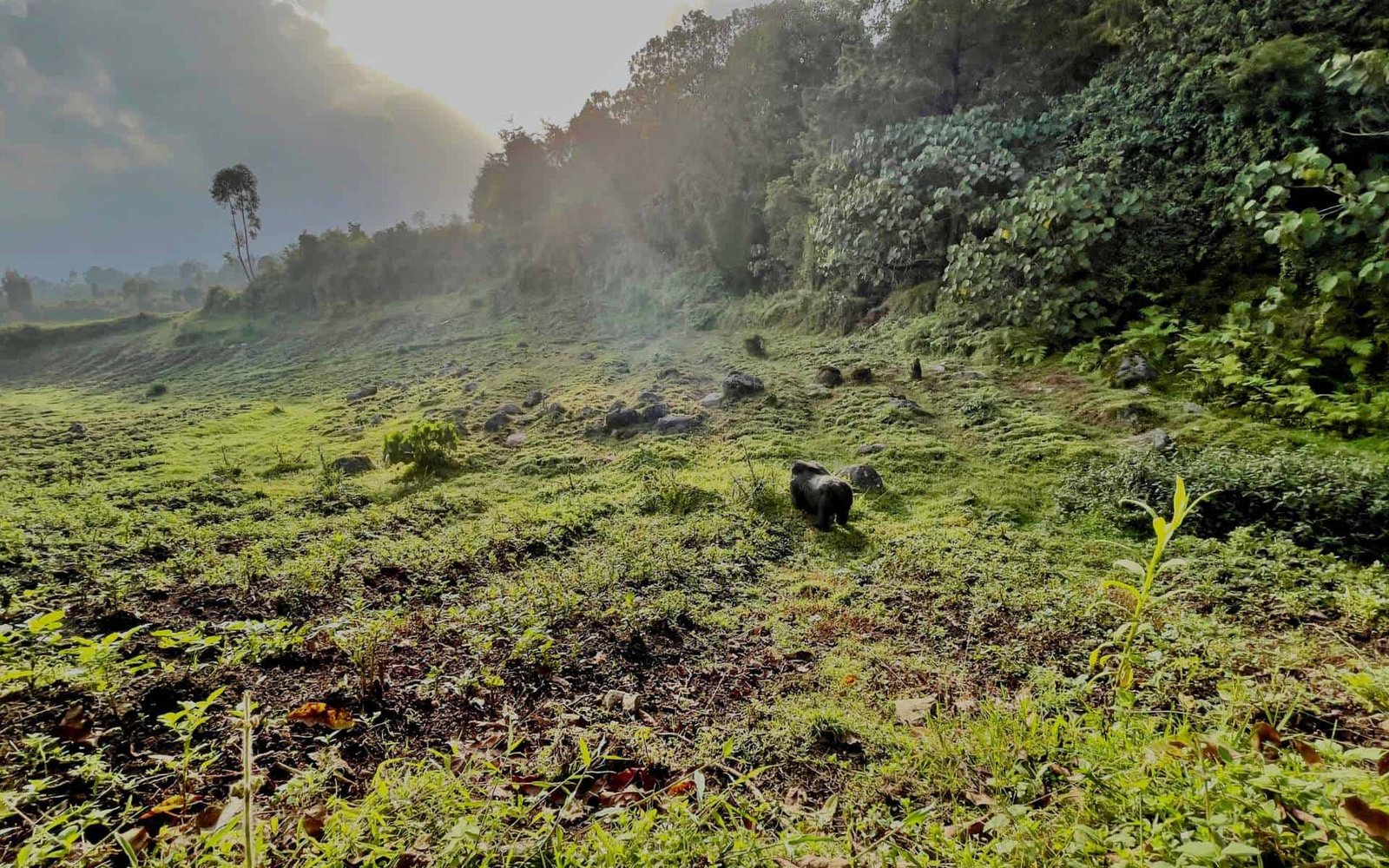
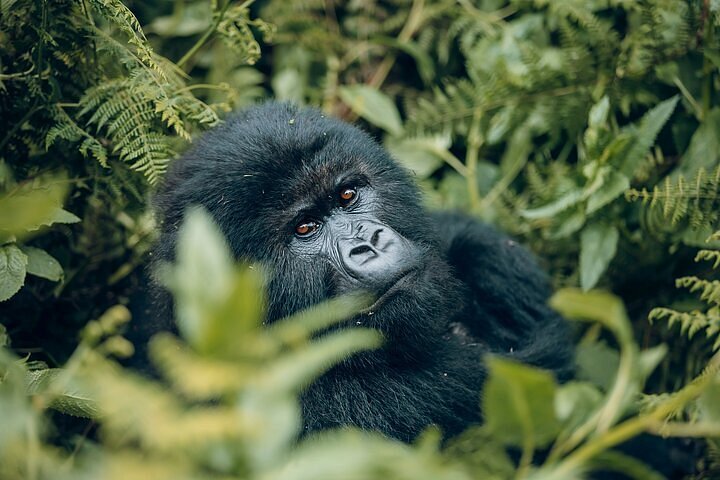
Meeting the endangered mountain gorillas in their natural habitat is one of the most extraordinary wildlife encounters on the planet and in Rwanda, it is possible in Volcanoes National Park. This lush, mist-covered habitat is home to over one-third of the world’s population of the endangered mountain gorillas and offers the most accessible gorilla trekking experience.
Mountain gorillas are the largest living primates, characterized by a robust muscular build, the gentle apes have a district black coat, broad chest, and an impressive sagittal crest on the forehead. Adult males, or silverbacks, possess a silver-colored back which they again after maturity thus the name.
To see mountain gorillas in Rwanda, you must obtain a gorilla trekking permit from the Rwanda Development Board. You can book your permit directly at the official website or through a licensed tour operator.
By purchasing a gorilla permit, you not only get to see the gorillas but also contribute to their conservation. The trek to find these gentle giants can be physically preparation and packing, the experience can be comfortable and enjoyable.
Always remember, the encounters are limited to one hour as a way of minimizing stress on the gorillas. But that one hour will stay etched in your memory forever.
Chimpanzees (Pan troglodytes schweinfurthii)
The pristine rainforest of Nyungwe National Park in southwestern Rwanda is home to a thriving population of chimpanzees, which is one of the most famous great apes in Africa. These highly intelligent and social primates are our closest relatives, sharing 98-99% of our DNA.
Nyungwe Forest National Park offers guided chimpanzee tracking experience, allowing visitors to observe their complex behaviors, from grooming to hunting and playful interactions. On this experience you are escorted by knowledgeable park rangers and guides who will lead you through dense forest trails, where you will listen to the distant sounds of the chimpanzee community.
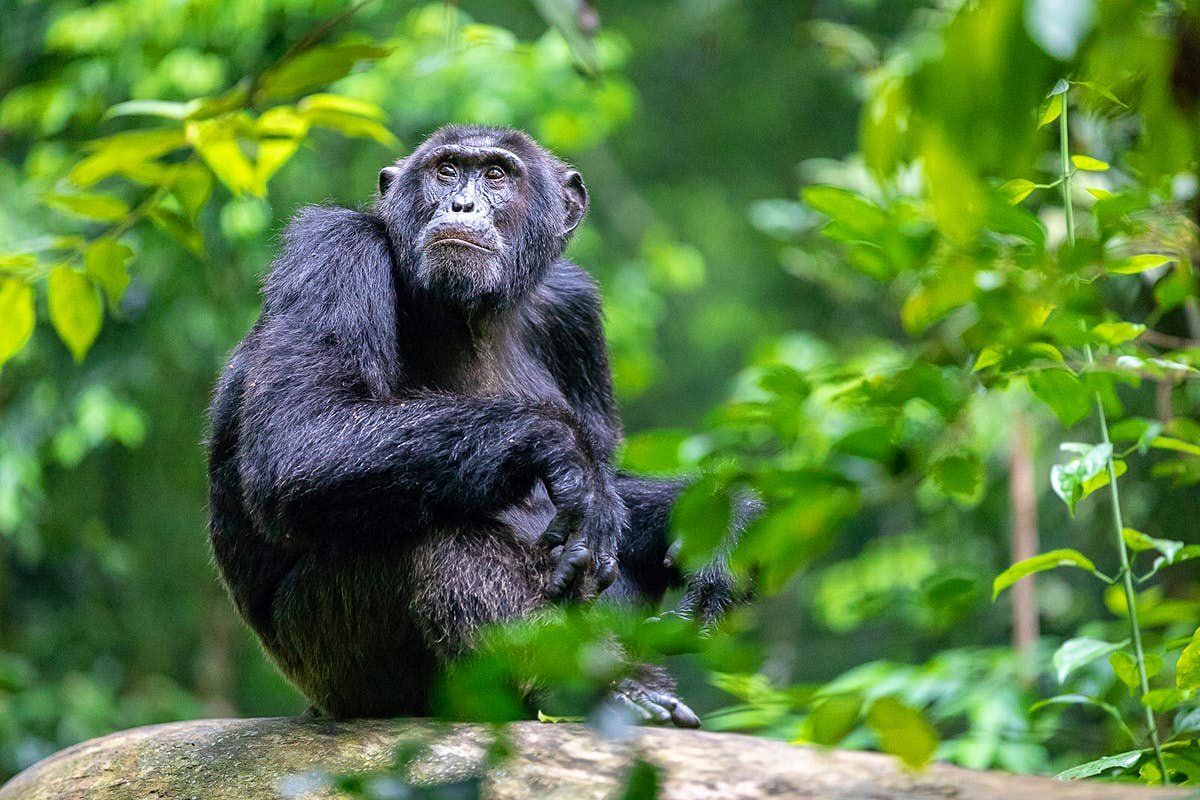
Once you have located them, you can quietly observe and learn about their fascinating lives in the forest.
Nyungwe Forest National Park boasts incredible biodiversity, making it a paradise for nature enthusiasts.
Golden Monkeys (Cercopithecus Mitis Kandit)
Golden monkeys are other endangered primate species in Rwanda also found in Volcanoes National Park, these beautiful primates are known for their striking golden fur and one of the top three primates to see in Rwanda. Also, these are known for entertaining leaps from tree to tree and engaging in lively social interactions.
Like gorilla trekking in Rwanda’s Volcanoes National Park, you need a permit to take part in gorilla trekking. Also, the experience is equally rewarding.
The playful tactics of the golden monkeys and the lush bamboo forests make for exceptional photo opportunities and lasting memories. Additionally, golden monkeys hold a significant cultural significance in Rwanda, and learning about them and their importance can add an extra layer of meaning of your Rwanda primate adventure.
Lesser Known Primates in Rwanda
Though Rwanda is famously known for its gorillas, chimpanzees, and golden monkeys, it also boasts an equally fascinating list of lesser known primates which significantly contribute to the country’s biodiversity, offering a unique glimpse into the world of primates that you can watch in Rwanda’s diverse landscape.
L’Hoest’s Monkey (Allochrocebus lhoesti)
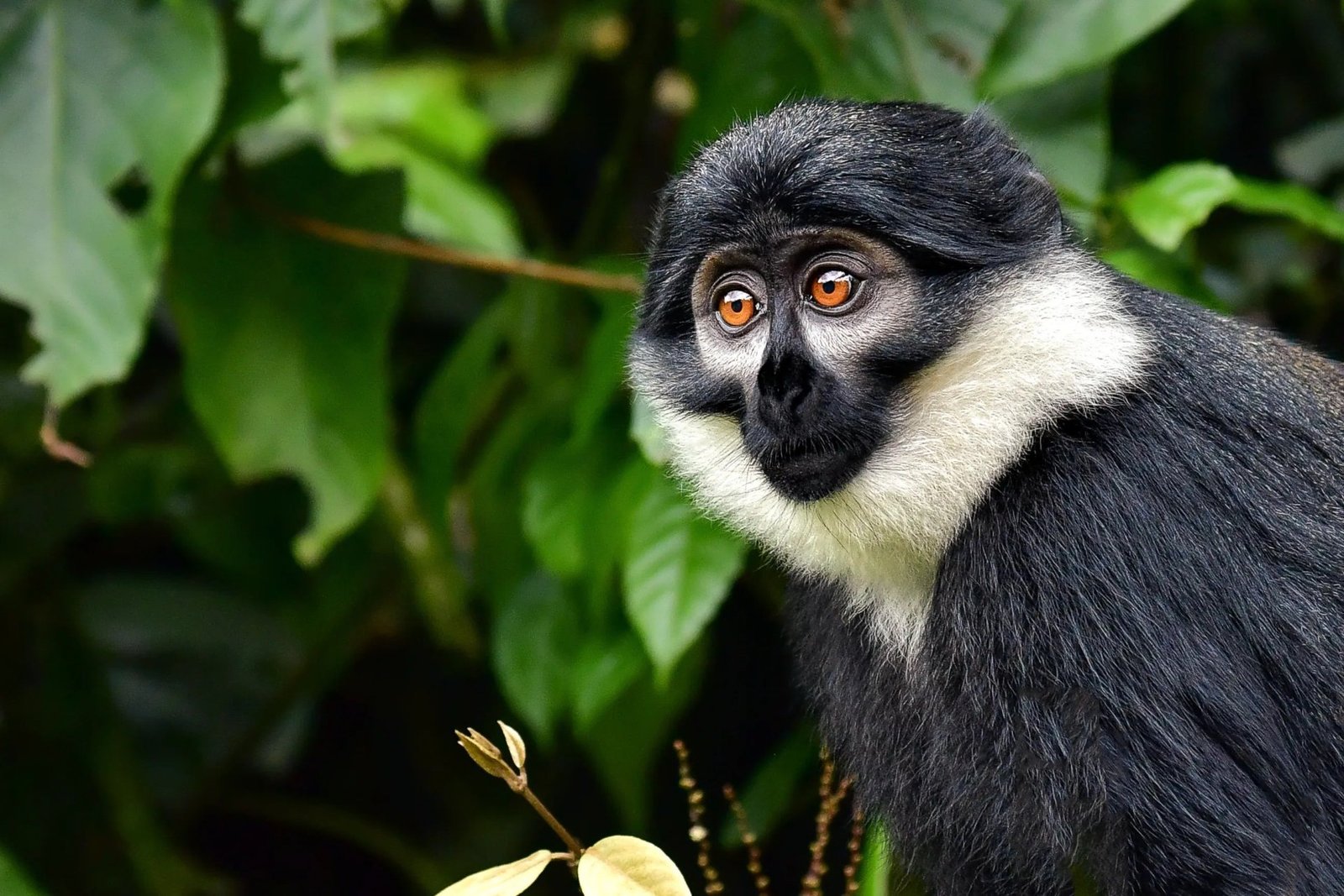
Also, known as the mountain monkey, L’Hoest’s monkey is a strinking primate characterized by its dark fur and distinctive white beard. Their behavior is marked by a strong sense of community, as they often live in groups known as troops. These troops traverse the lush montane forests of Rwanda, displaying agility in both tree climbing and ground movement.
L’Hoest’s monkeys are endemic to Albertine Rift, and you can easily spot them in Nyungwe National Park and Gishwati Forest.
Olive Baboon (Papio anubis)
With their distinctive grayish green fur, olive baboons are highly social creatures thriving in various habitats, from open savannahs to dense forests, are known for their remarkable adaptability. Their vocalizations ranging from sharp barks to grunts, are common in the woolands of Rwanda.
Olive baboons can be spotted in random places near or inside Rwanda’s four national parks.
Red-tailed Monkey (Cercopithecus ascanius)
The red-tailed monkeys are easily recognizable by their bright russet trails, they are agile acrobats of the forest canopy. These primates are famous for their playful antics and naturalists frequently encounter them near water bodies where they find their favorite snacks, such as aquatic plants and insects.
You can easily spot the red-tailed monkeys on a walk through Nyungwe Forest National Park.
Grey-cheeked Mangabey (Lophocebus albigena)
These fascinating primates have a striking appearance characterized by distinctive gray cheeks and a bush white tuft at the base of its tail. These managabeys are known for known for their arboreal lifestyle, often swinging gracefully through the trees and their presence for dense, evergreen forests.
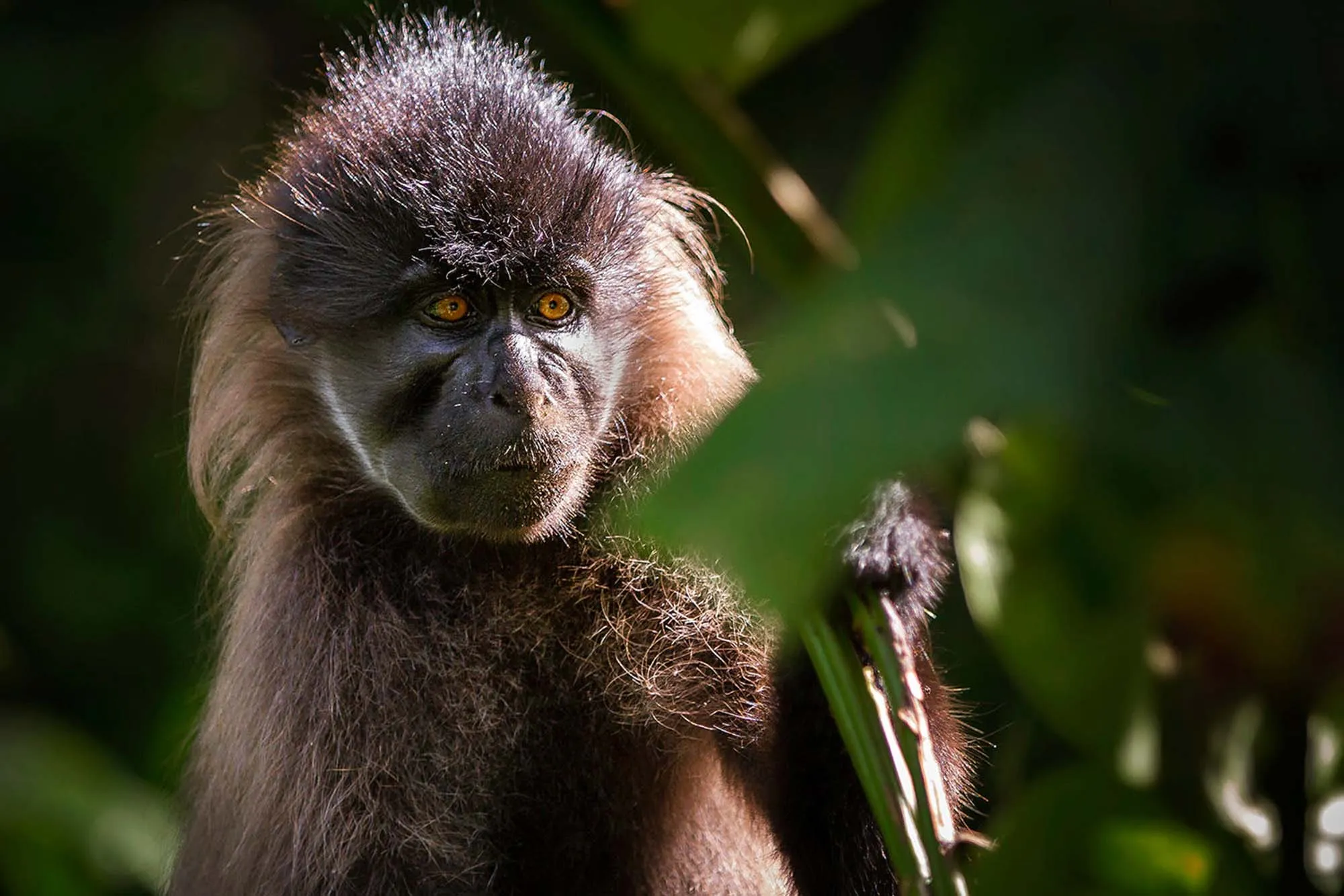
To spot these fascinating primates, go on a trekking adventure in Nyungwe Forest, southwest of Kigali.
Dent’s Mona Monkey (Cercopithecus denti)
Dent’s Mona Monkey is a medium-sized primate found in the tropical rainforests and wooded areas of Rwanda. With its dark brown or black fur, white or yellowish forehead and cheek bands, and a long, slender body with a tail longer than its body, Dent’s Mona Monkey has a striking appearance. They are primarily arboreal, exhibiting agile climbing and leaping abilities, and they live in social groups led by a dominant male.
The diet includes fruits, seeds, leaves, flowers, and occasional insects.
Dent’s Mona Monkeys can be spotted in Nyungwe Forest National Park, however seeing them can be challenging. Only one mona monkey lives with the Gisakura Colobus monkeys, acting as a scout for them.
Usually them Dent’s Mona Monkey chests the area for Colobus monkeys before they move, it signals the troops if it is safe to proceed. It’s fascinating to witness this behavior firsthand while trekking with the Gisakura Colobus monkey group.
Crowned Monkey (Cercopithecus pogonias)
The crowned monkey is a medium-sized primate with a dark body and a distinctive white crest on its head, they are social and diurnal, living in groups and primarily feeding on fruits, leaves, flowers, seeds, and insects. While they are not currently considered endangered, local populations may face threats from habitat loss and hunting.
You can spot crowned monkeys in the dense forests of Nyungwe National Park.
Best Time to visit Rwanda to see the fascinating primates
Rwanda is a year-round destination, but the dry seasons from June to September and December to February are generally the best seasons for primate tracking. During these periods, the trails are less muddy, and the forest foliage is less dense, improving visibility and the overall trekking experience.
Witnessing Rwanda’s primates is a privilege and a must-do experience to do when planning your Rwanda Safari. Whether observing the endangered mountain gorillas, or the playful golden monkeys. Rwanda delievers an unforgettable primate trekking adventure that will leave a lasting impact on your heart and soul.
Get in touch with one of our Travel Consultants and start planning a journey into the primates paradise in Rwanda.


