
Queen Elizabeth National Park Entrance Fees
Queen Elizabeth National Park is Uganda’s most popular and diverse safari destination boasting breathtaking landscapes, abundant wildlife and rich cultural heritage. The park boasts a beautiful combination of forests and grasslands and waterscapes.
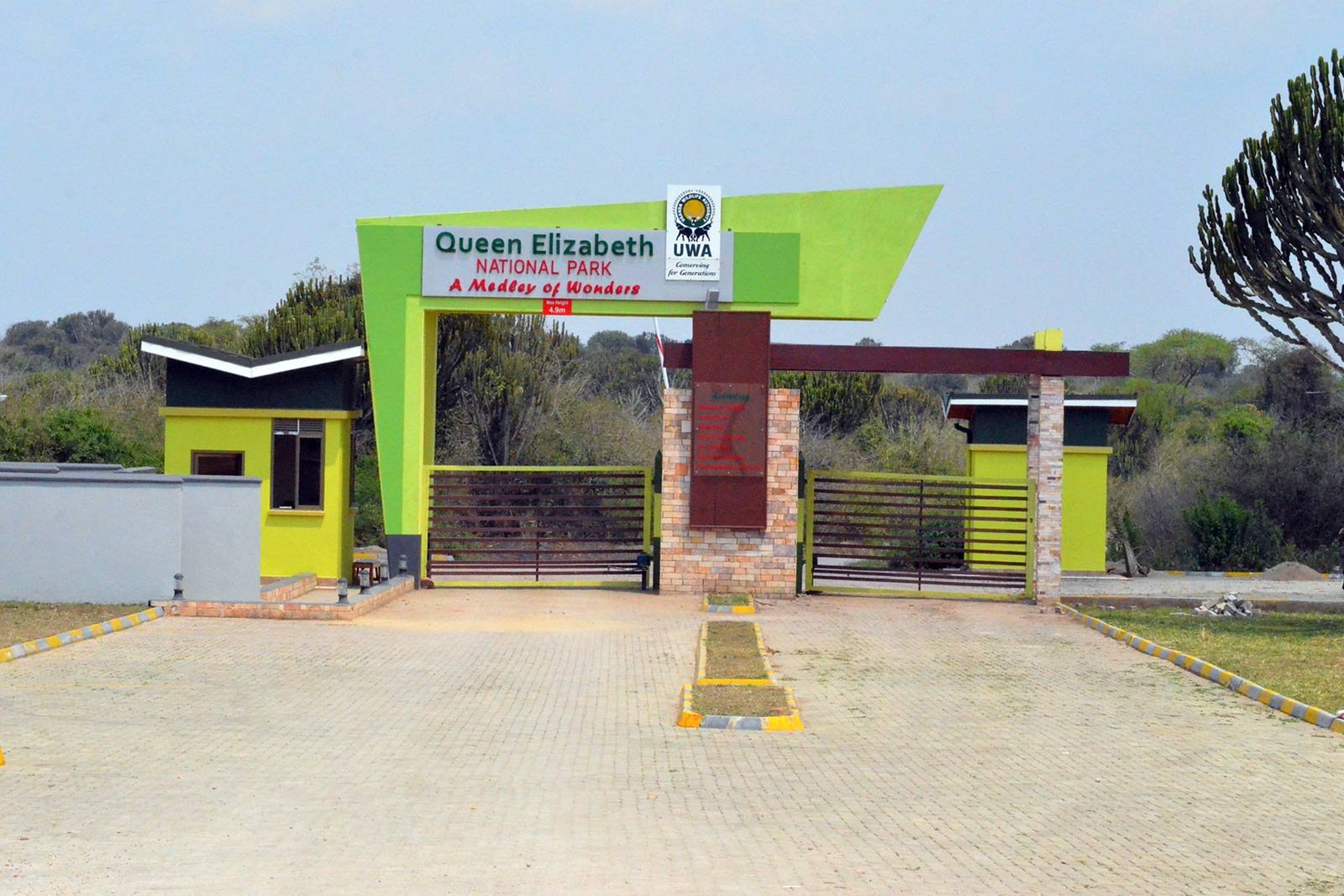
Queen Elizabeth National Park is the most bio-diverse park in Uganda, originally founded as Kazinga National Park in 1952 and later renamed in 1954 to commemorate a visit by Queen Elizabeth National Park. Today, the park stands as one of the Africa’s greatest wildlife haven, home to over 95 mammal species and over 600 bird species making it a paradise for nature enthusiasts.
Also called the conservation fees, Queen Elizabeth National Park Entrance fees are used to finance the conservation efforts as well as projects in the park. These entrance fees are paid at every entrance gates of Queen Elizabeth National Park that is Kabatoro Entrance Gate, Katunguru Entrance Gate and Ishasha Entrance Gate.
Here are the Queen Elizabeth National Park Entrance Fees including the different categories.
| Category | Adults | Children |
| Foreign non-residents | 40 USD | 20 USD |
| Foreign residents | 30 USD | 10 USD |
| East African Citizens | UGX 20,000 | UGX 5,000 |
Ugandan Pupils or Students in groups – UGX 3,000
Tertiary, Institutions, and Universities – UGX 5,000
Uganda Wildlife Clubs – UGX 2,000
Notes
- Before you pay for your Queen Elizabeth National Park Entrance Fees, you ought to have valid identification. This is to help the park authorities know whether you are a foreign non-resident, foreign resident, or East African citizen.
- Also, you can decided to pay annual entrance fees, but only foreign residents and East African Citizens can pay for this. However, only foreign residents with a working permit of more than 1 year are allowed to pay the annual entrance fees.
- Also, Queen Elizabeth National Park charges entrance fees for motor engines.
Annual Entrance fees for Queen Elizabeth National Park
| Category | Foreign Resident (USD) | East African Citizen (UGX) |
| Individual | 350 | 350,000 |
| Couple | 600 | 500,000 |
| Family with a maximum of 4 children | 800 | 600,000 |
| Corporate Pass (10 Pax) | 1,500 | 2,500,000 |
| Safari Guide | 200,000 | |
| Taxi Driver | 150,000 | |
| Tour Company | Free | |
| Driver | Free |
Vehicle Fees
| Category | Foreign Resident (USD) | East African Citizen (UGX) |
| Motorcycles | 30 | 10 |
| Saloon Cars | 40 | 20,000 |
| Minibuses, Omini-buses | 50 | 30,000 |
| Pick-ups and 4WD Vehicles | 150 | 30,000 |
| Buses and Lorries | 200 | 200,000 |
| Delivery vehicle per entry | 20,000 | |
| Construction Equipment | 350 | 500,000 |
| Over landers | 150 | 100,000 |
| School Buses | 50,000 | |
| Boats up to 15 seater | 100 | 250,000 |
| Launches over 15 seater | 200 | 350,000 |
| Launches (MFIFT) boats up to 15 seater | 50 | 50,000 |
| Launches over 15 seater 100 | 150,000 |
Landing Fees for Aircrafts
| Category | Foreign Resident (USD) | East African Citizen (UGX) |
| Gliders, Microlights | 10 | 20,000 |
| Up to 3 Seater | 20 | 40,000 |
| 4-6 Seaters | 30 | 60,000 |
| 7-14 Seaters | 40 | 80,000 |
| 15 – 20 Seaters | 50 | 100,000 |
| 21 seaters and above | 60 | 120,000 |
| Helicopters | 125 | 250,000 |
| Parking Fees for each day | 10,000 |

Important Things to Note
- Queen Elizabeth National Park Entrance Fees apply to every individual on a Uganda safari to the park.
- These fees are charged every 24 hours, therefore staying for extra hours in Queen Elizabeth National Park beyond 24 is considered an extra day
- Entrance fees for motor engines are charged different from the individual park entrance fees
- Children are between 5 to 15 years. Those below 5 are exempted from paying the park entrance fees’
- Queen Elizabeth National Park Entrance Fees are not applicable for safari activities in the park, for example boat cruises, game drives and birding
- Vehicle and boat entrance fees are also charged every after 24 hours
- Motorcycles, trailer, vehicles carrying inflammable goods, heavy trucks, and many others are not allowed inside the park unless they are making deliveries in the park or they have express approval from the executive director.
- En-route pilots are not charged park entry fees if they stay for less than 2 hours.
The Importance of Park Entrance Fees
Entrance fees to Queen Elizabeth National Park are used to perform several functions as detailed below
- Conservation – The Park entrances help in conservation projects in the Queen Elizabeth National Park to improve on the preservation strategies for wildlife in the park
- Improve Visitor’s Experience – Entrance Fees add revenue to the projects that the management uses to build infrastructures, and make other improvements for a better tourism experience
- Support local communities – The local communities around the borders of Queen Elizabeth National Park gain from the park entry fees, most of the locals in the park are perform as guides giving assistance to the tourists.
- Allows you to Enter Queen Elizabeth National Park – By paying park entrance fees, you can enter Queen Elizabeth National Park to enjoy your safari activities including game drives, boat cruises and nature walks.
Rules and Regulations to follow while on a Queen Elizabeth National Park Safari
For the safety of tourists, wildlife and protecting the conservation, there are a set of rules and regulations put in place by the park authorities – The Uganda Wildlife Authority.
- Ensure that the making of campfires is only on designated sites while in the park. This is to prevent the risk of setting the animals’ habitats on fire
- Only drive in the right tracks of Queen Elizabeth National Park to avoid unnecessary destruction of the vegetation. This is also to keep you from unreasonably paying fines for paying park fees.
- While driving through the park, do not sound the motor horns as they stress the wildlife in the park
- Drive at a recommended speed which is less than 40km/hr
- Firearms and ammunition are not allowed inside the park
- The park management only allows driving in the park between 7:00 am to 7:00 pm.
- It is advisable not to bring your pet inside the park
- Do not litter in the park
- Avoid picking flowers or destroying any vegetation in the park
- Keep all your official receipts for inspection.
Queen Elizabeth National Park is Uganda’s most popular and diverse safari destination boasting breathtaking landscapes, abundant wildlife and rich cultural heritage. The park boasts a beautiful combination of forests and grasslands and waterscapes.
Queen Elizabeth National Park is the most bio-diverse park in Uganda, originally founded as Kazinga National Park in 1952 and later renamed in 1954 to commemorate a visit by Queen Elizabeth National Park. Today, the park stands as one of the Africa’s greatest wildlife haven, home to over 95 mammal species and over 600 bird species making it a paradise for nature enthusiasts.
Also called the conservation fees, Queen Elizabeth National Park Entrance fees are used to finance the conservation efforts as well as projects in the park. These entrance fees are paid at every entrance gates of Queen Elizabeth National Park that is Kabatoro Entrance Gate, Katunguru Entrance Gate and Ishasha Entrance Gate.
Here are the Queen Elizabeth National Park Entrance Fees including the different categories.
| Category | Adults | Children |
| Foreign non-residents | 40 USD | 20 USD |
| Foreign residents | 30 USD | 10 USD |
| East African Citizens | UGX 20,000 | UGX 5,000 |
Ugandan Pupils or Students in groups – UGX 3,000
Tertiary, Institutions, and Universities – UGX 5,000
Uganda Wildlife Clubs – UGX 2,000
Notes
- Before you pay for your Entrance Fees for Queen Elizabeth National Park, you ought to have valid identification. This is to help the park authorities know whether you are a foreign non-resident, foreign resident, or East African citizen.
- Also, you can decided to pay annual entrance fees, but only foreign residents and East African Citizens can pay for this. However, only foreign residents with a working permit of more than 1 year are allowed to pay the annual entrance fees.
- Also, Queen Elizabeth National Park charges entrance fees for motor engines.
Annual Entrance fees for Queen Elizabeth National Park
| Category | Foreign Resident (USD) | East African Citizen (UGX) |
| Individual | 350 | 350,000 |
| Couple | 600 | 500,000 |
| Family with a maximum of 4 children | 800 | 600,000 |
| Corporate Pass (10 Pax) | 1,500 | 2,500,000 |
| Safari Guide | 200,000 | |
| Taxi Driver | 150,000 | |
| Tour Company | Free | |
| Driver | Free |
Vehicle Fees
| Category | Foreign Resident (USD) | East African Citizen (UGX) |
| Motorcycles | 30 | 10 |
| Saloon Cars | 40 | 20,000 |
| Minibuses, Omini-buses | 50 | 30,000 |
| Pick-ups and 4WD Vehicles | 150 | 30,000 |
| Buses and Lorries | 200 | 200,000 |
| Delivery vehicle per entry | 20,000 | |
| Construction Equipment | 350 | 500,000 |
| Over landers | 150 | 100,000 |
| School Buses | 50,000 | |
| Boats up to 15 seater | 100 | 250,000 |
| Launches over 15 seater | 200 | 350,000 |
| Launches (MFIFT) boats up to 15 seater | 50 | 50,000 |
| Launches over 15 seater 100 | 150,000 |
Landing Fees for Aircrafts
| Category | Foreign Resident (USD) | East African Citizen (UGX) |
| Gliders, Microlights | 10 | 20,000 |
| Up to 3 Seater | 20 | 40,000 |
| 4-6 Seaters | 30 | 60,000 |
| 7-14 Seaters | 40 | 80,000 |
| 15 – 20 Seaters | 50 | 100,000 |
| 21 seaters and above | 60 | 120,000 |
| Helicopters | 125 | 250,000 |
| Parking Fees for each day | 10,000 |
Important Things to Note
- Queen Elizabeth National Park Entrance Fees apply to every individual on a Uganda safari to the park.
- These fees are charged every 24 hours, therefore staying for extra hours in Queen Elizabeth National Park beyond 24 is considered an extra day
- Entrance fees for motor engines are charged different from the individual park entrance fees
- Children are between 5 to 15 years. Those below 5 are exempted from paying the park entrance fees’
- Queen Elizabeth National Park Entrance Fees are not applicable for safari activities in the park, for example boat cruises, game drives and birding
- Vehicle and boat entrance fees are also charged every after 24 hours
- Motorcycles, trailer, vehicles carrying inflammable goods, heavy trucks, and many others are not allowed inside the park unless they are making deliveries in the park or they have express approval from the executive director.
- En-route pilots are not charged park entry fees if they stay for less than 2 hours.
The Importance of Park Entrance Fees
Entrance fees to Queen Elizabeth National Park are used to perform several functions as detailed below
- Conservation – The Park entrances help in conservation projects in the Queen Elizabeth National Park to improve on the preservation strategies for wildlife in the park
- Improve Visitor’s Experience – Entrance Fees add revenue to the projects that the management uses to build infrastructures, and make other improvements for a better tourism experience
- Support local communities – The local communities around the borders of Queen Elizabeth National Park gain from the park entry fees, most of the locals in the park are perform as guides giving assistance to the tourists.
- Allows you to Enter Queen Elizabeth National Park – By paying park entrance fees, you can enter Queen Elizabeth National Park to enjoy your safari activities including game drives, boat cruises and nature walks.
Rules and Regulations to follow while on a Queen Elizabeth National Park Safari
For the safety of tourists, wildlife and protecting the conservation, there are a set of rules and regulations put in place by the park authorities – The Uganda Wildlife Authority.
- Ensure that the making of campfires is only on designated sites while in the park. This is to prevent the risk of setting the animals’ habitats on fire
- Only drive in the right tracks of Queen Elizabeth National Park to avoid unnecessary destruction of the vegetation. This is also to keep you from unreasonably paying fines for paying park fees.
- While driving through the park, do not sound the motor horns as they stress the wildlife in the park
- Drive at a recommended speed which is less than 40km/hr
- Firearms and ammunition are not allowed inside the park
- The park management only allows driving in the park between 7:00 am to 7:00 pm.
- It is advisable not to bring your pet inside the park
- Do not litter in the park
- Avoid picking flowers or destroying any vegetation in the park
- Keep all your official receipts for inspection.


