What are the Top Rwanda Safari Experiences in 2025

Beyond the lush green and undulating landscapes, Rwanda is an awe-inspiring African safari destination with a number of incredible destinations to be discovered.  Rwanda is home to some of the world’s greatest primate tracking, this small country is characterised by its impressive biodiversity, volcanoes, and highland rainforests that are home to mountain gorillas, golden monkeys and chimpanzees.

  1. Trek with Mountain Gorillas in Volcanoes National Park

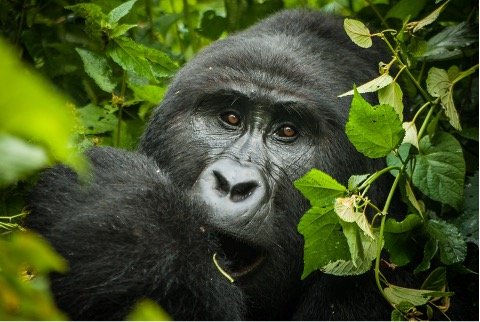
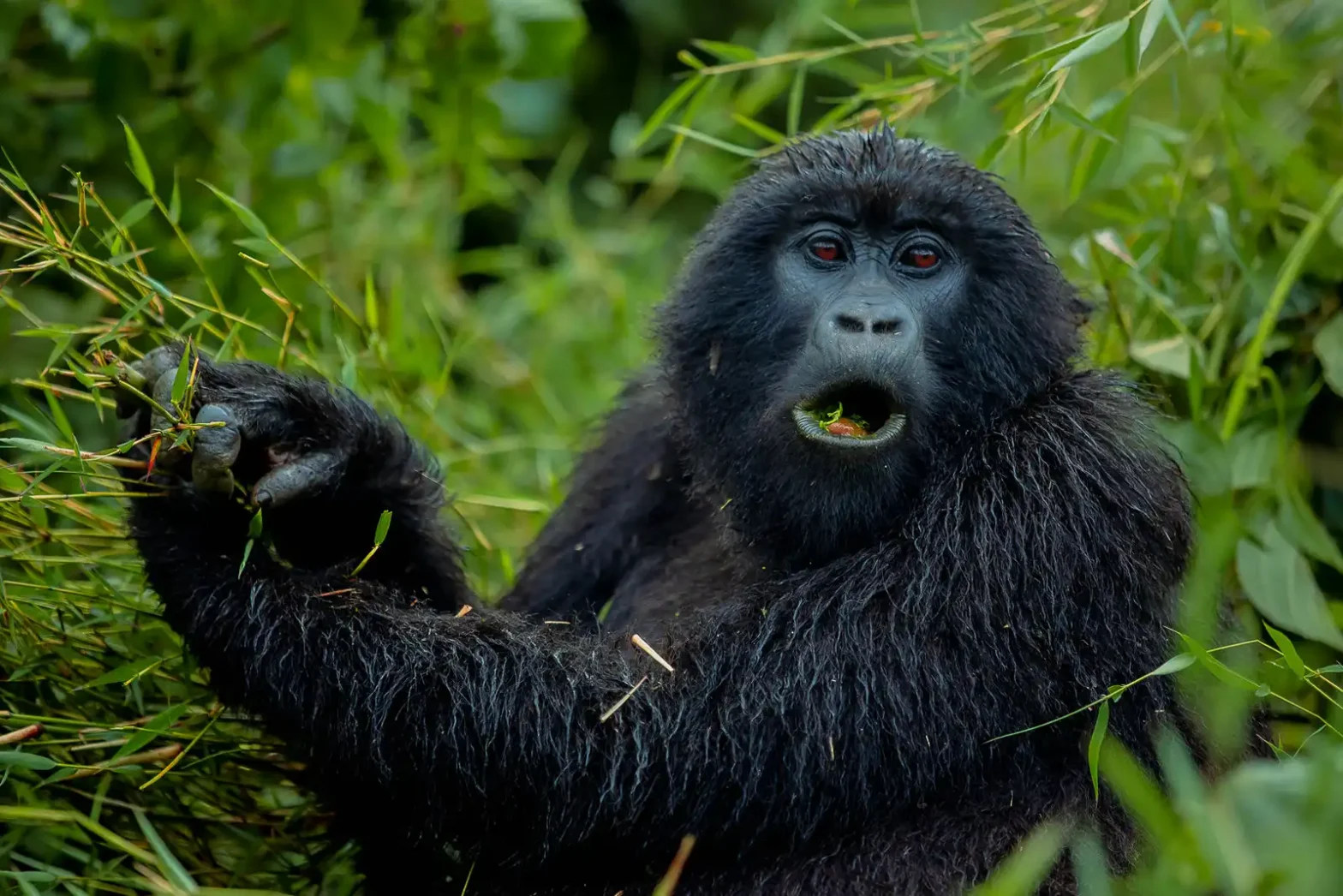
Gorilla trekking in Rwanda is among the most thrilling safari experience you can have anywhere in the world, this experience gives you the opportunity to have a close encounter with mountain gorillas in their natural habitat, the misty rainforests of Volcanoes National Park.

Mountain gorillas are endangered species and having a face to face encounter with them is one of the most sought for wildlife experiences in the world.

Volcanoes National Park is part of Virunga Mountains which stretch across Rwanda, Uganda and the Democratic Republic of Congo. Gorilla trekking grants visitors one hour of being in their presence, a few meters from them, watching them go on with their life in the forest and observe their family dynamics. To go on a gorilla trek in Rwanda, you have to purchase a gorilla permit which cost $ 1,500 per person per trek.

Gorilla permits in Volcanoes National Park are restricted to only 80 permits per day and they sell out fast, so it is recommended to make reservations well in advance. The gorilla permits are assigned to any of the 10 habituated families of gorillas in the park, these gorilla families comprises of one silverback, a few females and young ones.  

  1. Chimpanzee Trekking in Nyungwe Forest

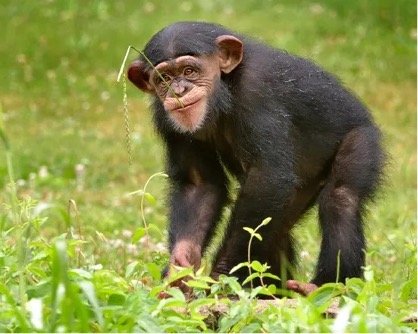
Chimpanzee trekking is one of the most popular safari experiences in Rwanda, perhaps only second to the famous gorilla trekking.

Chimpanzee trekking tour in Rwanda takes places only in Nyungwe Forest National Park, located about 5-6 hours from Kigali in the southwest of Rwanda, near the border between Burundi and Democratic Republic of Congo. The park protects an ancient rainforest that is said to have existed since the ice age and a huge biodiversity, with many species of flora and fauna found to exist only in this forest.

Nyungwe Forest is among the most biodiverse and oldest forests in Africa protecting more than 1,000 species of plants, 85 mammal species, 32 amphibian species, 38 reptile species along with 275 bird species including 27 endemic species.

Chimpanzee trekking is one of the major highlights in Nyungwe Forest National Park, this experience permits tourists to witness one of the largest concentration of chimpanzees in East Africa. There are approximately 500 chimpanzees thriving within the forest and are divided into two communities, once in Cyamudongo forest, and another in Uwinka. Chimpanzee trekking starts in the early morning hours and lasts for several hours to all day long dependent on their movement and location of the animals. Trekking chimpanzees in Nyungwe Forest is restricted to eight people per group, and each group is given an hour of viewing time.

  1. Trekking Golden Monkeys in Volcanoes National Park

Hike the Virunga Volcanoes in Rwanda’s Volcanoes National Park to see the endangered golden monkeys in the wild, encountering these striking golden – orange fur shimmering creatures offers an unforgettable wildlife encounter.

Trekking golden monkeys is a thrilling adventure and a chance to witness their unique beauty as well as supporting conservation efforts.

Golden monkeys thrive in the high – altitude bamboo forests of the Virunga Mountains, a volcanic chain spanning Uganda, Rwanda and the Democratic Republic of Congo. Golden monkeys are social creatures that love in large troops of up to 100 individuals with intricate family structures. The troop is led by a dominant male, the females in the group as well as their young ones form the group’s core.

On the golden monkey trekking experience, you will often see the golden monkeys grooming each other, playing, or foraging for bamboo shoots which is their primary source of food. 

Rwanda 

  1. Rwanda Cultural Experience

Rwanda has a rich and well documented cultural history. The majority of Rwanda’s population comprises of two distinct tribes, the Hutu and the Tutsi speaking the same language (Kinyarwanda). These tribes have always intermarried and lived and worked together on the same fertile hillsides, traditionally they paid tribute to the same king and followed the same traditional belief system before the arrival of Europeans.

Culture in Rwanda is a mix of vibrant traditions and distinctive customs that reflect its long history and diverse ethnic communities. Traditional Intore dancing is an engaging display found at celebrations and festivals, known for its graceful leaps and rhythmic movements. Ubuntu, an important part of Bantu philosophy that emphasizes community and mutual respect, plays an essential part in everyday living and relationships in Rwanda.

Best places to witness Rwanda’s culture and heritage include

  • The King’s Palace – a reconstruction of the traditional royal residence in Nyanza
  • Ethnographic Museum – also known as the National Museum housing the finest ethnographic collection in East Africa
  • Rwanda Art Museum – Formerly the Presidential Palace Museum, this newly open museum displays contemporary artworks from Rwanda as well as abroad. It hosts temporary and travelling exhibitions alongside the permanent collection.
  • Kandt House Museum – showcases colonialism in relation to Rwanda, the museum is set in the old house of the first colonial governor of Rwanda – Richard Kandt.
  1. Wildlife Safaris in Akagera National Park 

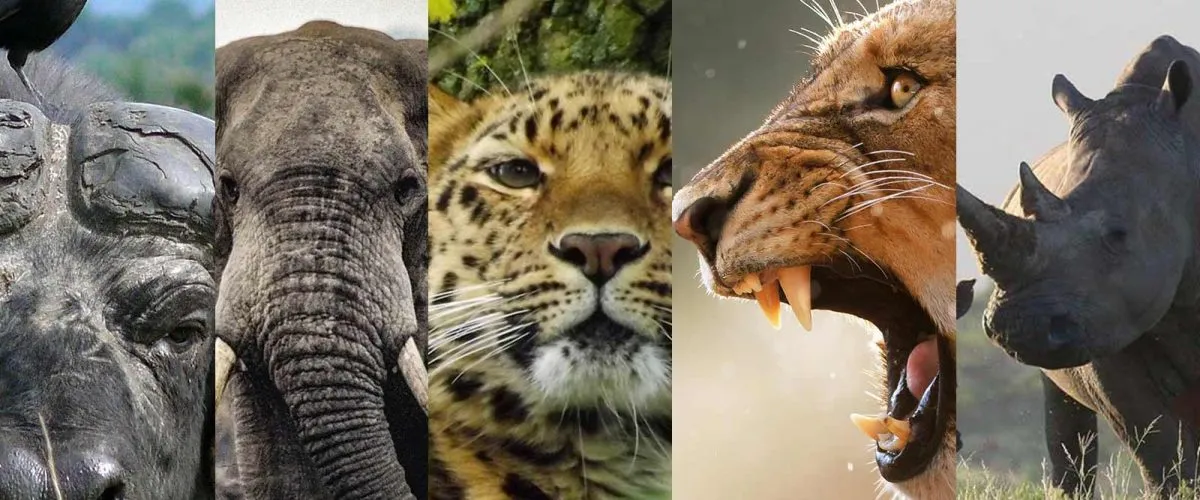
Wildlife safari experiences in Rwanda are done in the remarkable Akagera National Park, the only savannah national park in Rwanda and home to Big 5 (lion, elephant, leopards, buffaloes and rhinos).

Akagera National Park is home to over 12,000 large mammals and an impressive 482 species of birds. It is the only place in Rwanda where you can find the magnificent Big Five; lions, leopards, elephants, buffaloes and rhinos, alongside many other fascinating animals. Other resident mammal species include giraffes, zebras, hippos, crocodiles, antelopes, monkeys, and hyenas.

Akagera National Park is also a birder’s paradise hosting with an impressive 482 species of birds including the elusive shoebill stork and the exquisite papyrus Ganolex. The park is hosts the highest number of species per unit area.
The Africa Big (5) Five

The term “Africa Big 5” was coined by trophy hunters in the 19th centuries. For these five animals, the hunters knew well to be the most deadly and difficult to capture or kill. Now, the Africa Big 5 are the most revered game to safari tourists and travelers, attracting flocks of people from across the world to see them. Here are the big five and where you can find them.

1.     African Lion(Panthera leo)

The African Lion is most fierce and astonishing of the Big 5 animals, admired for its girth, strength and braveness. Lions roam the Savannah in groups called prides comprising anywhere from 5 to 40 lions and can be found in the three largest savanna parks: Murchison Falls, Kidepo Valley and Queen Elizabeth National Parks.

  • African Elephant (Loxodonta africana)

The African Elephant is the largest land mammal existent on planet earth, even larger than its Asian counterpart flaunting its large ears and curving tusks. The adult elephant can be found roaming grasslands in all the major Parks in the country except Lake Mburo NP, consuming up to 300 pounds of food in a single day.

  • Leopard

Averaging between 50 and 90 kg (110 to 200 pounds) in weight, the Leopard is the smallest of the Big 5. This darkly spotted solitary cat boasts of its stealth, elusiveness and hunting prowess that suit it as a formidable predator. The leopard can be seen in Queen Elizabeth, Murchison Falls, Kidepo Valley, Lake Mburo and Mt Elgon National Parks.

  • African Buffalo

When the African buffalo aren’t fighting off the predatory African lion, they are eating grass – and lots of it. They live and move in large herds of thousands for security and can be found around a water source, covered in mud. They are known to be dangerous and unpredictable, with a very precarious temperament and can be found in just about every National Park.

  • Rhinoceros

The Rhinoceros are large, with stumpy legs and massive bodies and characteristic horned stouts. The Northern white rhino and can only be seen in the massively protected Ziwa Rhino sanctuary and the Uganda Wildlife Education Center in Entebbe commonly referred to as the Zoo.

Why You Should Explore Uganda in 2025

Mountain Gorilla Trekking (Bwindi Impenetrable Forest &Mgahinga Gorilla National Park).

Nestled within the lush landscapes of southwestern Uganda lies a natural wonderland like no other: Bwindi Impenetrable National Park. Enveloped in a cloak of ancient forests, misty valleys, and soaring peaks, this UNESCO World Heritage Site beckons adventurers and nature enthusiasts alike to immerse themselves in its unparalleled biodiversity and cultural significance.

Bwindi’s crowning jewel is undoubtedly its population of endangered mountain gorillas, which roam freely within its dense foliage. Trekking through the rugged terrain in search of these majestic creatures is an awe-inspiring experience, offering a rare glimpse into their captivating world. Each encounter is a poignant reminder of the delicate balance between humanity and the natural world.

Beyond its iconic inhabitants, Bwindi boasts a rich tapestry of flora and fauna, with over 400 species of plants and an array of wildlife, including chimpanzees, colobus monkeys, and myriad bird species. The park’s diverse ecosystems support a wealth of life, from the canopy-covered slopes to the tranquil riverbanks below.

But Bwindi’s allure extends beyond its natural splendor; it is also a place steeped in cultural heritage. Home to several indigenous communities, including the Batwa pygmies, the park serves as a living museum of traditional lifestyles and customs. Visitors have the opportunity to engage with local communities, gaining insight into age-old traditions and fostering meaningful connections.

Exploring Bwindi Impenetrable National Park is a journey of discovery, a chance to witness the raw beauty of nature and the resilience of the human spirit. Whether trekking through dense forests in search of gorillas, birdwatching amidst the canopy, or simply soaking in the serenity of the landscape, every moment spent here is a testament to the profound importance of conservation and preservation.

In Bwindi, the impenetrable becomes inviting, inviting travelers to delve deep into its mysteries and emerge forever changed by the experience. It is a place where the primal rhythms of the natural world intertwine with the timeless traditions of humanity, creating an unforgettable tapestry of life, love, and adventure.

Chimpanzee tracking (Kibale forest national park).

Uganda

Kibale National Park is often dubbed the “Primate Capital of the World,” and for a good reason. It’s home to the highest concentration of primates in Africa, including our closest relatives, chimpanzees. Trekking through the dense forest in search of these intelligent creatures is an unforgettable experience that offers a glimpse into their natural habitat and behavior.

In Uganda One of the highlights of visiting Kibale is the opportunity to embark on a thrilling chimpanzee trek. Accompanied by experienced guides, visitors venture into the forest in search of these charismatic apes. As you navigate the winding trails, the anticipation builds until you finally encounter a troop of chimpanzees swinging through the trees or foraging for food on the forest floor. Witnessing their playful antics and hearing their distinct calls echoing through the canopy is a truly magical experience. From thrilling primate encounters to awe-inspiring natural beauty, Kibale National Park offers an immersive wilderness experience like no other. Whether you’re seeking adventure, tranquility, or simply a deeper connection with nature, this extraordinary destination has something for everyone. So pack your bags, lace up your hiking boots, and embark on an unforgettable journey into the heart of Kibale National Park. Your next great adventure awaits!

Tree climbing lions (Ishasha, Queen Elizabeth national park)

Uganda

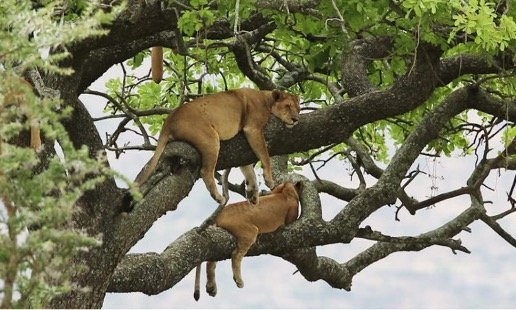
Elizabeth National Park, a jewel of the East African landscape, boasts an astonishing array of wildlife. Among its many treasures are the enigmatic tree-climbing lions, a phenomenon that continues to captivate and intrigue visitors from around the globe.

Imagine driving through the park’s savannah, the golden grasslands stretching as far as the eye can see, punctuated by majestic acacia trees.

The tree-climbing lions of Queen Elizabeth National Park in Uganda are not a separate species; rather, they are a unique population of African lions that have developed a remarkable behavior not commonly seen elsewhere. Why these lions have chosen to scale trees is still a subject of debate among researchers. Some suggest it may be to escape the heat and avoid biting insects on the ground, while others propose it could provide a strategic vantage point for hunting or territorial observation.

So, if you find yourself drawn to the untamed beauty of Africa and yearning for an adventure like no other, consider a journey to Queen Elizabeth National Park. Amidst its sweeping vistas and teeming wildlife, you may just glimpse the awe-inspiring sight of lions defying gravity as they reign supreme from their leafy thrones.

Let the magic of the tree-climbing lions inspire you to explore, to marvel, and to cherish the wonders of the natural world.

Happy exploring!

Murchison falls National Park.

Uganda

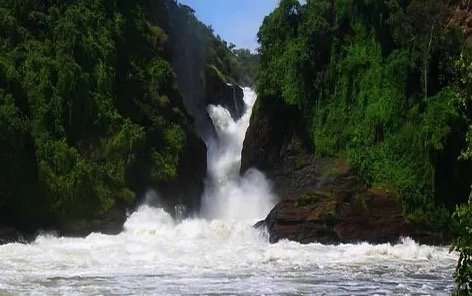
One of the park’s main attractions is undoubtedly the powerful Murchison Falls themselves. Here, the Nile River squeezes through a 7-meter-wide gorge before plunging 43 meters into a frothy cascade below. The sight and sound of the water thundering down the falls are truly awe-inspiring and leave an indelible mark on all who witness it.

Beyond the falls, the park is teeming with an abundance of wildlife. Visitors can embark on game drives across the Savannah, where they may encounter herds of elephants, giraffes, buffaloes, and antelopes grazing peacefully. Lions, leopards, and hyenas also roam the plains, while hippos and crocodiles bask along the riverbanks.

But Murchison Falls National Park In Uganda is not just about its wildlife and natural beauty; it also has a rich cultural heritage. The park is home to several local communities, including the Madi and Alur people, who have lived in harmony with the land for centuries. Visitors have the opportunity to learn about their traditions, customs, and way of life, adding depth and meaning to their experience in the park.

In essence, Murchison Falls National Park is a treasure trove of wonders waiting to be explored. Whether you’re a nature lover, wildlife enthusiast, or simply seeking adventure, this park offers something for everyone. With its awe-inspiring landscapes, diverse wildlife, and rich cultural heritage, it truly stands as a testament to the splendor of the African continent.

In conclusion, Uganda’s wildlife is a testament to the country’s rich natural heritage and its commitment to conservation. From the iconic mountain gorillas of Bwindi Impenetrable National Park to the tree-climbing lions of Queen Elizabeth National Park, Uganda offers a safari experience like no other.

As we reflect on the wonders we’ve explored in this blog, let us remember the importance of responsible tourism and conservation efforts in preserving these precious ecosystems for future generations. By supporting sustainable practices and engaging with local communities in Uganda, we can ensure that Uganda’s wildlife continues to thrive for years to come.

Happy adventuring!