Volcanoes National Park

Volcanoes National Park
Volcanoes National Park
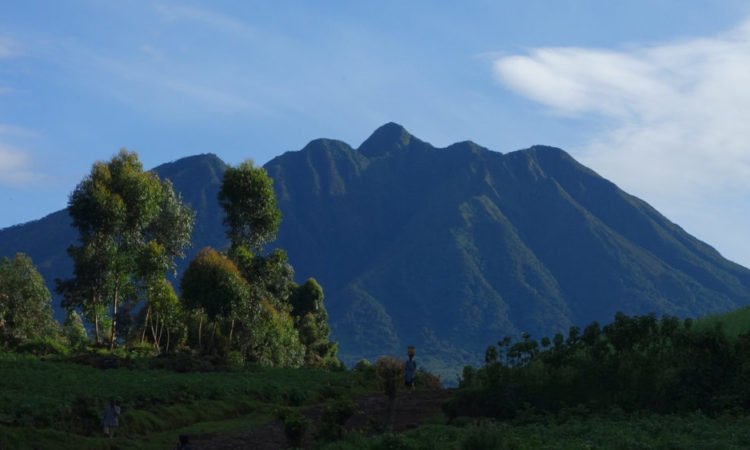
View of Volcanoes in Volcanoes National Park


Home to mountain gorillas in Rwanda, Volcanoes National Park also known as Parc National des Volcans in French is the most popular national park in the country for the famous exhilarating gorilla trekking in Rwanda.

The park is situated in north region of Rwanda in Musanze district, about 96km from Kigali, the capital city of Rwanda and can be reached on a drive of 2 hours on a good paved road through the rolling hills. Volcanoes National Park shares borders with Mgahinga Gorilla National Park in Uganda and Virunga National Park of DR.Congo, forming the Virunga Conservation Area protecting the endangered mountain gorillas.

Covering an area of 160 square kilometers, Volcanoes National Park encloses 5 out of 8 volcanoes in the Virunga Mountains including Karisimbi, Bisoke, Muhabura, Gahinga and Sabyinyo. The forested volcanoes of the park are home to the endangered mountain gorillas and golden monkeys, the park was the base for the Dian Fossey, a famous American primatologist who carried out extensive research on mountain gorillas.

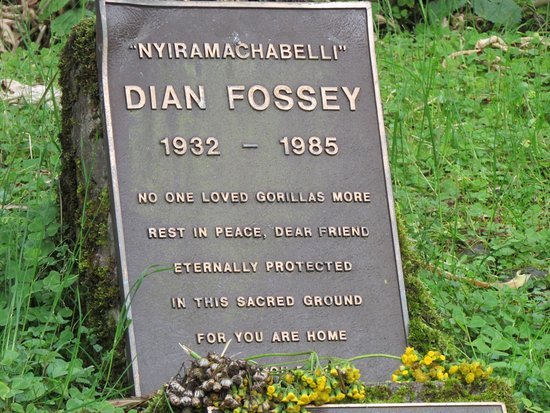
To conduct her research, Dian Fossey she founded a Karisoke Research Center in 1967. She lived here until her murder in 1985, and it was here where she wrote her seminal book “Gorillas in the Mist”.

History of Volcanoes National Park

Established in 1925, Volcanoes National Park is the oldest national park in Africa, the park was extended into Rwanda by the then Belgian Congo and was named Albert National Park run by the Belgian Colonial Authorities.

In 1960s, the park was divided as Rwanda and Congo gained their independence and by the end of the decade, the park was almost half of its original size.

Because of insecurity Dian Fossey fled from the Democratic Republic of Congo forest and established her research center between Visoke and Karisimbi Volcanoes which is known as the Karisoke Research Centre.
Volcanoes National Park
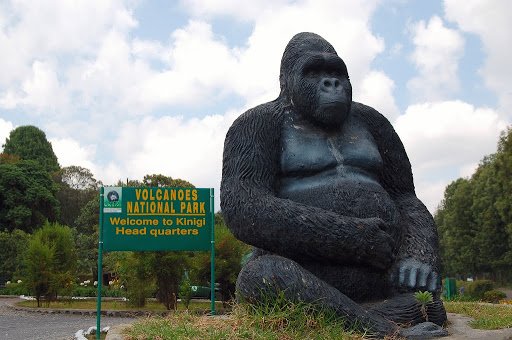
Statue of a silverback at the entrance of Volcanoes National Park

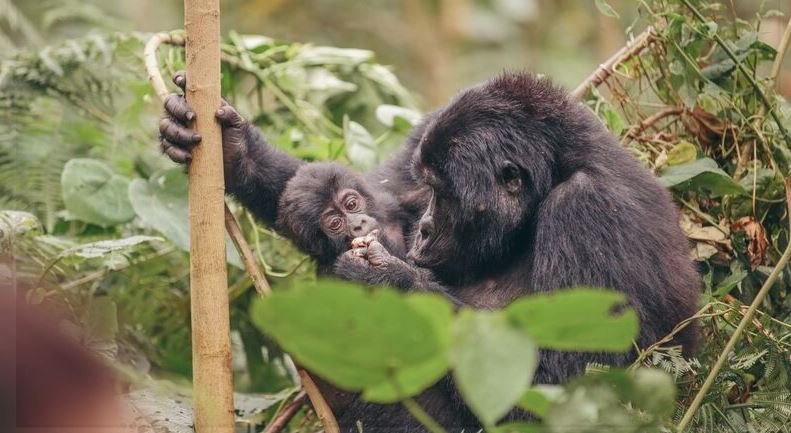
Mountain Gorillas in Volcanoes National Park

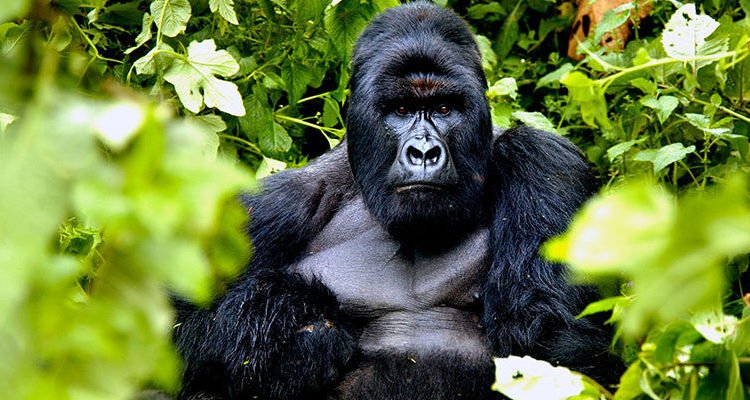
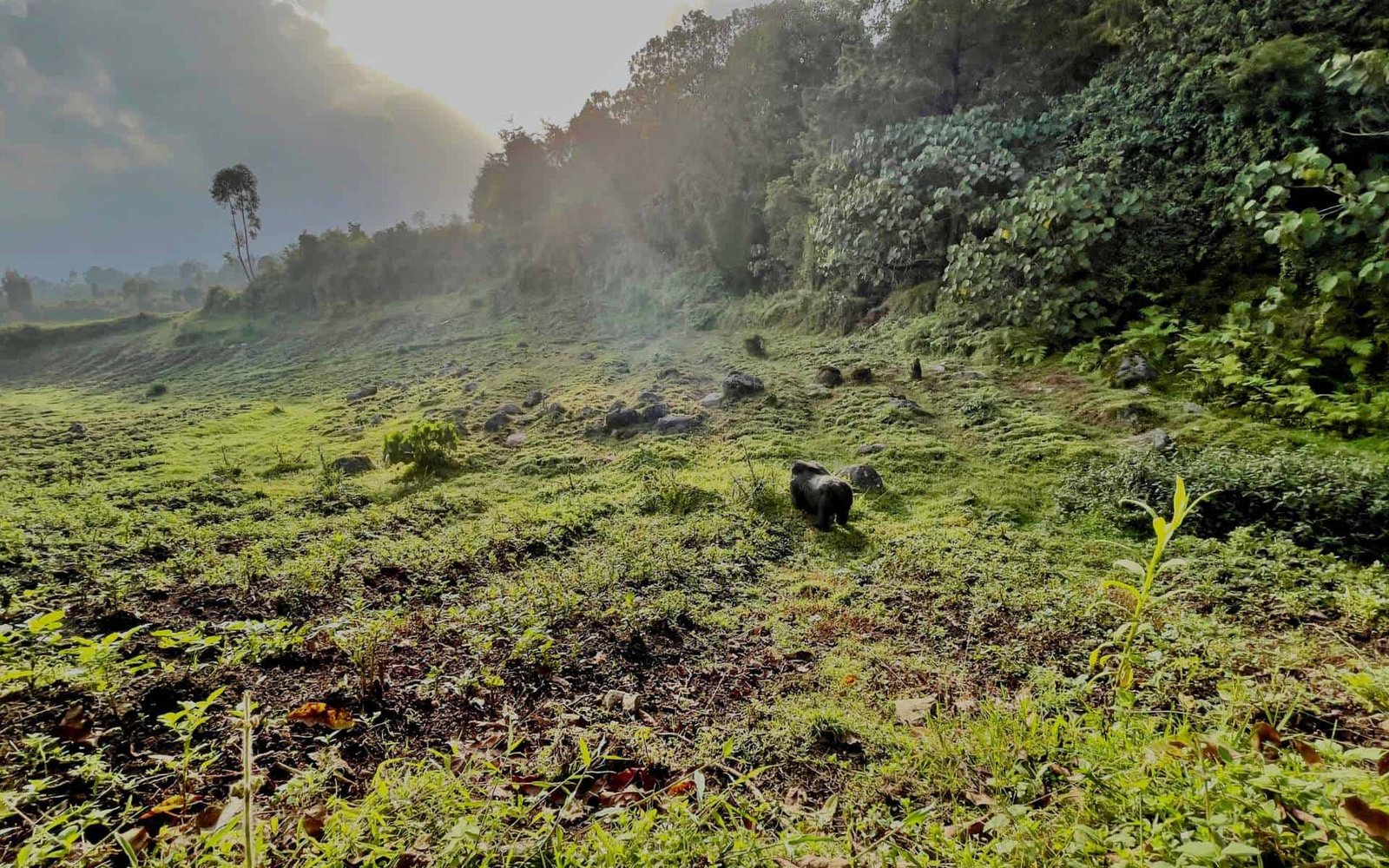
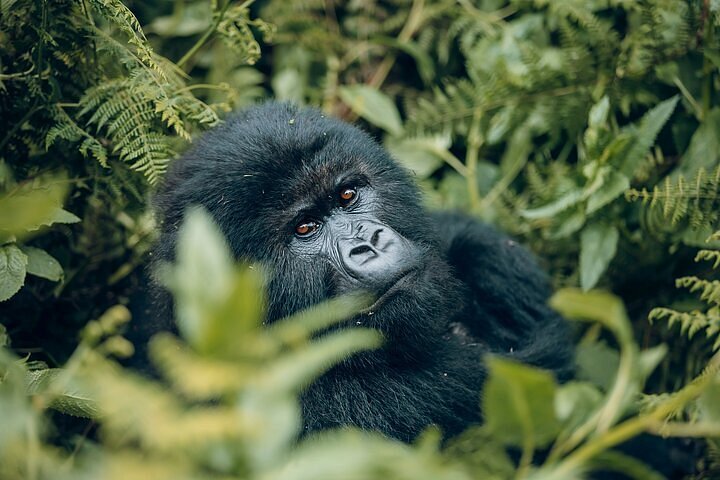
Mountain gorillas are the world’s largest living primates sharing 98 percent of the same DNA as humans are the main attraction on Volcanoes National Park, and observing them on a mountain gorilla trekking in Rwanda is the most remarkable activity to do in Volcanoes National Park.

Among the gorillas in Volcanoes National Park, there are some groups habituated for gorilla tourism and research. There is a total of 12 habituated gorilla families including

  • Amahoro Gorilla Group
  • Hirwa Gorilla Group
  • Sabyinyo Gorilla Group
  • Kwitonda Gorilla Group
  • Karisimbi Gorilla Group
  • Bwenge Gorilla Group
  • Agashya Gorilla Group
  • Susa Gorilla Group
  • Titus Gorilla Group

Wildlife in Volcanoes National Park

In addition to mountain gorillas the park is known for, Volcanoes National Park is home to other wildlife species including the endangered golden monkeys only found in the Virunga region, forest elephants, buffaloes, bush pigs, giant forest hogs, duikers, spotted hyenas, bush-bucks and several primates.

Birdlife in Volcanoes National Park

With over 200 bird species with a number of Albertine rift endemics, Volcanoes National Park is listed among the Important Birding Areas of Rwanda. Birds found this misty park include Rwenzori Turaco, handsome francolin, and various sunbirds, including the Rwenzori double-collared sunbird, Grauer’s rush warbler, Rwenzori batis, Rwenzori turaco, Rwenzori double –collared Sunbird, handsome francolin, strange weaver, dusky crimson-wing, collared Apalis, red-faced woodland warbler and Archer’s ground robin among others.

Rwanda Safari Activities in Volcanoes National Park
Volcanoes National Park
Gorilla Trekking Hike

Gorilla Trekking in Volcanoes National Park

Gorilla trekking is the highlight Rwanda Safari activity to do in Volcanoes National Park, the park is home to about 30% of the world’s mountain gorillas, making it one of the best places for encountering gorillas in the world.

With ten habituated gorilla families, only 80 gorilla permits are issued daily.

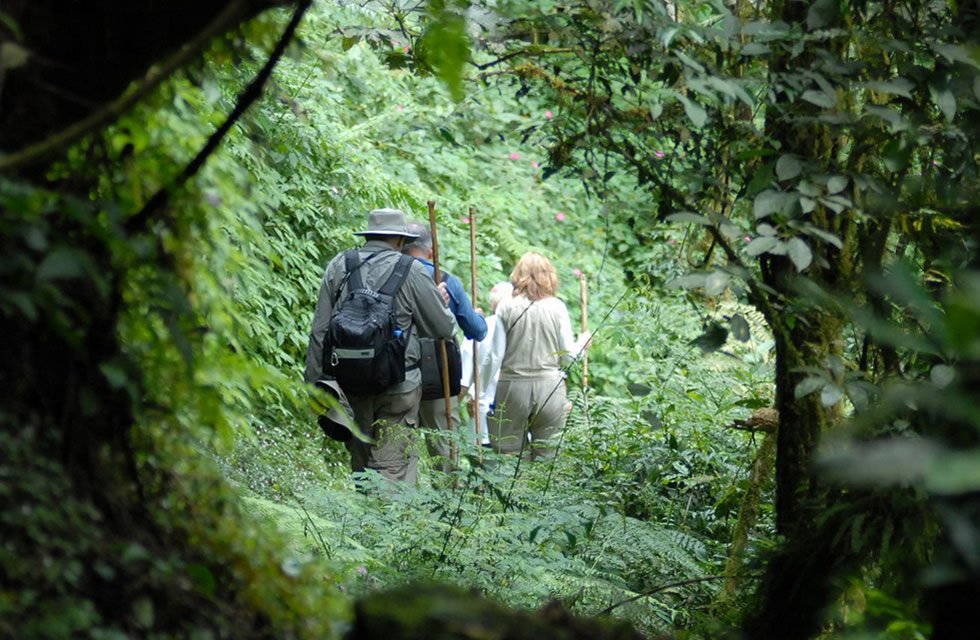
Gorilla treks in Rwanda begin early in the morning with a briefing at the par headquarters conducted by a senior ranger guide. Then visitors are divided into groups of 8 people and assigned specific gorilla families to track. The trek takes approximately 30 minutes to 4 hours or more depending on the movement of the gorillas and where they spent their previous night.

Once you locate the gorillas, you will be allowed to spend only one hour their presence, observe as they go on with their lives in the forest.

Bird watching in Volcanoes National Park

Volcanoes National Park is one of the 3 Important Birding Areas (IBA) in Rwanda with the rare Albertine Rift endemics. With our expert guide and a pair of binoculars, you will be to spot several bird species including Grauer’s rush warbler, Rwenzori batis, Rwenzori turaco, Rwenzori double –collared Sunbird, handsome francolin, strange weaver, dusky crimson-wing, collared Apalis, red-faced woodland warbler and Archer’s ground robin among others.

Golden Monkey Trekking in Volcanoes National Park

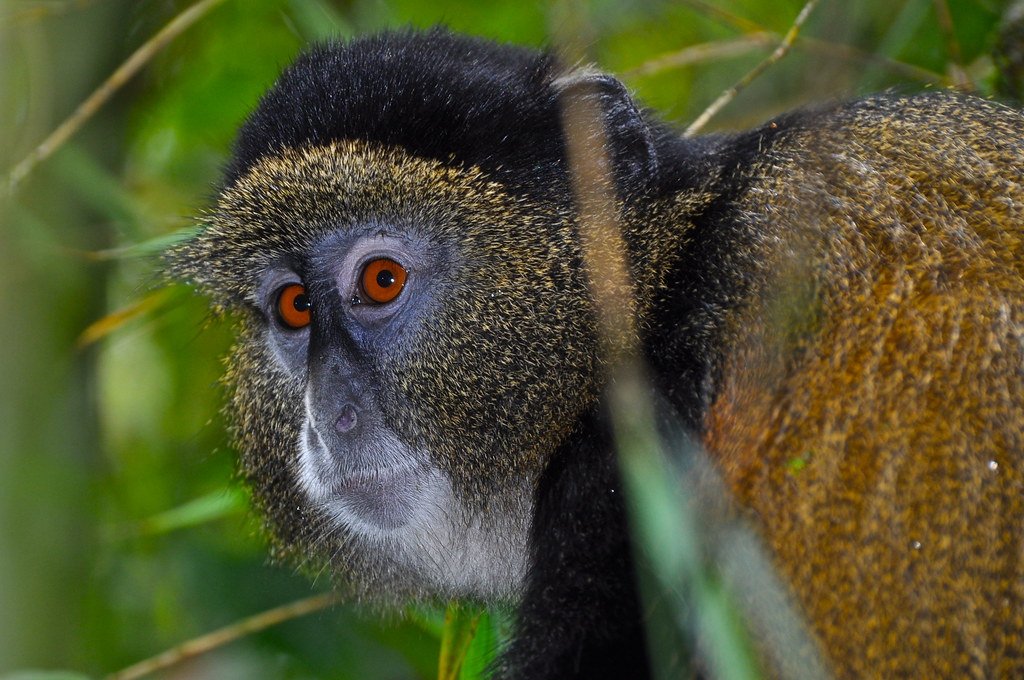
Just like gorilla trekking but less strenuous, golden monkey trekking in Volcanoes National Park involves tracking through the uneven terrain searching for golden monkeys found in the bamboo forests. The beautiful golden monkeys are known for their striking golden fur and energetic social interactions, you will be delighted to observe them as they leap and play through the bamboo forests.

Volcanoes National Park has two habituated troops of golden monkeys, with the larger troop located near Mount Sabyinyo, consisting of around 80 to 100 individuals. Primarily, these primates dwell in the bamboo forests at the base of the volcanoes, making them relatively easy to track and observe.

The trek begins early morning with briefing at the park headquarters around 7:00 am. Visitors are then divided into small groups and guided by experience park rangers. The trek takes about 30 minutes to 2 hours, depending on the location of the monkeys, as they tend to move frequently in search of food. Once located, you are allowed to spend one hou observing them as they feed, play, and swing through the trees.

Volcano Hiking in Volcanoes National Park

Volcanoes National Park is dotted with Virunga Volcanoes that can be hiked, Mount Bisoke and Mount Karisimbi.

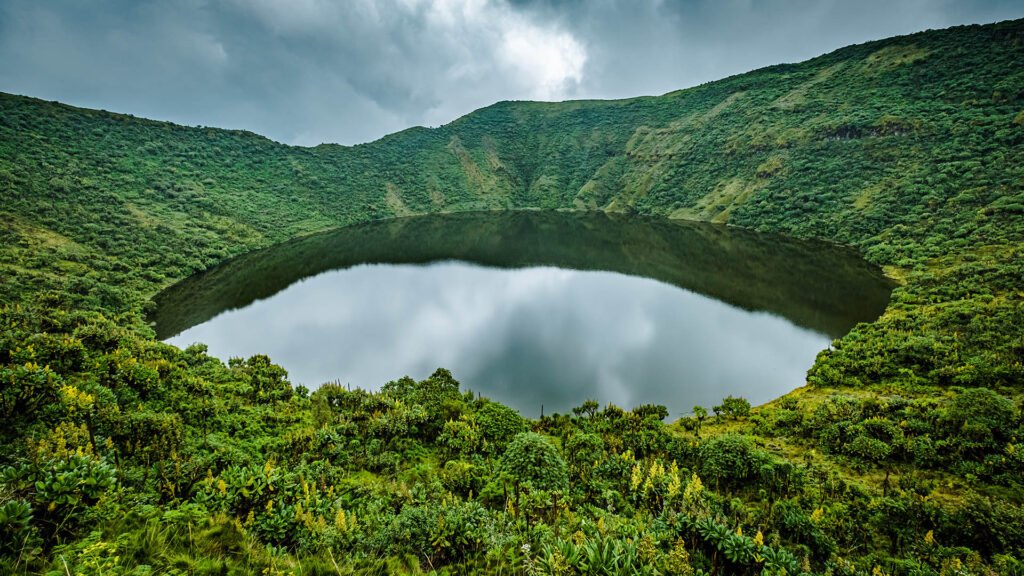
Hiking Mount Bisoke – Standing at 3,711 meters and featuring a stunning crater lake at its summit, hiking Mount Bisoke typically takes about 5 to 7 hours round trip, depending on the fitness levels of the hikers and the frequency of stops. The trail is considered moderately challenging, making it accessible to physically fit people who do not necessarily require prior hiking experience. The trek offers breathtaking views of the region’s rugged landscape, including lush forests and volcanic features.

Hiking Mount Karisimbi – Hiking Mount Karisimbi is more strenuous and is often completed over two days, requiring hikers to camp overnight at high altitude. As the highest peak in the Virunga Volcanoes Chain at 4,507 meters, this hike demands good physical fitness and endurance.

The trek to the summit of Mount Karisimbi passes through several ecosystems including bamboo forests and Afro – motane vegetation, offering hikers a chance to experience the park’s rich biodiversity. Upon reaching the summit, trekkers are rewarded with panoramic views of the other volcanoes in the range and the beautiful Twin Lakes below.

Dian Fossey Tomb Tour in Volcanoes National Park

Hiking to the Dian Fossey Tomb gives you an immersive insight into the life of Dian Fossey and gorilla conservation in the Virunga Region. Dian Fossey was a pioneer in bringing a world attention to a then declining population of mountain gorillas, and through her efforts and research, gorilla trekking is possible. Unfortunately she was murdered in 1085 and buried next to Digit her favorite gorilla friend.

From the park headquarters in Kinigi after briefing, you will drive to the starting point, then trek into the forest. The trek takes about 1-2 hours and you will have chances of sighting some forest animals like elephants, buffaloes, forest hogs and several bird species. The gorilla grave yard has about 20 gorillas buried here that were killed either by poachers or by natural causes.

 Getting to Volcanoes National Park Rwanda

Volcanoes National Park is easily accessed from Kigali, the capital city of Rwanda. The park is located 110 kilometers from Kigali, a two-hour drive away and its main entry point is in Musaze formerly Ruhengeri which is reached on a well-maintained tarmac roads from both Kigali and Gisenyi.

Best Time to visit Volcanoes National Park

The best time to visit Volcanoes National Park on your Rwanda Safari largely depends on the activities you wish to engage in particularly gorilla trekking and golden monkey trekking. The ideal trekking months are during the dry seasons, running from June to mid-September and December to February. These periods receive less rain, thus the trails are less muddy and easier to navigate.

While the dry season is preferred by visitors for gorilla trekking, the wet season is also a great time to visit Volcanoes National Park. It is an excellent time for bird watching, also the gorillas may stay at lower elevations in search of food, making them easier to track despite the challenging trails conditions.
Volcanoes National Park
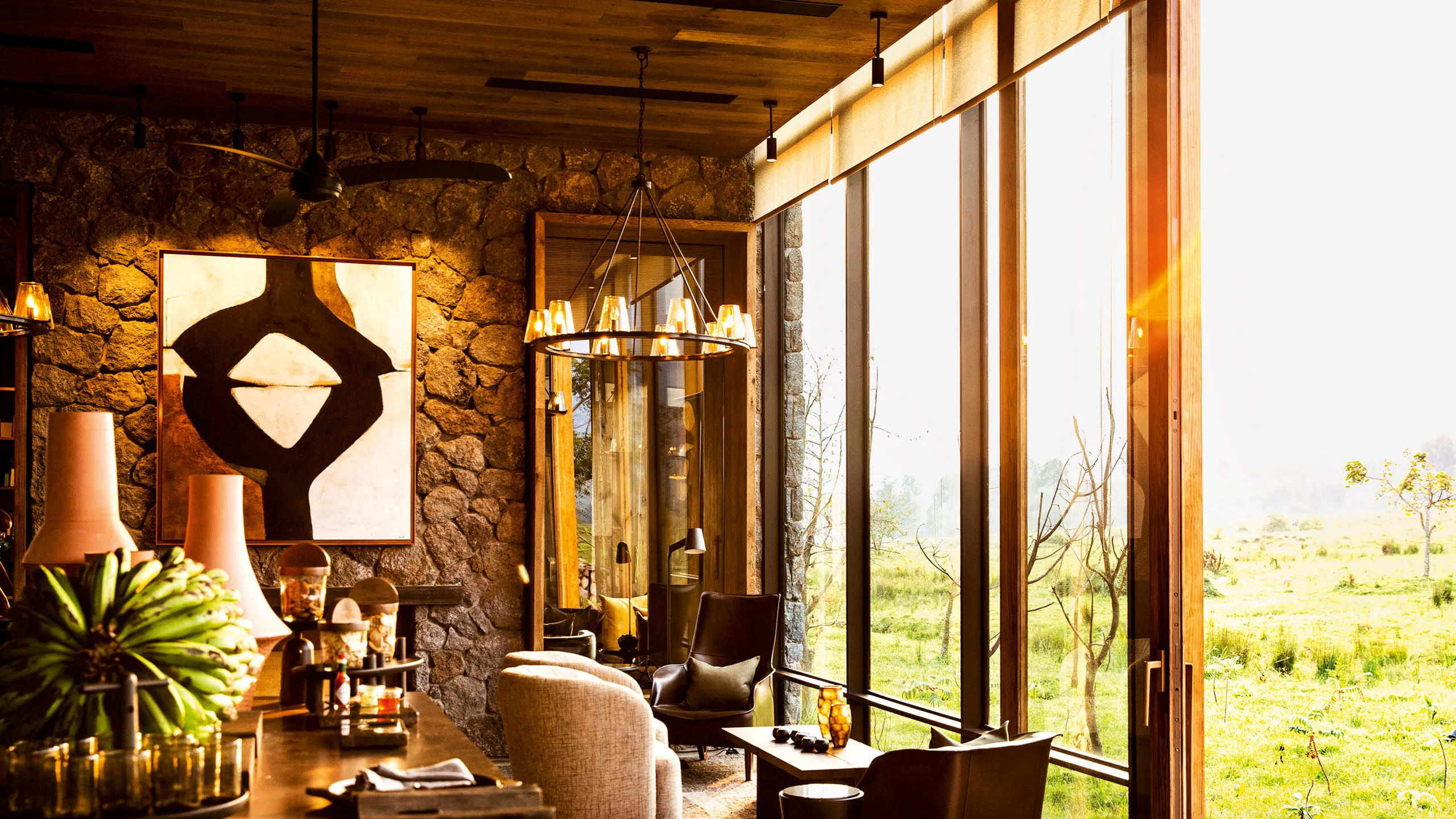
Singita Kwitonda Lodge – Rwanda


Where to stay in Volcanoes National Park

There are several accommodation options in Volcanoes National Park situated near the park’s boundaries, these range from luxury, mid-range and budget accommodations. These include

  • Bisate Lodge
  • Singita Kwitonda Lodge
  • Virunga lodge
  • Sabyinyo silverback lodge
  • One & Only Gorilla Nest
  • Ingagi Park View Lodge
  • Five Volcanoes Boutique Hotel
  • Tiloreza Volcanoes Eco Lodge
  • Le bambou gorilla lodge
  • Garden place hotel


Rwenzori Mountains National Park

Rwenzori Mountains National Park

Rwenzori Mountains National Park
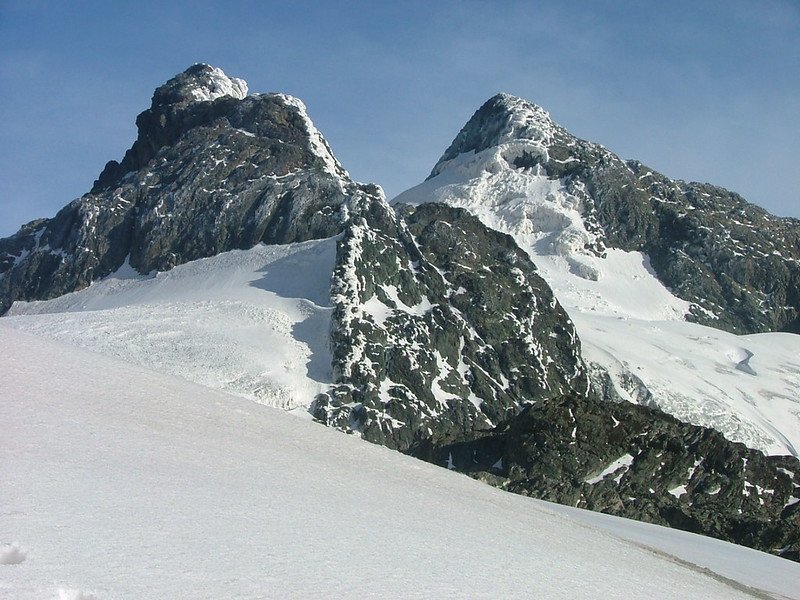
Margherita Summit

The Rwenzori Mountains are one of the most exciting and challenging mountain ranges to trek in the world, this mountain range is protected by Rwenzori Mountains National Park lies in the South western corner of Uganda long the border with Democratic Republic of Congo next to the Great Virunga National Park. The park covers an area of 386 square miles and its boundaries pass through the districts of Kabarole, Bundibugyo and Kasese.

Because of its natural beauty, rare plants, lakes, river, waterfalls, hot springs, glaciers and mountains, Rwenzori Mountains National Park was declared a UNESCO World Heritage site in 1994. The park covers an area of 996 square kilometres of vegetation, lakes, rocky outcrops, cliffs, high glaciers and snow-capped peaks creating a unique and mystical world waiting to be explored.

The height of the peaks may not match taller mountains elsewhere in the world, the highest point – Mount Stanley’s Margherita Peak is 5,109 meters, although this is still the 4th highest peak in Africa. The range receives less numbers of visitors do to its remote location, fluctuating weather conditions, startlingly diverse vegetation, remoteness, viewpoints which all make the adventurous trekking a very special experience.

Rwenzori Mountains

Named “Mountains of the Moon” by the Alexandrine geographer Ptolemy in AD 150, the Rwenzori Mountains range is the main attraction in Rwenzori Mountains National Park. The range consists of six distinct mountains, Stanley, Speke, Baker, Emin, Gessi and Savioa. Mt Stanley’s 5109m Margherita Peak is the third highest point in Africa.

The explorer Henry Stanley placed the Rwenzori on the modern map on the 24th May 188. He labelled it “Ruwenzori”, a local name that he recorded as meaning “rain maker” or “cloud-king”. The oldest person to reach the Margherita Peak was Ms Beryl Park, aged 78. Back in AD150, the geographer Ptolemy wrote of a snow-capped mountain range in Africa, which he claimed represented the source of the Nile and which he named Montes Lunae – the mountains of the moon.

Mountains Rwenzori National Park
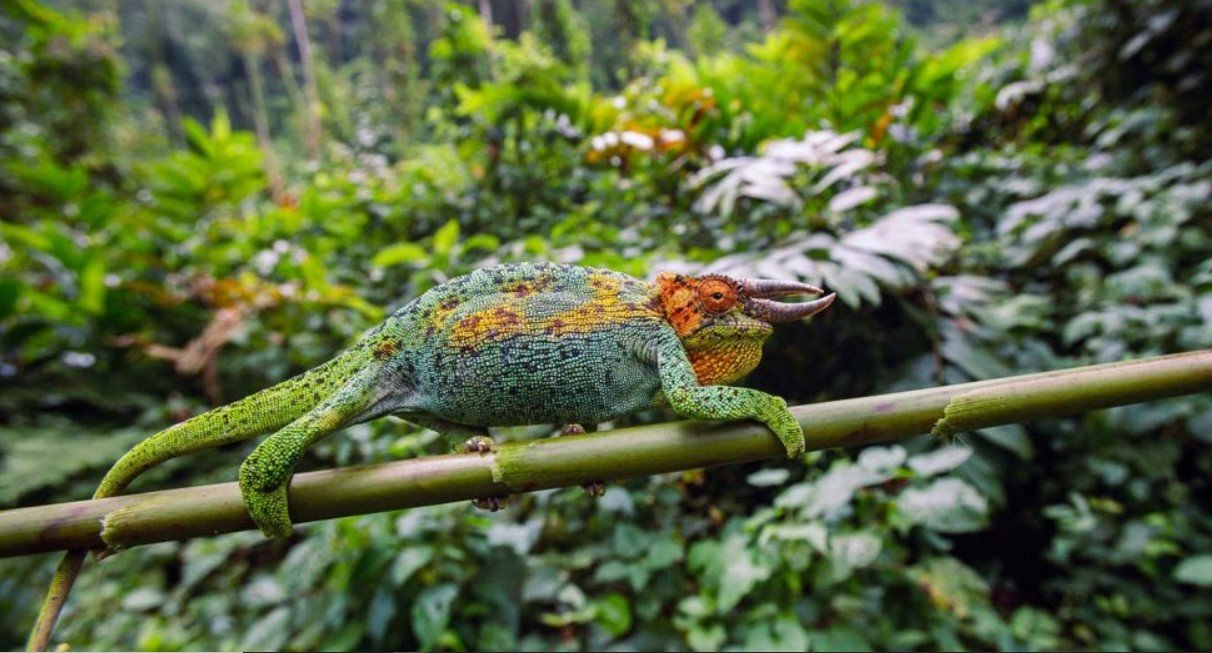
Rwenzori three-horned chameleon.

Wildlife in Rwenzori Mountains National Park

Rwenzori Mountains National Park is home 18 mammal species, 217 bird species, 9 species of reptiles and 6 species of amphibians. Large mammals in the park include elephant, buffalo, giant forest hog, bushbuck, chimpanzee and leopards and present in the forest zone, but they are rarely seen. Though elephant droppings and footprints are frequently found and chimpanzees heard while blue monkeys and the endemic Rwenzori colobus may be sighted.

Birdlife in Rwenzori Mountains National Park

Rwenzori is home to 217 recorded bird species, most of which live in the forest zone close to the park boundary. Species of interest include the Ruwezori turaco, Rwenzori batis, Rwenzori double collared sunbird, handsome francolin, strange weaver, Rwenzori nightjar, Archer’s robin-chat and red-throated alethe among others.

Vegetation on Rwenzori Mountains

The Rwenzori Mountains is also known for its vegetation. Standing over 5000m high, this is the prime habitat for the botanical big game peculiar to East Africa’s highest mountains. The lowest o these zones, between the park boundary and the 2500m contour, is montane forest. This gives way to the bamboo (2,500-3,000m) followed by groves of Rapanea and giant heathers garlanded with lianas, epiphytes and lichens, and encased in garishly coloured mosses (3000- 4000m). Above 4000m, the mountainside opens out into moorland dotted with the emblematic – and in some cases endemic – species of giant lobelia and groundsel for which the Rwenzori is famous.

Local People

The Bakonzo people thrives on the slopes of the Rwenzori Mountains and the mountain is centre of their culture and cosmology. The peaks are the home of their principal god, Kitasamba, whose name may not be spoken on the mountain. Eighteen sacred Konzo sites on the mountain have been identified, mapped and protected as worship areas.

Rwenzori Mountains National Park
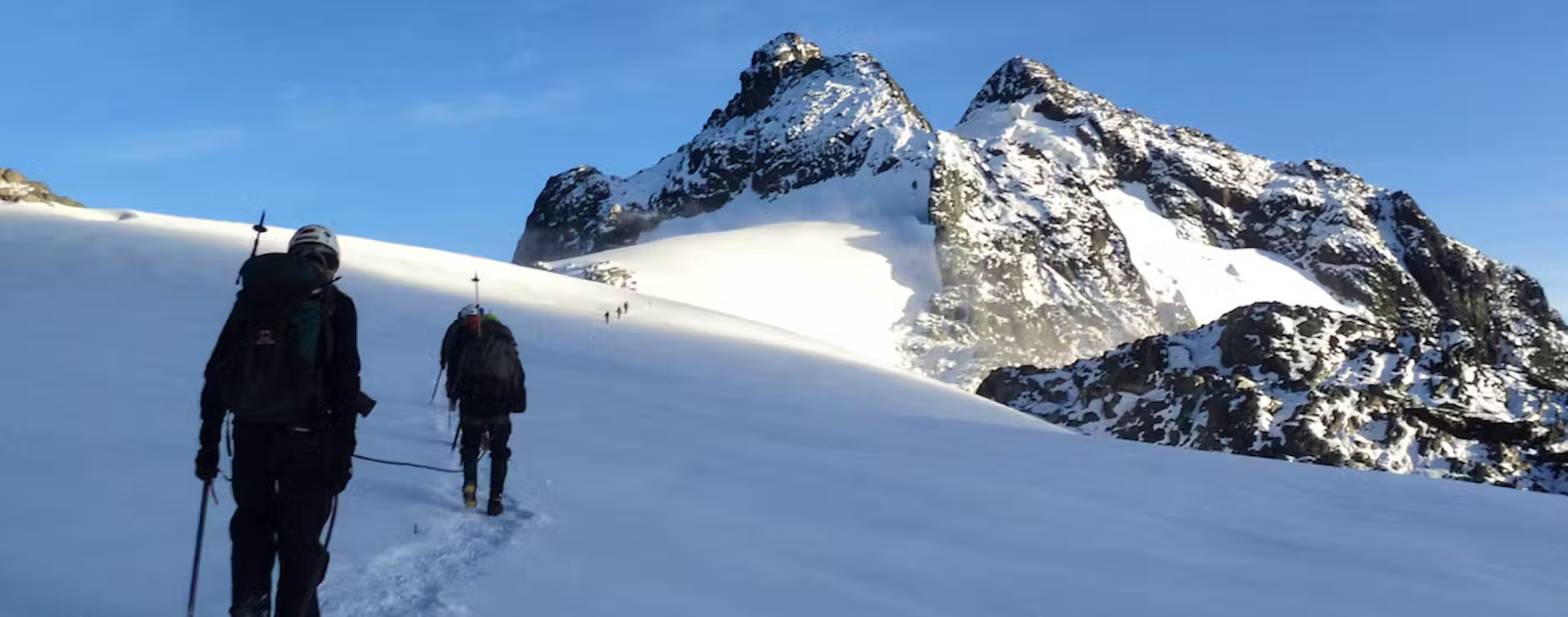
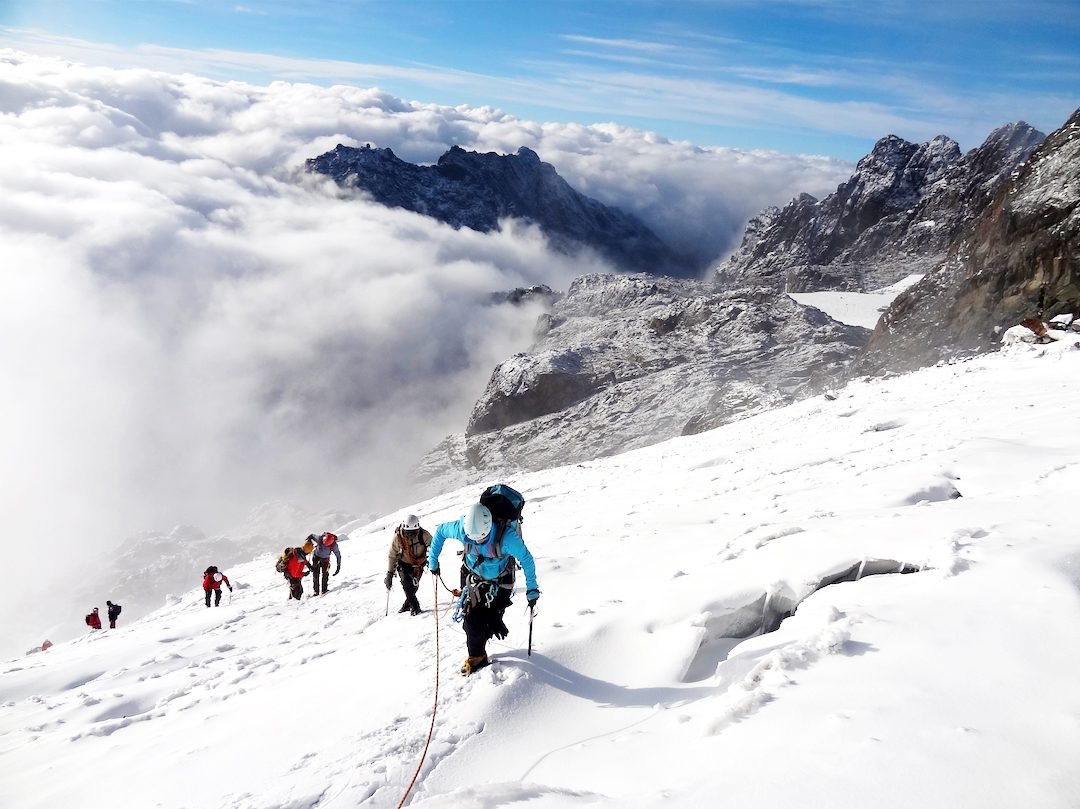
Climbing Margherita Glaciers

Activities to do in Rwenzori Mountains National Park

Climbing the Rwenzori Mountains

There are three routes to ascend onto the high Rwenzori that is the Kilembe Trail of nine-dy expedition to summit Mount Stanley, operated by Rwenzori Trekking Services, a six day option to the more accessible, but equally scenic, Mt. Luigi Da Savoia. The Nyakalengija based Rwenzori Mountaineering Services runs the Central Circuit which reaches and return from Mount Stanley in seven days.

The Bukurungu Trail ascends from Kitumba to Mount Gessi.

Peak Climbing – Climbing the highest peaks on the six mountains that form the high Rwenzori can all be climbed. The most popular is the 5.109m Margherita, the highest point on Mount Stanley and the roof of the Rwenzori.

Be aware that summiting on Stanley, Speke and Baker is a physically demanding activity frequently in bad weather, and for which specialist equipment and technical experience is required. An ascent of Mount Stanley requires a minimum of Seven Days on the mountain.

Hiking

The real appeal of the Rwenzori lies arguably, not in the joy of reaching the top, but in the opportunity to hike through superb mountain scenery enlivened by equatorial snow and outlandish vegetation. With this in mind, shorter hikes to lesser peaks are becoming increasingly popular.

A popular trail is on the Kilembe Trail, a 4627m. Mt. Luigi da Savoia which offers afroalpine vegetation, patches of equatorial snow and, weather permiting, grandstand views towards Mount Stanley, the summit of which lies three days distant.

Nyakalengija Traihead offers a two day hike to the scenic Lake Mahoma in the bamboo forest. The Kazingo Trail enables a day-long traverse of the north Rwenzori ridge between the Fort Portal Plateau and Bundibugyo town in the Semiliki Valley on the west side of the mountain.

Birding

Rwenzori Mountains National Park is ranked among the best birding destinations in the world, the park is home to over 217 bird species which are sighted during the birding experience. Some of the birds to lookout for include the African Long-eared Owl, Archers’ Robin-chat, Barbets, Barred Long-tailed Cuckoo, Blue-headed Sunbird, Cinnamon-chested Bee-eater, Collared Apalises, Crimson wings, Dusky and Shelley’s Crimsonwings, Dwarf Honeyguide, Evergreen Forest and Bamboo Warblers, Flycatchers, Golden-winged sunbirds, Scarlet-tufted Malachite Sunbirds, Golden-winged Sunbird and Grauer’s Cuckoo-shrike among others.

Cultural Encounters

Cultural encounters in Rwenzori Mountains National Park offers cultural experiences with one of the local tribes living at the foot of mountains. Tourists can visit the village of Ruboni to learn about the daily lifestyle, culture and history of the Bakonzo tribe. These people arrange cultural dance performances while sharing information about their history.

The Bulemba Ihandio Cultural Trail is an interesting cultural experience, the trail gives more exposure to the intriguing culture of the Bakonzo, visit a traditional healer and local blacksmiths. Learn how to make fire locally and weave baskets and also visit the Bakonzo traditional museum. The Museum has a collection of traditional items of cultural and historical importance to the Bakonzo including art pieces and locally made dresses.

Rwenzori Hiking
Nature Walks

Nature Walks can be arranged near the boundaries of the park, these excursions normally follow the central circuit zone used for mountain climbing. The area around the starting point for mountain hiking is forested and with beautiful scenery and leads up to the Lake Mahooma and the chimpanzee forest of Buraro.

Getting There

One can get to Rwenzori Mountains National Park by road and air transport.

By Road – From Kampala, the road journey is approximately 6-8 hours via Fort Portal.

By Air – There are daily charter and domestic flights from Entebbe International Airport to Kasese Airstrip, the flight is just over an hour and connect to the park by road.

Accommodation in Rwenzori Mountains National Park

There are several accommodation establishments in Rwenzori Mountains National Park, the available options include

  • Hotel Margherita
  • Rwenzori International Hotel
  • Katara Lodge
  • Equator Snow Lodge
  • Tropical Savannah Guest House
  • Tours Holiday Inn
  • Rubini Community Camp
  • Mihunga Safari Lodge
  • Rwenzori Turaco View Campsite
  • Ihamba Lakeside Safari Lodge
Best time to visit Rwenzori Mountains National Park

It is possible to trek the Rwenzori Mountains all year round. At all times of the year you should be prepared for a combination of sun, rain, mud, fog, ice and snow. However, the period from late June to early September and late December to the end of February does tend to have lower rainfall, which means visitor numbers do peak during this time.

Always remember that the wetter months mean more rain lower down the slopes, but more snow at higher altitude, enhancing the already mystical experience of trekking in the Rwenzoris.

Akagera National Park

Akagera National Park 

Akagera National Park
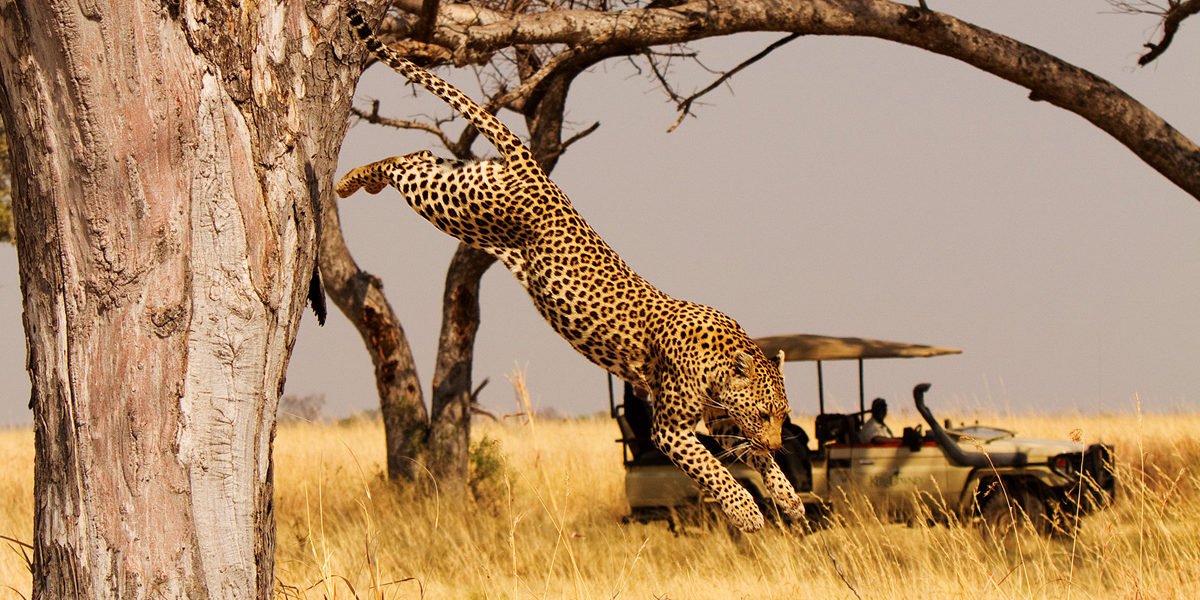
Leopard in Akagera National Park

Akagera National Park is the only savannah national park in Rwanda found in the northeastern region along the border of Rwanda with Tanzania, it spans an area of 2500 square kilometers characterized by its diverse landscapes, including savannah, montane forests and extensive wetlands.

The park is named after Kagera River that flows along the eastern boundary of Rwanda with Tanzania, this river feeds into Lake Ihema and other small lakes in and around the park.  Over a third of the park is covered by lakes and papyrus swamps, making it the largest protected wetland in Eastern- Central Africa.

Akagera was established in 1934 by the Belgian colonial government purposely to protect the wildlife in the region amidst the increasing threats. Historically, Akagera National Park was home to a rich variety of wildlife including the “Big Five”; lions, leopards, elephants, rhinoceroses and buffaloes. However, the park has faced significant challenges over the decades due to poaching and habitat loss. By the late 20th Century, most of the many species had drastically declined or disappeared. For instance, African wild dogs were last seen in 1984 following a disease outbreak, while black rhinos were last sighted in 2007 due to severe poaching pressures,

In the recent years, conservation efforts have led to the reintroduction of lions and black rhinos in the park, restoring its status as a vital wildlife refuge. Today, Akagera offers a wide range of activities to visits on a Rwanda Wildlife Safari, including game drives, boat safaris on Lake Ihema, bird watching and night game drives to observe nocturnal wildlife. The management of Akagera has focused on enhancing security measures and promoting sustainable tourism to support conservation efforts. This includes partnerships with organisations like African Parks to improve infrastructure and increase visitor numbers. The ongoing efforts aim not only to protect the park’s biodiversity but also to ensure that it becomes economically self-sustaining through tourism revenue.

Still, Akagera National Park is relatively off-the-beaten-track destination.

Akagera National Park
Wildlife in Akagera National Park

Wildlife in Akagera National Park

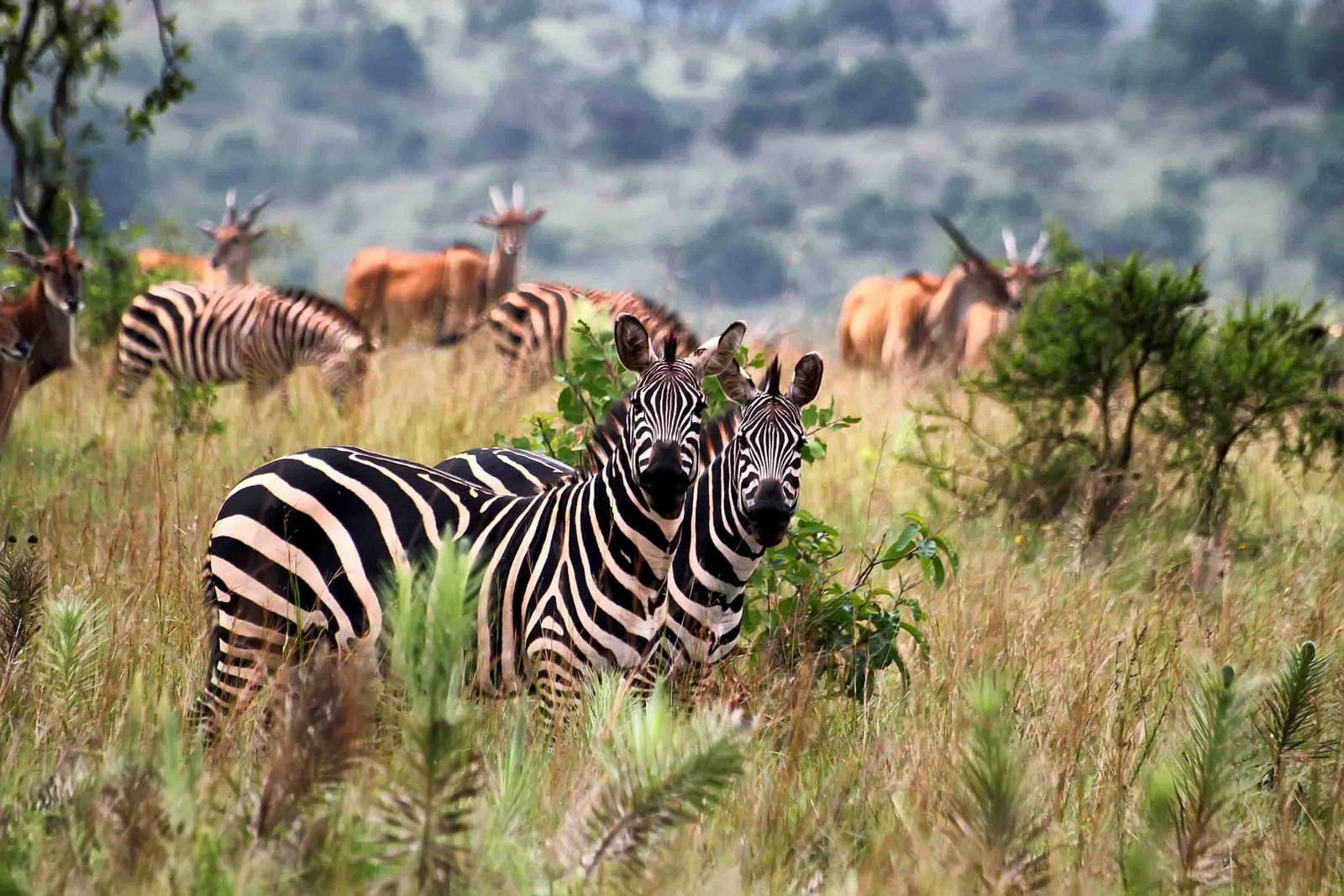
Akagera National Park is home to a variety of wildlife including the big five; lion, cape buffaloes, elephants, rhinos and leopards. “Akagera is the only place in Rwanda where you can see the iconic Big Five”. There are also various antelope species such as bushbucks and topis, and several primate species like olive baboons and vervet monkeys.

Akagera boasts 11 antelope species including waterbucks, topis, roan antelopes, Sitatunga (semi-aquatic), klipspringers, bushbucks, elands and impala being the most common.

Birdlife in Akagera National Park

Akagera National Park is a birder’s paradise boasting over 520 bird species including the remarkable pre-historic shoebill, papyrus gonolek, African Wattled Plover, Giant Kingfisher, Senegal Lapwings. Squacco Herons, Grey Crowned Crane, African Darter, Long-toed and Water Thick-knee.

Other bird species found in Akagera National Park include fish eagles, Cattle Egret, Hamerkop, Sacred and Hadada Ibis, Augur Buzzard, Long-crested Eagle, Pied Crow, Black-headed and Viellot’s Black Weavers, Grey-backed Fiscals, Fan-tailed Widowbird and Caruther’s Cisticola among others.

Akagera National Park
Safari Activities in Akagera National Park

Rwanda Safari Activities in Akagera National Park

Game Drives

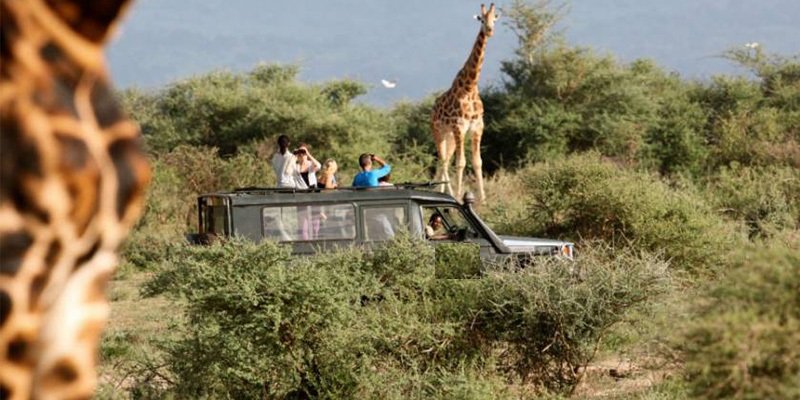
Game viewing safaris are the main Rwanda safari experience to do in Akagera National Park done in custom-built safari vehicles in search of wildlife. Game drives in Akagera are offered as morning game drive running from 6:30 Am to 11:30 am, afternoon game drive from 12:00 pm to 5:00pm and night game drive from 5:30 pm to 8:30 pm.

During game drives in Akagera expect to see a variety of wildlife species including African elephants, buffaloes, lions, leopards, black rhinos, giraffes, zebras, and various antelope species like impalas and tops, hippos and crocodiles among others.

Best times for game drives in Akagera are early morning and late afternoon when temperatures are cooler, and animals are more active. During these periods of the day, visitors have a higher chance of witnessing hunting behaviors and other natural activities.

Bird watching

With over 520 bird species recorded, Akagera National Park is a haven for birds, offering opportunities to see both residential and migratory bird species. Bird watching is done in company of a knowledgeable guides who can help identify species and provide insights into their behaviors and habitats.

Birds in Akagera are a mix of water birds found near lakes and wet lands, savannah species and forest birds. Notable bird species you will see on your Rwanda birding safari in Akagera National Park include Amur falcon, Beaudouin’s snake eagle, Black-crowned night heron, Blue-headed coucal, Blue-shouldered robin-chat, Blue-spotted wood dove, Marsh tchagra, Martial eagle, Moustached grass-warbler, Northern brown-throated weaver, Papyrus gonolek, Pennant-winged nightjar, Red-faced barbet, Red-winged francolin, Ring-necked francolin, Ross’s turaco, Ruaha chat, Rufous-bellied heron, Semi-collared flycatcher, Shelley’s francolin, Shoebill, Short-tailed pipit, Slate-coloured boubou, Slender-billed weaver, Sooty falcon, Souza’s shrike, Striped pipit, Tabora cisticola, Western reef heron, White-winged swamp warbler, Yellow-bellied eremomela and Yellow-throated leaf-love among others

Boat Safari on Lake Ihema

Boat safaris in Akagera National Park are done on Lake Ihema, the largest lake in the park. This scenic lake is surrounded by lush vegetation and is home to a variety of wildlife, making for an ideal setting for exploration.

Akagera boat trip offers a unique perspective on wildlife, allowing visitors to observe crocodiles, hippos and numerous water bird species up close. Also the boat ride offers stunning views of the surrounding landscapes, including lush papyrus swamps, forested shorelines and open waters teeming with life.

Boat safaris on Lake Ihema are typically four scheduled trips each day that is Morning: 7:30 AM – 8:30 AM, Late Morning: 9:00 AM – 10:00 AM, Afternoon: 3:00 PM – 4:00 PM and Sunset Cruise: 4:30 PM – 6:00 PM.  Each boat ride lasts about one hour.

Sport Fishing

Sport fishing in Akagera is done on Lake Shakani, offering a unique and engaging experience for visitors combing the thrill of fishing with the opportunity to learn about local fishing methods and enjoy Akagera’s natural beauty.

Lake Shakani is the only destination in Rwanda designed for sport fishing. The lake is known for its gentle slopes, making it accessible for fishing while providing a scenic backdrop of the surrounding landscapes.

Common fish species targeted during sport fishing in Akagera include tilapia and catfish, which are abundant in Lake Shakani providing ample opportunities for successful catches.  On this experience visitors can engage in various fishing methods including gill net method, cast net method, spearing and shooting and Lampara method.

Best Time to Visit Akagera National Park

Akagera National Park is a year round destination, however the best time to visit Akagera for game viewing is the dry season running from June to Early September and December to February. These periods offer the best wildlife viewing conditions due to thinner vegetation and animals congregate around water sources.

How to Get to Akagera National Park

Akagera National Park is very accessible from Kigali, the capital of Rwanda and can be accessed either by road or air.

By Road: Driving from Kigali City is a drive of 2to 3 hours, approximately 110 kilometers on a well-maintained tarmac road for most of the journey, transitioning to a 28-kilometer dirt road leading directly to the park headquarters.

By Air: There are charter flights available from Kigali International Airport to Akagera, the flights are provided by Akagera Aviation and can significantly reduce travel time, offering a scenic aerial view of Rwanda’s scenic landscape.

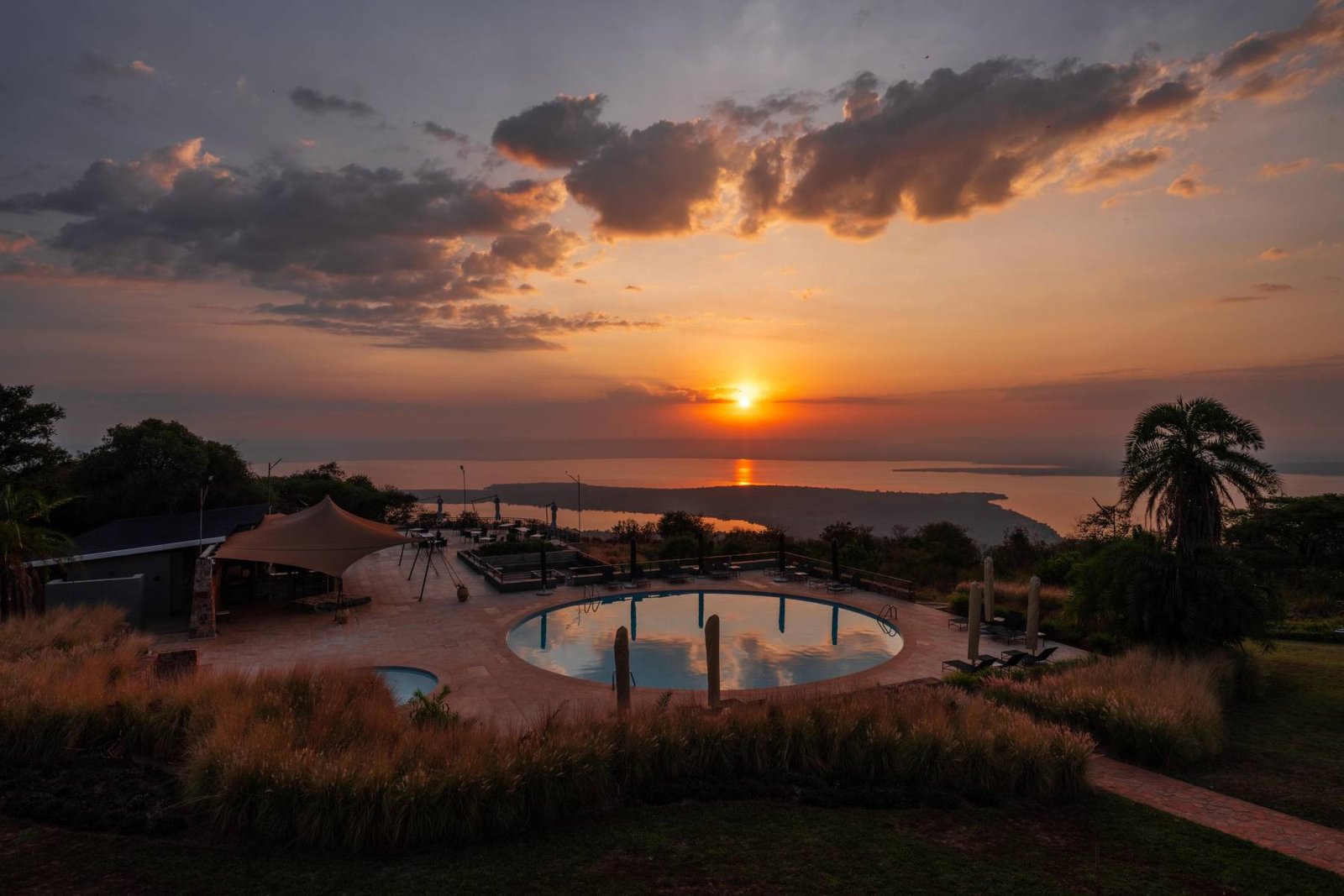
Akagera Game Lodge by Mantis
Where to Stay in Akagera National Park

Akagera National Park offers a range of accommodation options ranging from budget, midrange to luxury including

  • Ruzizi Tented Lodge
  • Magashi Camp
  • Mantis Akagera Game Lodge
  • Karenge Bush Camp
  • Akagera Game Lodge
  • Akagera Transit Lodge


Rwanda Gorilla Permits

Rwanda Gorilla Permits

Rwanda Gorilla Permits
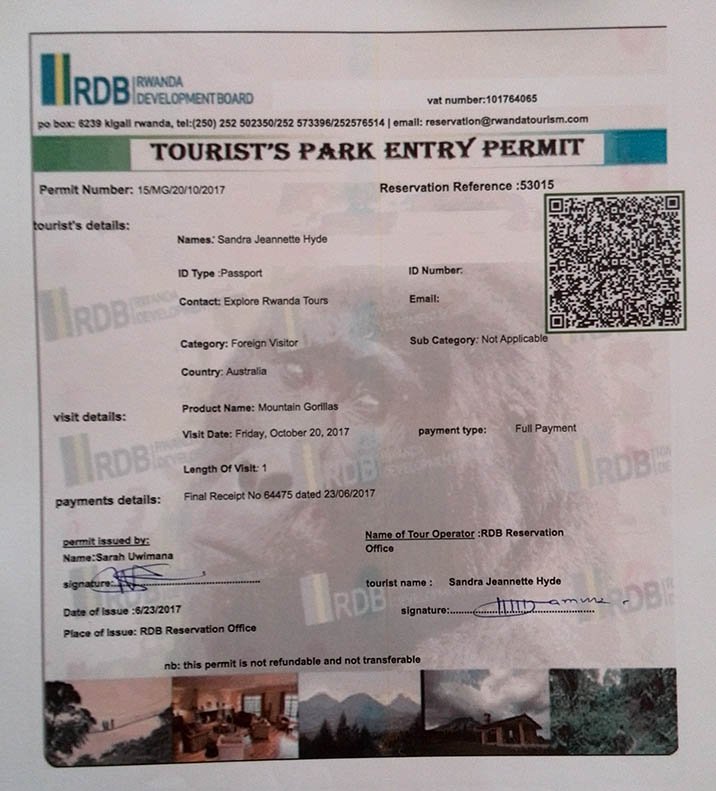
Gorilla permit issued by RDB

To take part in the incredible gorilla trekking in Volcanoes National Park, you need to obtain a gorilla permit. With this permit, you are allowed to track one of the 12 habituated gorilla families in Volcanoes National Park.

Volcanoes National Park is the only gorilla habitat in Rwanda and one of the only 4 gorilla habitats in the world, renowned for offering the most accessible gorilla trekking experience. The park is part is part of the Virunga Volcanoes which are shared between Uganda, Rwanda and DR.Congo.

Mountain gorillas are the prime attraction in Volcanoes National Park, these gentle giants can be trekked year round.

Rwanda Gorilla Permits Availability

Gorilla permits in Rwanda are issued by the Rwanda Development Board (RDB) and one can obtain one through a local tour operator, or book it directly on the official website of RDB.

Note: Gorilla permits are one high demand yet a limited number is issued on a daily basis. Only 8 gorilla permits are issued per gorilla family totaling to only 80 permits per day. So it is advisable to book your permit about 6 months in advance to your gorilla trekking dates. For convenience, book your permit and Rwanda gorilla trip through a trusted local tour operator.

Rwanda Gorilla Permits Price.

Rwanda gorilla permit costs US$ 1500 to all international tourists irrespective of the season and nationality. Discounts are only offered to foreign residents, Rwanda nationals and East Africa citizens.

The table shows the Rwanda Gorilla Permits Price

Visitor Category Adult Child/Student
Foreign/International Tourists US$ 1500 N/A
Foreign Residents in Rwanda US$ 500 US$ 500
Rwanda Citizens US$ 200 US$ 200
East African Citizen US$ 200 US$ 200
African Citizens/Foreign Residents in Africa US$ 500 US$ 500


Information to Note
  • To qualify for Rwandan / East African Foreign Resident status, visitors need to have four consecutive months’ residency status/work permit in their passports or diplomatic card.
  • East African Residents must present EAC ID cards or passports
  • Diplomats with residency visa can be allowed to use the applicable resident fee for his spouse and legally accepted children even if they (spouse and children) do not have resident visas
  • Reporting time to the park headquarters in Kinigi for all gorilla trekking is 0700hrs. R

Rwanda Gorilla Permit Price Inclusions and Exclusions

Prices listed above for gorilla permits include entrance/access to Volcanoes National Park to track gorillas, one of observing the gorillas, services of a park guide and gorilla trekking security by armed rangers.

The Rwanda Gorilla Permit fees excludes the visitor’s transportation to the park, accommodation, transport to the trek starting point away from the park headquarters, hiring porters, trekking gear and meals. Also, park fees are independent of costs for the other park activities like birding, volcano hiking, Dian Fossey Grave Tour among others.

Rwanda Gorilla Permits Discounts

Unfortunately, there are no discounted gorilla permits in Rwanda for international/foreign tourists. The permit price to them remains $ 1500 irrespective of their nationality, age and time of the year you are visiting.

Permit fees discounts are given to Rwandan citizens, East Africa citizens, Foreign Residents in Rwanda and East Africa Community countries.

Rwanda Gorilla Permit Refunds
  • Full refund for Rwanda Gorilla Permit fees is granted if visitors fail to track the gorillas the whole day as a result of the gorilla groups’ movement. However, this not seeing gorillas in Volcanoes National Park is rare.
  • In the same situation as above, visitors are always given a second chance
  • In case of late arrivals or flight delays, absence or cancellation of the trip for one reason or another, no refunds are made.
Booking for a Rwanda Gorilla Permits

Booking gorilla permits in Rwanda should ideally be done through a trusted local tour operator for convenience and expert advice.

Please note that booking can also be done directly with Rwanda Development Board. Visitors are only required to send a copy of the passport biodata page and the $ 1,500 permit fee if processing with a tour operator. Through Rwanda Development Board, the visitor has to fill forms, upload the passport and pay the applicable fee.

To avoid any erroneous applications that might even lead to denial of entry to the park great care has to be exercised.

 Peak Season and When to book

In Rwanda, peak tourism seasons are June to August and around Christmas and New Year. If you plan to go gorilla trekking in Rwanda during the peak season or if you are in a large group, you should book your gorilla permits as well as your Rwanda gorilla safari six months or more in advance. The earlier you book the more choice you have on where you stay and a chance to trek the gorillas.

Last – minute bookings may be possible during low season or with smaller groups. Visiting in the rainy season/low season, there is more choice in permit and accommodation availability, it also allows for a more intimate tracking experience.

Volcanoes National Park Fees

Volcanoes National Park Fees

Volcanoes National Park Fees
Volcanoes National Park

Situated in the far northwest of Rwanda, Volcanoes National Park is a remarkable safari destination in Rwanda as well as Africa renowned for its primate adventures including gorilla trekking and gorilla habituation experience.

The only way to gain access to Volcanoes National Park as a visitor is by presenting proof of payment (permit) for at least one of the park activities. There are no separate entrance fees at the park gate.

Volcanoes National Park Rwanda Fees and Activity Fees

Gorilla trekking in Rwanda is a remarkable and unique wildlife experience offering visitors a chance to watch mountain gorillas in their natural habitat, to take part in this incredible encounter with the gentle giants you have to obtain a gorilla trekking.

Volcanoes National Park Fees
Gorilla Trekking in Volcanoes National Park

Cost of a Gorilla Permit in Rwanda

Category Fees
International Tourists US$ 1500
Foreign Residents US$ 500
Rwanda Citizens US$ 200
East Africa Citizens US$ 200


Note:

International Tours – Refers to individuals not residing and working in Rwanda

Foreign Residents – Refers to international individuals residing or working in Rwanda with legal documentations.

Rwanda Citizens – Individuals in possession of Rwanda National Identity

East Africa Citizens – Refers to citizens of Tanzania, Kenya and Uganda.

Due to high demand, gorilla permits in Rwanda should be booked in advance, remember only a total of 80 permits per day are issued and for each of the 10 gorilla families in Volcanoes National Park, a maximum of 8 per day are allowed to visit.

Golden Monkey Trekking Permits

Just like gorilla trekking, golden monkey trekking is only offered in Volcanoes National Park and you need to obtain a permit to meet these playful primates.

Below are the permit fees

Category Adult Child/Student
International Tourists US$ 100
Foreign Residents US$ 65 US$ 45
Rwanda Citizens RWF 4000 RWF 2000
East Africa Foreign Residents US$ 80 US$ 45
East Africa Citizens US$ 65 US$ 45
Volcanoes National Park Fees
Crater Lake on Mount Bisoke

Hiking Mount Bisoke

Hiking Mount Bisoke is one of the thrilling experience to do in Rwanda, the trek is doable to any moderately fit person and take 6 hours to ascend and descend its slopes. Mount Bisoke is one of the beautiful volcanoes in the Virunga Volcanoes Chain with a beautiful crater lake at its summit.

Visitors who can hardly dare its summit but would want a mountain hiking experience are advised to take a shorter trek to see Lake Ngezi located mid-way to its summit. The hiking permit fees are as below.

Category Fees
International Tourists US$ 75
Foreign Residents US$ 60
Rwanda Citizens RWF 4000
East Africa Foreign Residents US$ 65
East Africa Citizens US$ 55


Mount Gahinga Hike

Hiking Mount Gahinga is a 10km trek (ascent and descent), this trek is the shortest and easiest of all.

The Gahinga Volcano trek starts from Gatabi parking and takes 5-6 hours round trip. The possibility of encountering other animals and birds is one of the thrilling encounter on this hike. The endangered golden monkeys and other animals that form part of the Mount Gahinga Ecosystem.

Permit Fees to hike Mount Gahinga Hike are as follows

Category Fees
International Tourists US$ 75
Foreign Residents US$ 60
Rwanda Citizens RWF 4000
East Africa Foreign Residents US$ 65
East Africa Citizens US$ 55


Hiking Karisimbi Volcano

Mount Karisimbi Hike starts from the Bisoke parking and takes 2 days with camping along the way. The Karisimbi Hike at 4,507M ASL is a strenuous and yet rewarding experience. As the Karisimbi slopes are home to mountain gorillas and other primates and birds, hikers are blessed with a chance of encountering them along the way.

Category Adult Child/Student
International Tourists US$ 400
Foreign Residents US$ 250 US$ 180
Rwanda Citizens RWF 30,000 RWF 15,000
East Africa Foreign Residents US$ 300 US$ 180
East Africa Citizens US$ 200 US$ 180
Volcanoes National Park Fees
Climbing Mount Muhavura

Muhavura Volcano hike at 4,127m ASL is the second highest and the steepest of all the Virunga volcanoes in Rwanda. It is shared with Uganda. Also, the climb is so demanding due to its steepness and yet it has to be done in a day. A challenging hike however is rewarded with a breathtaking scenery for those who manage to make it all the way to its summit.

Below are the permit fees

Category Adult Child/Student
International Tourists US$ 100
Foreign Residents US$ 75 US$ 45
Rwanda Citizens RWF 5,000 RWF 3,000
East Africa Foreign Residents US$ 380 US$ 45
East Africa Citizens US$ 60 US$ 45


Volcanoes National Park Fees
Dian Fossey Hiking
Dian Fossey Tomb Hike

Dian Fossey Tomb Hike takes you to the grave site of Dian Fossey lying at the Karisoke Research Centre and is a journey into the work of a conservation legend which shouldn’t be missed. Dian Fossey is an iconic primatologist who saved the gorillas from extinction with her dedication to observing their natural history alongside the intense resistance against gorilla poaching.

Dian Fossey Tomb hikes take approximately 3 hours (ascent and descent). The permits costs are as follows.

Category Fees
International Tourists US$ 75
Foreign Residents US$ 60
Rwanda Citizens RWF 4000
East Africa Foreign Residents US$ 65
East Africa Citizens US$ 55


Cave Exploration

Visitors keen to cave adventure, the Musanze Caves are a great exploration site to consider. The permits fees are as below and they includes guides.

Category Fees
International Tourists US$ 50
Foreign Residents US$ 30
Rwanda Citizens RWF 4000
East Africa Foreign Residents US$ 30
East Africa Citizens RWF 4000
Nature Walks in Volcanoes National Park
Category Adult Child/Student
International Tourists US$ 55
Foreign Residents US$ 40 US$ 35
Rwanda Citizens RWF 3500 RWF 2000
East Africa Foreign Residents US$ 45 US$ 35
East Africa Citizens US$ 35 US$ 35


Buhanga Eco Park (1 Day Walk in Nature)
Category Adult Child/Student
International Tourists US$ 40
Foreign Residents US$ 30 US$ 20
Rwanda Citizens RWF 3500 RWF 2000
East Africa Foreign Residents US$ 35 US$ 25
East Africa Citizens US$ 25 US$ 25


Buhanga Ecological Park (Picnic, including camping for a day)
Category Adult Child/Student
International Tourists US$ 60
Foreign Residents US$ 50 US$ 35
Rwanda Citizens RWF 5000 RWF 3000
East Africa Foreign Residents US$ 55 US$ 35
East Africa Citizens US$ 40 US$ 35


Primates in Rwanda and Where to Find Them

Primates in Rwanda and Where to Find Them

Primates in Rwanda and Where to Find Them
Mountain Gorilla in Volcanoes National Park

Rwanda is a remarkable destination attracting thousands of travellers from all over the world thanks to its breathtaking landscapes, hospitable people and remarkable wildlife including some of the most iconic primate species on the planet – mountain gorillas and chimpanzees.

Rwanda offers one of the most enchanting experiences that give visitors the opportunity to observe primates in their natural habitat. From the iconic mountain gorillas to playful chimpanzees and the endangered and elusive golden monkeys.

Rwanda is a perfect destination to witness the incredible primates up close and in this article, we will guide through the list of primates found in Rwanda and where to find to them.

Mountain Gorillas (Gorilla gorilla beringei)

Meeting the endangered mountain gorillas in their natural habitat is one of the most extraordinary wildlife encounters on the planet and in Rwanda, it is possible in Volcanoes National Park. This lush, mist-covered habitat is home to over one-third of the world’s population of the endangered mountain gorillas and offers the most accessible gorilla trekking experience.

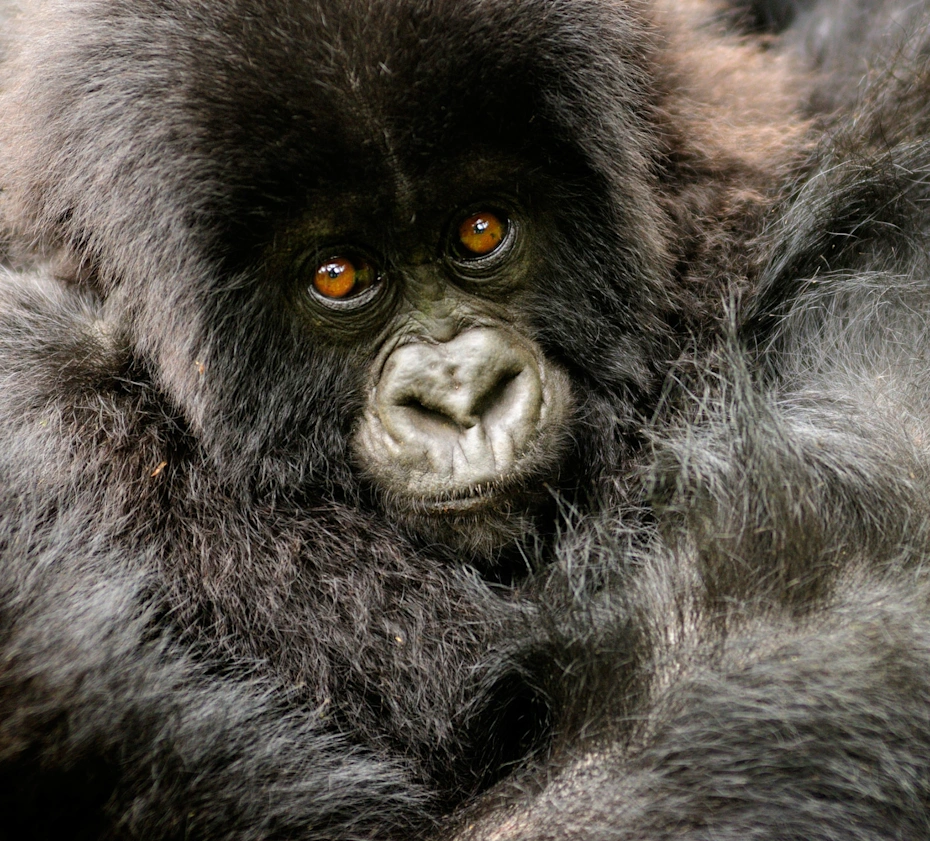
Mountain gorillas are the largest living primates, characterized by a robust muscular build, the gentle apes have a district black coat, broad chest, and an impressive sagittal crest on the forehead. Adult males, or silverbacks, possess a silver-colored back which they again after maturity thus the name.

Primates in Rwanda and Where to Find Them
Mountain Gorilla

To see mountain gorillas in Rwanda, you must obtain a gorilla trekking permit from the Rwanda Development Board. You can book your permit directly at the official website or through a licensed tour operator.

By purchasing a gorilla permit, you not only get to see the gorillas but also contribute to their conservation. The trek to find these gentle giants can be physically preparation and packing, the experience can be comfortable and enjoyable.

Always remember, the encounters are limited to one hour as a way of minimizing stress on the gorillas. But that one hour will stay etched in your memory forever.

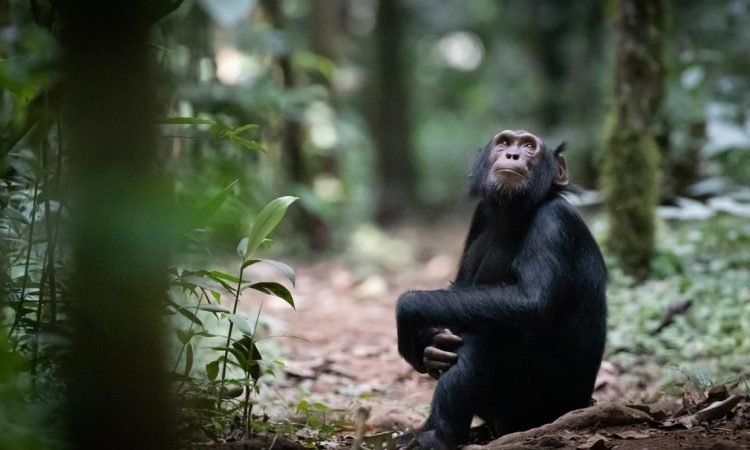
Chimpanzees (Pan troglodytes schweinfurthii)

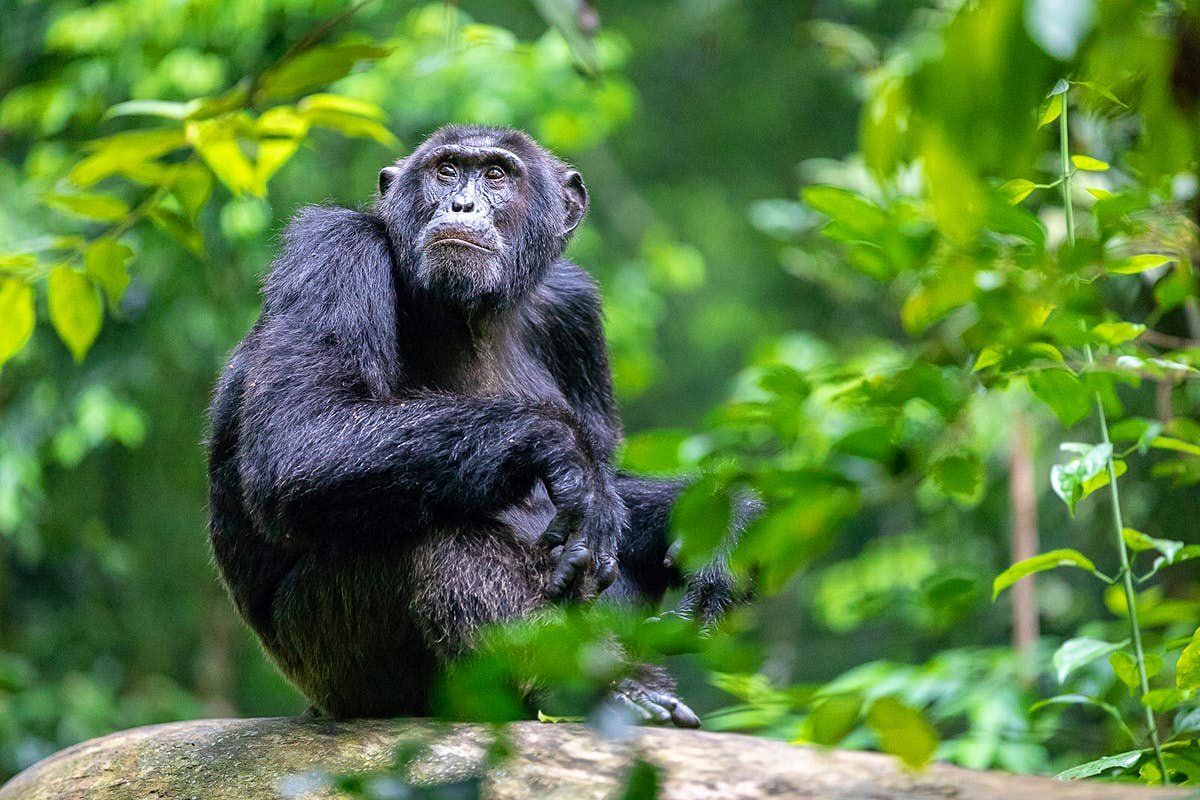
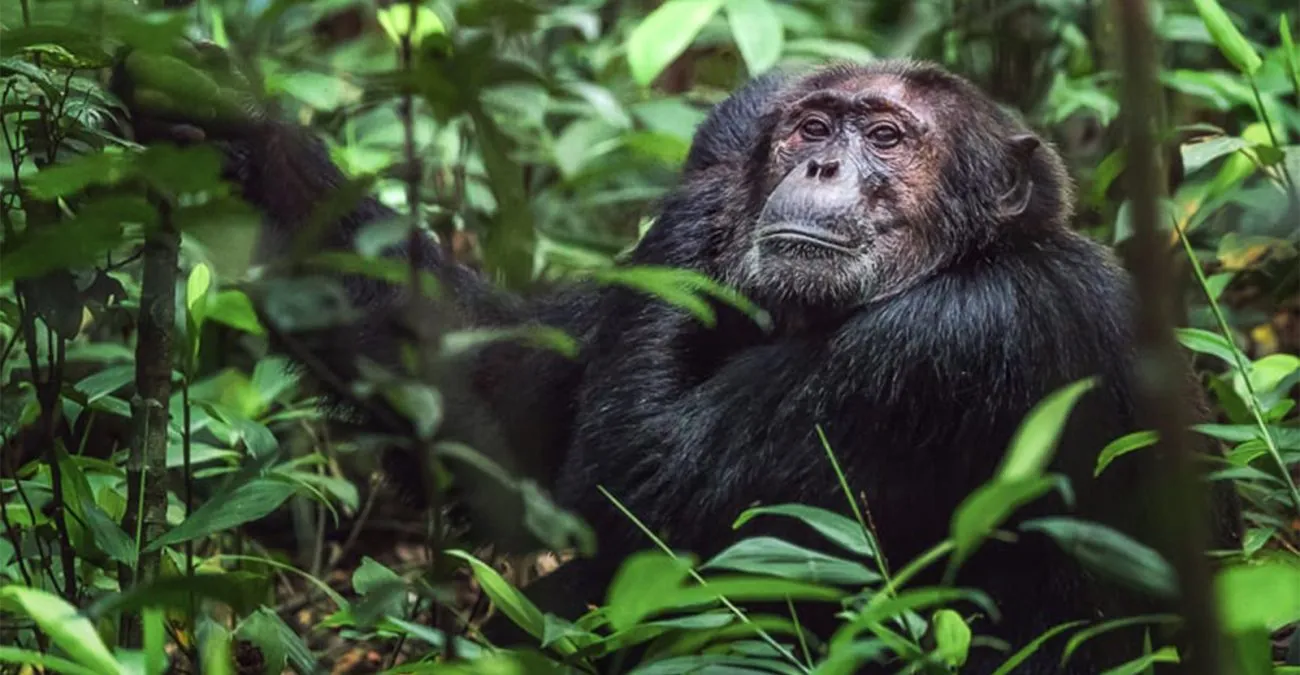
The pristine rainforest of Nyungwe National Park in southwestern Rwanda is home to a thriving population of chimpanzees, which is one of the most famous great apes in Africa. These highly intelligent and social primates are our closest relatives, sharing 98-99% of our DNA.

Nyungwe Forest National Park offers guided chimpanzee tracking experience, allowing visitors to observe their complex behaviors, from grooming to hunting and playful interactions. On this experience you are escorted by knowledgeable park rangers and guides who will lead you through dense forest trails, where you will listen to the distant sounds of the chimpanzee community.

Primates in Rwanda and Where to Find Them
Chimpanzee in Nyungwe Forest

Once you have located them, you can quietly observe and learn about their fascinating lives in the forest.

Nyungwe Forest National Park boasts incredible biodiversity, making it a paradise for nature enthusiasts.

Golden Monkeys (Cercopithecus Mitis Kandit)

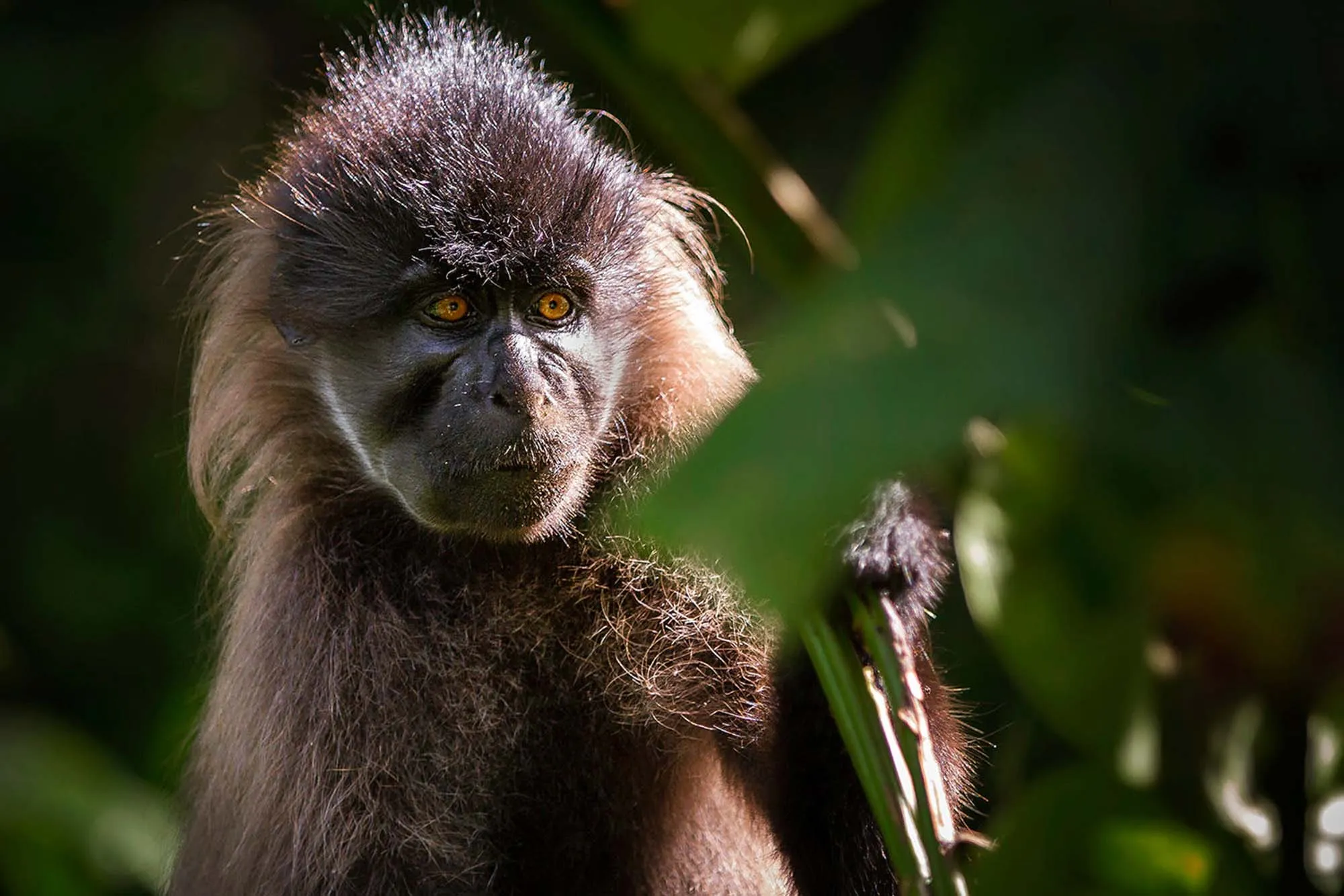
Golden monkeys are other endangered primate species in Rwanda also found in Volcanoes National Park, these beautiful primates are known for their striking golden fur and one of the top three primates to see in Rwanda. Also, these are known for entertaining leaps from tree to tree and engaging in lively social interactions.

Like gorilla trekking in Rwanda’s Volcanoes National Park, you need a permit to take part in gorilla trekking. Also, the experience is equally rewarding.

The playful tactics of the golden monkeys and the lush bamboo forests make for exceptional photo opportunities and lasting memories. Additionally, golden monkeys hold a significant cultural significance in Rwanda, and learning about them and their importance can add an extra layer of meaning of your Rwanda primate adventure.

Lesser Known Primates in Rwanda

Though Rwanda is famously known for its gorillas, chimpanzees, and golden monkeys, it also boasts an equally fascinating list of lesser known primates which significantly contribute to the country’s biodiversity, offering a unique glimpse into the world of primates that you can watch in Rwanda’s diverse landscape.

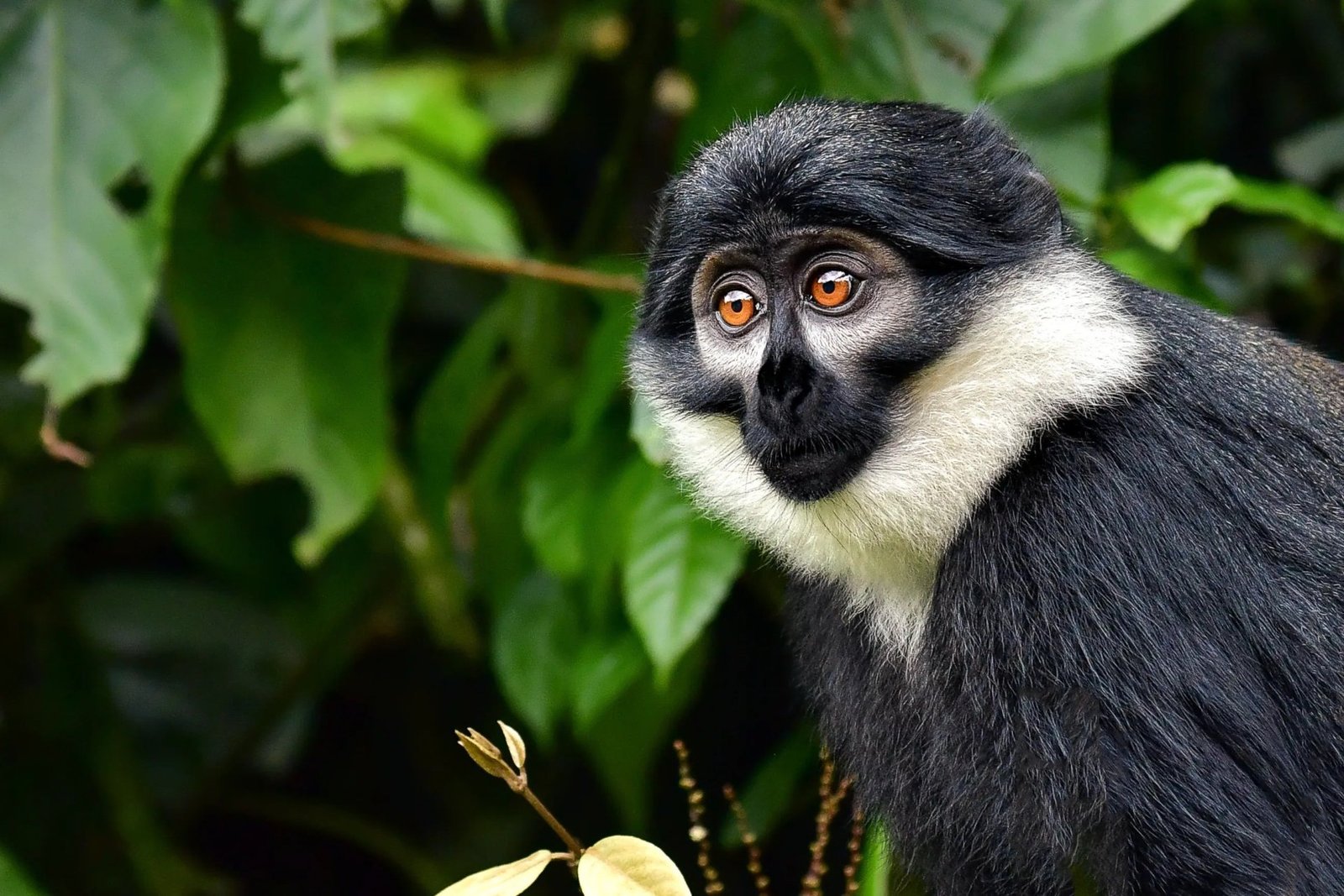
L’Hoest’s Monkey
L’Hoest’s Monkey
L’Hoest’s Monkey (Allochrocebus lhoesti)

Also, known as the mountain monkey, L’Hoest’s monkey is a strinking primate characterized by its dark fur and distinctive white beard. Their behavior is marked by a strong sense of community, as they often live in groups known as troops. These troops traverse the lush montane forests of Rwanda, displaying agility in both tree climbing and ground movement.

L’Hoest’s monkeys are endemic to Albertine Rift, and you can easily spot them in Nyungwe National Park and Gishwati Forest.

Olive Baboon (Papio anubis)

With their distinctive grayish green fur, olive baboons are highly social creatures thriving in various habitats, from open savannahs to dense forests, are known for their remarkable adaptability. Their vocalizations ranging from sharp barks to grunts, are common in the woolands of Rwanda.

Olive baboons can be spotted in random places near or inside Rwanda’s four national parks.

Red-tailed Monkey (Cercopithecus ascanius)

The red-tailed monkeys are easily recognizable by their bright russet trails, they are agile acrobats of the forest canopy. These primates are famous for their playful antics and naturalists frequently encounter them near water bodies where they find their favorite snacks, such as aquatic plants and insects.

You can easily spot the red-tailed monkeys on a walk through Nyungwe Forest National Park.

Grey-cheeked Mangabey (Lophocebus albigena)

These fascinating primates have a striking appearance characterized by distinctive gray cheeks and a bush white tuft at the base of its tail. These managabeys are known for known for their arboreal lifestyle, often swinging gracefully through the trees and their presence for dense, evergreen forests.

Grey-cheeked Mangabey

To spot these fascinating primates, go on a trekking adventure in Nyungwe Forest, southwest of Kigali.

Dent’s Mona Monkey (Cercopithecus denti)

Dent’s Mona Monkey is a medium-sized primate found in the tropical rainforests and wooded areas of Rwanda. With its dark brown or black fur, white or yellowish forehead and cheek bands, and a long, slender body with a tail longer than its body, Dent’s Mona Monkey has a striking appearance. They are primarily arboreal, exhibiting agile climbing and leaping abilities, and they live in social groups led by a dominant male.

The diet includes fruits, seeds, leaves, flowers, and occasional insects.

Dent’s Mona Monkeys can be spotted in Nyungwe Forest National Park, however seeing them can be challenging. Only one mona monkey lives with the Gisakura Colobus monkeys, acting as a scout for them.

Usually them Dent’s Mona Monkey chests the area for Colobus monkeys before they move, it signals the troops if it is safe to proceed. It’s fascinating to witness this behavior firsthand while trekking with the Gisakura Colobus monkey group.

Crowned Monkey (Cercopithecus pogonias)

The crowned monkey is a medium-sized primate with a dark body and a distinctive white crest on its head, they are social and diurnal, living in groups and primarily feeding on fruits, leaves, flowers, seeds, and insects. While they are not currently considered endangered, local populations may face threats from habitat loss and hunting.

You can spot crowned monkeys in the dense forests of Nyungwe National Park.

Best Time to visit Rwanda to see the fascinating primates

Rwanda is a year-round destination, but the dry seasons from June to September and December to February are generally the best seasons for primate tracking. During these periods, the trails are less muddy, and the forest foliage is less dense, improving visibility and the overall trekking experience.

Witnessing Rwanda’s primates is a privilege and a must-do experience to do when planning your Rwanda Safari. Whether observing the endangered mountain gorillas, or the playful golden monkeys. Rwanda delievers an unforgettable primate trekking adventure that will leave a lasting impact on your heart and soul.

Get in touch with one of our Travel Consultants and start planning a journey into the primates paradise in Rwanda.


Chimpanzee Trekking

Chimpanzee Trekking

An expert guide to seeing chimpanzees in the Wild

Chimpanzee Trekking
Chimpanzee Tracking in Kibale Forest, Uganda

An encounter with wild chimpanzees – our closest relatives in their natural habitat is one the most thrilling adventures you will ever experience. These remarkable primates are the most intelligent and social of all great apes.

Chimpanzees trekking is an immersive guided wildlife experience that involves through the East African jungle and observing chimpanzees in their natural habitat. On the trek you will be accompanied by a knowledgeable guide who you will follow through the dense forest to locate a group of wild chimpanzees and observe them for one hour as they go about their day.

Chimpanzee trekking is typically offered in Uganda, Rwanda and Tanzania, this exceptional experience offers a rare glimpse into the complex social world of these primates – our closest relatives.

Where to see chimpanzees in the wild

Kibale Forest National Park

Dubbed as the Primate Capital of the world thanks to its rich diversity of monkeys, Kibale Forest National Park is East Africa’s busiest chimpanzee trekking destination. Kibale Forest protects a 766 square kilometers tract of tropical rainforest in the far west of Uganda. The forest is home to around 1,000 chimpanzees, in addition to the chimpanzees, the park is also home to other 12 primate species including L’Hoest’s monkey, red-tailed monkey, Ugandan red colobus, black-and-white colobus, olive baboon and the endemic Uganda mangabey which you can also see one the chimpanzee trek.

The success rate of chimpanzee trekking in Kibale Forest stands at above 90%, the highest of any comparably accessible venue. Also, expect to see a wide variety of monkeys and colorful forest birds, particularly if you do a guided walk at the community – run Bigodi Wetland Sanctuary bordering the park.

Nyungwe Forest National Park

Nyungwe Forest National Park is a remarkable chimpanzee trekking destination in Rwanda, the park protects the largest montane rainforest in East Africa blanketing a series of mountains that tumble like monstrous green waves either side of the main road that bisects it.

Also, Nyungwe Forest harbors an exceptional biodiversity, thanks to an altitudinal span of 1,600m to 2,950m.

Trekking chimpanzees is the main and most remarkable safari experience in Nyungwe Forest, allowing one hour of being in presence of these playful primates and an opportunity to explore Nyungwe’s spectacular scenery, exceptional birdlife and primate diversity along a 180 km network forest trails. For more adventure, go on canopy walk on East Africa’s only suspended canopy walk.

Chimpanzee Trekking
View of Mahale Mountains National Park from Lake Tanganyika

Mahale Mountains National Park

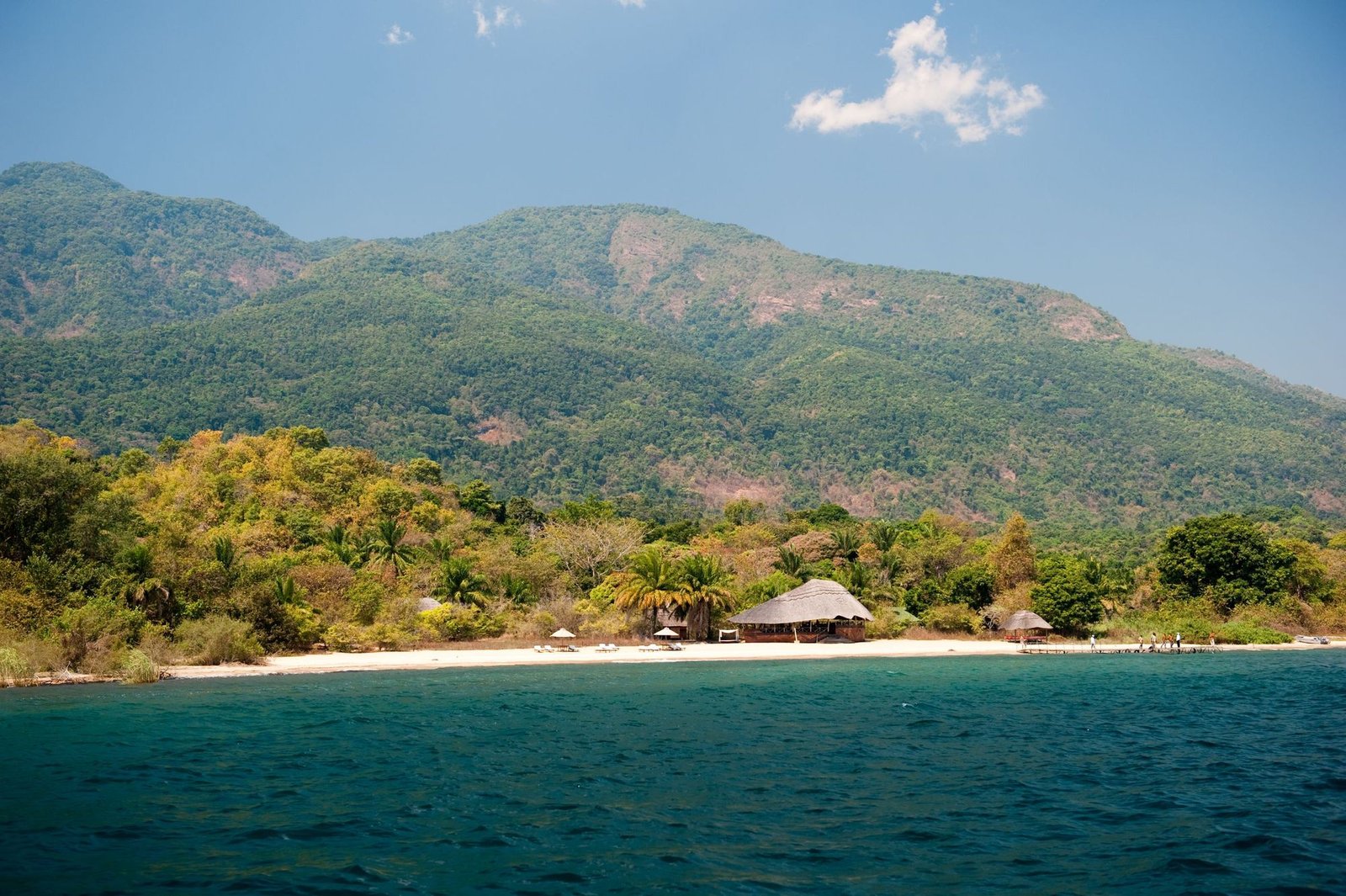
Mahale Mountains National Park is an idyllic located park on Lake Tanganyika below the stretch of Rift Valley escarpment caped by Mount Kungwe, whose peak is a round 1,700m. The park set among the spectacular, forest slopes of the Mahale Mountains, originally created to protect the thousands of chimpanzees that inhabit the region and is renowned for its fantastic sunset over Lake Tanganyika.

Mahale National Park differs from most chimpanzee trekking destination in that it mainly caters to fly-in visitors spending three or four nights in the park. Because it is possible to track on multiple days and departure times are flexible, which greatly increases your chance of an intimate chimpanzee encounter.

The cons of chimpanzee trekking in Mahale Mountains National Park is that, fly-in safaris are costly but it is worth the investment if you can afford it.

Kyambura Gorge

Found in Queen Elizabeth National Park, Kyambura Gorge is an underrated chimpanzee trekking destination protecting 141 square kilometers of hilly escarpment rainforest bordering the similarly extensive Maramagambo Forest.

These two forests collectively protect a population of around 600 chimpanzees including two habituated communities in Kalinzu.

Chimpanzee trekking in Kyambura Gorge is a well-organized community project and the success rate stands at around 90%. Also, guided walks to see forest birds and other monkeys are offered.

Chimpanzee Trekking
Kyambura Gorge, Queen Elizabeth National Park

Kyambura Gorge is one of the quietest chimpanzee trekking destinations in Uganda and there is no need to book a chimpanzee permit in advance, and you are unlikely to encounter other tourists while in the forest.

Gombe Stream National Park

Gombe Stream National Park is the most famous chimpanzee trekking destination in Africa. It was here, in the early 1960s, that Jane Goodall, a celebrated English primatologist established a pioneering research and habituation project now cited as the world’s oldest ongoing study of wild animals.

Gombe is a relatively small park supporting roughly 100 chimpanzees split between three different communities. It has a beautiful location on the forested eastern shore of Lake Tanganyika – the worlds’ longest, second deepest and reputedly least polluted major freshwater body and is sufficiently isolated that it seldom gets busy.

If you want to see chimpanzees hunting red colobus or other monkeys Gombe is where you probably stand the best chance.

Gombe Stream National Park is the best option for independent travelers with plenty of time and limited budget.

Budongo Forest

Budongo Forest forms a southern extension of Murchison Falls National Park, this vast and biodiverse rainforest is home to around 800 chimpanzees including one habituated community whose core territory lies within easy walking distance of a main road.

Despite the forest’s location close to the popular Murchison Falls National Park, it receives relatively few visitors, making it a great alternative for those seeking to avoid crowding. In addition to chimpanzees, large troops of olive baboons, smaller monkeys such as black and white colobus monkeys and the spectacular Abyssinian ground hornbill are often sighted.

Budongo Forest is a perfect choice for a chimpanzee trekking destination for those worried about their fitness. It is the flattest of East Africa’s chimpanzee trekking destination, and most of the time you will be walking on a well-maintained grid of researcher’s paths.

The success rate of chimpanzee trekking in Budongo Forest is greater than 80%, lower than in Kibale or Kalinzu. Also, it may drop lower when the habituated community moves outside its core territory.

Chimpanzee Trekking
Chimpanzee Trekking in Nyungwe Forest

Chimpanzee Trekking: Need to Know

When to track chimpanzees

Chimpanzee trekking is offered throughout the year at most of the chimpanzee destinations (national parks and forest reserves listed above). However, the hiking conditions are generally best in the dry season, which varies from region to region, but broadly falls over June to August and December to February in Uganda and Rwanda, and August to October in the western Tanzania.

Costs

The cost of chimpanzee trekking greatly varies basing on the location, but it is invariably far cheaper than gorilla trekking.

In Uganda, chimpanzee trekking is currently at US$ 200 (including park entrance) in Kibale Forest National Park, US$ 50 at Kyambura Gorge excluding park entrance fees, and US$ 130 at Budongo Forest and Kalinzu Forest with no additional entrance fee.

In Rwanda’s Nyungwe Forest National Park, chimpanzee trekking is charged at US150 to non-residents (no additional fee) while at Gishwati – Makura it is included in the accommodation cost for Forest of Hope Guesthouse and campsite.

In Tanzania, chimpanzee trekking is included in the daily national park entrance fee of US$ 80 plus VAT for Mahale, US$100 plus VAT for Gombe and US$30 plus VAT for Rubondo, though in all cases you need to pay additional guide fee of roughly US$20.

Chimpanzee Tracking Permits

If you are traveling on an organized tour, the operator should book your permits. Traveling independently, online booking for Kibale and Kyambura Gorge can be made through the Uganda Wildlife Authority.

What to Expect

Chimpanzees are very mobile primates, always on a move, they most often betray their presence with a communal pant-hoot call, an explosive, frenzied vocalization that reverberates loudly through the forest interior. Once the chimpanzees have been located with a help of a ranger guide and tracker, you will often have to race breathlessly behind them through the tangled undergrowth before finally they settle down to groom quietly in a forest clearing or climb athletically into the canopy of a fruiting tree.

Conditions vary greatly from one site and one day to the next, but generally speaking, tracking chimpanzees is more challenging than tracking gorillas as they are very mobile. In both cases, expect to face a combination of steep, slippery paths and tangled undergrowth. But because chimpanzees are so much more mobile and less sedentary than gorillas, pursing them through the forest often requires a fair level of fitness and agility, and the success rate of tracking is considerably lower. That said, once you have located the chimpanzees, they may give you a bit of a run-around for a while, but four times out of five they will settle down at some point within the hour you will be allowed to spend with them.

Packing and Preparation for Chimpanzee Trekking

To track chimpanzees, a reasonable level of fitness is required. If you are able to walk at a brisk pace for two hours at home, you should be fine. If not, it is a good idea to get in some walking to build up your fitness.

Comfortable hiking boots are ideal for walking through the forest. Also bring a hat and sunscreen to protect you against the sun, as well as a poncho or raincoat in case of rain. I recommend wearing full-length trousers (ideally tucked into your socks to deter biting ants) and long sleeves and gloves for biting nettles. Most safari lodges will provide with walking stick or create a makeshift one by request.

It is hard to tell how long you will be out on the trail, but be prepared for anything from three to six hours in the jungle. So carry plenty of drinking water (ideally 2 litres) as well as few packaged snacks, and make sure your camera or phone is fully charged.