Lesser Know Uganda Tourist Destinations

Uganda is home to endless attractions and beauty, which is why it is visited by millions of travelers from all over the world. As an adventurer looking for something new and unique to explore during your Africa safari to Uganda, this blog lists some Lesser Known Uganda Tourist Destinations worth visiting.

Lake Mutanda

Found in the far southwest of Uganda at the foothills of the Virunga Mountains, Lake Mutanda is a beautiful destination ideal for canoeing and boat cruises. The area boasts magnificent views of the Virunga Mountains, a chain of eight mountains shared by Uganda, Rwanda, and DR.Congo. Lake Mutanda is a small freshwater lake situated close to Bwindi Impenetrable National Park and Mgahinga Gorilla National Park, the best gorilla trekking destinations in the world. The Lake is a great place for canoeing safaris a relaxing experience after the gorilla trekking experience in Uganda. The lake contains 15 small islands which you will enjoy visiting during a canoeing expedition. With a camera, you will capture the beautiful peaks of these mountains reflecting the calm waters of the lake as you paddle across the lake. On a clear day, you will experience the most beautiful views of anywhere in Africa on a sundowner boat cruise across the lake surrounded by green hills.

Mabira Forest

Mabira Forest is a rainforest n Buikwe District covering an area of about 300 square kilometres, from Kampala the capital of Uganda it is a drive of 1 hour and 30 minutes along Kampala – Jinja Highway. The forest gets its name from the local Luganda word “Mabira” meaning a big Forest. One of the main attractions in Mabira Forest is the Forest Canopy Super Skyway, featuring over 200 meters of zip-lines through the tops of 40-meter-high trees and across the River Musamya. The forest is also home to several species of primates such as the Red Tailed Monkeys and Shy Grey Cheeked Mangabeys which you will see if you are lucky. Also, you can take part in guided forest walks or go biking on the trails through the forest.

Biharwe Eclipse Monument

The Biharwe Eclipse Monument aka 1520AD is a monument that was built in commemoration of the total eclipse of the sun which took place on April 17, 1520. The monument is located in Biharwe Town in Mbarara District. The Biharwe Eclipse Monument is a monumental structure, a reminder to the local people of the time when the King (Omukama of Bunyoro) had seized all the cows of the Ankole Kingdom leaving its people in complete starvation One day however, the situation dramatically shifted as the king was from raiding kingdoms of Rwanda and reached Biharwe, the eclipse took place and the sky fell ominously dark during daylight hours. This occurrence terrified the Omukama resulting into him fleeding back to Bunyoro, leaving behind several stolen cattle at the site. When the eclipse ended, the Banyankole discovered cows scattered all over the area. They thought that they had been miraculously set from heaven by God for their rescue from starvation, so they re-possessed the cows again.

Igongo Cultural Centre & Museum

The Igongo Cultural Centre & Museum at Biharwe, approximately 12 kilometers from Mbarara City on the Mbarara – Masaka High way. The centre is a cultural village replica, with a heap of information. The museum was built to commemorate a victory for the Ankole Kingdom 500 years ago, following an eclipse that saw the invading king retreat in fear and never return. The center houses one of Uganda’s finest museums and is a great place to learn about the cultural significance of the world-famous long-horned Ankole Cattle.

Amabere Ga Nyinamwiru Caves

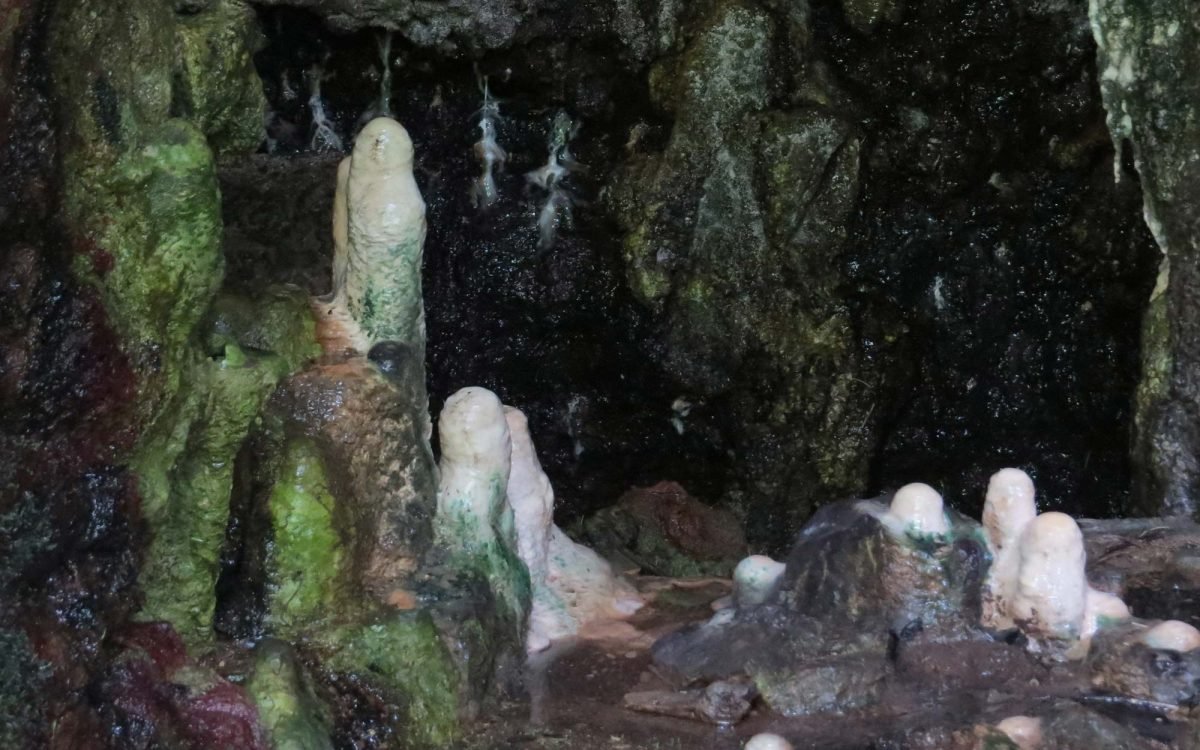
Situated about 32 kilometers from Kibale Forest National Park – Africa’s Primate Capital, west of Fort Portal. Amabere Ga Nyinamwiru Caves is a cultural site with a remarkable history among the Batooro and a natural wonder. The name is Amabere Ga Nyina Mwiru interpreted as “The Breasts of Nyinamwiru”. A legend has it that Nyinamwiru’s breasts were cut off by his further King Bukuku, and thrown in the caves due to her refusal to get married to a man her father had selected for her. The cave is full of breast–like features (stalagmites and stalagmites) that you can admire. Visiting the cave offers valuable insights into the cultural heritage of this region, visitors can enjoy a scenic hike to the top of Nyakasura Hill, which provides breathtaking views of the three beautiful crater lakes.

Ngamba Island Chimpanzee Sanctuary

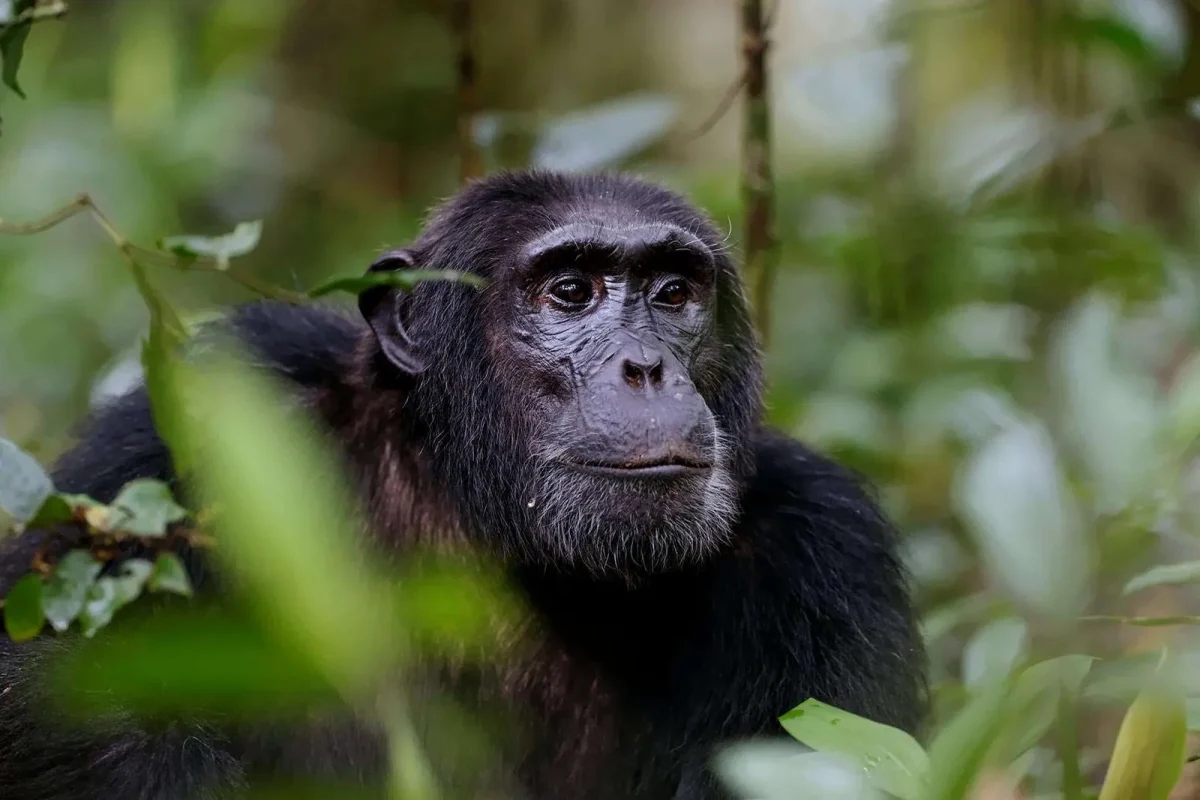
Ngamba Island Chimpanzee Sanctuary is home to 52 orphaned chimpanzees and a primate paradise, here visitors can feed, watch, and play with the chimpanzees. A visit to Ngamba Island offers an educational and entertaining experience suitable for visitors of all ages. Ngamba Island Chimpanzee Sanctuary is a leading primate conservation initiative in Uganda, the sanctuary was opened as a non-profit in 1998 to cater to orphaned chimpanzees that had been recused from poachers, wildlife traffickers, zoos, and circuses from countries like Burundi, Congo, Russia, Tanzania, and Uganda. To access Ngamba Island Chimpanzee Sanctuary you take a boat from Entebbe. Visitors get an opportunity to spot the chimpanzees, feed them, and take part in several activities including boat cruises, fishing, swimming, and sunbathing.

Uganda Wildlife Education Centre

The Uganda Wildlife Education Centre is a wildlife sanctuary established in 1952, located 15 minutes from Entebbe International Airport in Entebbe City. The center started as a rehabilitation center for rescued animals before focusing on the conservation of wildlife, the center popularly known as Uganda Zoo is one of the most important tourist attractions in Entebbe and offers a perfect introduction to Uganda’s incredible biodiversity. Visiting The Uganda Wildlife Education Centre is an enriching and engaging experience suitable for visitors of all ages, there are educational insights into wildlife conservations, exciting and interactive activities such as animal feeding sessions, up-close encounters with chimpanzees, and learning about animal health monitoring. Uganda Wildlife Education Centre opens daily from 8:30 am to 6:30 pm.

Uganda Martyrs Shrine

The Basilica of the Uganda Martyrs, Namugongo is a Roman Catholic minor basilica dedicated to the Uganda Martyrs located in Wakiso District in Centre Uganda, approximately 11 miles from Kampala – the capital city of Uganda. Every year on 3rd June, approximately 1 million pilgrims from all over the world gather in Namugongo to honor the Uganda Martyrs who were executed between 31 January 1885 and 27 January 1887 by Kabaka Mwanga (King of Buganda) for disobeying his orders) were contradictory to their faith and accepted to die for their newfound belief following the King’s order for their killing. Embarking on a Martyrs Walk will give you a deeper understanding of their contribution to the religious history of Uganda. The story of St. Balikuddembe will forever stay in your mind.

Entanda Cultural Centre

Entanda Cultural Centre is an award-winning cultural enter offering community-based tourism experience like no other. The center is situated near Mityana Town, 60 km along Kampala – Fort Portal Road. On your visit to the center, you will be greeted by loud ululating, drumming, and singing. Guests can join traditional dances and enjoy the freshest fruits straight from the gardens. Male visitors can participate in traditional hunting activities, while females are taught how to prepare a luwombo lunch and are invited to the bush (where whatever happens there stays there). This authentic community tourism is one of the best experiences you shouldn’t miss on your Uganda Safari.

Mparo Tombs of Kabalega

Situated along Masindi Road, about four kilometers outside of Hoima, the Mpara Tombs of Kabalega is a resting place of the renowned Bunyoro King Omukama Kabalega. Kabalenga was celebrated as the last great ruler of one of the most significant kingdoms in the Great Lakes Region, with his Kingdom extending beyond modern-day Uganda’s borders. Throughout much of his region, he posed a significant challenge to British colonialists until his exile to the Seychelles in 1899. Inside this tomb, visitors can view his spears, bowls, throne, and other personal belongings displayed above his actual burial site.
How To Prepare For Mount Bisoke Hike

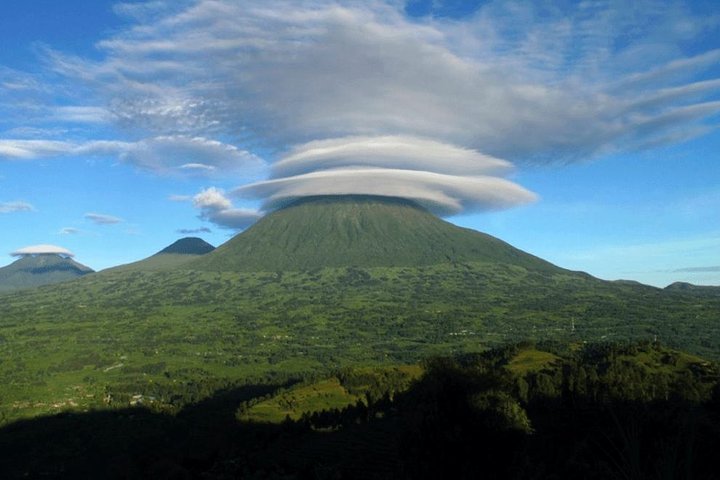
Mount Bisoke is one of the fascinating hiking spots in Rwanda, the volcano also known as Mount Visoke forms part of the Virunga Mountains chain of 8 Volcanoes. With its largest part and summit in Rwanda, Mount Bisoke straddles the border of Rwanda and the Democratic Republic of Congo. Mount Bisoke stands at an altitude of 3,711m ASL and its summit has a tranquil crater lake which is a prize for hikers. In addition to the crater lakes, the sweeping views over other Volcanoes in a range, Volcanoes National Park, Rwenzori Mountains, and the Congo Forests are to die for. Mount Bisoke Hike is offered in Volcanoes National Park in Rwanda, on this Rwanda adventure all hikers are required to be at least 15 years and above.

The excursion starts as early as 7:00 am with a briefing at the park headquarters in Kinigi, then head to the Bisoke Trail with a ranger guide and porters. The Bisoke Trail is situated a distance away from the headquarters in Kinigi which requires you to have your transportation to avoid a scenario of having no tourist vehicle available for you to join. Hiking Mount Bisoke takes you through different vegetation zones covering the slope of the volcanoes with chances of stumbling upon the rare and endangered mountain gorillas and golden monkeys plus several other animals most especially during the initial ascent of the trek. At the summit of Mount Bisoke, there is a crater lake which is considered to be the biggest in the Virunga ranges. The whole Mount Bisoke takes 6 hours and expect to encounter some challenges. Here is how to prepare for your Mount Bisoke Hike

Check Your Physical Fitness

Though Mount Bisoke Hike is considered less demanding, it still requires the hiker some level of physical fitness to be able to deal with a high-altitude trail taking through rough terrain. Therefore, you are advised not to dare the Bisoke hike without prior workouts such as jogging and any other physical exercises that are good at preparing your body and mind for the trek. Also, visit your doctor to check for HBP and some other medical conditions that can be triggered by elevation again.

Packing List for Bisoke Hike

For a wonder Mount Bisoke Hike Adventure, your packing list should have the following essential items

  • Comfortable Hiking Shoes – they should have a firm grip to walk through the muddy and slippery trails
  • Long hiking pants and shirts/tops – to protect your body from the stinging beetles, these can itch at even the slightest contact with your skin, and their effects can be beyond the swelling
  • A raincoat – to be prepared in times of rain
  • Garden gloves and headgear – the gloves will protect your hands from mad and have a grip on thorn branches when hiking, and the headgear will protect you from insects and sticky plants
  • A small pack – to carry your packed lunch and water
  • A Camera – to capture magical moments when hiking
  • Bottled water and snacks – to keep you energized and hydrated throughout the hike

Securing A Permit For Bisoke Hike

Securing a permit for Bisoke is easy and you can secure it a day or in advance. Bisoke hiking permits can be obtained by the visitor or can be conveniently obtained through a tour operator. Bisoke Hiking Permit costs $75 for international tourists, $ 65 for a foreign resident in Rwanda, and RWF 4,000 for a Rwandan Citizen. Payments in cash are not accepted at the park so be prepared to pay by Visa or Mobile Money.

Note: Bisoke Hike permits are limited to a specific number of visitors per day so it is always advisable to plan in advance to avoid any disappointments.

Hire a Porter And Get A Walking Stick

Hiring a porter on a Mount Bisoke Hike is very essential as he will lead you a hand during the hike, the porters are local people from the neighboring communities, and hiring them is the same as supporting the locals. Hiring a porter costs $ 10 per day. Please Note that these porters are taken through some essential training before being offered the porterage jobs at the park.

The Best Time To Visit Bisoke Hike

Mount Bisoke Hike can be done throughout the year, however, the best time to get the most out of the adventure is during the dry season. In the wet months with heavy rains, the trail is difficult to navigate due to a lot of mud and vegetation overgrowth. During the dry season which is June to September and December to February, the weather is favorable with clear skies, the trails are navigable and offer great photo opportunities. However, note that there is still no guarantee that the dry season months to be dry during your hike because of the nature of the terrain being hilly. Rains always come unexpectedly.

Gorilla Trekking in Uganda From Kigali, Rwanda

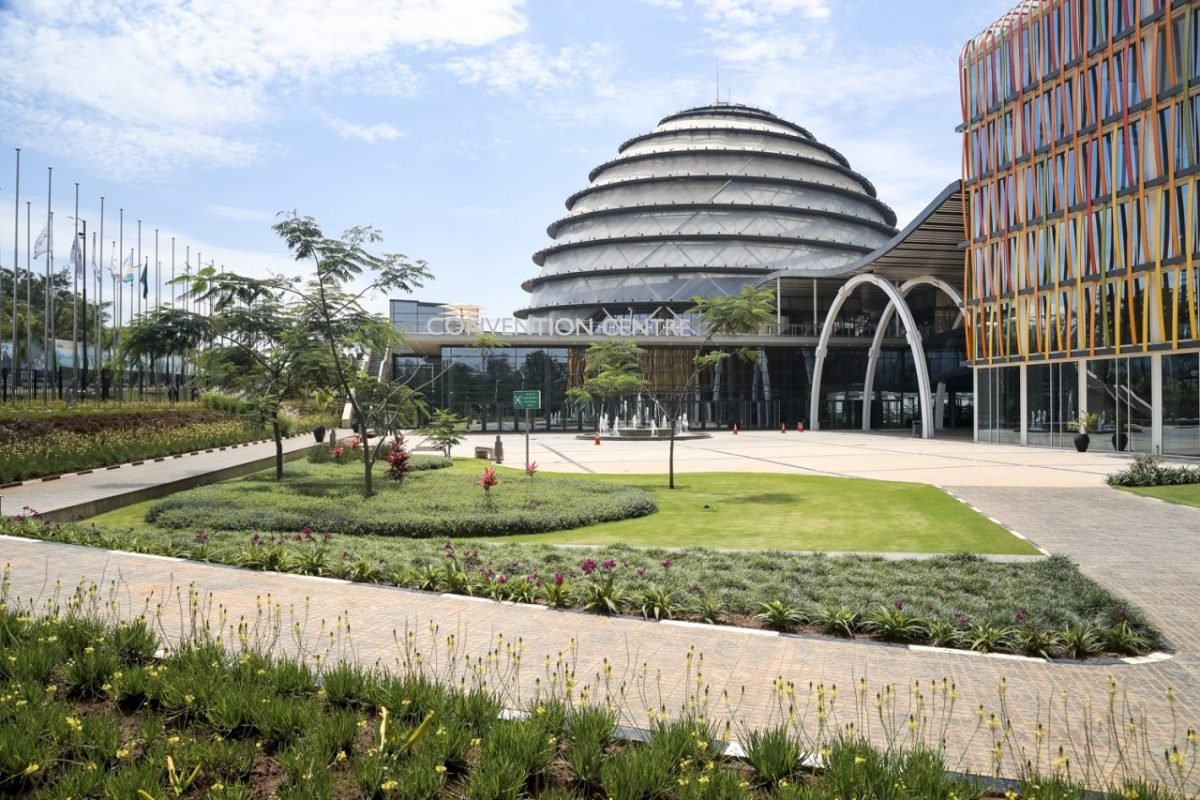
Accessing gorilla trekking in Uganda from Kigali International Airport Rwanda is the most convenient and more affordable than gorilla trekking from Entebbe. Gorilla trekking in Uganda from Kigali, Rwanda involves a scenic drive of about 5 hours from Kigali including a border crossing that takes you directly to gorilla sanctuaries in Uganda that as Mgahinga Gorilla National Park and Bwindi Impenetrable National Park. This is much quicker than a 10-11 drive from Entebbe International Airport to Bwindi Impenetrable National Park or Mgahinga Gorilla National Park.

Gorilla trekking is a once – in – a lifetime experience and a dream wildlife experience for nature enthusiasts and adventure seekers, Uganda is the best destination in the world for gorilla trekking as it is home to half of the remaining population of endangered mountain gorillas. Mountain gorillas are found only in two places in the world that is the Virunga Mountains spanning three countries that is Rwanda, Uganda, and the Democratic Republic of Congo, and Bwindi Impenetrable National Park in Uganda. This exciting activity doesn’t only provide unforgettable memories, it also contributes to the conservation of these incredible primates. This article explores the details, logistics, and sheer inspiration behind accessing gorilla trekking in Uganda from Kigali International Airport in the heart of Rwanda’s capital – Kigali City.

Why choose Kigali International Airport

There are various airports and border crossings you can use to access gorilla trekking destinations in Uganda, but Kigali International Airport in Rwanda has become the popular choice for several reasons. Proximity – Kigali International Airport is the closest major international airport to Bwindi Impenetrable National Park as well as Mgahinga Gorilla National Park where some of the best gorilla trekking experiences in Uganda take place. The airport’s proximity to gorilla destinations significantly reduces travel time and allows you to immerse yourself in the adventure more quickly.

Ease of Travel – Rwanda has tremendously invested in its infrastructures most especially roads making it easier for travelers to access the airport and cross into Uganda, the roads are well maintained and the border crossing process is relatively straightforward.

Safety and Stability – Rwanda is known for its political stability and safety which provides peace of mind for road trip adventurers across its scenic landscape.

Gorilla Permit Availability – Uganda’s gorilla permits are relatively cheaper and more readily available than Rwanda’s permits. Uganda’s gorilla permits cost $ 700 compared to Rwanda’s $ 1500 per person. Also, more habituated gorillas are available for tracking in Uganda than in Rwanda.

Getting to Kigali International Airport

Before you can start your gorilla trekking adventure, you will need to get to Kigali International Airport (also known as Kanombe Airport). This is the largest airport in Rwanda with 29 airports worldwide with direct flights to Kigali, spread around 29 cities in 21 countries including London Heathrow, Amsterdam, Brussels, Paris, Istanbul, Dubai, Doha, Entebbe, Nairobi, and Johannesburg. Airlines operating flights to Kigali International Airport include Kenya Airways, Rwandair, KLM, Virgin, Egyptair, Ethiopian Airlines, Qatar Airways, Delta, JetBlue Airways, Air Canada, United, Brussels Airlines, and Lufthansa. The Airport is well-equipped with modern facilities making your arrival smooth and hassle-free. The journey from Kigali International Airport to Bwindi Impenetrable National Park takes approximately 4 to 6 hours by road, depending on the specific location you plan to visit in Bwindi. Nkuringo and Rushaga Sectors are located in the South of the park, the Ruhija Sector in the Northwest, and the Mgahinga Gorilla Trekking Sector is easier to access. The Buhoma Sector in the north of the park takes more hours to reach.

Private Transfers: booking a private transfer with a reliable tour operator is the most convenient way to reach Bwindi, your guide – a representative from the tour operator will pick you up at the airport and provide a safe and hassle-free journey to your gorilla trekking destination of your choice.

Public Bus – for visitors looking to save on transportation costs, some public bus service operates between Kigali City and Kisoro or Kabale cities in Uganda. Though this option is more budget-friendly, it involves multiple stops and a longer travel time.

Self Drive – if you prefer the flexibility of driving yourself, you can rent a car in Kigali and embark on a road trip to Bwindi. However, it is essential to be aware of the road conditions, border crossing requirements, and potential challenges of driving in East Africa.

Visa and Border Crossing

When traveling from Kigali International Airport to Bwindi Impenetrable National Park in Uganda, you have to finish some formalities included in the border crossing process. Here are some of the essential steps to ensure a smooth transition.

Visa Requirements – Most travelers to Rwanda and Uganda will require a visa which must be obtained in advance through respective embassies or online portals which is advisable to avoid any delays. To avoid applying for visas for both countries, apply for an East Africa Visa that can let you access Rwanda, Uganda, and Kenya on the same trip. You can secure the East African Visa from either Uganda or Rwanda’s online visa portals(visas.immigration.go.ug and migration.gov.rw/visa).

Yellow Fever Vaccination – before embarking on your journey to Uganda and Rwanda, it is important that you have a valid yellow fever vaccination certificate is compulsory for all travelers. Obtain the certificate before you travel.

Currency Exchange – at the border or in nearby towns, you can exchange your currency for Uganda Shillings which will be widely accepted in Bwindi and other parts of Uganda.

Gorilla Trekking Permits

To take part in gorilla trekking, you need to have a gorilla trekking permit which allows you to enter the gorilla habitant in Bwindi Impenetrable National Park and Mgahinga Gorilla National Park and spend one hour observing these gentle giants. Here are some important details about gorilla trekking permits

Booking in Advance – You must book gorilla trekking permits in advance through your tour operator, gorilla permits in Uganda are issued by the Uganda Wildlife Authority (UWA). It is advisable to secure your permit ahead of your travel dates as they are few and in high demand.

Permit Cost – In Uganda, a gorilla trekking permit costs $ 700 for foreign non-residents, 4 600 for foreign residents, and UGX 250,000 for East African residents. Travel Tip – it is essential to check the latest rates.

Permit Inclusions – a gorilla permit cost includes the services of a professional forest guide and a memorable hour with these magnificent creatures, it also contributes to the conservation efforts aimed at protecting these endangered creatures.

Passport Requirement – you must present your passport on the day of the trek to verify that indeed, the permit belongs to the holder.

Gorilla Trekking Experience

After successfully making your way to Bwindi Impenetrable National Park and Mgahinga Gorilla National Park from Kigali and ensuring your gorilla trekking permit. It is time for the gorilla trekking adventure to begin.

Briefing – on the morning of your gorilla trek, you will attend a pre-trek briefing led by the park rangers which happens precisely at 7:30 am at the park’s headquarters in the sector you choose. Rangers will provide essential information about the gorillas, the trekking rules, and safety precautions.

Group Assignment – you will be assigned to a specific gorilla group, each group is habituated to human presence as a way of ensuring a safe and non-disruptive experience.

Trekking – Depending on the gorilla group you are assigned to, the duration and difficulty of the trek through Bwindi Impenetrable National Park can differ. Some gorilla treks may be as short as 30 minutes while others can take several hours or the entire day. The terrain is rugged and you should be prepared for high altitudes, steep inclines, dense vegetation, and muddy trails.

The Encounter – When you reach the gorilla family, you will have a memorable hour to observe and photograph these incredible creatures in their natural habitat. Always remember to maintain a respectful distance and follow the instructions of your guide to ensure the safety and well-being of both you and the gorillas.

Conclusion

Gorilla trekking in Uganda is a life-changing adventure providing you with a unique opportunity to connect with one of the world’s most endangered and magnificent species. Starting your gorilla trekking journey from Kigali International Airport in Rwanda doesn’t only make logistical sense but also adds an element of excitement and ease to your gorilla trekking experience. With careful planning, acquiring your gorilla permits, and embracing the awe-inspiring adventure that awaits you, gorilla trekking from Kigali International Airport is a journey you will cherish and hold dear forever. Pack your bags embark on this life-changing expedition and immerse yourself in the wonder of the wild.

Gorilla Trekking in Mgahinga National Park

Though gorilla trekking in Mgahinga Gorilla National Park is not as popular as gorilla trekking in Bwindi Impenetrable National Park, Mgahinga is home to an interesting gorilla group worth visiting on a Uganda gorilla safari. Mgahinga Gorilla National Park is located in Southwestern Uganda and lies near the border of Rwanda and the Democratic Republic of Congo, the park has a size of 33.9 square kilometers making it the smallest national park in Uganda, and is under the administration of Uganda Wildlife Authority. The park was gazetted as a national park in 1991 and the main reason was to protect the critically endangered mountain gorillas. Mgahinga Gorilla National Park is composed of three dormant volcanoes that are Mount Gahinga, Mount Muhavura, and Sabyinyo. These three volcanoes are covered by thick vegetation cover including Albertine, montane forests, bamboo forests, and semi-alpine forests.

The ranges rise at an average altitude of between 7,000 to 13,000 feet making them the perfect environment for mountain gorillas, golden monkeys, and several bird species to thrive. Mgahinga Gorilla National Park is a popular gorilla destination making four of the only destinations in the world where you can find mountain gorillas, the park is home to only one habituated gorilla family called Nyakagezi. This gorilla family is known for crossing borders to Rwanda and Congo, however, in recent years it has settled in Uganda.

The Nyakagezi family is one of the largest habituated mountain gorilla groups with 4 silverbacks, the group has become a favorite for trackers because they are always available and trekking is less challenging. Mount Mgahinga Gorilla National Park is about 490 kilometers from Kampala and can be accessed by both road and air, the journey starts from Kampala through Mbarara, Kabale, Kisoro, and finally to Mgahinga Gorilla National Park. Chartered flights to Mgahinga Gorilla National Park are operated by Aerolink and Bar Aviation to either Kisoro Airstrip or Kihihi Airstrip and then drive to the park. However, it is advisable to land at Kihihi airstrip. A gorilla trekking permit in Mgahinga Gorilla National Park costs US$ 700 and there are only 8 gorilla permits available in Mgahinga Gorilla National Park on a daily.

Comparing Gorilla Trekking in Mgahinga and Bwindi?

In the whole world, Uganda is the only country with two gorilla habitats that is Bwindi Impenetrable National Park and Mgahinga Gorilla National Park. Mountain gorillas in these two parks are the same since they are of the same sub-species, gorilla trekking rules and regulations are the same and the overall cost for gorilla trekking is the same.

Note: it is important to mention that the gorilla trekking experience both in Mgahinga Gorilla National Park and Bwindi Impenetrable National Park are the same and chances of seeing gorillas in Uganda are very high – almost 100%.

The main differences are that Mgahinga Gorilla National Park is composed of bamboo and montane forests while Bwindi Impenetrable National Park is covered with tropical rainforests. Mgahinga has fewer mountain gorillas compared to Bwindi Impenetrable National Park which has half of the total population of mountain gorillas remaining in the world, Bwindi has about 420 individuals with 20 habituated groups. This implies that Bwindi gorilla trekking offers more variety.

Bwindi Impenetrable National Park has a total surface area of 331 square kilometers as opposed to Mgahinga Gorilla National Park with a smaller surface area of only 33.9 square kilometers. Also, Bwindi has four gorilla trekking sectors: Buhoma located in the north, Ruhija to the East, Rushaga, and Nkuringo located in the South. Mgahinga has only one point for gorilla trekking which is at Ntebeko.

Mgahinga Gorilla National Park offers a wide range of activities to engage in other than gorilla trekking like Batwa trail, mountain hiking, golden monkey trekking, and birding. While in Bwindi, there are fewer extra activities including birding, nature walks, and communities in addition to gorilla trekking. Mgahinga Gorilla National Park is the only park in Uganda where one can track both golden monkeys and gorillas.

What else to do in Mgahinga apart from gorilla trekking

Mgahinga is a small park with many activities to offer in addition to gorilla trekking including golden monkey tracking, volcano climbing, cultural encounters with the Batwa people, and bird watching.

Golden Monkey Trekking

Mgahinga Gorilla National Park is home to a large population of golden monkeys which are rare species and only found in the Virunga Mountains, golden monkeys are playful monkeys and their eye-catching color adds to the sparkling nature. Golden monkeys, a subspecies of blue monkeys are very cute and favorite monkeys to many tourists, Mgahinga Gorilla National Park is one of the few places in the world where one can the golden monkeys. The park is home to about 5000 individuals normally seen in the bamboo vegetation cover and you will enjoy watching them play and jump from one branch to another.

Nature Walks

Mgahinga Gorilla National Park is covered with bamboo and montane forests which are home to several wildlife species including the endangered mountain gorillas, rare golden monkeys and other forest mammals, unique tree species, birds, flowers, and reptiles. A guided trek around the park is always great and very rewarding, the main walking trails in Mgahinga are the Sabinyo Trail, the Mgahinga Gorilla Walk Trail, and the Border Trail.

The Batwa Trail Experience

The Batwa Trail experience in Mgahinga Gorilla National Park is one of the most popular cultural experiences in Uganda taking you on a visit to the Batwa pygmies a marginalized indigenous tribe in Uganda. The Batwa people once lived in the forests of Mgahinga and Bwindi, when the forests were gazetted as national parks, they were forced out of the forests. They lived as hunters and gatherers for thousands of years, the Batwa trail takes visitors on an exploration adventure in the forest and offers them a chance to understand the kind of life lived by the Batwa. It is led by the Batwa themselves and the trail ends with a visit to the sacred Garama caves, after visiting the forests. Visitors are then entertained through storytelling, traditional dances, drama, and music.

Cave Exploration

Mgahinga Gorilla National Park has numerous caves that used to be home to Batwa people, an extensive exploration of these caves in Garamba and Muhavura is very rewarding. As you explore the caves, you can learn more about the ways of the Batwa people, these mysterious caves are very long and filled with bats.

Mount Climbing in Mgahinga

Mgahinga Gorilla National Park comprises three volcanoes offering one–day hiking experiences that are very challenging, Mount Muhavura is the most popular of all the volcanos at 4,100ft high. It is the tallest of all the three volcanoes, it is steep, and recommended that hikers get a hiking stick and boots while climbing it. At the summit, hikers enjoy a great view of the other Virunga Volcanoes, Bwindi Forest, and the mountains of the moon. Mount Sabinyo is shared by Uganda, Rwanda, and Congo standing at 13,540 feet, you can stand in the borders of three countries while on its summit. Climbing up and down Mount Sabyinyo takes about 8 hours. Mount Gahinga is the shortest of the three volcanoes within Mgahinga Gorilla National Park standing at a height of 3,474 meters above sea level and it only takes seven hours to conquer it.

Birding in Mgahinga

Mgahinga Gorilla National Park is a bird haven with over 76 bird species, the best birding spots in the park are on the slopes of Mount Gahinga and Sabinyo. These birds thrive on the forested slopes of Mount Gahinga, Mount Muhabura, and Mount Sabyinyo. Some of the bird species to look out for include Rwenzori turaco, handsome francolin, common cuckoo, regal sunbird, fire finch, olive pigeon, woodpeckers, Dusky Turtle Dove, Rwenzori nightjar, and the red-throated Alethea among others.

Where to stay in Mgahinga Gorilla National Park during Gorilla Trekking

Around Mgahinga Gorilla National Park, there are several accommodation options ranging from budget, mid-range, and luxury. These accommodations include

  • Amajambere Iwacu Camp
  • Chameleon Hill Lodge
  • Traveler’s Rest Hotel
  • Nkuringo Safari Lodge
  • Clouds Mountain Gorilla Lodge
  • Mount Gahinga Rest Camp
  • Mount Gahinga Lodge

Golden Monkey Trekking In Uganda And Rwanda

Golden monkey trekking is a fascinating wildlife experience and has become increasingly popular among tourists on a Uganda safari as well as Rwanda Safari. Golden monkeys are endangered primate species found in the Virunga Mountains in the bamboo forests in Volcanoes National Park in Rwanda, Mgahinga Gorilla National Park in Uganda, and Virunga and Kahuzi-Biega National Parks in DR. Congo. Golden Monkeys scientifically known as (Cercopithecus kandti) are rare species of Old-World Monkey (Cercopithecidae) that are mainly found in the highland bamboo forested regions of Central Africa. According to the International Union for Conservation of Nature (IUCN), golden monkeys are endangered due to harvesting trees and bamboo, clearance for agriculture, charcoal production, and livestock grazing. Golden monkeys have a distinctive appearance with reddish-gold fur on their backs in striking contrast to the black coloration of their feet, legs, and tails. Male golden monkeys are larger weighing between 4.5 and 12 kg (10-26lb) and tall at 58-67 cm (19-26 in). Females are much smaller weighing between 3.5 and 4.5 kg (8-10 lb). Golden monkeys have a life expectancy of 19 years. Are you planning and interested in seeing golden monkeys in the wild, you can easily add the golden monkey trekking experience to your Uganda or Rwanda safari.

Trekking Golden Monkeys in Uganda – Mgahinga Gorilla National Park

The endangered golden monkeys in Uganda are found in Mgahinga Gorilla National Park which is part of the Virunga Mountains and is only one of the four destinations in the world where you can see the golden monkeys. In Uganda, golden monkeys can only be seen in Mgahinga Gorillas National Park. The park is home to an estimated between 3,164 and 5,059 individuals. One group is fully habituated to human interaction with about 30 individuals and it is available for daily golden monkey trekking excursions. The other golden monkey family is reserved for research and the daily golden monkey habituation experience allows visitors to spend 4 hours with the golden monkeys. Normally, visitors combine golden monkey trekking with a gorilla trekking experience on your Uganda gorilla safari. Golden monkey trekking in Mgahinga Gorilla National Park starts at Ntebeko Visitor’s Center at 08:00 Am with a briefing, there are two daily adventures to see golden monkeys in Mgahinga – Uganda. Golden monkey trekking adventure offers visitors only one hour with the golden monkeys observing them go on with their life in the bamboo forests providing you with a more captivating and unique golden monkey experience. For visitors who wish to spend more time with the golden monkeys, they can participate in the golden monkey trekking experience. On the 4 – Golden Monkey habituation experience, visitors have a chance to spend four hours with the golden monkeys and follow scientists around as they study them. Visitors get an in-depth chance to learn so much about golden monkeys, their habitat, and the behind-the-scenes primate science.

Golden Monkey Permit and Price

To participate in golden monkey trekking to see golden monkeys in Mgahinga Gorilla National Park, you need to book a golden monkey trekking permit which costs

  • $ 60 per person for foreign non-residents and residents
  • UGX 40,000 for East Africa Residences

Cost for golden monkey Habituation permit costs $ 100 per person

The cost of the permit includes the armed rangers for protection against any threats in the jungle a local tracker guide and time with the golden monkeys. The price of the permit does not include the park entrance

  • $ 40 per person for foreign – non – residents $
  • 30 per person for residents
  • UGX 20,000 per person for East African Citizens

Tracking golden monkeys in Mgahinga Gorilla National Park is similar to gorilla trekking though, it is not as strenuous. You will spend about 30 minutes to 2 hours trying to find their location, golden monkeys are more active and exciting to watch than gorillas and will keep you on your toes trying to keep up with their antics.

Where to stay in Mgahinga Gorilla National Park for golden monkey trekking

Our best pick for where to stay during golden monkey trekking in Mgahinga Gorilla National Park include

  • Gahinga Lodge
  • Birdnest Bunyonyi
  • Lake Mutanda Resort
  • Chameleon Hill Lodge

Golden Monkey Trekking in Volcanoes National Park, Rwanda

Volcanoes National Park is well-known for mountain gorilla trekking adventures in Rwanda, however, it is also a great destination for golden monkey trekking. The forests of Volcanoes National Park have two-habituated golden monkey groups with the largest consisting of about 80 to 100 individuals. Daily trekking excursions start at 08:00 am from the park’s headquarters at Kiningi, visitors should be at the headquarters by 7:00 am for the briefing before the trek.

Cost of a golden monkey permit in Volcanoes National Park, Rwanda

A gorilla permit in Volcanoes National Park costs $ 100 per person, booking your gorilla permit in advance is recommended.

Where to stay in Volcanoes National Park for golden monkey trekking in Rwanda

  • Bisate Lodge
  • Virunga Lodge
  • Singita Kwitonda Lodge
  • Gorilla’s Nest
  • Sabyinyo Silverback Lodge
  • Mountain Gorilla View Lodge

Golden Monkey Trekking Vs Gorilla Trekking

The lush forests of Africa offer two unique primate encounters that are gorilla trekking for an encounter with the iconic mountain gorillas and golden monkey trekking for an encounter with golden monkeys. These experiences offer a glimpse into the captivating world of primates, these experiences differ in their challenges, behaviors, and photogenic opportunities. Golden monkey trekking presents an exciting encounter to see the endangered mountain gorillas in their natural habitat, this experience is strenuous as you will have to hike through valleys and steep landscapes. To find mountain gorillas, it takes approximately 30 minutes to 6 hours.

Unlike mountain gorillas who construct new nests daily and forage further afield, golden monkeys maintain a stable routine. Due to the predictable foraging patterns of the monkeys, golden monkey trekking is less strenuous.

Who can trek

The number of visitors allowed for golden monkey viewing is not limited making it a more intimate and personal experience compared to gorilla trekking which restricts group sizes to eight people. Consequently, golden monkey excursions rarely have more than a handful of participants ensuring an immersive and intimate encounter. Unlike gorilla trekking, there is no minimum age requirement for golden monkey trekking making it accessible to all, while young children may find the trek challenging, teenagers can enjoy this amazing experience without difficulty.

Trekking Permits

Golden monkey permits are more budget-friendly costing $ 50 in Uganda and $ 100 in Rwanda, in contrast to gorilla trekking which costs $ 700 in Uganda and $ 1500 in Rwanda. The allure of golden monkey trekking lies not only in its affordability but also in the captivating interactions with these lively primates.

Best Time to See Golden Monkeys

It is possible to see golden monkeys throughout the year, but the best time to go is during the drier seasons from June to August and December to January. In this season, the trails are easier to navigate during these months, and spending time with the golden monkeys is more enjoyable when it is not raining. However, it is important to note that day seasons in Uganda and Rwanda are also peak season for tourism which means that most desirable lodges are fully booked. However, obtaining a Golden Monkey permit is relatively easy. We highly recommend booking your accommodation in advance, particularly between June and September. The low seasons from March to May and from October to November are characterized by high rainfall, misty forests, and challenging trails. However, for trackers who are okay with the weather, this season offers the opportunity to enjoy the trails without the crowds and at discounted rates at lodges that are often empty.

Chimpanzee Trekking in Kibale Forest National Park

Crowned “Africa’s Primate Capital”, Uganda’s Kibale Forest National Park is the best place to see chimpanzees in the wild. This tropical rainforest-dominated park offers visitors an exhilarating chimpanzee experience uniquely balanced by intimate and immersive moments, allowing you to appreciate and reflect on our closest living relatives, the chimpanzees. Kibale Forest National Park is home to 13 different primate species thriving in 191,700 acres of protected tropical rainforest, these primates include a huge population of chimpanzees, red and white colobus monkeys, blue monkeys, the red-tailed monkey, L’Hiest’s monkey, Olive baboon and galago species (bush babies). Kibale is a premier chimpanzee trekking destination in Uganda as well as Africa with over 30 years of trekking history, over 1,500 chimpanzees are estimated to live in this area. In addition to the fascinating primates, this tropical rainforest is home to 375 bird species and 250 incredible butterfly species. Also, expect to see forest elephants and buffaloes, these normally wander the forest floor, crossing over from Queen Elizabeth National Park. Kibale Forest is a dense forest with over 300 species of trees including mahoganies, rare hardwoods, and fig trees.

Basics of Chimpanzee Trekking in Kibale: What to Expect

Over 1,500 chimpanzees are estimated to be living in community groups within the tropical rainforest of Kibale Forest National Park. Out of these chimpanzees, about four communities are habituated. This means that these chimpanzees’ communities are accustomed to humans visiting and behaving predictably though still wild. The number of people trekking for each chimpanzee community is limited to 8 people. Due to the demand for chimpanzee permits, it is important to book your permit in advance. As a licensed and reputable Tour Operator, our team will take care of this for you.

The Structure of the Chimpanzee Trekking Experience

Depending on the number of days you decide to stay in Kibale Forest, you can choose between a morning or afternoon chimpanzee trekking experience. The experience of these two sessions simply depends on the many environmental, social, and even political factors. It is not easy to predict the experience as some guides might suggest. However, both treks will follow a similar structure or timeline. First, you will meet at the briefing area approximately an hour before your trek is due to start. Here you will be briefed by one of the Uganda Wildlife Authority Park Rangers, who will provide a little more information on Kibale and guide you through the rules and regulations of the trek. After the briefing by the park UWA Ranger, you will be divided into small groups and introduced to your assigned official park ranger from the duration of your chimpanzee trek in the Kibale Forest National Park. At the start of your trek, your ranger will brief you on what to expect during the entire experience. It is here that you get to learn an essential difference between gorilla and chimpanzee trekking.

Tracking team out in front

While you are being briefed at the Briefing Center, there is a UWA tracking team out in front trying to relocate the chimpanzee community from their last known position. Your dedicated ranger is also in constant communication with the teams throughout the trekking experience, so they have a good idea of what is happening.

How long does the trek take?

A chimpanzee trek is estimated to take between three to four hours depending on the movements of the chimpanzees. You then have an hour to move with the community and observe their human-like behavior and interactions. Like all wild encounters, it is fairly difficult to predict the kind of sighting you will have. However, it will be uniquely special for sure. You will have 1 hour with the chimpanzee Community.

How fit do I need to be?

The trek is not a walk in the park by any stretch, but you do need to be a trail runner or advanced hiker to enjoy the chimpanzee trekking experience. The descriptions of slippery and muddy terrain are just that and with the correct shoes, you will be fine. Medium to moderate fitness is recommended, as you do have to move quickly enough to follow the chimpanzees if they are on the move. Expect the terrain to get thick while moving with the chimpanzee community, so be prepared to push through a few areas.

Will I be safe during the trek?

Yes, however, it is important to remember that you are visiting wild primates, but they have been habituated for many years to human presence. Therefore, they are comfortable with you and predictable behavior. Unhabituated chimpanzees would rather avoid confrontations, therefore they tend to move away from you. This all being said, like all safaris, it is important to listen to your guide and keep to the etiquette described to you during the briefing, as these are wild animals. Keep a respectful distance where possible and don’t eat, smoke, mock, or mimic their behavior. You don’t know what they are saying, so don’t repeat them by imitating their behavior or vocalizations. Also, it is more important to have correct footwear and clothes to prevent slipping on the muddy trails or stinging nettles.

What to wear on your trek

The following should be missed on your packing list for the chimpanzee trekking experience in Kibale Forest National Park.

  • A small backpack (rucksack)
  • Water-resistant rain jacket
  • Water bottle and snacks (supplied by the lodge)
  • Camera (no flash)
  • Insect repellent Gratuities (Tips) for UWA Ranger (speak to us for guidance)
  • For the birders – Swarovski binoculars

What to wear on your trek

  • Water-resistant hiking boots with grip (not trail running shoes)
  • Thick cotton socks
  • Long sleeve shirt to save you from prickly foliage
  • Thin quick drying long pants to protect you from insect bites
  • Gaiters (don’t be a hero, you need them)

Chimpanzee Trekking Etiquette: The Dos and Don’ts

Protecting the fragile wilderness is paramount, so show respect to where you are and what you are doing. Below are some of the official regulations to help make your experience as safe and authentic as possible.

  • Religiously listen to your guide (It’s not a debate) Chimpanzees can contract our diseases, please do not take part in the trek if you are sick
  • Wear a mask while viewing the chimpanzees
  • Maintain your distance where possible. If they approach you, listen to the instructions of your guide. Sometimes it is best to stay still and let them pass
  • Keep quiet and speak with a lowered voice
  • Do not mimic the chimpanzees in any way, both vocalizations and physical movements. You do not know what you might be saying.
  • Do not chase the chimpanzees
  • Do not eat or smoke near the chimpanzees
  • No flash photography

Best time to Do Chimpanzee Trekking in Kibale Forest National Park Kibale Forest National Park is a tropical rainforest situated just north of the equator, so you can expect rain pretty much anytime of the year. Therefore, the best time to visit for chimpanzee trekking is more about the temperature and the crowds. The best time is during June and August which is High Season in Uganda, expect crowds in the park and high competition for chimpanzee permits. Because it is dry season, it can be hot.

In April and May, expect more rain which makes the trails muddy and slippery but it is less busy. September through to November is a more recommended time of the year as it is not as hot (humid) and it is less busy too.

5 Reasons To Visit Rwanda For a Holiday in 2025

Crowned the “land of a thousand hills”, Rwanda is a small East African country. In recent years Rwanda has emerged as one of the leading tourist destinations in the region thanks to its magical attractions including mountain gorillas, and security. In this blog, we dive into the 5 most compelling reasons to visit Rwanda For a Holiday in 2025. Despite the troubled past. Rwanda now enjoys tremendous stability, peace, and security. Whether you want wildlife and primate encounters in pristine wild environments or experiences with warm-hearted local people, there are a lot of experiences to enjoy.

Magical Mountain Gorilla Encounters

Encountering the endangered mountain gorillas in their rainy forests is one of the reasons why many people come to Rwanda for a visit. Rwanda offers excellent gorilla trekking opportunities in Volcanoes National Park, the park is home to half of the world’s remaining mountain gorillas. With 12 habituated mountain gorillas, visitors can guided treks to see these majestic creatures in their natural habitat. Only 8 people can visit one habituated gorilla family and spend only one hour observing the gorilla family as it goes on with its life in the misty forests.

Gorilla trekking is a truly unforgettable experience that will leave you with memories to last a lifetime.

Unique Cultural Experiences

Rwanda is a culturally rich nation, with a fascinating history and traditions that are still very much alive today. Visitors on a holiday in Rwanda can engage with local communities to learn about their traditions and way of life. The Intore Dance, performed by local artists, is particularly captivating and provides deeper insights into Rwanda’s history and culture. Visitors can learn about the country’s past at the Kigali Genocide Memorial, which provides a sobering but important insight into the horrific Rwanda Genocide of 1994. Alternatively, you can visit the King’s Palace Museum in Nyanza to learn about the country’s traditional Monarchy and way of life.

Stunning Scenery

Despite its small size, Rwanda is home to some of the stunning natural scenery. Rwanda is known as the “Land of a Thousand Hills” due to its stunning and varied landscapes. From lush green hills and valleys to serene lakes and picturesque countryside, the country’s natural beauty is awe-inspiring. Exploring the landscapes on foot or by a 4×4 vehicle offers a chance to appreciate its unique geography. Rwanda is home to the Nyungwe Forest National Park, which is one of the largest and oldest rainforests in Africa, and a haven for wildlife enthusiasts.

Exciting Wildlife Encounters

For wildlife enthusiasts, Akagera National Park is a must-visit destination in Rwanda. It offers the chance to see the Big Five -lion, elephant, buffalo, leopard, and rhinoceros. As well as a wide variety of other animal species, including antelopes, giraffes, and hippos. Akagera National Park’s diverse ecosystem and beautiful landscapes make it a captivating safari destination. For an unparalleled primate viewing Volcanoes National Park and Nyungwe Forest National Park offer a rare and intimate connection with golden monkeys, chimpanzees, and several other primate species.

Warm and Friendly Local People

Rwandese are known for their warmth and hospitality, and visitors to the country are sure to feel welcome wherever they go. Whether you are exploring the bustling markets of Kigali or hiking through the countryside, you are sure to encounter friendly locals who are eager to share their culture, traditions, and way of life with you.

In conclusion, Rwanda reveals itself as more than a destination in every encounter, a breath-taking vista, and a heartwarming exchange. It has something to offer to everyone, whether they are seeking a cultural experience, an adventure, or simply a chance to unwind in a picturesque setting.