Gorilla Habituation Experience

Gorilla Habituation Experience

Spend four hours with mountain gorillas on a gorilla habituation experience in Bwindi Impenetrable National Park.

Ever since Dian Fossey brought the plight of Africa’s mountain gorillas to the world as well as the interest in the gentle giants and their conservation has greatly increased. In the long term protection of mountain gorilla population, the key element has been gorilla trekking which allows visitors to go on a guided trek through the rainforest to spend an hour with a habituated gorilla troop in its natural habitat. However, for those who wish to spend more time with mountain gorillas, you can spend more time with these primates on a gorilla habituation experience.

Gorilla habituation experience is a truly special experience, enjoyed by relatively few (a group not more than 4 people together with scientists and researchers).

Gorilla Habituation Experience
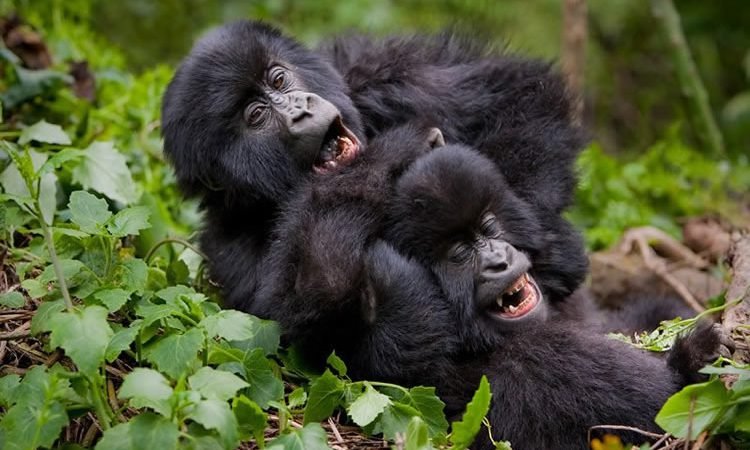
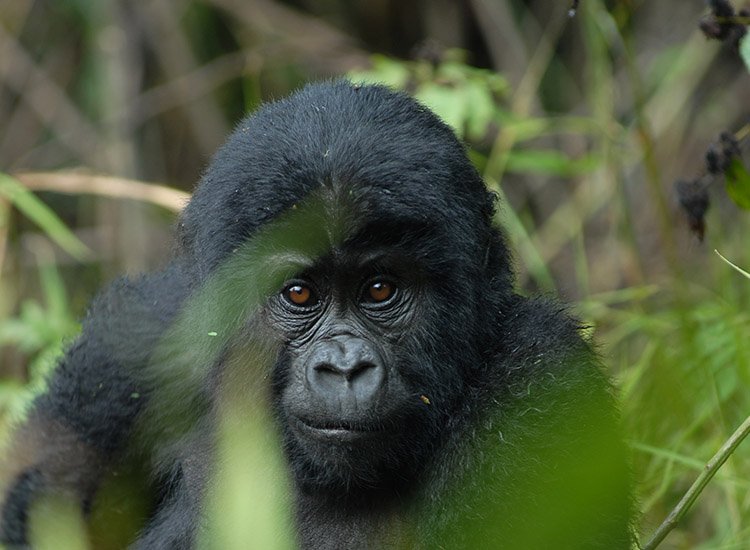
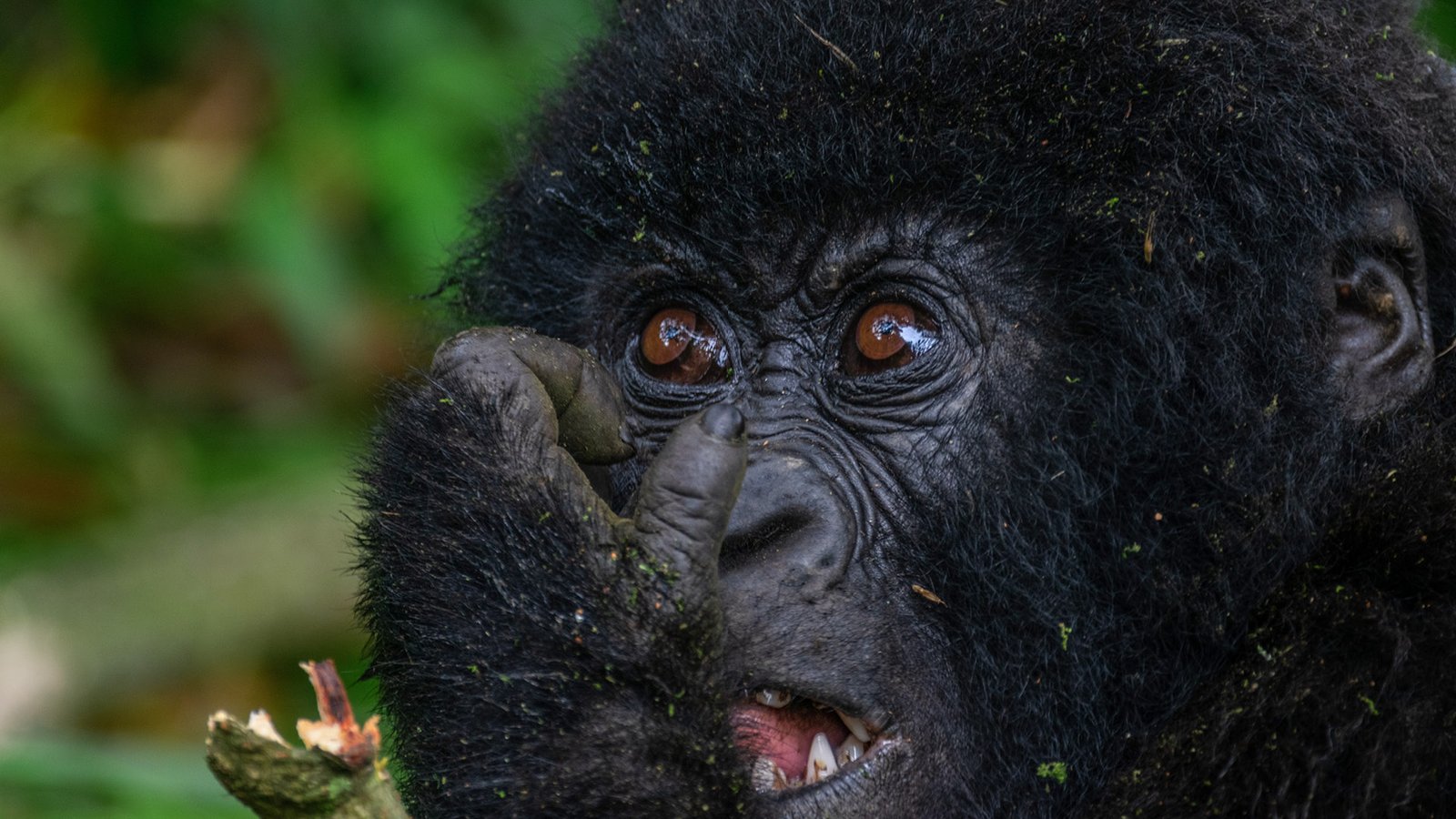
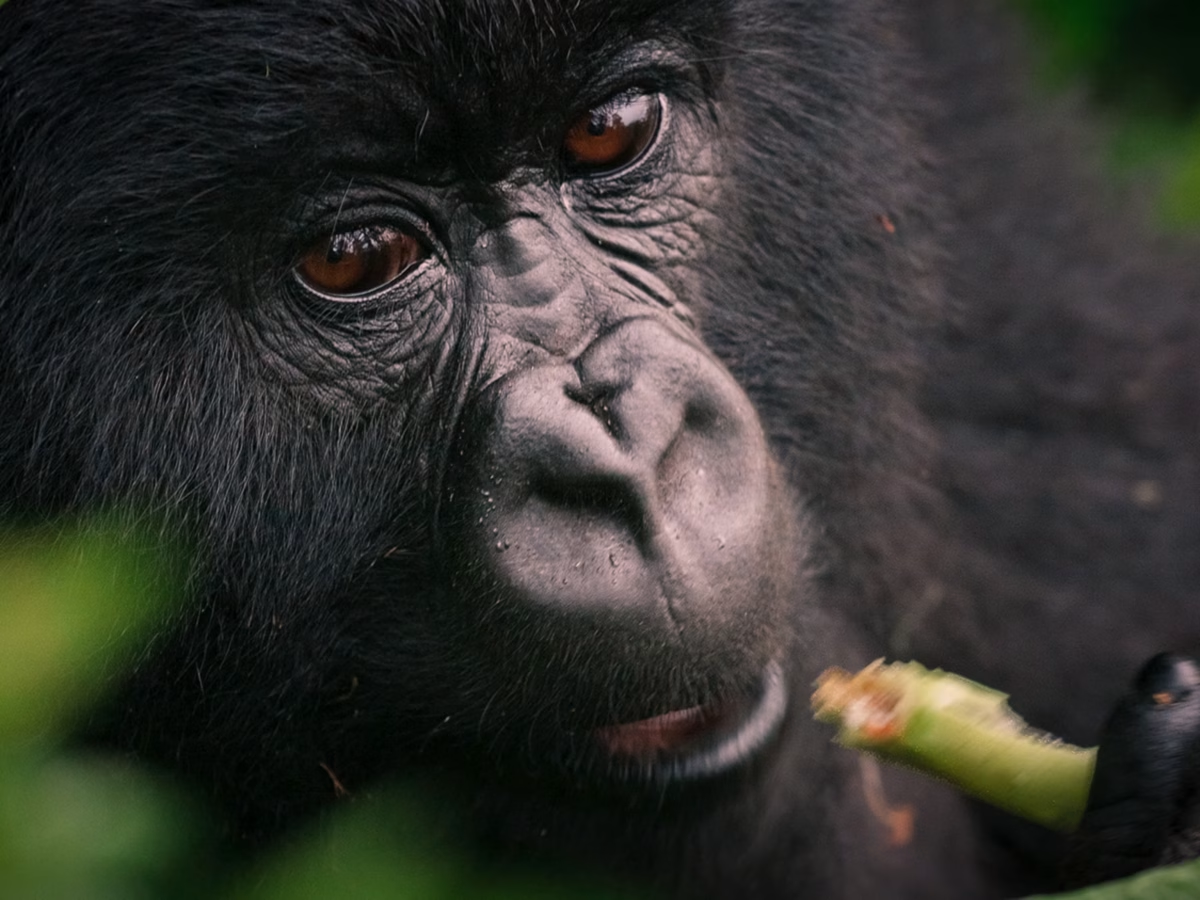
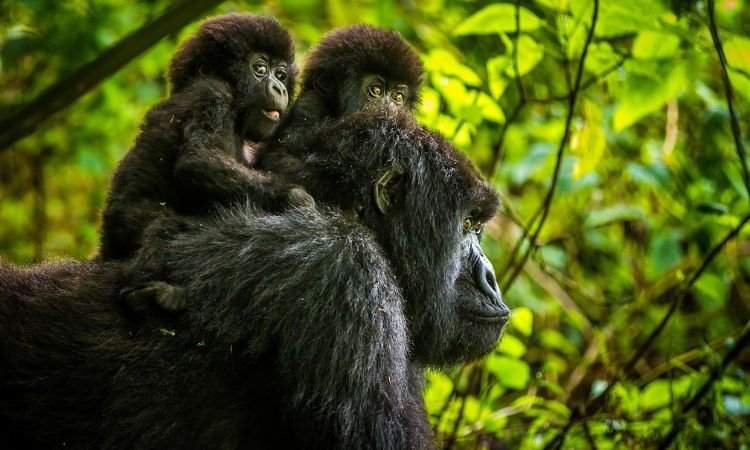
Baby Gorillas

What is Gorilla Habituation Experience and how does it work? In this blog we have compiled all the information you need to know about gorilla habituation experience. 

One of the key differences between a gorilla trek and gorilla habituation experience is that the later takes place with a gorilla troop that is not yet fully accustomed to human presence.

What is Gorilla Habituation?

Gorilla habituation refers to a process through which wild gorillas are gradually introduced to human presence, the process takes about 2-3 years and when it is done. That specific gorilla troop is ready to receive visitors.

Gorilla habituation experience is conducted by a team of specialists that includes conservationists, trackers, researchers and park ranges.

The overall aim for gorilla habituation is to eliminate the fear gorillas naturally feel for humans. By being around the gorillas every day and showing them that humans are not a threat, they learn to be calm and go about their life in the presence of humans. So by the end of the long habituation process, the mountain gorilla troop is still wild and lives in its natural habitats and goes about its normal daily activities. The only change is that the troop is now unfazed by the presence of a small group of humans.

What is Gorilla Habituation Experience?

A gorilla habituation experiences refers to an extended stay with a semi-habituated gorilla troop with a team of specialists as they engage in the habituation process. More specifically, a gorilla habituation experience is a four-four session in which visitors (only four) a day are allowed to tag along with the specialists as they go about the various actions involved in getting a gorilla troop habituated.

Gorilla habituation experience was introduced in 2016 and only four visitors per day are allowed to participate in this extensive gorilla experience.

What is done during a Gorilla Habituation Experience?

A gorilla habituation experience begins with an early morning briefing at the park headquarters, during which a ranger will explain what to expect and some do’s and don’ts when in the presence of the troop .

Then you will head out with the habituation team into the forest.

Note: You will head out much earlier than the gorilla trekking groups.

Led by a tracker or two you will hike into the forested mountains in search of a gorilla troop. You will see how they look for the trail and the nests used by the troop during the night. This is part of the gorilla habituation process, seeing how the trackers work to find a troop. Later in the day, the gorilla treks are able to head straight toward a troop because the trackers have already pinpointed troops’ various locations.

When you find the troop, the rangers will do things like make gorilla calls and grunts. Also, they will chop vegetation with their machetes and talk among themselves. This is done to get the gorillas used to these noises.

Also, the habituation team will also tell you about the troop being visited. This includes things like the names of each gorillas, and their habits and personalities.

Gorilla Habituation Experience
Gorilla Safari in Bwindi Forest
Shyer Gorillas

It is important to note that if the gorilla troop you track is early on in the habituation process, the individuals are going to be quite shy around humans. This means you may not get as close to them as you would on a regular gorilla trek. Some may even stay hidden.

So, it is important to understand that a gorilla habituation experience often introduces visitors to a troop that is shy or nervous around humans. In one sense you are getting a more authentic experience with the gorillas. But some could be disappointed if they are expecting a really close-up encounter.

However if your troop is far along the habituation process, then you may well have a very intimate session with them. We advise managing your expectations, and then if you do get a really friendly troop.

The Four Hours include tracking time.

The during the gorilla habituation experience, some of the four hours of the habituation experience involve tracking the gorillas. Specifically, the time spent tracking the gorillas from their night-time nests. So you won’t necessarily spend four hours in their presence.

How fit do I need to be?

A gorilla habituation experience usually involves a long hike which takes a few hours, so you need reasonable fitness to cope. Often it is also muddy and slippery, so you want to be reasonably sure-footed.

Many trekkers hire porters to carry their backpacks, and we encourage this. Not only does it provide much-need work, you really feel the advantage. The porters who are normally locals will carry your backpacks and also help you navigate the forest with a pull where necessary.

Is there an age limit?

Children under the age of 15 are not allowed to go on a gorilla habituation experience.

Where to Do Gorilla Habituation Experience

Gorilla habituation experience is only offered in Bwindi Impenetrable National Park in southwest Uganda. More specifically, the only part of the park offering a gorilla habituation experience is the Rushaga Sector in the south.

Where to stay on a Gorilla Habituation Experience in Bwindi Forest

Bwindi’s Rushaga Sector has a wide range of accommodation options, from luxury, midrange and budget. These include

  • Gorilla safari lodge
  • Ichumbi Gorilla Lodge
  • Chameleopn Hill Lodge
  • Rushaga Gorilla Camp
  • Mutanda Lake Resort among others.
Gorilla Habituation Experience
Getting to Bwindi by Road

How to get to Bwindi Impenetrable National Park

You can get to Bwindi Impenetrable National Park for a gorilla habituation experience either by road or air.

By Road – It is a journey of approximately 8-9 hours from Entebbe International Airport to the park, this journey seems to be long but it is very rewarding as you get to enjoy the beautiful scenery of hilly country side.

By Air – There domestic and charter flights from Entebbe International Airport to Kisoro Airstrip and continue to the park by road.

How much does Gorilla Habituation Experience Cost

A gorilla habituation permit costs US$ 1,500 per person.

You should book your gorilla permit in advance (at least six months in advance, especially if you want to go during the dry season which are the peak season in Uganda.

Hiring a porter is required costing US$ 20 per person, this doesn’t include a tip and tipping is customary in Uganda. Please consider tipping your rangers and trackers as a way of contributing to the well-being.

Tips are best given in Uganda Shillings.


Gorilla Trekking in Uganda

With two gorilla trekking destination as well as the largest population of mountain gorillas in the world, Uganda is a premier destination for encountering mountain gorillas.

Gorilla trekking in Uganda is a life-changing wildlife experience that allows visitors to come face to face with the endangered mountain gorillas in their natural habitat. On this sustainable wildlife experience you get a chance to stand just a few meters away from a magnificent silverback gorillas, its gentle gaze meeting yours amidst the lush greenery of an ancient forest. This scene looks taken out of the King Kong Movie but in Uganda’s Bwindi Forest and Mgahinga Gorilla National Parks, you live in in real life.

Gorilla trekking in Uganda is an extraordinary adventure that will leave you breathless, change your perspective towards wildlife and a profound love for wild primates.

Gorilla Trekking in Uganda
Baby Gorillas

Why Choose Uganda for Your Gorilla Trekking Safari

Uganda is ranked among the safest African countries for tourists, what sets this beautiful country from other African destinations is the unique and immersive gorilla trekking experience. It is not just about the gorillas themselves (though encounter these gentle giants in their natural habitat in undoubtedly a  life changing experience) it is also about the incredibly stunning landscapes, vibrant cultures, and different trekking options that make Uganda a number one choice for gorilla trekking experience.

Here is why Uganda Should be your Next Gorilla Trekking Destination

  1. More Than Half of the Gorilla Population

Uganda is home to over half of the world’s remaining mountain gorilla population, spread across two different national parks, Bwindi Impenetrable National Park and Mgahinga Gorilla National Park.

The huge number of mountain gorillas in Uganda means as a visitor on a gorilla trekking in Uganda adventure, you have a higher chance of encountering these incredible creatures than anywhere else in the world.

  1. Five Gorilla Trekking Centres/sectors

Bwindi Impenetrable National Park has four gorilla trekking sectors – Buhoma, Ruhaga, Nkuringo and Ruhija, and Mgahinga Gorilla National Park has only one that is Nyakagezi. With these five gorilla trekking centres you are assured of getting a gorilla permit in a sector that best suits your lodging preferences as well as fitness level.

Each gorilla trekking sector offers unique landscapes, ensuring no two gorilla hikes in Uganda are the same.

  1. Affordable for Every Budget

Compared to fellow gorilla trekking destination – Rwanda, gorilla trekking permits in Uganda are more budget-friendly – US$ 800 compared to Rwanda’s $ 1,500, making gorilla trekking in Uganda  accessible to a wide range travellers.

  1. Accommodation for every budget

Uganda offers a wide range of accommodation options near both Bwindi Impenetrable National Park and Mgahinga. From budget-friendly lodges to luxurious eco-lodges and private villas, you will find a perfect place to stay, rest and recharge after your gorilla trek.

  1. Cultural Immersion

Gorilla trekking in Uganda happens in a rural setting where you can immerse yourself in the fascinating cultures and traditions of Uganda’s remote communities. Learn about their traditions, customs, and the critical role they play in gorilla conservation.

  1. Rich Biodiversity Beyond Gorillas

Uganda protects a rich biodiversity beyond mountain gorillas, the country has more parks situated near gorilla sanctuaries offering incredible wildlife viewing safaris. On a gorilla trekking in Uganda safari, you can extend your adventure to Queen Elizabeth National Park, Kibale forest National Park, Lake Mburo National Park and Murchison Falls National Park among others to see Africa’s iconic animals like elephants, lions, leopards, buffaloes and a myriad of bird species.

Gorilla Trekking in Uganda
Misty Forests of Southern Uganda

Where to Go Gorilla Trekking in Uganda?

Uganda has two national parks (protected areas) where gorilla trekking is done.

Bwindi Impenetrable National Park

Bwindi Impenetrable National Park is the best place to see mountain gorilla in the world and is home to largest groups of habituated gorilla groups in the world, this impenetrable forest is a World Heritage Site hosts both montane and lowland forest providing a verdant habitat for about 120 species of mammals, 350 bird species, 220 butterfly species, plus many more reptiles and amphibians.

Gorilla trekking in Bwindi Impenetrable National Park is done in 4 gorilla trekking sectors that is Buhoma Sector, Ruhija Sector, Nkuringo and Rushaga Sector. Each of these sectors has a specific starting point as well habituated gorilla families. So when booking your gorilla trekking in Uganda adventure make sure the sector where your location is situated matches with the gorilla trekking sector you have booked as indicated on your gorilla permit.

Mgahinga Gorilla National Park

Mgahinga Gorilla National Park is the second gorilla trekking destination in Uganda sitting high in the clouds, at an altitude of between 2,227m and 4,127m. Mgahinga protects only one habituated gorilla family – Nyakagezi, this gorilla family used to move to the forests of Rwanda and DR.Congo, however it has recently settled in Uganda.

What to Expect During Your Gorilla Trek in Uganda

Your gorilla trekking in Uganda adventure begins with an early morning briefing at the park headquarters. Here, a senior guides will provide essential information about gorilla behaviour, safety guides, and what to expect during the trek.

The trek itself is an exhilarating journey through the dense rainforests of Bwindi Forest or Mgahinga following trails that wind through lush vegetation and across varying terrain. The duration of the trek can range from 30 minutes to several hours, depending on the location of the gorilla family you will be visiting.

Once you encounter the gorillas, prepare to be charmed. You will have one precious hours to observe these incredible creatures in their natural habitat. Watch the gorillas play, groom each other, and forage for food. Witness the silverback’s gentle leadership and the playful antics of the youngsters. This is an experience you will cherish for a lifetime.

Gorilla Trekking in Uganda
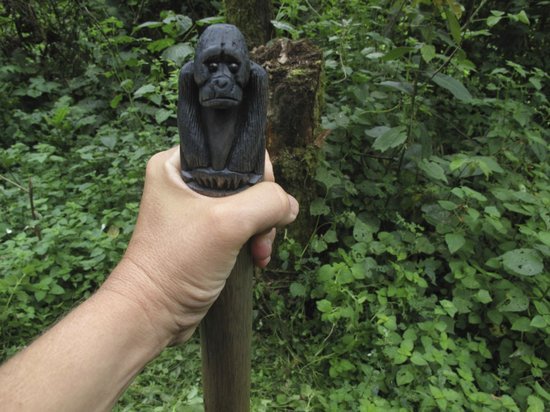
Gorilla Walking Stick
Tips for Gorilla Trekking

Fitness – While a moderate level of fitness is sufficient, be prepared for some uphill climbs and uneven terrain.

Weather – Uganda’s weather can be unpredictable most especially in the gorilla destinations which are dominated by tropical forests, here it can rain any time of the day, so pack for both rain and sunshine.

Photography – Use a camera with good zoom lens for great gorilla photography, and avoid using flash to avoid disturbing the gorillas.

Tipping – Tipping guides and porters is customary and appreciated in Uganda.

Frequently Asked Questions about Gorilla Trekking in Uganda
How much does gorilla trekking in Uganda cost

The cost of gorilla trekking in Uganda is influenced by several factors and the major one is a gorilla trekking permit costing USD 800 for foreign non-resident. Additional costs include transportation, accommodation and park fees.

How to get a gorilla trekking permit in Uganda

Gorilla trekking permits in Uganda are issued by Uganda Wildlife Authority (UWA) and one can obtain it through a reputable tour operator.

When is the best time for gorilla trekking in Uganda?

The dry seasons (December to February) and June to August are generally considered to best times, but gorilla trekking is possible year – round.

Is gorilla trekking safe?

Yes, gorilla trekking in Uganda is safe especially when done is a reputable tour operator and following the guidelines provided by park authorities.

Can I trek gorillas if I’m not physically fit?

Visitors going on gorilla trekking in Uganda a moderate fitness is recommended, porter are available to assist with carrying your belongings and providing support during the trek.


5 most magnificent Uganda National Parks

In every corner you turn in Uganda’s national parks, there is an adventure. Uganda is a haven for nature enthusiasts seeking an unparalleled wildlife experience. This beautiful country boasts an extraordinary abundance of bidodiversity, where lush rainforests, expansive savannahs and shimmering lakes converge to form a breathtaking tapestry of natural wonders.

5 most magnificent Uganda National Parks
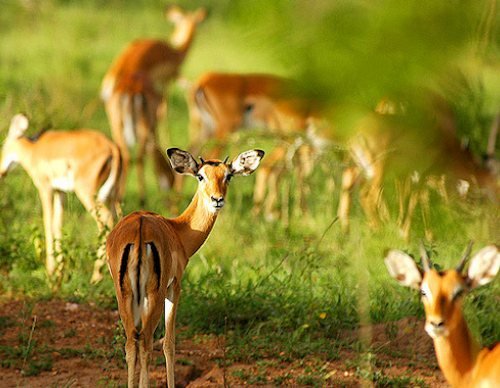
Uganda Kobs in Queen Elizabeth National Park

From the misty rainforest jungles of Bwindi Impenetrable National Park to the savannah plains of Kidepo Valley National Park, Uganda offers a privileged glimpse into the realm of some of the world’s most magnificent creatures. Of all the protected national parks Uganda in Uganda, in this article we list the 5 most magnificent Uganda National Parks.

  1. Bwindi Impenetrable National Park

Bwindi Impenetrable National Park is not only one of the 5 most magnificent Uganda National Parks but also the most incredible destination on the whole continent offering some of the world’s most thrilling safari experiences one should experience one in a life time – gorilla trekking.

Bwindi Impenetrable National Park is one of the few locations in the world where tourists can track and encounter mountain gorillas. Alongside expert guides, visitors can navigate the steep and abundant rainforest in the hopes of spending a precious hour in the company of a family of gorillas. As you watch the gorillas respectfully from a distance of 7 meters, you can see the forage, groom and go about their daily lives.

5 most magnificent Uganda National Parks
Gorilla Trekking in Bwindi Forest

While gorilla trekking entirely unforgettable, it is not the only way to explore the protected forest. Join a guided birdwatching or plant-spotting walk, and you will hear and see a host of fascinating species. Additionally, Batwa Cultural performers, whose ancestors lived among the trees, run organized events on the forest fringes to share the rich heritage.

Bwindi Impenetrable National Park is best for trekking with mountain gorillas and cultural encounters with the Batwa People.

  1. Rwenzori Mountains National Park

The Rwenzori Mountains National Park is the most spectacular national park in Uganda, the park has been a world heritage site since 1994 containing Africa’s third highest mountain, Margherita Peak on Mount Stanley (5,109m). Ecologically, geologically and culturally, Rwenzori Mountains National Park is hugely significant containing the highest and most permanent sources of the River Nile and a bounty of endemic plants, including giant heathers, groundsels, lobelias and medicinal herbs.

Mount Rwenzori Climbing

The park is challenging to explore, however for resilient hikers and climbers, the Rwenzoris’ stiking alpine scenery has masses of rugged appeal, with snowy glaciers, fast-flowing rivers, lakes and waterfalls. Birdlife in plenty, and with luck you can also spot forest elephants, L’Hoest monkeys, Rwenzori black – fronted duikers.

Often called the Mountains of the Moon, Rwenzori Mountains rise majestically in western Uganda along the Uganda – DR.Congo border. This 120 km-long and 65 km-wide mountain range is home to some of the most breathtaking and diverse landscapes in Africa, from equatorial snow-capped peaks to lush montane forests and moorlands.

 Rwenzori Mountains National Park is best for rare, high-altitude flora and fauna.

  1. Kidepo Valley National Park

Kidepo Valley National Park is the least known of Uganda national parks but is one of the most beautiful parks in the country, only compared to Masai Mara National Reserve in Kenya and Serengeti National Park in Tanzania. Kidepo Valley National Park and its picturesque savannahs are a stronghold of the rare and endangered Rothschild’s giraffes – a subspecies of the Northern giraffe.

The park is named after the seasonal Kidepo River, it is tucked away in Uganda’s remote northern reaches, over 10 hours of drive by road from Kampala – the capital of Uganda. A Uganda safari to Kidepo Valley National Park is very rewarding, you could spot cheetahs, ostriches, bat-eared foxes, and other aridity – adapted species found nowhere else in Uganda.

5 most magnificent Uganda National Parks
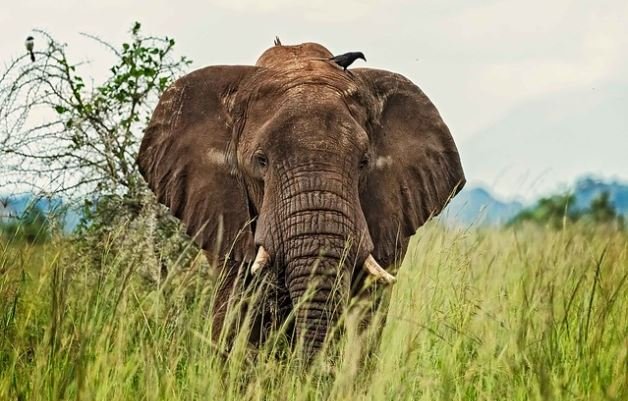
Elephants in Kidepo Valley National Park

Kidepo Valley National Park is a true gem with huge abundance in wildlife and it remains a true rendition of tourism in Uganda but it remains unknown to many. The park was gazette into a national park in the year 1962 and currently hosts over 75 species of mammals and 470 species of birds.

Kidepo Valley National Park is best for semi-arid savannah, giraffes and cheetahs.

  1. Murchison Falls National Park

Murchison Falls National Park – the largest park in Uganda is where the Nile River – a river of legends, surges through Uganda with youthful vigour. One of the most spectacular cascades likes at the heart of Murchison Falls National Park.

Here the water flowing between Lake Victoria and Lake Albert tumbles through a rocky gorge, just seven to ten metres wide, at around 300 cubic metres per second. For energizing views, visit the Top of the Falls Viewpoint or follow the gorge’s hiking trails.

5 most magnificent Uganda National Parks

Below the Murchison Falls – the most powerful falls in the world, the banks are richly vegetated, and the waters serene. Take a leisurely afternoon boat trip along the Victoria Nile from Paraa, and you will see hippos, elephants, crocodiles and dozens of birds among the Borassus palms and papyrus stalks.

Murchison Falls National Park is formerly known as the Kabalega National Park and was first gazetted as a protected area in 1927 and today is the largest park in Uganda covering an area of 3840 square kilometers. The park is located in Northern Uganda, northwest of the capital Kampala, and extends its boundaries to a number of districts within and beyond the Bunyoro Escarpment including Nwoya, Masindi, Kiryandongo and Buyisa. Murchison Falls National Park lies in the northernmost reaches of the Albertine Rift Valley with its terrain bisected by the Victoria Nile.

Murchison Falls National Park is best for witnessing the Victoria Nile, hippos and elephants.

  1. Mount Elgon National Park

The scenic Mount Elgon National Park is one of the 5 most magnificent Uganda National Park stretching on the foothills of Mount Elgon – Africa’s eight-highest massif, located on the Ugandan-Kenyan border, far quieter than other major East African mountain destinations such as Kilimanjaro, Mount Kenya and the Rwenzori.

Mount Elgon National Park can be explored on foot and is an excellent option for hikers and climbers seeking a peaceful, good-value adventure. There are three main trailheads that are accessible by road, and park entrance and guiding fees are very affordable.

5 most magnificent Uganda National Parks
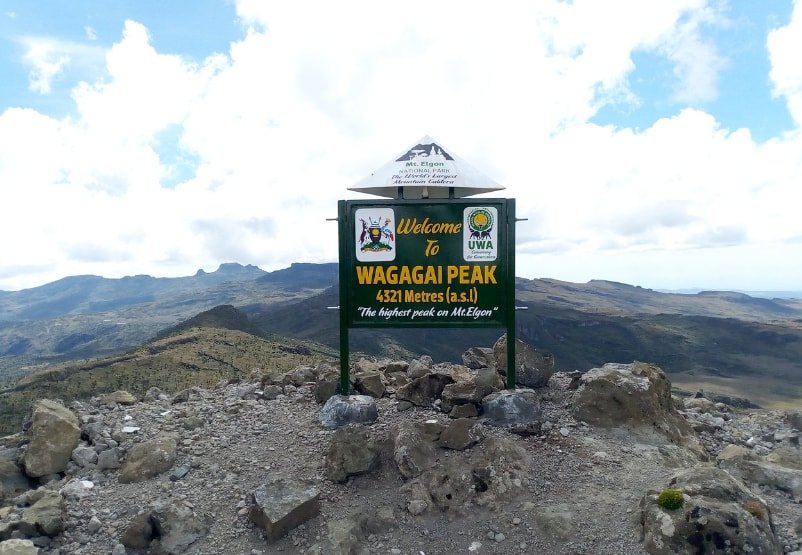
Wagagai Peak of Mount Elgon

Mount Elgon National Park is situated roughly 140 kilometers to the northeast of Lake Victoria, this park has two sides that is the Ugandan side covering 1110 square kilometers, while the Kenyan part covers 169 square kilometers. At 4,000 square kilometers, Mount Elgon is the largest and oldest solitary and volcanic mountain in East Africa. It stretches 80 km in diameter and rises above 3,000 beyond the surrounding plains.

Mount Elgon National Park is a perfect Uganda National Park to visit for budget-friendly mountain adventures.

Embark on a remarkable safari journey into Uganda’s national parks and get an opportunity to meet the majestic mountain gorillas to observe these fascinating creatures in their natural habitat, traverse the expansive savannahs of Murchison Falls National Park where the stunning waterfalls await, and experience the diverse culture.


Reasons to go on a Rwanda Safari


Rwanda is ranked among the most incredible safari destinations in Africa offering an enchanting safari journey through the land of a thousand hills.

Because of Rwanda’s small size, its attractions are within easy reach and since it is easy to access Volcanoes National Park from Kigali City – the capital (which is only a few hours’ drive away), it makes Rwanda a more appealing destination for gorilla trekking. Meet the park’s habituated gorilla families for an authentic and awe-inspiring gorilla trekking.

Rwanda Safari
Golden monkeys in Volcanoes National Park

Continue you Rwanda Safari to visit the playful and charming chimpanzee families in Nyungwe National Park and see other 12 primate species, adding a layer of thrills and adventure to your travels. Spice up your expedition with game viewing drives in Akagera National Park to witness the reintroduction of the Big Five.

In this blog, we detail the top reasons to go on a Rwanda Safari

Gorilla Trekking

Rwanda is the best destination for gorilla trekking offering a grand opportunity to see the endangered mountain gorillas up close in Volcanoes National Park. The conservation efforts to protect these endangered primates have created a unique opportunity for gorilla safaris.

“Sit silently in the misty forest and marvel as these gentle creatures play, eat, and interact with each other. Their soulful eyes will penetrate deep within you”

Volcanoes National Park is the best gorilla trekking destination in Africa, this beautiful park is part of the Virunga Volcanoes which are shared between Uganda, Rwanda and DR.Congo. Mountain gorillas are the primate attraction in Volcanoes National Park and can be trekked all year round.

Rwanda Safari
Mountain Gorillas in Rwanda

Mountain Gorillas in Volcanoes National Park – There are several gorilla families in the park, with some habituated for gorilla tourism and others for research, whereas others are not habituated. Volcanoes National Park has 10 habituated gorilla families open for gorilla trekking. These include

  1. Bwenge Gorilla Group
  2. Titus Gorilla Group
  3. Karisimbi/Susa B Gorilla Group
  4. Susa (A) Gorilla Group
  5. Umubano Gorilla Group
  6. Group 13/Agasha Gorilla Group
  7. Kwitonda Gorilla Group
  8. Sabyinyo Gorilla Group
  9. Hirwa Gorilla Group
  10. Amahoro Gorilla Group

To take part in gorilla trekking in Rwanda’s Volcanoes National Park you need to acquire a gorilla trekking permit costing US$ 1,500 per person per trek.

Rich Primate Diversity

Rwanda’s Nyungwe Forest National Park is a sanctuary and home to many primate species – 13 primate species, including the famous chimpanzees, elusive golden monkeys, Angolan colobus monkeys, L’Hoest’s monkey, Owl-faced monkey and Red-tailed monkey.

Rwanda is a captivating destination that is loved by travelers worldwide for its breathtaking landscape as well as remarkable wildlife. Observing primates in their natural habitat is one of the most enchanting experiences in Rwanda, from the world-famous and endangered mountain gorillas and golden monkeys.

Nyungwe Forest National Park – the primate capital of Rwanda is located in south western Rwanda, protecting one of the most world’s most beautiful and pristine rainforests. Chimpanzee trekking is the main primate activity to do in Nyungwe Forest National Park, the forest has a semi-habituated group of around 40 members which are tracked.

To take part in chimpanzee trekking in Nyungwe Forest National Park, you need a chimpanzee trekking permit costing US$ 250 per person per trek.

In addition to mountain gorillas in Volcanoes National Park and chimpanzees in Nyungwe Forest National Park, you can trek the endangered golden monkeys found in bamboo forests of Volcanoes National Park. You need a golden monkey trekking permit costing USD 100 per person per trek.

Birdwatcher’s Paradise

With over 703 bird species, Rwanda is a bird lover’s paradise hosting an impressive bird population including 29 Albertine Rift Endemics, spread across diverse habitats. Rwanda stands out as a primate location for African Montane bird watching, offering fantastic opportunities for bird watching.

Rwanda does not have any bird species that are entirely unique to the country. However, it is home to 29 Rift Valley Endemic birds found in the high-altitude rainforest area around Nyungwe Forest National Park and Gishwati – Mukura National Parks.

Rwanda Safari
Birds of Rwanda

Birds in Rwanda include Albertine boubou, Albertine owlet, Archer’s robin-chat, Black-faced apalis, Blue-headed sunbird, Congo bay owl, Dusky crimsonwing, Grauer’s swamp warbler, Grauer’s warbler, Handsome francolin, Kivu ground thrush, Kungwe apalis, Neumann’s warbler, Purple-breasted sunbird, Red-collared babbler, Red-faced woodland warbler, Red-throated alethe, Regal sunbird, Rockefeller’s sunbird, Ruwenzori apalis, Ruwenzori batis, Ruwenzori double-collared sunbird, Ruwenzori nightjar, Ruwenzori turaco, Schouteden’s swift, Strange weaver, Stripe-breasted tit, Willard’s sooty boubou and Yellow-eyed black flycatcher among others

With several bird habitats, the best birding destinations in Rwanda include Nyungwe Forest National Park, Volcanoes National Park, Akagera National Park and Gishwati – Mukura National Parks.

Best Time for Bird watching in Rwanda

Bird watching in Rwanda is a great al year-round, with a focus on the resident birds. However, the best time for bird watching in Rwanda’s most incredible birding destinations like Nyungwe Forest National Park is from January to June, when most birds are vocal. However, April can be challenging due to heavy rainfall.

Diverse Wildlife

Each of Rwanda’s four national parks protects distinct ecosystems, and Akagera National Park nestled in Rwanda’s eastern province is a captivating haven of biodiversity. Its rolling highlands, vast savannah plains, and swamp fringed lakes harbor remarkable wildlife species including Africa’s Big Five – lions, leopards, elephants, buffaloes and rhinos. Other animals in the park include zebras, giraffes, and antelopes, and over 500 bird species.

Rwanda Safari
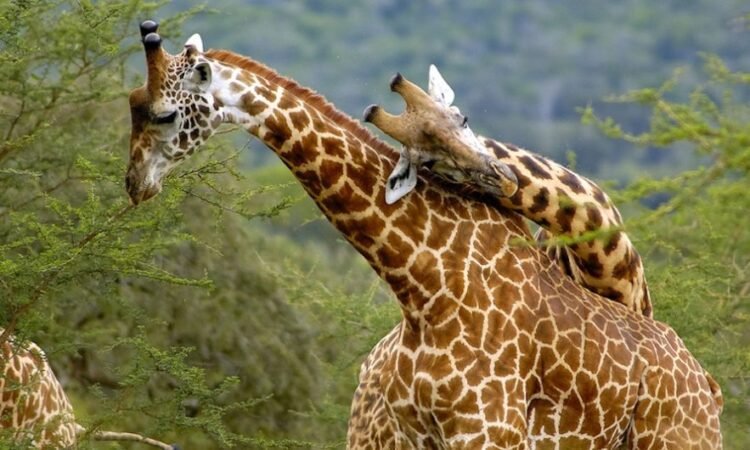
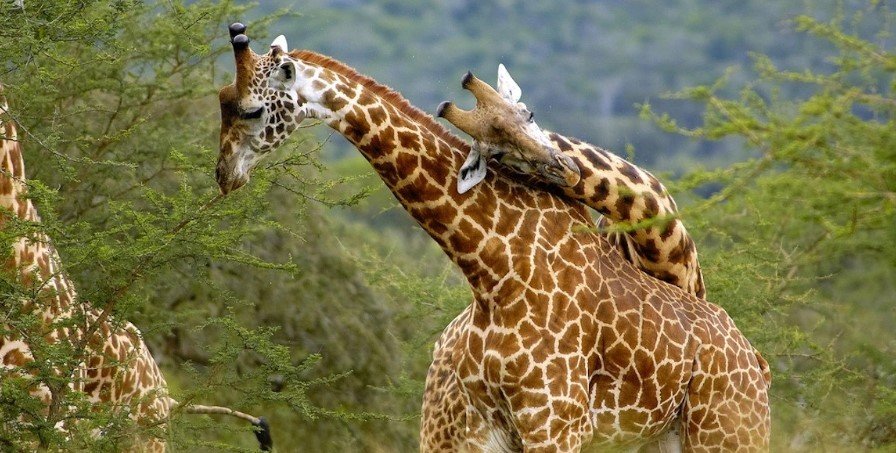
Giraffes in Akagera National Park

Visit Rwanda on an enchanting safari journey through the land of a thousand hills, visit and explore Volcanoes National Park with its mystical gorillas, while Nyungwe National Park hosts chimpanzees amidst ancient forests. Head to Akagera National Park, where zebras, giraffes and lions roam the savannahs. And take on the tranquil shores of Lake Kivu for kayaking and boat cruises.

Mgahinga Gorilla National Park

At a size of just 33.7 square kilometres, Mgahinga Gorilla National Park is the smallest national park in Uganda and the second home to the endangered mountain gorillas as well as the endangered golden monkeys that is why it is referred to as a place where Silver meets Gold.

Mgahinga Gorilla National Park

Mgahinga Gorilla National Park is located in the corner of south western Uganda in Kisoro District, 12.5km south of Kisoro Town council. The park forms the northeastern part of the Virunga Volcano ranges which extends into DR.Congo and Rwanda, and it comprises of three volcanoes that is Mount Muhavura, Gahinga and Sabinyo.

The summit of Mount Muhavura is the highest point of Mgahinga Gorilla National Park at 4,127m and has a smaller crater lake that tourists may wish to visit. The view from the summit is often obscured by the cloud, The Park is dominated by a range of vegetation types including montane, alpine and sun-alpine flora at the different levels up the volcano’s varying altitude. it is possible to climb to the peaks of Mount Gahinga, Sabinyo and Muhavura, although you need to be abit fit to summit.

Traditionally, Mahinga was used as an over-flow gorilla tracking destination in Bwindi, but that has changed for two reason. The first is that the increase in the cost of the Rwandan gorilla permits to $1,500 per person has prompted visitors to explore Rwanda and then cross the border to Mgahinga where the treks cost $800per person.

The second reason is that Mgahinga is such as a wonderful place to visit. Situated closelu to Lake Mutanda and Lake Bunyoni.

In addition to gorilla treks and golden monkey trekking (both the standard and the longer habituation experience) – Mahinga is an excellent general trekking destination.

Flora and Fauna in Mgahinga Gorilla National Park

Mgahinga Gorilla National Park is relatively small and much of the original Afro-montane forest has been lost to tree felling and cultivation, but the biodiversity remains high. The park hosts 76 recorded mammal species including the endangered mountain gorillas and the golden monkeys.

Mgahinga’s habituation gorilla family – Nyakagezi is known for moving between Uganda and Rwanda. The golden monkeys are a distinctive species found only in the Virungas which a population between 3,000 and 4,000, with about 60 being habituated to human contact in Mgahinga Gorilla National Park.

The park’s avifauna is less diverse, with a current species list of 115 birds including several localised forest species and 12 Albertine Rift endemics. Birds in Mgahinga Gorilla National Park include the Ibis, Pin-tailed Whydah, Speckled Mousebird, Stone Chat, Grey-capped Warbler, Wax Bills, Yellow-vented Bulbul, Firefinch, White-naped Raven, Black Kite, Rwenzori Turaco, Blue-headed Coucal, Paradise Fly-catcher, Rwenzori Batis, Double-collared Sunbird, Rwenzori Nightjar among others.

Uganda Safari Activities to do in Mgahinga Gorilla National Park

Gorilla Trekking

Gorilla trekking is the highlight activity of a Mgahinga Safari, the park hosts one habituated gorilla family – Nyakagezi. Gorilla trekking in Mgahinga departs in the morning at about 9 am and the length of the trek before you make contact with the gorilla depends on the location of the gorilla family. You are allowed spend one hour in the presence of the gorillas observing them play, feed and groom, all while keeping a distance of 7 meters.

When an hour elapses, you return to the park headquarters to pick your gorilla trekking certificates and return to your lodge where you will spend the rest of the day reminiscing about the day’s encounter.

Mgahinga Gorilla National Park
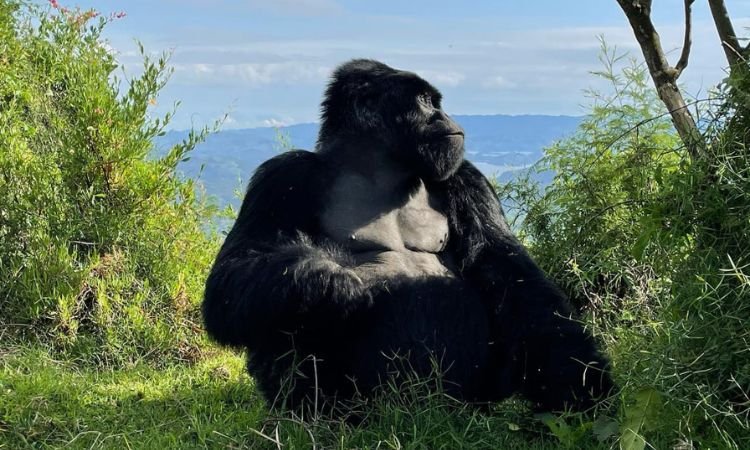
Silverback in Mgahinga

Mgahinga Gorilla National Park’s only habituated gorilla family – Nyakagezi group has five silverbacks, two adult females and three young gorillas. between 2004 and 2012, after being attacked by a lone silverback, the family spent most of the time on the Rwanda side of the border. However, since 2012, they have been a regular presence on the Ugandan side. In the event they move again after purchasing your gorilla permit, the Uganda Wildlife Authority has committed to moving the treks to Bwindi or refunding the money.

Just like in Bwindi Impenetrable National Park, gorilla trekking in Mgahinga can be tough and challenging. You need to be physically and mentally prepared and adequately dressed.

Golden Monkey Trekking

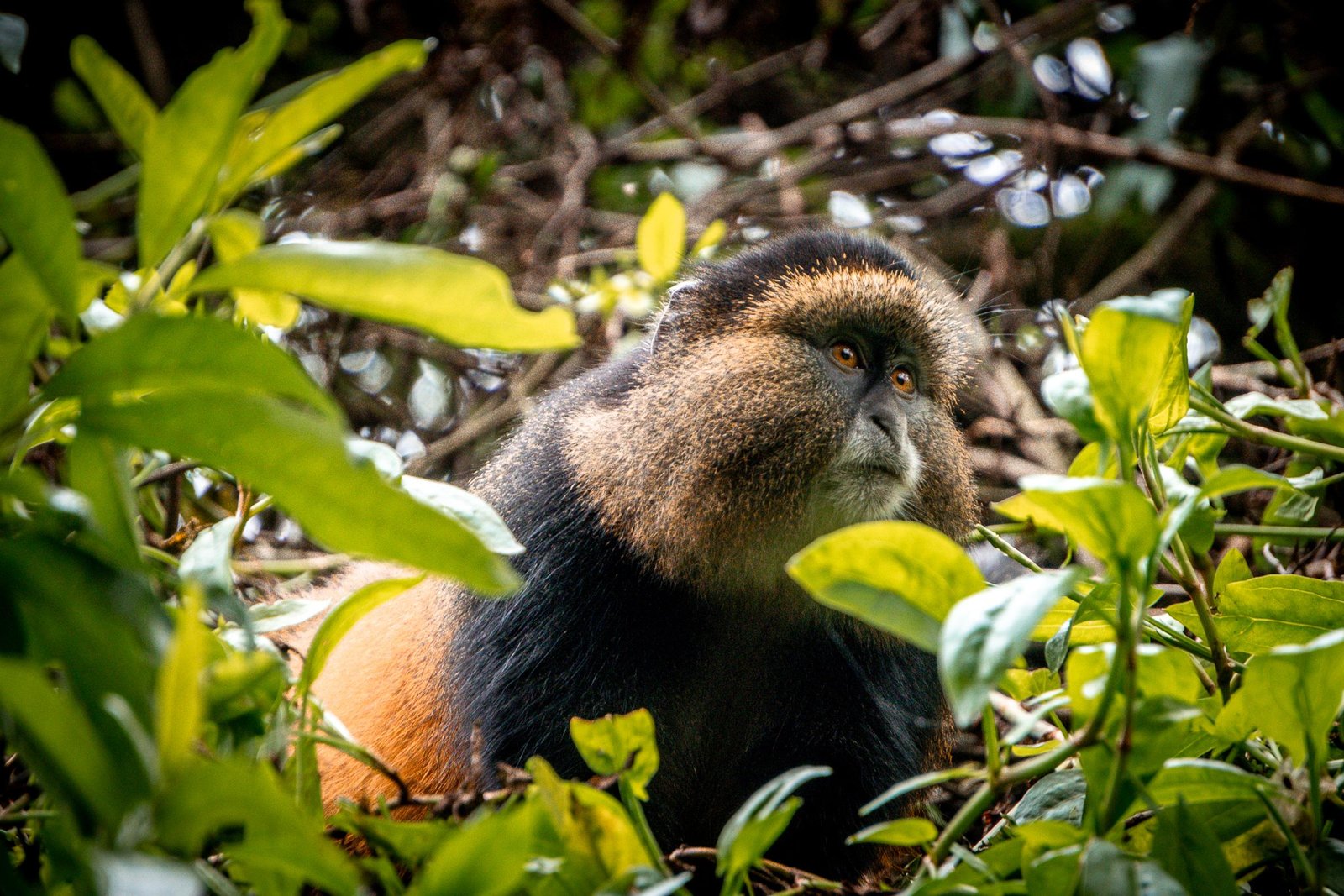
Mgahinga Gorilla National Park is ranked as the best place to see the rare golden monkeys in Africa, the golden monkeys are large, inquisitive and mischievous old world monkeys living in the bamboo zone of the Virunga Volcanoes. They are a bright orange – gold body, cheeks and tail, with black limbs, crown and tail-end.

Mgahinga Gorilla National Park
Golden monkeys in Mgahinga

On a gorilla trekking experience in Mgahinga, you trek a habituated gorilla group which is used to humans and while in their presence, you will watch them continue their foraging and playful interactions without pause.

The golden monkeys are found above 2,500 meters, and the trek can be challenging, but not as tough as gorilla trekking. Mgahinga Gorilla National Park offers standard golden monkey trekking as well as golden monkey habituation experience.

Guided Volcano Treks

Mgahinga Gorilla National Park is dotted with beautiful Virunga Volcanoes offering thrilling volcano climbing experiences. The treks depart daily at 7:30 and all last from 7 to 9 hours depending on the fitness and interest of the trekkers.

The shortest route is the 1,100 metre climb from the park gate to Gahinga’s peak. The route to Sabyiyo’s peak involves a 1,300-metre climb on an 8-hour round route. Climbers should note that the final approach to the summit uses a ladder climb up the three consecutive rock faces.

The greatest climb is to the 4,127m summit of Muhabura Peak. Hikers should lookout for symptoms of high altitude sickness following an ascent of 1,793m from the trailhead. No rock faces are involved, but the trek doesn’t take grit and determination as you trudge across Afro-montane moorland.

Getting to Mgahinga Gorilla National Park

Mgahinga Gorilla National Park is approximately 14km on rough roads from the town of Kisoro, the main entry point to Southern Uganda. The park is also accessed from Kampala – the capital city of Uganda by road and air.

By road the park can be reached on a journey of 8-9 hours and by air, there are domestic/charter flights from Entebbe International Airport to Kisoro Airstrip and connect to the park by road.

When to visit Mgahinga Gorilla National Park

Due Mgahinga Gorilla National Park as well as Uganda’s location near the equator and the increasingly variable climate, you should always expect rain when visiting Uganda with the heaviest rainfall normally occurring from mid-March to the end of May and then again at the end of September through to November.

While the rains in March to May are often short, those in September to November are more often characterised by hours of soft drizzle.

Mountain gorillas in Mgahinga Gorilla National Park can be tracked at any time of year, but it does become harder when the trails are muddy and water is running down soaking you through. So the most popular times to track mountain gorillas is the drier months of June to mid-September and December, January and February.

Lodges in Mgahinga Gorilla National Park
Where to stay in Mgahinga Gorilla National Park

There is a range of accommodation options in Mgahinga Gorilla National Park ranging from budget, midrange to luxury, these include

  • Mgahinga Gorilla Lodge
  • Lake Mutanda Lodge
  • Chameleon Hill Lodge
  • Lake Mulehe Gorilla Lodge