10 Amazing Lion Facts

10 Amazing Lion Facts

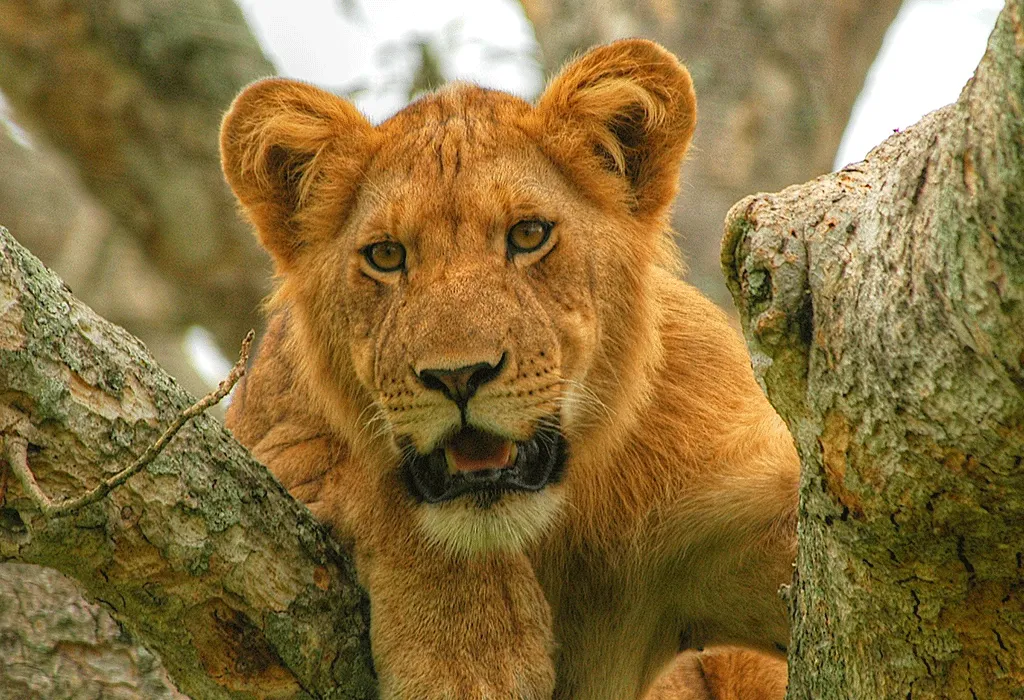
Lion – Panthera Leo is a large cat of the genus Panthera, native to Sub – Sarahan Africa and India. Throughout history, African lions have been admired as symbols of courage and strength. These iconic animals have powerful bodies in the cat family, they are only second to tigers in size. One of the fascinating things about lions is their roar that can be heard from five miles away.
10 Amazing Lion Facts
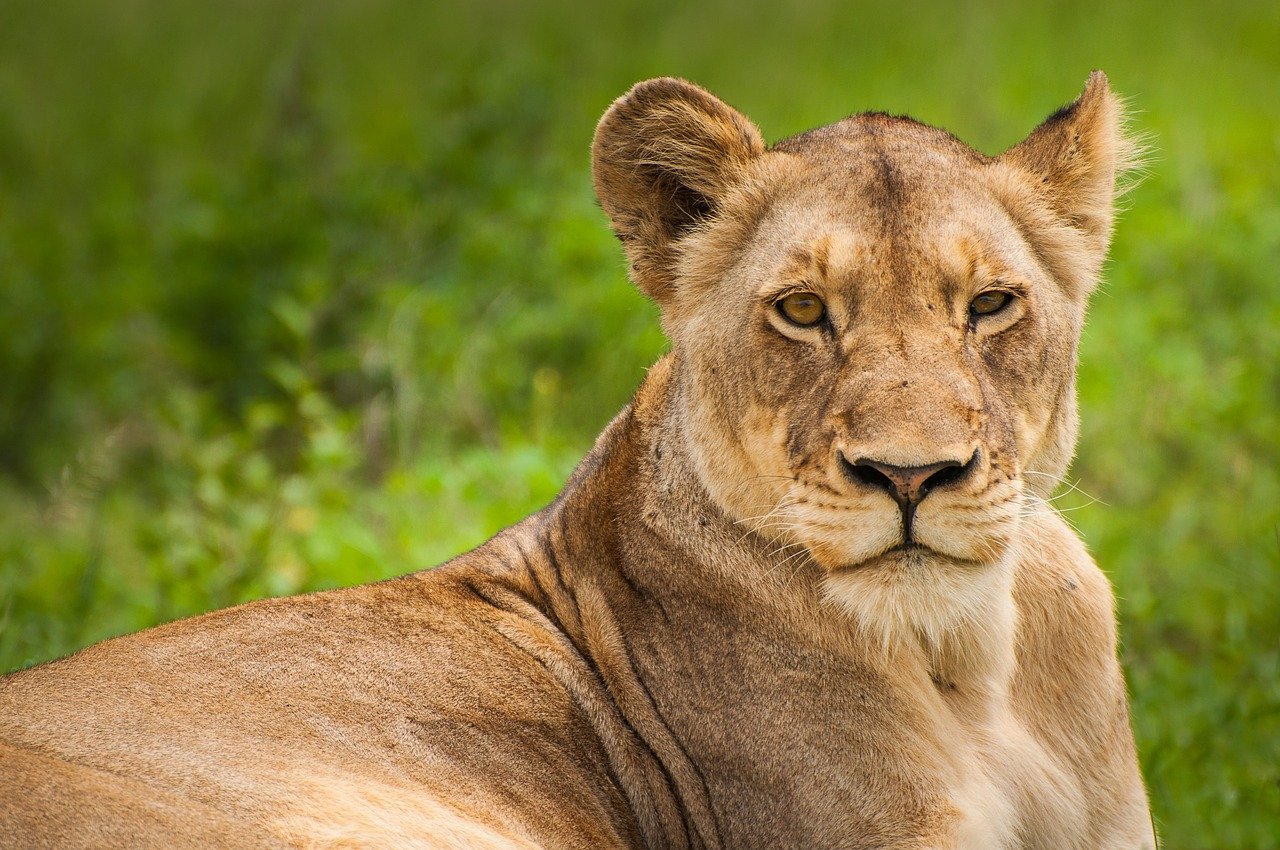
Lioness

An adult lion’s coat is yellow-gold, and juveniles have some light spots that disappear with age. Only male lions typically boast manes, the impressive fringe of long hair that encircles their heads.

Nothing symbolizes Africa’s untamed beauty quite like the lion. As one of the most iconic animals of the Big Five, lions represent strength, courage and power. Whether roaming the vast plains of Serengeti National Park and Ngorongoro Conservation Area in Tanzania, Masai Mara National Reserve in Kenya and Queen Elizabeth National Park and Murchison Falls National Park in Uganda. These big cats are an unforgettable sights on an East African safari.

In this blog, we explore the 10 amazing lion facts, the most iconic animal of Africa’s Big 5.

  1. Lions are Social Cats

Unlike tigers and leopards, lions are highly social animals. They live in prides of 10 – 15 members, though some super prides can number 40 lions or more. Each pride consists of related females, their cubs, and a few dominant males who protect their territory.

  1. Lions need to eat everyday

Lions can survive without drinking water for up to four days, but they must eat daily. Lionesses consume 11 pounds of meat per day, while males require 16 pounds or more. They primarily hunt large prey like zebra, wildebeests, and buffalo, but they will also snack on smaller animals like hares, birds and reptiles.

  1. Lionesses do the hunting

Females are the primary hunters, using teamwork and agility to take down prey. However, despite their hunting prowess, male lions eat first, followed by lionesses and finally the cubs.

  1. Lions are built for the hunt

Lions are stealthy ambush predators, they fan out in a semi-circle, driving prey towards waiting hunters. Their night vision is six times stronger than a human’s giving them an edge after dark.

A lion can sprint 50 mph and leap up to 36 feet, making them one of Africa’s most efficient hunters. The hunting for lions is facilitated by their claws that reach up to one and a half inches in length, allowing for incredible control when going in for a kill. Lions can reach speeds of up to 50 miles per hours and can jump up to 36 feet.
10 Amazing Lion Facts
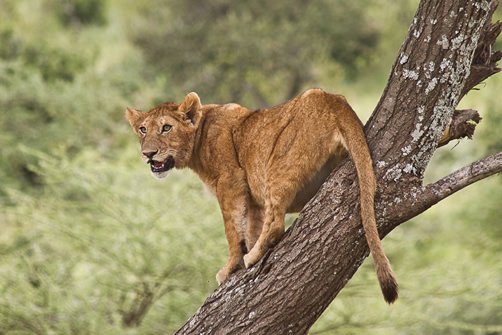
Tree Climbing Lions in Ishasha Sector
  1. Lions do not live in Jungles

Despite being called the “King of the Jungle” Lions in Africa inhabit savannahs and open plains, not dense forests. Tanzania safari destinations like Serengeti National Park and Masai Mara National Reserve, lions are often spotted lounging under acacia trees or roaming the golden grasslands.

  1. Lions communicate in many ways

Lions communicate through different ways including roar, growl, grunt, and plurr. Their mighty roar, which warns rivals and marks territory, can be heard up to 5 miles away. Also, they use scent markings, mane darkness, and affectionate head rubs to bond with pride members.

  1. Lions raise their cubs

Lionesses give birth around the same time, allowing them to co-raise their cubs. At around two years old, male cubs are forced out of the pride to form their own coalitions. While male lions don’t directly parent, they fiercely protect the pride’s cubs from threats.

Fun Facts about Lion Cub

  • Lion cubs are born blind and they open their eyes at three weeks old
  • Lionesses hide their cubs for six weeks to keep them safe
  • Cubs spend their early years playing, wrestling, and practicing hunting skills.
  1. Lions are the second largest big cat

Lions are only slightly smaller than Siberian tigers. Males can weigh up to 550 pounds, while females can reach 390 pounds. Unlike other big cats, lions rely on teamwork rather than solitary hunting.

  1. Some lions can climb trees

Lions are not known for climbing trees but in Tanzania’s Lake Manyara National Park, Tarangire National Park and Serengeti National Park, and Ishasha Sector of Queen Elizabeth National Park you may spot tree-climbing lions.

For a lion to successfully climb a trees, it has to be a certain type of tree horizontal branches that aren’t too far above ground seem to be idea.

  1. Lions hunt during storms

Lions do most of their hunting at night, their eyes have adapted to the dark which gives them a huge advantage over their prey. Interestingly though, lions also hunt during storm. The noise, rain and or wind make it harder for prey to see and hear them, increasing their chances of a successful hunt.

When hunting, lionesses have specific roles. Some play the roles of the centre and others the role of wing. The wings chase the prey towards the centres.

Did You Know? – Lions spend up to 20 hours a day resting. When they are not snoozing under the African sun, they engage in social behaviors like grooming, head-rubbing, and purring that even kings need downtime.

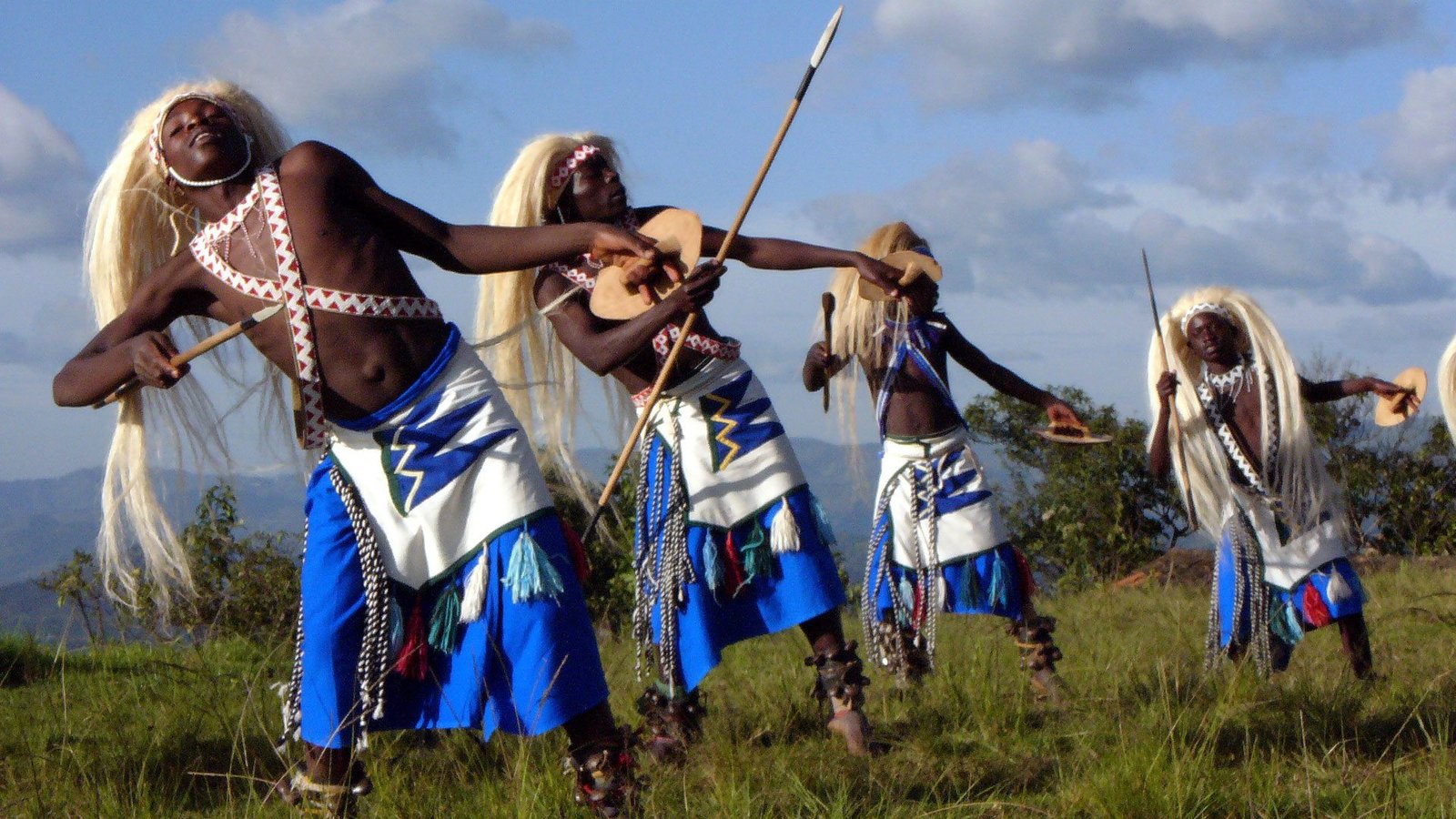
Iby’Iwacu Cultural Village Rwanda

Iby’Iwacu Cultural Village Rwanda

Now known as the Gorilla Guardian Village in Rwanda, Iby’Iwacu Cultural Village is one of the incredibly cultural places that make Rwanda an amazing destination and a must visit while on a safari in Volcanoes National ark.

Here, you get to explore the culture and lifestyle of the Rwandan people. This cultural village started as a response to gorilla poaching which was carried out by some members of the community and was on the increase in spite of the park recruiting more rangers for the protection of the endangered mountain gorillas.

Iby’Iwacu Cultural Village Rwanda
Intore Dance

Later, it was discovered that poaching of the gorillas and other wildlife in the misty forests of Volcanoes National Park was due to increased land pressure with the increase in the population. The snares in the forests which led to the death of many gorillas were not directed to the gorillas but rather to the antelopes which were a source of food to especially the Batwa Community that lived in the forest before it was declared a national park. Most of the Batwa did not have a source of livelihood after leaving the forest, which they depended on.

This cultural village provides the much needed income as they share stories from their former life in the forest and how they are coping today.

The community involved with the cultural village now feels part of gorilla tourism because they benefit directly from the tourism dollar. The conservation initiatives by the cultural village are aimed at providing a sustainable livelihood for the community members so that their lives are improved and they in turn commit to conserving the endangered mountain gorillas.

The Iby’Iwacu Cultural Village gives you a chance to meet local people, in their environment, learning and experiencing their culture, traditions, and day to day lives. You have opportunities for being at the cultural village and or visiting their homes and experiences life in a Rwandan home. There is no better way to understand and learn about Rwanda, its history and traditions than interacting with its people.

Gorilla Guardians Village “Iby’Iwacu Cultural Village” is located in Musanze District, the village’s name “Iby’iwac” is a Kinyarwanda word meaning “Treasures of our home and heritage”.

The Iby’Iwacu Cultural Village is one of the leading cultural attraction in Rwanda. The Village combines all of Rwanda’s known cultural traditions, people and history into one place for displace and offers a personal experience. Visitors get to see what life was in a typical African village setting, the lifestyle, houses, traditional dances, dressing code, food, herbs and how the ancient kingdoms were generally organized. Get an opportunity to learn ancient hunting skills, try weaving baskets and mats, carpentry. This unique experience will surely win your heart most especially if you are interested in indulging in the culture of Rwanda’s native community.

The village is also a great place for relaxation after gorilla trekking in Volcanoes National Park, hiking mountain Karisimbi while offering opportunities to purchase local craft, gifts and souvenir to show friends back home.

In additions to the considerable revenue the village generates, the Iby’iwacu cultural center serves as a unifying factor for Rwanda’s culture and tribal groups like the Tutsis, Hutus and the Batwa. This village encourages a feeling of oneness based on a common shared ideology. Many of the local entertainers like the Batwa were once poachers and the Ib’iwacu village has given an opportunity to do something different that helps them earn a living for their families while keeping them away from poaching.

Iby’Iwacu Cultural Village Rwanda
Visitors clad in traditional garments

What to Expect on your Visit at the Iby’Iwacu Culture Village

Energetic Intore Dances and Rhythmic Drumming

Celebrate Rwanda Spirit through traditional dances and music, this is one of the most compelling aspects of a visit to the Iby’Iwacu Cultural Village. As you enter the village, you are immediately drawn to the rhythmic sound of traditional drums and the vibrant energy of the Intore dancers. These performances once used to rally warriors or commemorate victory, are now a cornerstone of Rwanda tour experiences.

Clad in elaborately decorated costumes and guided by the beat of drums, the Intore dancers leap and spin in unison, expressing joy, honor, and resilience. This traditional performance is more than entertainment, it is a form of storytelling. Every beat and movement carries cultural meaning, offering insight into the values and history of the Rwandan people. As visitor you are also invited to join in, making it an interactive highlight of any Rwanda safari. These dances provide a window into Rwanda’s identity and serve as a proud reminder of how cultural traditions are preserved across generations.

Meet Rwanda’s Artisans and Learn Their Craft

At Iby’Iwcu Cultural Village, travelers have the rare opportunity to observe and participate in traditional Rwandan craftsmanship. Skilled artisans demonstrate age-old techniques in pottery, weaving, wood carving and basketry. The iconic Agaseke basket – a symbol of peace, unity, and love is intricately made by hand and holds deep cultural significance. Guests are encouraged to tray weaving their own baskets or creating clay pots under expert guidance. These immersive experiences bring visitors closer to the heartbeat of Rwandan tradition.

This hands-on exchange is perfect for travelers eager to go beyond passive sightseeing. It is an ideal fit for those on a Rwanda Tour with a wish to connect more intimately with local communities. The cultural value is undeniable, but it also contributes to sustainable tourism by empowering local artists. The revenue generated from purchases directly supports families and community development initiatives.

Delight in Authentic Flavors of Rwanda

Indulge in a traditional Rwandan meal during your visit to the Ib’Iwacu Village. You are welcomed to enjoy local dishes such as Isombe (cassava leaves with peanut sauce), Brochettes (grilled meat skewers), Ugali (maize flour porridge), and Ibihaza (pumpkin with beans). Meals are often served in a communal setup, allowing guests to share stories and exchange cultural insights with local hosts.

The dining experience is simple yet deeply enriching. It offers a flavor profile unique to Rwandan culture, deeply rooted in agricultural practices and social customs. Preparing food is a community affair, and learning about the ingredients, cooking methods and etiquette around dining enhances the sense of immersion. Visitors often come away from the experience with a better understanding of how culinary traditions reflect social values and history.


Top National Parks and Reserves to Visit in Uganda

Top National Parks and Reserves to Visit in Uganda

Uganda was dubbed as the “Pearl of Africa” by Winston Church Hill because of its incredible diversity and staggering beauty and all can be explored on a Uganda Safari Trip. Uganda is home to an array of national parks and reserves that offer wildlife experience unlike any other in the world, and a range of breathtaking varying landscapes. From dense tropical rainforests teeming with endangered species such as mountain gorillas to expansive savannahs rich in biodiversity, there is so much to be explored.

 Top National Parks and Reserves to Visit in Uganda
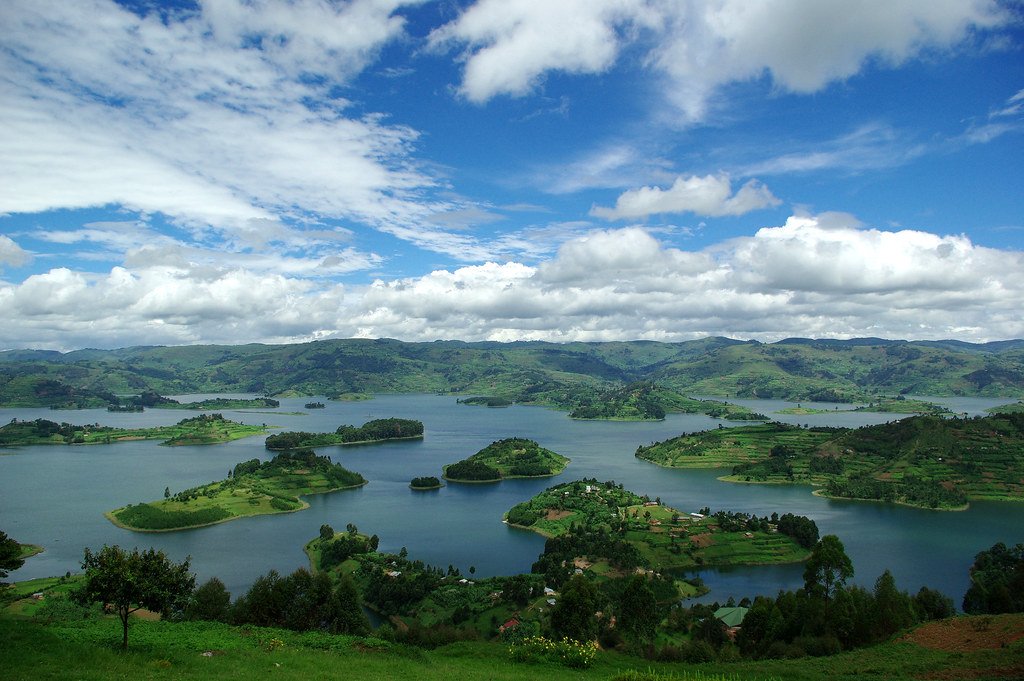
Lake Bunyonyi and its beautiful islands

In this blog we list and detail the top national parks and reserves to visit in Uganda.

  1. Bwindi Impenetrable National Park

Tucked away in the southwestern Uganda, Bwindi Impenetrable National Park is the most popular and most visited national park in Uganda spanning approximately 321 square kilometers (199 square miles) of lush, mountainous terrain. The park is recognized as a UNESCO World Heritage Site renowned for its dense tropical rainforest, which provides sanctuary to nearly half of the world’s remaining mountain gorillas, making it the top destination for gorilla trekking in Uganda.

Top National Parks and Reserves to Visit in Uganda
Gorillas in Uganda’s Bwindi

Beyond to incredible gorilla encounters, visitors can explore the park’s rich biodiversity including over 350 bird species and over 100 mammals, making it second only to Queen Elizabeth National Park in mammal numbers.

The best time for gorilla trekking in Uganda is during the dry seasons, from June to August and December to February, when the trails are more navigable.

  1. Mgahinga Gorilla National Park

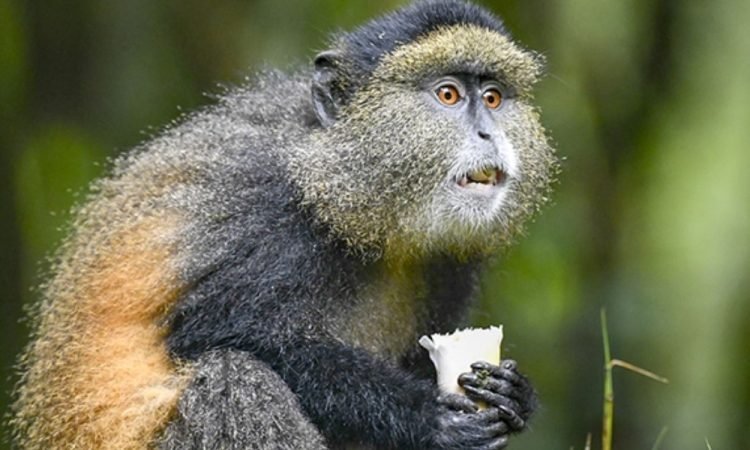
Nestled in the Virunga Mountains in Southwestern Uganda, Mgahinga Gorilla National Park is the smallest national park in Uganda spanning approximately 33.7 square kilometers. However, its small size has nothing to do with remarkable biodiversity and breathtaking landscapes it shelters. The park is home to the endangered mountain gorillas and golden monkeys thus the nickname “a place where Silver Meets Gold”.

Golden Monkey
Golden Monkeys

In addition to the incredible gorilla encounters, visitors can track the rare golden monkeys, hike the scenic Virunga Volcanoes Peaks, and immerse themselves in the culture of the Batwa people.

The best time to visit Mgahinga Gorilla National Park on a Uganda Safari is during the dry season, from June to August and December to February, when trails are more accessible.

  1. Murchison Falls National Park

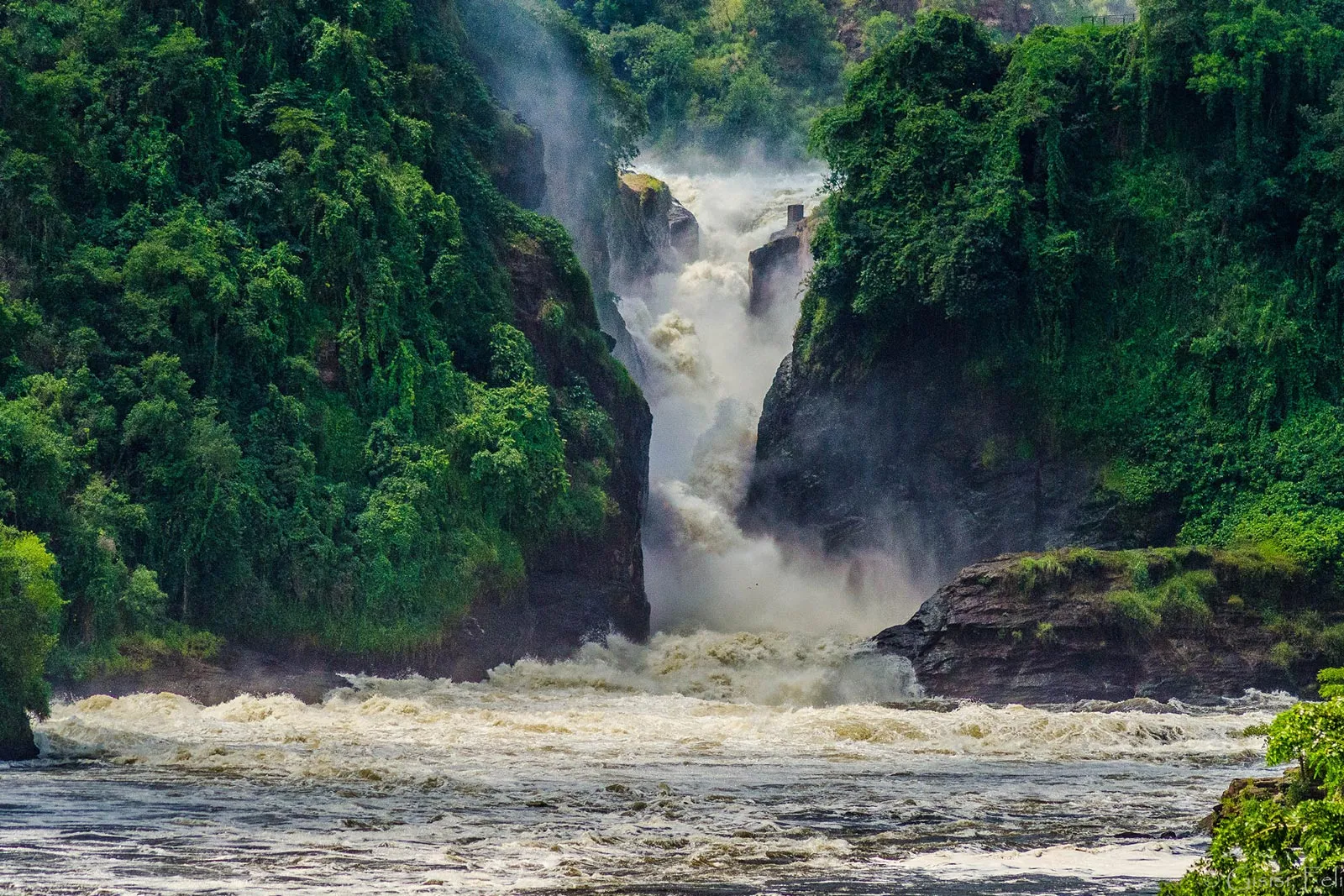
At a size of 3,840 square kilometers, Murchison Falls National Park is the largest national park in Uganda situated in the northwestern part of the country. The mighty Nile River bisects the park, dramatically plunging 45 meters over the Murchison Falls, creating a spectacular centerpiece.

Murchison Falls National Park habitats, range from woodland savannahs to riverine forests, supporting a wide array of wildlife, including four of the African Big 5, rhinos can be found and trekked at the nearby Ziwa Rhino Sanctuary.

The Mighty Murchison Falls

Game drives in the savannah plains gives you opportunities to observe several wildlife species including elephants, buffaloes, elands, Uganda kobs, lions, leopards and several bird species. Boat cruses along the Nile offer astounding views of the falls and opportunities to observe hippos, crocodiles and numerous bird species on the water surface. The period from December to February is considered the best time to visit, offering excellent wildlife viewing and more favorable weather conditions for water activities.

  1. Queen Elizabeth National Park

Spanning approximately 1,978 square kilometers, Queen Elizabeth National Park is the second largest protected area in the country. The park is home to savannahs, wetlands, and lakes which all contribute to its astounding beauty and support a rich variety of wildlife, including the country’s largest lion, elephant, buffalo and hippo populations.

Queen Elizabeth National Park is notably famous for its tree-climbing lions in the Ishasha Sector, whose rare ability to scale the trees offers a truly unique and unforgettable wildlife encounter. The park also boasts exceptional bird watching, with over 600 species recorded.

Uganda safari activities to do in Queen Elizabeth National Park include game drives, boat cruises on the Kazinga Channel, and guided nature walks. Th e ideal time for wildlife viewing is during the dry season from January to February and June to July, as animals are more concentrated around water sources.

  1. Kibale National Park

Africa’s primate capital, Kibale National Park also known as Kibale National Park is renowned for its high primate density, boasting 13 species, including the largest population of chimpanzees in Uganda and Africa – over 1,500 individuals. Kibale National Park is located in western Uganda and home to 795 square kilometers of tropical rainforest.

Chimpanzee trekking is a major highlight of a Uganda Safari to Kibale Forest National Park, offering visitors the chance to observe these rare primates in their natural habitat, uninterrupted, and in complete isolation.

Chimpanzee

In addition to a rich primate population, Kibale National Park supports a rich diversity of birds, butterflies, and other mammals such as African forest elephants and even leopards, which you can see resting on tree branches. The best time for chimpanzee trekking is during the dry seasons, from December to February and June to August, when trails are less muddy, and sightings are more frequent.

  1. Lake Mburo National Park

Located in western Uganda, Lake Mburo National Park is the closest national park to Uganda’s capital Kampala, spanning approximately 370 square kilometers of rolling acacia woodlands, open savannah, and wetlands.

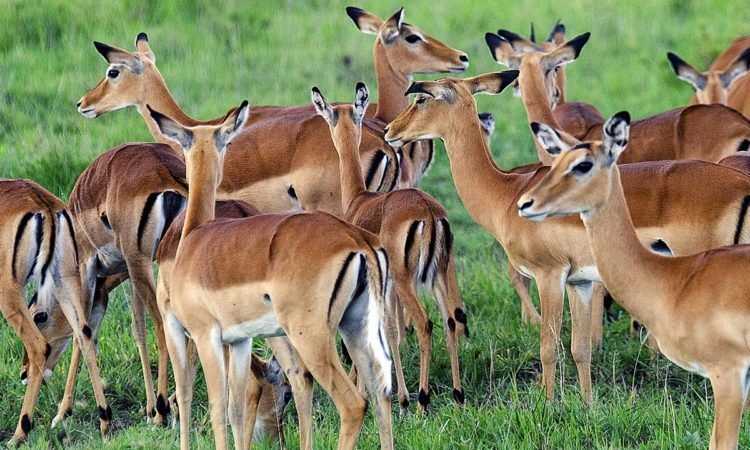
Lake Mburo National Park is the smallest national park in Uganda and regardless of its small size, the park is known for its rich wildlife, including zebras, elands, and impalas and over 350 bird species. Unlike other Uganda National Parks, Lake Mburo offers unique safari activities such as guided walking safaris, horseback safaris, and boat cruises on the lake, providing close-up views of hippos and crocodiles. The park’s proximity to Kampala (just a 4 hours’ drive) makes it an excellent stop for those seeking a short yet rewarding wildlife experience. The best time to visit is during the dry season, from June to August and December to February, when wildlife is more concentrated around water sources.

In conclusion – Uganda’s national parks and reserves offers a medley of experiences, from incredible wildlife encounters to immersive cultural interactions with tribes such as Batwa, who can be visited around Bwindi and Mgahinga. Whether you are seeking the adrenaline rush of tracking mountain gorillas or the serene beauty of unspoiled landscapes, Uganda’s protected areas provide the perfect backdrop for an unforgettable safari adventure.

Ready to Plan Your Trip to Uganda? – With our years of organising exploration journeys to every corner of Uganda, ensuring first-hand knowledge and expertise. Get in touch with one of our Africa Safari Experts to create a tailor-made Uganda itinerary that perfectly matches your travel dreams.

Whether you are interested in gorilla trekking adventures, breathtakingly landscapes or rich cultural experiences. We will craft a journey just for you.


Ziwa Rhino Sanctuary

Ziwa Rhino Sanctuary

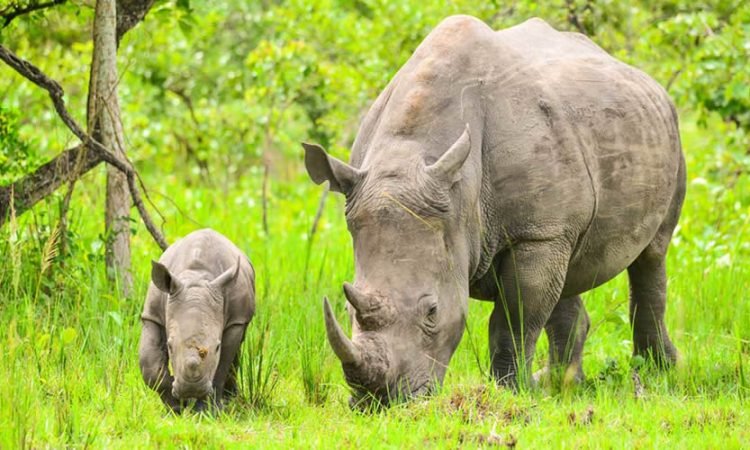
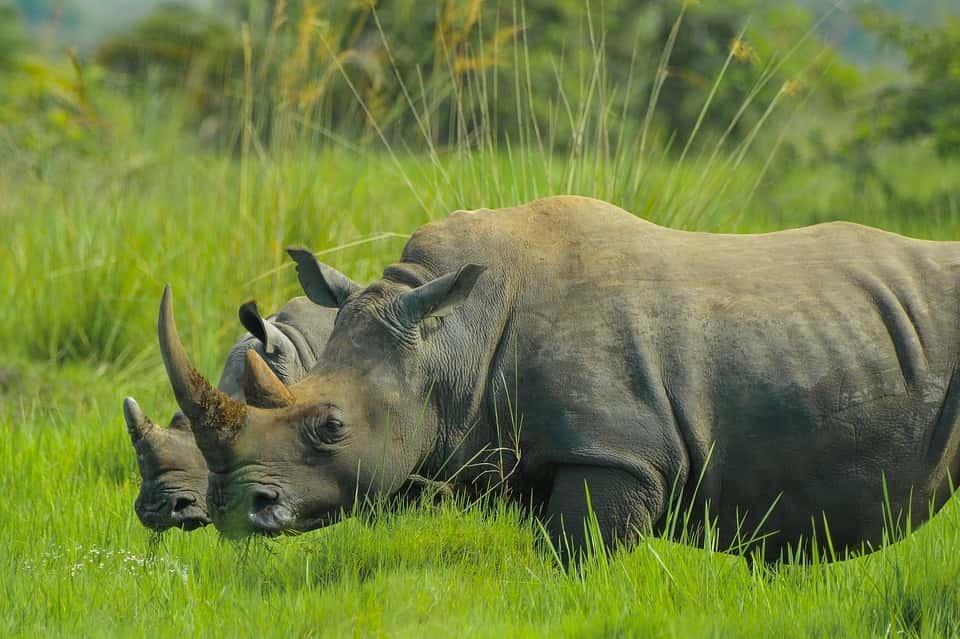
The Ziwa Rhino Sanctuary is the only place in Uganda where you can come face to face with rhinoceros – one of the most majestic and endangered creatures on earth. This private wildlife ranch located in northwestern Uganda was established in 2005 purposely to reintroduce the Southern White Rhinos in the wild. And it is one of the world’s most successful conservation stories.

Ziwa Rhino Sanctuary
Rhinos at Ziwa Rhino Sanctuary

Ziwa Rhino Sanctuary is located in northeastern Uganda, Nakasongola District, just outside Murchison Falls National Park. The sanctuary is home to the white rhinos, one of the most endangered species in Africa. Ziwa Rhino and Wildlife Ranch is integral to globe efforts to protect these magnificent animals, offers visitors an amazing rhino trekking on foot, taking nature hikes and night walks, and tracking the elusive shoebill and other bird species.

Often a visit to Ziwa Rhino Sanctuary is incorporated in a Uganda Safari itinerary to Murchison Falls National Park, offering visitors the opportunity to see all of the Big Five. A game drive in Murchison Falls National Park offers up close sightings of the Big Four – lion, leopard, elephant and buffalo, then have a sight of the rhinoceros at Ziwa Rhino Sanctuary.

History of Ziwa Rhino Sanctuary and Rhinos in Uganda

In the early 1980s, wild rhinos in Uganda become extinct due to human encroachment, poaching and conflicts. However, 20 years later in 2025, six rhinos were introduced to Uganda at Ziwa Rhino Reserve, a 30 square kilometers non-profit – sanctuary set up with the long term goal of getting the rhino back into the Murchison Falls National Park.

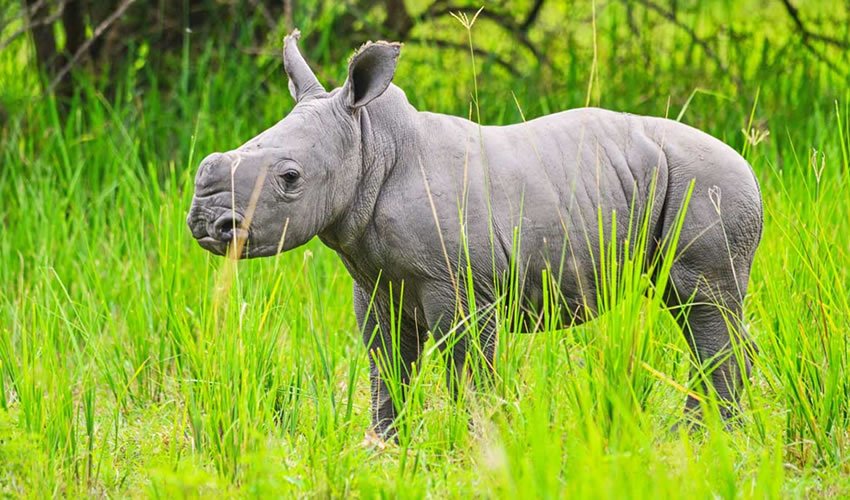
Now there are 22 southern white rhinos, including nine baby rhinos, the first in almost 30 years.

Rhinos have been an integral part of our planet for millions of years, evolving into two distinct species – black and white rhinos. In the African culture, they have always held these majestic creatures in high esteem and respect, symbolizing strength, spirituality, protection and a harmonious relationship with nature.

In 1983, Captain Roy and his family established a cattle farm where the current ranch sits. It introduced rare cattle and operated as a cattle farm for almost two decades. However, in 2002, the Roy family engaged in length discussions with Rhino Fund’s Excutive Director, Yvonne Verkakik, and decided to convert the farm into a safe haven for white rhinoceros. To achieve this, the 7000 herds of cattle where relocated to create a protected space for the white rhinos. At the time, rhinos had become extinct in Uganda due to poaching and preserving this magnificent species seemed logical.

In 2005, Ziwa Rhino Sanctuary was finally established with the goal of reintroducing southern white rhinos back to their natural habitat in Murchison Falls National Park environment. Initially, six southern white rhinos were introduced to the ranch, and today, the total has risen to 34 rhinos, with the sanctuary expecting the number to grow.

The mission of Ziwa Rhino Sanctuary is to reintroduce these majestic creatures back into the wild, where they can roam the plains in their nature habitat, just as they have done in the past. The project has been a collaborative effort between the Uganda Wildlife Authority, the custodians of the species and Ziwa Rhino and Wildlfie Ranch Limited. Together, they hope to see rhinos introduced into other national parks throughout Uganda, where they can roam the land with other wildlife species.

What to Expect at Ziwa Rhino Sanctuary

Ziwa Rhino Sanctuary offers you a chance to experience the majesty of rhinos up – close with a rhino track. On this excursion, an experienced ranger will lead you on foot to see them at safe distance (6-7 meters away).

In addition to rhinos,  Ziwa Rhino Sanctuary is home to 40 other mammal species including crocodiles, hippos, leopards, oribis, bushbucks, and approximately 300 species of birds, which can observed on a game drive, canoe trip or night walk.

Ziwa Rhino Sanctuary
Baby Rhino

Things to Do at Ziwa Rhino Sanctuary

Rhino Tracking

Ziwa Rhino Sanctuary is the only place in Uganda where you can rhinos in their natural habitat, you are free to roam across the savannah, acacia woodlands and cool muddy swamps. An experienced and knowledgeable ranger will guided you and educate you on their habits and behaviors in their natural habitat.

On this excursion, you will be in position of six to seven meters away, and there will be plenty of opportunities to take videos and photos.

Rhino tracking can be done at any time of the day, however the best time to go is between 8 am and 10 am and 4 pm and 6 pm.

Shoebill Stork and Canoe ride

Catch a glace of the pre-historic shoebill and its goof charm that comes from their Dutch Clog – esque foot-long bill. The shoebill is an unassuming predator known to feast on baby crocodiles, big fish like tilapia and Nile monitor lizards.

Head out on an early morning canoe ride in the adjacent swamp, to see this prehistoric looking bird and enjoy a magnificent sunrise over the Lugogo Swamps.

Ziwa Rhino Sanctuary is one of the few places in Uganda where you are almost guaranteed to see the endangered shoebill stork.

Bird watching

Ziwa Rhino Sanctuary is a perfect destination of birders, with four different trails to choose from. These trails take you across the savannah, woodland or swamps, each habitat to various bird species.

Ziwa has over 300 bird species and during the birding excursion, birds you will see include Abdim’s Stork, Abyssinian Ground Hornbill, African Black Crake, African Black-headed Oriole, African Blue Flycatcher, African Broad Bill, African Citril, African Crowned Eagle, African Darter, African Fish Eagle, African Golden-breasted Bunting, African Golden Oriole, African Goshawk, African Green Pigeon, African Grey, African Grey Hornbill, African Hawk Eagle, African Hoopoe, African Jacana, African Marsh Harrier, African Morning Dove and African Open-billed Stork among others.

The best time to go birding in Ziwa Rhino Sanctuary is in the early morning between 6 am and 8 am or the early evening between 4 pm and 6 pm.

Nocturnal Walks

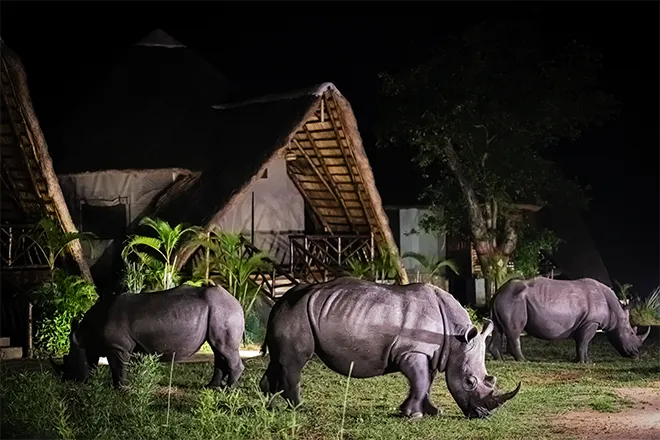
Ziwa Rhino Sanctuary is home to a number of nocturnal animals and the best way to see them is on a guided night walk between 8 pm and 11 pm. During these nature walks you will be accompanied by a ranger, who will ensure your safety and are also knowledgeable about the sanctuary’s flora and fauna.

Nature walks in Ziwa Rhino Sanctuary often take between one and three hours and can be quiet physically demanding.

Ziwa Rhino Sanctuary

Best time to visit Ziwa Rhino Sanctuary

Ziwa Rhino Sanctuary can be visited all year round, however the best time is during the dry season which takes place from December to February, and then late June to October. This is the best time for general wildlife viewing, as animals will be drawn to watering holes, making them easier to find.

During the dry season, chance of rain are few to spoil your planned activities, and with most of the activities at Ziwa Rhino Sanctuary are done outside, thus an important consideration.

The wetter months from September to November and March to May are the best time for birding and the sanctuary is beautifully green.

Queen Elizabeth National Park Entrance Fees

Queen Elizabeth National Park Entrance Fees

Queen Elizabeth National Park is Uganda’s most popular and diverse safari destination boasting breathtaking landscapes, abundant wildlife and rich cultural heritage. The park boasts a beautiful combination of forests and grasslands and waterscapes.

Queen Elizabeth National Park Entrance Fees
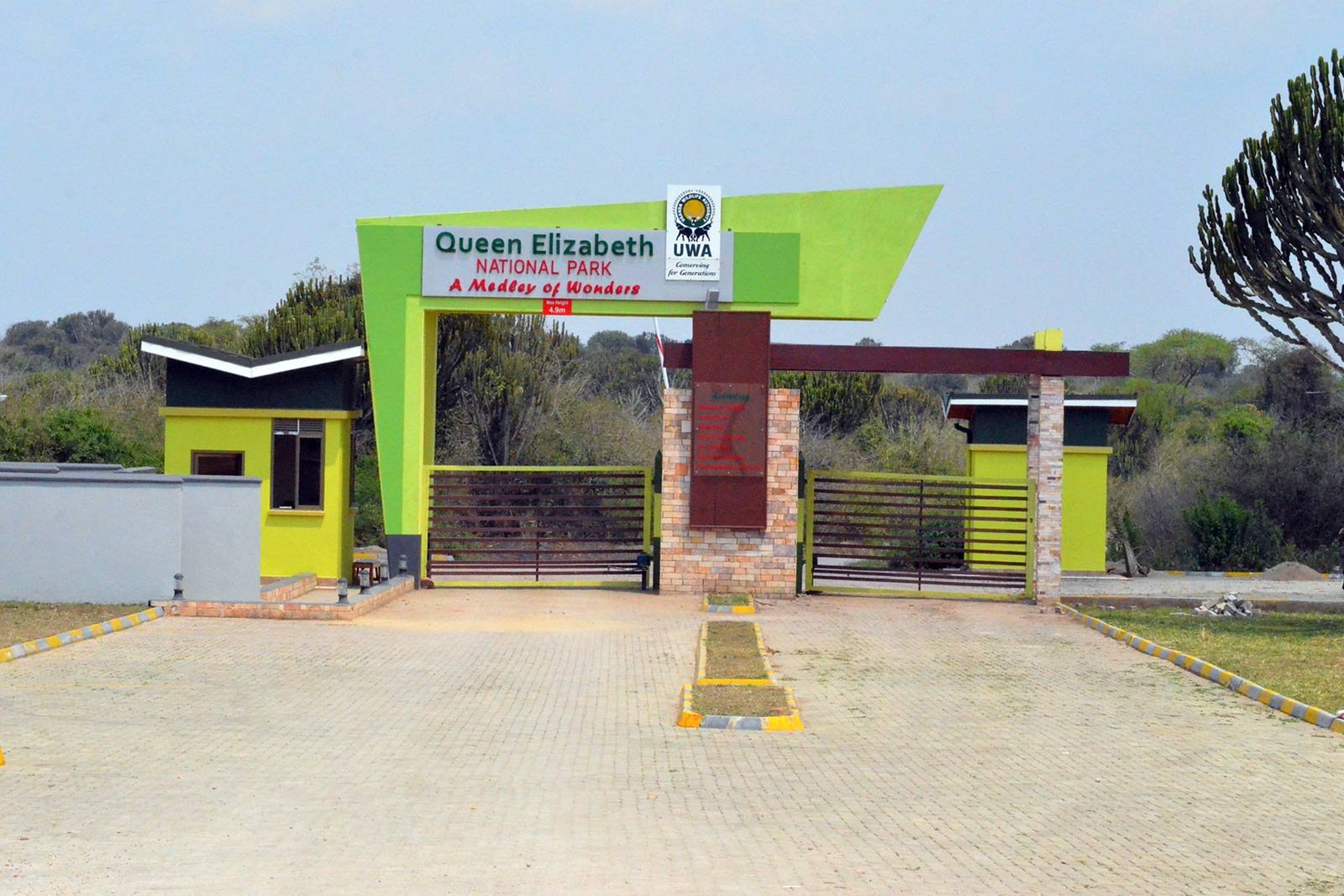
Queen Elizabeth National Park Main Entrance Gate

Queen Elizabeth National Park is the most bio-diverse park in Uganda, originally founded as Kazinga National Park in 1952 and later renamed in 1954 to commemorate a visit by Queen Elizabeth National Park. Today, the park stands as one of the Africa’s greatest wildlife haven, home to over 95 mammal species and over 600 bird species making it a paradise for nature enthusiasts.

Also called the conservation fees, Queen Elizabeth National Park Entrance fees are used to finance the conservation efforts as well as projects in the park. These entrance fees are paid at every entrance gates of Queen Elizabeth National Park that is Kabatoro Entrance Gate, Katunguru Entrance Gate and Ishasha Entrance Gate.

Here are the Queen Elizabeth National Park Entrance Fees including the different categories.

Category Adults Children
Foreign non-residents 40 USD 20 USD
Foreign residents 30 USD 10 USD
East African Citizens UGX 20,000 UGX 5,000


Ugandan Pupils or Students in groups – UGX 3,000

Tertiary, Institutions, and Universities – UGX 5,000

Uganda Wildlife Clubs – UGX 2,000

Notes

  • Before you pay for your Queen Elizabeth National Park Entrance Fees, you ought to have valid identification. This is to help the park authorities know whether you are a foreign non-resident, foreign resident, or East African citizen.
  • Also, you can decided to pay annual entrance fees, but only foreign residents and East African Citizens can pay for this. However, only foreign residents with a working permit of more than 1 year are allowed to pay the annual entrance fees.
  • Also, Queen Elizabeth National Park charges entrance fees for motor engines.

Annual Entrance fees for Queen Elizabeth National Park

Category Foreign Resident (USD) East African Citizen (UGX)
Individual 350 350,000
Couple 600 500,000
Family with a maximum of 4 children 800 600,000
Corporate Pass (10 Pax) 1,500 2,500,000
Safari Guide 200,000
Taxi Driver 150,000
Tour Company Free
Driver Free


Vehicle Fees

Category Foreign Resident (USD) East African Citizen (UGX)
Motorcycles 30 10
Saloon Cars 40 20,000
Minibuses, Omini-buses 50 30,000
Pick-ups and 4WD Vehicles 150 30,000
Buses and Lorries 200 200,000
Delivery vehicle per entry 20,000
Construction Equipment 350 500,000
Over landers 150 100,000
School Buses 50,000
Boats up to 15 seater 100 250,000
Launches over 15 seater 200 350,000
Launches (MFIFT) boats up to 15 seater 50 50,000
Launches over 15 seater 100 150,000


Landing Fees for Aircrafts

Category Foreign Resident (USD) East African Citizen (UGX)
Gliders, Microlights 10 20,000
Up to 3 Seater 20 40,000
4-6 Seaters 30 60,000
7-14 Seaters 40 80,000
15 – 20 Seaters 50 100,000
21 seaters and above 60 120,000
Helicopters 125  250,000
Parking Fees for each day 10,000


Queen Elizabeth National Park Entrance Fees
Wildlife Viewing in Queen Elizabeth National Park

Important Things to Note

  • Queen Elizabeth National Park Entrance Fees apply to every individual on a Uganda safari to the park.
  • These fees are charged every 24 hours, therefore staying for extra hours in Queen Elizabeth National Park beyond 24 is considered an extra day
  • Entrance fees for motor engines are charged different from the individual park entrance fees
  • Children are between 5 to 15 years. Those below 5 are exempted from paying the park entrance fees’
  • Queen Elizabeth National Park Entrance Fees are not applicable for safari activities in the park, for example boat cruises, game drives and birding
  • Vehicle and boat entrance fees are also charged every after 24 hours
  • Motorcycles, trailer, vehicles carrying inflammable goods, heavy trucks, and many others are not allowed inside the park unless they are making deliveries in the park or they have express approval from the executive director.
  • En-route pilots are not charged park entry fees if they stay for less than 2 hours.

The Importance of Park Entrance Fees

Entrance fees to Queen Elizabeth National Park are used to perform several functions as detailed below

  • Conservation – The Park entrances help in conservation projects in the Queen Elizabeth National Park to improve on the preservation strategies for wildlife in the park
  • Improve Visitor’s Experience – Entrance Fees add revenue to the projects that the management uses to build infrastructures, and make other improvements for a better tourism experience
  • Support local communities – The local communities around the borders of Queen Elizabeth National Park gain from the park entry fees, most of the locals in the park are perform as guides giving assistance to the tourists.
  • Allows you to Enter Queen Elizabeth National Park – By paying park entrance fees, you can enter Queen Elizabeth National Park to enjoy your safari activities including game drives, boat cruises and nature walks.
Rules and Regulations to follow while on a Queen Elizabeth National Park Safari

For the safety of tourists, wildlife and protecting the conservation, there are a set of rules and regulations put in place by the park authorities – The Uganda Wildlife Authority.

  • Ensure that the making of campfires is only on designated sites while in the park. This is to prevent the risk of setting the animals’ habitats on fire
  • Only drive in the right tracks of Queen Elizabeth National Park to avoid unnecessary destruction of the vegetation. This is also to keep you from unreasonably paying fines for paying park fees.
  • While driving through the park, do not sound the motor horns as they stress the wildlife in the park
  • Drive at a recommended speed which is less than 40km/hr
  • Firearms and ammunition are not allowed inside the park
  • The park management only allows driving in the park between 7:00 am to 7:00 pm.
  • It is advisable not to bring your pet inside the park
  • Do not litter in the park
  • Avoid picking flowers or destroying any vegetation in the park
  • Keep all your official receipts for inspection.

Queen Elizabeth National Park is Uganda’s most popular and diverse safari destination boasting breathtaking landscapes, abundant wildlife and rich cultural heritage. The park boasts a beautiful combination of forests and grasslands and waterscapes.

Queen Elizabeth National Park is the most bio-diverse park in Uganda, originally founded as Kazinga National Park in 1952 and later renamed in 1954 to commemorate a visit by Queen Elizabeth National Park. Today, the park stands as one of the Africa’s greatest wildlife haven, home to over 95 mammal species and over 600 bird species making it a paradise for nature enthusiasts.

Also called the conservation fees, Queen Elizabeth National Park Entrance fees are used to finance the conservation efforts as well as projects in the park. These entrance fees are paid at every entrance gates of Queen Elizabeth National Park that is Kabatoro Entrance Gate, Katunguru Entrance Gate and Ishasha Entrance Gate.

Here are the Queen Elizabeth National Park Entrance Fees including the different categories.

Category Adults Children
Foreign non-residents 40 USD 20 USD
Foreign residents 30 USD 10 USD
East African Citizens UGX 20,000 UGX 5,000


Ugandan Pupils or Students in groups – UGX 3,000

Tertiary, Institutions, and Universities – UGX 5,000

Uganda Wildlife Clubs – UGX 2,000

Notes

  • Before you pay for your  Entrance Fees for Queen Elizabeth National Park, you ought to have valid identification. This is to help the park authorities know whether you are a foreign non-resident, foreign resident, or East African citizen.
  • Also, you can decided to pay annual entrance fees, but only foreign residents and East African Citizens can pay for this. However, only foreign residents with a working permit of more than 1 year are allowed to pay the annual entrance fees.
  • Also, Queen Elizabeth National Park charges entrance fees for motor engines.
Annual Entrance fees for Queen Elizabeth National Park
Category Foreign Resident (USD) East African Citizen (UGX)
Individual 350 350,000
Couple 600 500,000
Family with a maximum of 4 children 800 600,000
Corporate Pass (10 Pax) 1,500 2,500,000
Safari Guide 200,000
Taxi Driver 150,000
Tour Company Free
Driver Free


Vehicle Fees

Category Foreign Resident (USD) East African Citizen (UGX)
Motorcycles 30 10
Saloon Cars 40 20,000
Minibuses, Omini-buses 50 30,000
Pick-ups and 4WD Vehicles 150 30,000
Buses and Lorries 200 200,000
Delivery vehicle per entry 20,000
Construction Equipment 350 500,000
Over landers 150 100,000
School Buses 50,000
Boats up to 15 seater 100 250,000
Launches over 15 seater 200 350,000
Launches (MFIFT) boats up to 15 seater 50 50,000
Launches over 15 seater 100 150,000


Landing Fees for Aircrafts

Category Foreign Resident (USD) East African Citizen (UGX)
Gliders, Microlights 10 20,000
Up to 3 Seater 20 40,000
4-6 Seaters 30 60,000
7-14 Seaters 40 80,000
15 – 20 Seaters 50 100,000
21 seaters and above 60 120,000
Helicopters 125  250,000
Parking Fees for each day 10,000


Important Things to Note
  • Queen Elizabeth National Park Entrance Fees apply to every individual on a Uganda safari to the park.
  • These fees are charged every 24 hours, therefore staying for extra hours in Queen Elizabeth National Park beyond 24 is considered an extra day
  • Entrance fees for motor engines are charged different from the individual park entrance fees
  • Children are between 5 to 15 years. Those below 5 are exempted from paying the park entrance fees’
  • Queen Elizabeth National Park Entrance Fees are not applicable for safari activities in the park, for example boat cruises, game drives and birding
  • Vehicle and boat entrance fees are also charged every after 24 hours
  • Motorcycles, trailer, vehicles carrying inflammable goods, heavy trucks, and many others are not allowed inside the park unless they are making deliveries in the park or they have express approval from the executive director.
  • En-route pilots are not charged park entry fees if they stay for less than 2 hours.
The Importance of Park Entrance Fees

Entrance fees to Queen Elizabeth National Park are used to perform several functions as detailed below

  • Conservation – The Park entrances help in conservation projects in the Queen Elizabeth National Park to improve on the preservation strategies for wildlife in the park
  • Improve Visitor’s Experience – Entrance Fees add revenue to the projects that the management uses to build infrastructures, and make other improvements for a better tourism experience
  • Support local communities – The local communities around the borders of Queen Elizabeth National Park gain from the park entry fees, most of the locals in the park are perform as guides giving assistance to the tourists.
  • Allows you to Enter Queen Elizabeth National Park – By paying park entrance fees, you can enter Queen Elizabeth National Park to enjoy your safari activities including game drives, boat cruises and nature walks.
Queen Elizabeth National Park Entrance Fees
Tree Climbing Lions in Ishasha Sector
Rules and Regulations to follow while on a Queen Elizabeth National Park Safari

For the safety of tourists, wildlife and protecting the conservation, there are a set of rules and regulations put in place by the park authorities – The Uganda Wildlife Authority.

  • Ensure that the making of campfires is only on designated sites while in the park. This is to prevent the risk of setting the animals’ habitats on fire
  • Only drive in the right tracks of Queen Elizabeth National Park to avoid unnecessary destruction of the vegetation. This is also to keep you from unreasonably paying fines for paying park fees.
  • While driving through the park, do not sound the motor horns as they stress the wildlife in the park
  • Drive at a recommended speed which is less than 40km/hr
  • Firearms and ammunition are not allowed inside the park
  • The park management only allows driving in the park between 7:00 am to 7:00 pm.
  • It is advisable not to bring your pet inside the park
  • Do not litter in the park
  • Avoid picking flowers or destroying any vegetation in the park
  • Keep all your official receipts for inspection.