5 Reasons To Visit Rwanda For a Holiday in 2025

Crowned the “land of a thousand hills”, Rwanda is a small East African country. In recent years Rwanda has emerged as one of the leading tourist destinations in the region thanks to its magical attractions including mountain gorillas, and security. In this blog, we dive into the 5 most compelling reasons to visit Rwanda For a Holiday in 2025. Despite the troubled past. Rwanda now enjoys tremendous stability, peace, and security. Whether you want wildlife and primate encounters in pristine wild environments or experiences with warm-hearted local people, there are a lot of experiences to enjoy.

Magical Mountain Gorilla Encounters

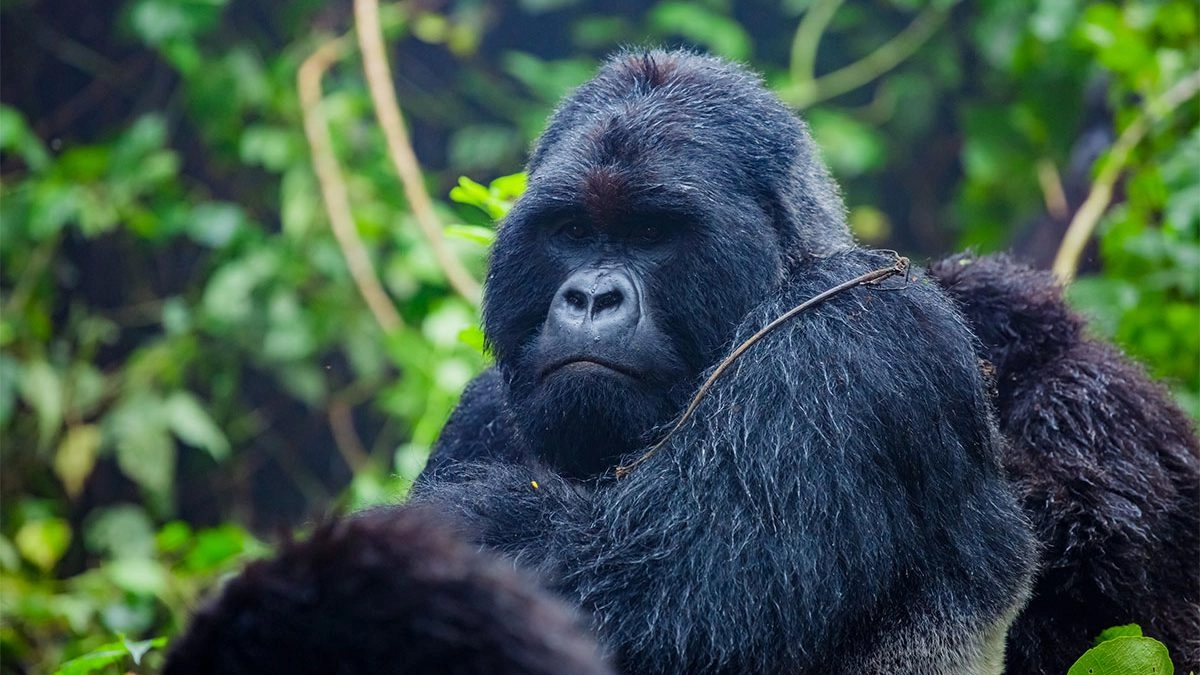
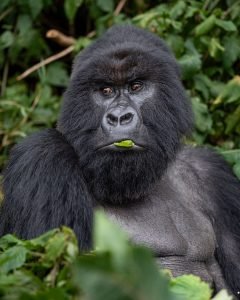
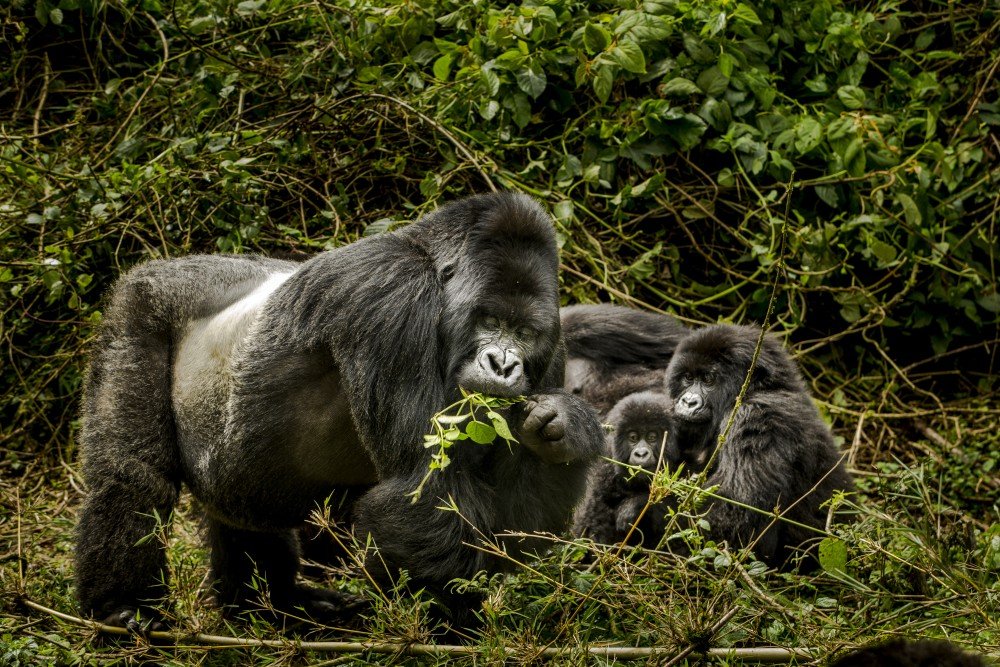
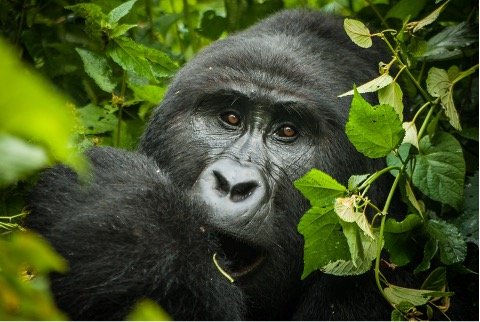
Encountering the endangered mountain gorillas in their rainy forests is one of the reasons why many people come to Rwanda for a visit. Rwanda offers excellent gorilla trekking opportunities in Volcanoes National Park, the park is home to half of the world’s remaining mountain gorillas. With 12 habituated mountain gorillas, visitors can guided treks to see these majestic creatures in their natural habitat. Only 8 people can visit one habituated gorilla family and spend only one hour observing the gorilla family as it goes on with its life in the misty forests.

Gorilla trekking is a truly unforgettable experience that will leave you with memories to last a lifetime.

Unique Cultural Experiences

Rwanda is a culturally rich nation, with a fascinating history and traditions that are still very much alive today. Visitors on a holiday in Rwanda can engage with local communities to learn about their traditions and way of life. The Intore Dance, performed by local artists, is particularly captivating and provides deeper insights into Rwanda’s history and culture. Visitors can learn about the country’s past at the Kigali Genocide Memorial, which provides a sobering but important insight into the horrific Rwanda Genocide of 1994. Alternatively, you can visit the King’s Palace Museum in Nyanza to learn about the country’s traditional Monarchy and way of life.

Stunning Scenery

Despite its small size, Rwanda is home to some of the stunning natural scenery. Rwanda is known as the “Land of a Thousand Hills” due to its stunning and varied landscapes. From lush green hills and valleys to serene lakes and picturesque countryside, the country’s natural beauty is awe-inspiring. Exploring the landscapes on foot or by a 4×4 vehicle offers a chance to appreciate its unique geography. Rwanda is home to the Nyungwe Forest National Park, which is one of the largest and oldest rainforests in Africa, and a haven for wildlife enthusiasts.

Exciting Wildlife Encounters

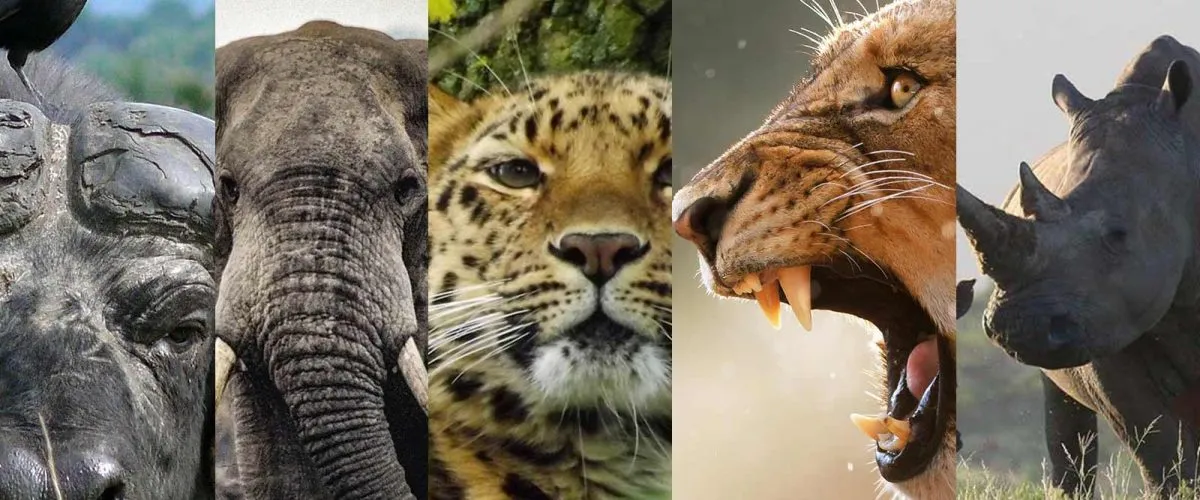
For wildlife enthusiasts, Akagera National Park is a must-visit destination in Rwanda. It offers the chance to see the Big Five -lion, elephant, buffalo, leopard, and rhinoceros. As well as a wide variety of other animal species, including antelopes, giraffes, and hippos. Akagera National Park’s diverse ecosystem and beautiful landscapes make it a captivating safari destination. For an unparalleled primate viewing Volcanoes National Park and Nyungwe Forest National Park offer a rare and intimate connection with golden monkeys, chimpanzees, and several other primate species.

Warm and Friendly Local People

Rwandese are known for their warmth and hospitality, and visitors to the country are sure to feel welcome wherever they go. Whether you are exploring the bustling markets of Kigali or hiking through the countryside, you are sure to encounter friendly locals who are eager to share their culture, traditions, and way of life with you.

In conclusion, Rwanda reveals itself as more than a destination in every encounter, a breath-taking vista, and a heartwarming exchange. It has something to offer to everyone, whether they are seeking a cultural experience, an adventure, or simply a chance to unwind in a picturesque setting.

Gorilla Habituation Experience in Bwindi Impenetrable Forest

Gorilla Habituation Experience is an incredible and more immersive gorilla experience that allows tourists to get within a few feet of a semi-habituated gorilla family and spend four hours observing them. This experience is more awe-inspiring than the ordinary gorilla trekking experience and is only offered in Bwindi Impenetrable National Park. Gorilla Habituation Experience allows you to get close to a semi-habituated gorilla family and observe it for four hours, this magical adventure is an immersive wildlife experience only unique to Uganda and gives visitors an intimate and personalised experience.

What is Gorilla Habituation?

Gorilla habituation is a gradual process by which a wild gorilla group is exposed to human presence until they are comfortable with humans and regard them as harmless. There are two gorilla families, the Bikyingi Gorilla Group in the Rushaga Sector and Posho in the Nkuringo Sector, which are currently under a 2-5 year habituation process and available for the habituation experience. Mountain gorillas are wild beasts, however those that have gone through the habituation process are approachable and accustomed to human presence. They offer a peaceful and fulfilling experience, with the occasional mock charge or grumpy silverback reminding trackers to respect their boundaries.


The Lengthy and Delicate Process of Gorilla Habituation in Uganda
The process of habituating a gorilla family can take up to two to three years, to achieve the intended results researchers and their assistants spend time with the group every day, mimicking their behavior until they gradually earn their trust. However, the initial weeks with mountain gorillas can be dangerous for humans, and charges are experienced.

The habituation process is crucial for research purposes, allowing primatologists to observe the behavioral patterns of mountain gorillas. This process is managed by a team of expert researchers, conservationists, trackers, and rangers. This whole process begins with park rangers spending some time with the gorillas each day but at a safe distance within the gorilla’s comfort zone.

Over several months, the rangers gradually increase their time spent with the gorillas while reducing the distance between them until they are ready to receive visitors. Although the gorillas are not fully habituated to human presence, the Gorilla Habituation Experience helps to ensure that they will become fully comfortable in the company of humans.

This process is critical in protecting the gorillas from the dangers of poaching and habitat destruction. By carefully introducing them to the presence of humans, we can help ensure the survival of these gentle apes for generations to come. Note: the habituation process began before the idea of charging tourists for a gorilla permit, it was started as a way of conserving mountain gorillas.

Balancing Conservation and Ethics: The Debate on Gorilla Habituation in the Wild and The debate on the ethics of habituation of gorillas in the wild is still ongoing, some argue that exposing gorillas to human presence each day interferes with their natural behavior and increases the risk of diseases and poaching. These concerns are wild. However, many conservationists believe that the mountain gorilla habituation experience has played a significant role in saving the species from extinction by raising awareness and funding conservation efforts.

To address these ethical concerns, the Uganda Wildlife Authority provides briefings to trekkers before the safari expedition on the dos and don’ts when tracking mountain gorillas. Knowledgeable guides also ensure that visitors adhere to regulations during the activity. It is essential to balance conservation efforts with ethical concerns to ensure that mountain gorillas continue to thrive in their natural habitat.

Cost of Gorilla Habituation

The Experience in Bwindi Impenetrable National Park A Habituation Experience permit costs USD 1,500 per person, and only eight habituation permits are issued per day by the Uganda Wildlife Authority. This number makes the experience a scarce commodity. So we recommend booking your Gorilla Habituation Permit in advance to avoid inconveniences. There are two gorilla families currently under the habituation process in the Rushaga Sector of Bwindi Impenetrable National Park. The third gorilla group in Nkuringo is also currently in the habituation process and is not officially available for the experience.

Booking The Gorilla Habituation Experience Permit

If you are interested in a gorilla habituation experience during your Uganda Safari, this one-of-a-kind experience is highly regulated by the Uganda Wildlife Authority with only a limited number of permits available.
To ensure that you have the opportunity to spend more time with these gentle giants, it is best to book your permit in advance.
For a hassle-free adventure, we highly recommend booking your trip With Us. Our safari specialists can assist you with securing your permit, arranging your accommodations, and securing your transportation.

Golden Monkey Trekking in Uganda and Rwanda

Golden monkey trekking is a fascinating wildlife experience and has become increasingly popular among tourists on a Uganda safari as well as Rwanda Safari. Golden monkeys are endangered primate species found in the Virunga Mountains in the bamboo forests in Volcanoes National Park in Rwanda, Mgahinga Gorilla National Park in Uganda, and Virunga and Kahuzi-Biega National Parks in DR. Congo.

Golden Monkeys scientifically known as (Cercopithecus kandti) are rare species of Old-World Monkey (Cercopithecidae) that are mainly found in the highland bamboo forested regions of Central Africa.

According to the International Union for Conservation of Nature (IUCN), These monkeys are endangered due to harvesting trees and bamboo, clearance for agriculture, charcoal production, and livestock grazing.
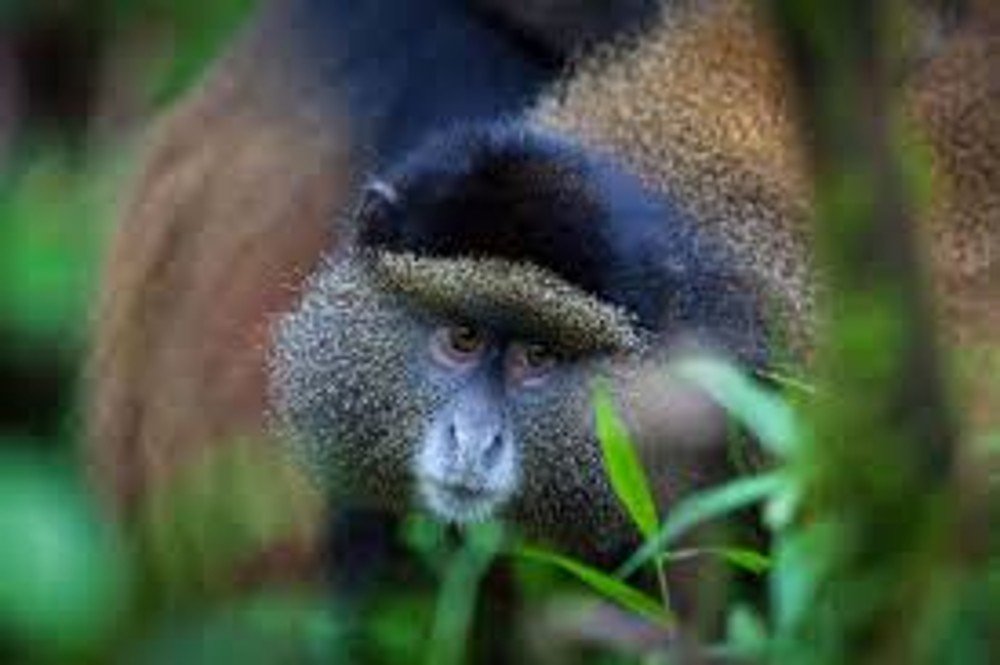
Golden monkeys have a distinctive appearance with reddish-gold fur on their backs in striking contrast to the black coloration of their feet, legs, and tails. Male golden monkeys are larger weighing between 4.5 and 12 kg (10-26lb) and tall at 58-67 cm (19-26 in). Females are much smaller weighing between 3.5 and 4.5 kg (8-10 lb).

Golden monkeys have a life expectancy of 19 years.
Are you planning and interested in seeing these monkeys in the wild, you can easily add the golden monkey trekking experience to your Uganda or Rwanda safari.

Trekking Golden Monkeys in Uganda – Mgahinga Gorilla National Park
The endangered golden monkeys in Uganda are found in Mgahinga Gorilla National Park which is part of the Virunga Mountains and is only one of the four destinations in the world where you can see the golden monkeys.
In Uganda, golden monkeys can only be seen in Mgahinga Gorillas National Park. The park is home to an estimated between 3,164 and 5,059 individuals. One group is fully habituated to human interaction with about 30 individuals and it is available for daily golden monkey trekking excursions. The other golden monkey family is reserved for research and the daily golden monkey habituation experience allows visitors to spend 4 hours with the golden monkeys.

Normally, visitors combine golden monkey trekking with a gorilla trekking experience on your Uganda gorilla safari.

The monkey trekking in Mgahinga Gorilla National Park starts at Ntebeko Visitor’s Center at 08:00 Am with a briefing, there are two daily adventures to see golden monkeys in Mgahinga – Uganda.
Golden monkey trekking adventure offers visitors only one hour with the golden monkeys observing them go on with their life in the bamboo forests providing you with a more captivating and unique golden monkey experience. For visitors who wish to spend more time with the golden monkeys, they can participate in the golden monkey trekking experience.

On the 4 – Golden Monkey habituation experience, visitors have a chance to spend four hours with the golden monkeys and follow scientists around as they study them. Visitors get an in-depth chance to learn so much about golden monkeys, their habitat, and the behind-the-scenes primate science.

Golden Monkey Permit and Price
To participate in golden monkey trekking to see golden monkeys in Mgahinga Gorilla National Park, you need to book a golden monkey trekking permit which costs

  • $ 60 per person for foreign non-residents and residents
  • UGX 40,000 for East Africa Residences

Cost for golden monkey Habituation permit costs $ 100 per person

The cost of the permit includes the armed rangers for protection against any threats in the jungle a local tracker guide and time with the golden monkeys.
The price of the permit does not include the park entrance

  • $40 per person for foreign–non–residents
  • 30 per person for residents
  •  UGX 20,000 per person for East African Citizens

Tracking these monkeys in Mgahinga Gorilla National Park is similar to gorilla trekking though, it is not as strenuous. You will spend about 30 minutes to 2 hours trying to find their location, golden monkeys are more active and exciting to watch than gorillas and will keep you on your toes trying to keep up with their antics.

Where to stay in Mgahinga Gorilla National Park for golden monkey trekking
Our best pick for where to stay during golden monkey trekking in Mgahinga Gorilla National Park include

  • Gahinga Lodge
  • Birdnest Bunyonyi
  • Lake Mutanda Resort
  • Chameleon Hill Lodge

Golden Monkey Trekking in Volcanoes National Park, Rwanda
Volcanoes National Park is well-known for mountain gorilla trekking adventures in Rwanda, however, it is also a great destination for golden monkey trekking.

The forests of Volcanoes National Park have two-habituated golden monkey groups with the largest consisting of about 80 to 100 individuals. Daily trekking excursions start at 08:00 am from the park’s headquarters at Kiningi, visitors should be at the headquarters by 7:00 am for the briefing before the trek.

Cost of a golden monkey permit in Volcanoes National Park, Rwanda
A gorilla permit in Volcanoes National Park costs $ 100 per person, booking your gorilla permit in advance is recommended.

Where to stay in Volcanoes National Park for golden monkey trekking in Rwanda

Golden Monkey Trekking Vs Gorilla Trekking
The lush forests of Africa offer two unique primate encounters that are gorilla trekking for an encounter with the iconic mountain gorillas and golden monkey trekking for an encounter with golden monkeys.
These experiences offer a glimpse into the captivating world of primates, these experiences differ in their challenges, behaviors, and photogenic opportunities.
This trekking presents an exciting encounter to see the endangered mountain gorillas in their natural habitat, this experience is strenuous as you will have to hike through valleys and steep landscapes. To find mountain gorillas, it takes approximately 30 minutes to 6 hours.

Unlike mountain gorillas who construct new nests daily and forage further afield, these monkeys maintain a stable routine. Due to the predictable foraging patterns of the monkeys, this primate trekking is less strenuous.

Who can trek
The number of visitors allowed for golden monkey viewing is not limited making it a more intimate and personal experience compared to gorilla trekking which restricts group sizes to eight people.
Consequently, monkey excursions rarely have more than a handful of participants ensuring an immersive and intimate encounter.

Unlike gorilla trekking, there is no minimum age requirement for golden monkey trekking making it accessible to all, while young children may find the trek challenging, teenagers can enjoy this amazing experience without difficulty.

Trekking Permits
The permits are more budget-friendly costing $ 50 in Uganda and $ 100 in Rwanda, in contrast to gorilla trekking which costs $ 700 in Uganda and $ 1500 in Rwanda.
The allure of golden monkey trekking lies not only in its affordability but also in the captivating interactions with these lively primates.

Best Time to See Golden Monkeys
It is possible to see golden monkeys throughout the year, but the best time to go is during the drier seasons from June to August and December to January. In this season, the trails are easier to navigate during these months, and spending time with the golden monkeys is more enjoyable when it is not raining.

However, it is important to note that day seasons in Uganda and Rwanda are also peak season for tourism which means that most desirable lodges are fully booked.
However, obtaining a the permit is relatively easy. We highly recommend booking your accommodation in advance, particularly between June and September.

The low seasons from March to May and from October to November are characterized by high rainfall, misty forests, and challenging trails. However, for trackers who are okay with the weather, this season offers an opportunity to enjoy the trails without the crowds and at discounted rates at lodges that are often empty.

Gorilla Trekking in Mgahinga – What To expect and Gorilla permits

Though gorilla trekking in Mgahinga Gorilla National Park is not as popular as gorilla trekking in Bwindi Impenetrable National Park, Mgahinga is home to an interesting gorilla group worth visiting on a Uganda gorilla safari.

Mgahinga Gorilla National Park is located in Southwestern Uganda and lies near the border of Rwanda and the Democratic Republic of Congo, the park has a size of 33.9 square kilometers making it the smallest national park in Uganda, and is under the administration of Uganda Wildlife Authority. The park was gazetted as a national park in 1991 and the main reason was to protect the critically endangered mountain gorillas.

Mgahinga Gorilla National Park is composed of three dormant volcanoes that is Mount Gahinga, Mount Muhavura, and Sabyinyo. These three volcanoes are covered by thick vegetation cover including Albertine, montane forests, bamboo forests, and semi-alpine forests.
The ranges rise at an average altitude of between 7,000 to 13,000 feet making them the perfect environment for mountain gorillas, golden monkeys, and several bird species to thrive.

Mgahinga Gorilla National Park is a popular gorilla destination making four of the only destinations in the world where you can find mountain gorillas, the park is home to only one habituated gorilla family called Nyakagezi. This gorilla family is known for crossing borders to Rwanda and Congo, however, in recent years it has settled in Uganda.

The Nyakagezi family is one of the largest habituated mountain gorilla groups with 4 silverbacks, the group has become a favorite for trackers because they are always available and trekking is less challenging.

Mount Mgahinga Gorilla National Park is about 490 kilometers from Kampala and can be accessed by both road and air, the journey starts from Kampala through Mbarara, Kabale, Kisoro, and finally to Mgahinga Gorilla National Park. Chartered flights to Mgahinga Gorilla National Park are operated by Aerolink and Bar Aviation to either Kisoro Airstrip or Kihihi Airstrip and then drive to the park. However, it is advisable to land at Kihihi airstrip.

A gorilla trekking permit in Mgahinga Gorilla National Park costs US$ 700 and there are only 8 gorilla permits available in Mgahinga Gorilla National Park on a daily.

Comparing Gorilla Trekking in Mgahinga and Bwindi?
In the whole world, Uganda is the only country with two gorilla habitats that is Bwindi Impenetrable National Park and Mgahinga Gorilla National Park. Mountain gorillas in these two parks are the same since they are of the same sub-species, gorilla trekking rules and regulations are the same and the overall cost for gorilla trekking is the same.
Note: it is important to mention that the gorilla trekking experience both in Mgahinga Gorilla National Park and Bwindi Impenetrable National Park are the same and chances of seeing gorillas in Uganda are very high – almost 100%.

The main differences are
Mgahinga Gorilla National Park is composed of bamboo and montane forests while Bwindi Impenetrable National Park is covered with tropical rainforests.

Mgahinga has fewer mountain gorillas compared to Bwindi Impenetrable National Park which has half of the total population of mountain gorillas remaining in the world, Bwindi has about 420 individuals with 20 habituated groups. This implies that Bwindi gorilla trekking offers more variety.

Bwindi Impenetrable National Park has a total surface area of 331 square kilometers as opposed to Mgahinga Gorilla National Park with a smaller surface area of only 33.9 square kilometers. Also, Bwindi has four gorilla trekking sectors that is Buhoma located in the north, Ruhija to the East, Rushaga, and Nkuringo located in the South. Mgahinga has only one point for gorilla trekking which is at Ntebeko.

Mgahinga Gorilla National Park offers a wide range of activities to engage in other than gorilla trekking like Batwa trail, mountain hiking, golden monkey trekking, and birding. While in Bwindi, there are fewer extra activities including birding, nature walks, and communities in addition to gorilla trekking. Mgahinga Gorilla National Park is the only park in Uganda where one can track both golden monkeys and gorillas.

What else to do in Mgahinga apart from gorilla trekking
Mgahinga is a small park with many activities to offer in addition to gorilla trekking including golden monkey tracking, volcano climbing, cultural encounters with the Batwa people, and bird watching.

Golden Monkey Trekking
Mgahinga Gorilla National Park is home to a large population of golden monkeys which are rare species and only found in the Virunga Mountains, golden monkeys are playful monkeys and their eye-catching color adds to the sparkling nature.

Golden monkeys, a subspecies of blue monkeys are very cute and favorite monkeys to many tourists, Mgahinga Gorilla National Park is one of the few places in the world where one can the golden monkeys. The park is home to about 5000 individuals normally seen in the bamboo vegetation cover and you will enjoy watching them play and jump from one branch to another.

Nature Walks
Mgahinga Gorilla National Park is covered with bamboo and montane forests which are home to several wildlife species including the endangered mountain gorillas, rare golden monkeys and other forest mammals, unique tree species, birds, flowers, and reptiles. A guided trek around the park is always great and very rewarding, the main walking trails in Mgahinga are the Sabinyo Trail, the Mgahinga Gorilla Walk Trail, and the Border Trail.

The Batwa Trail Experience
The Batwa Trail experience in Mgahinga Gorilla National Park is one of the most popular cultural experiences in Uganda taking you on a visit to the Batwa pygmies a marginalized indigenous tribe in Uganda.

The Batwa people once lived in the forests of Mgahinga and Bwindi, when the forests were gazetted as national parks, they were forced out of the forests. They lived as hunters and gatherers for thousands of years, the Batwa trail takes visitors on an exploration adventure in the forest and offers them a chance to understand the kind of life lived by the Batwa. It is led by the Batwa themselves and the trail ends with a visit to the sacred Garama cavas, after visiting the forests. Visitors are then entertained through storytelling, traditional dances, drama, and music.

Cave Exploration
Mgahinga Gorilla National Park has numerous caves that used to be home to Batwa people, an extensive exploration of these caves in Garamba and Muhavura is very rewarding. As you explore the caves, you can learn more about the ways of the Batwa people, these mysterious caves are very long and filled with bats.

Mount Climbing in Mgahinga
Mgahinga Gorilla National Park comprises of three volcanoes offering one–day hiking experiences that are very challenging, Mount Muhavura is the most popular of all the volcanos at 4,100ft high. It is the tallest of all the three volcanoes, it is steep, and recommended that hikers get a hiking stick and boots while climbing it. At the summit, hikers enjoy a great view of the other Virunga Volcanoes, Bwindi Forest, and the mountains of the moon.
Mount Sabinyo is shared by Uganda, Rwanda, and Congo standing at 13,540 feet, you can stand in the borders of three countries while on its summit. Climbing up and down Mount Sabyinyo takes about 8 hours. Mount Gahinga is the shortest of the three volcanoes within Mgahinga Gorilla National Park standing at a height of 3,474 meters above sea level and it only takes seven hours to conquer it.

Birding in Mgahinga
Mgahinga Gorilla National Park is a bird haven with over 76 bird species, the best birding spots in the park are on the slopes of Mount Gahinga and Sabinyo. These birds thrive on the forested slopes of Mount Gahinga, Mount Muhabura, and Mount Sabyinyo. Some of the bird species to look out for include Rwenzori turaco, handsome francolin, common cuckoo, regal sunbird, fire finch, olive pigeon, woodpeckers, Dusky Turtle Dove, Rwenzori nightjar, and the red-throated Alethea among others.

Where to stay in Mgahinga Gorilla National Park during Gorilla Trekking
Around Mgahinga Gorilla National Park, there are several accommodation options ranging from budget, mid-range, and luxury. These accommodations include
Chameleon Hill Lodge
Nkuringo Safari Lodge
Clouds Mountain Gorilla Lodge
Mount Gahinga Rest Camp
Mount Gahinga Lodge
The Africa Big (5) Five

The term “Africa Big 5” was coined by trophy hunters in the 19th centuries. For these five animals, the hunters knew well to be the most deadly and difficult to capture or kill. Now, the Africa Big 5 are the most revered game to safari tourists and travelers, attracting flocks of people from across the world to see them. Here are the big five and where you can find them.

1.     African Lion(Panthera leo)

The African Lion is most fierce and astonishing of the Big 5 animals, admired for its girth, strength and braveness. Lions roam the Savannah in groups called prides comprising anywhere from 5 to 40 lions and can be found in the three largest savanna parks: Murchison Falls, Kidepo Valley and Queen Elizabeth National Parks.

  • African Elephant (Loxodonta africana)

The African Elephant is the largest land mammal existent on planet earth, even larger than its Asian counterpart flaunting its large ears and curving tusks. The adult elephant can be found roaming grasslands in all the major Parks in the country except Lake Mburo NP, consuming up to 300 pounds of food in a single day.

  • Leopard

Averaging between 50 and 90 kg (110 to 200 pounds) in weight, the Leopard is the smallest of the Big 5. This darkly spotted solitary cat boasts of its stealth, elusiveness and hunting prowess that suit it as a formidable predator. The leopard can be seen in Queen Elizabeth, Murchison Falls, Kidepo Valley, Lake Mburo and Mt Elgon National Parks.

  • African Buffalo

When the African buffalo aren’t fighting off the predatory African lion, they are eating grass – and lots of it. They live and move in large herds of thousands for security and can be found around a water source, covered in mud. They are known to be dangerous and unpredictable, with a very precarious temperament and can be found in just about every National Park.

  • Rhinoceros

The Rhinoceros are large, with stumpy legs and massive bodies and characteristic horned stouts. The Northern white rhino and can only be seen in the massively protected Ziwa Rhino sanctuary and the Uganda Wildlife Education Center in Entebbe commonly referred to as the Zoo.

Why You Should Explore Uganda in 2025

Mountain Gorilla Trekking (Bwindi Impenetrable Forest &Mgahinga Gorilla National Park).

Nestled within the lush landscapes of southwestern Uganda lies a natural wonderland like no other: Bwindi Impenetrable National Park. Enveloped in a cloak of ancient forests, misty valleys, and soaring peaks, this UNESCO World Heritage Site beckons adventurers and nature enthusiasts alike to immerse themselves in its unparalleled biodiversity and cultural significance.

Bwindi’s crowning jewel is undoubtedly its population of endangered mountain gorillas, which roam freely within its dense foliage. Trekking through the rugged terrain in search of these majestic creatures is an awe-inspiring experience, offering a rare glimpse into their captivating world. Each encounter is a poignant reminder of the delicate balance between humanity and the natural world.

Beyond its iconic inhabitants, Bwindi boasts a rich tapestry of flora and fauna, with over 400 species of plants and an array of wildlife, including chimpanzees, colobus monkeys, and myriad bird species. The park’s diverse ecosystems support a wealth of life, from the canopy-covered slopes to the tranquil riverbanks below.

But Bwindi’s allure extends beyond its natural splendor; it is also a place steeped in cultural heritage. Home to several indigenous communities, including the Batwa pygmies, the park serves as a living museum of traditional lifestyles and customs. Visitors have the opportunity to engage with local communities, gaining insight into age-old traditions and fostering meaningful connections.

Exploring Bwindi Impenetrable National Park is a journey of discovery, a chance to witness the raw beauty of nature and the resilience of the human spirit. Whether trekking through dense forests in search of gorillas, birdwatching amidst the canopy, or simply soaking in the serenity of the landscape, every moment spent here is a testament to the profound importance of conservation and preservation.

In Bwindi, the impenetrable becomes inviting, inviting travelers to delve deep into its mysteries and emerge forever changed by the experience. It is a place where the primal rhythms of the natural world intertwine with the timeless traditions of humanity, creating an unforgettable tapestry of life, love, and adventure.

Chimpanzee tracking (Kibale forest national park).

Uganda

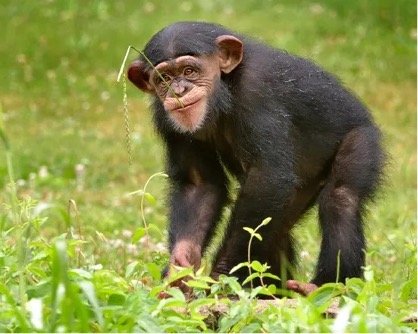
Kibale National Park is often dubbed the “Primate Capital of the World,” and for a good reason. It’s home to the highest concentration of primates in Africa, including our closest relatives, chimpanzees. Trekking through the dense forest in search of these intelligent creatures is an unforgettable experience that offers a glimpse into their natural habitat and behavior.

In Uganda One of the highlights of visiting Kibale is the opportunity to embark on a thrilling chimpanzee trek. Accompanied by experienced guides, visitors venture into the forest in search of these charismatic apes. As you navigate the winding trails, the anticipation builds until you finally encounter a troop of chimpanzees swinging through the trees or foraging for food on the forest floor. Witnessing their playful antics and hearing their distinct calls echoing through the canopy is a truly magical experience. From thrilling primate encounters to awe-inspiring natural beauty, Kibale National Park offers an immersive wilderness experience like no other. Whether you’re seeking adventure, tranquility, or simply a deeper connection with nature, this extraordinary destination has something for everyone. So pack your bags, lace up your hiking boots, and embark on an unforgettable journey into the heart of Kibale National Park. Your next great adventure awaits!

Tree climbing lions (Ishasha, Queen Elizabeth national park)

Uganda

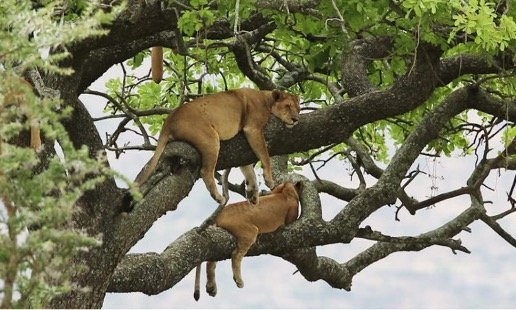
Elizabeth National Park, a jewel of the East African landscape, boasts an astonishing array of wildlife. Among its many treasures are the enigmatic tree-climbing lions, a phenomenon that continues to captivate and intrigue visitors from around the globe.

Imagine driving through the park’s savannah, the golden grasslands stretching as far as the eye can see, punctuated by majestic acacia trees.

The tree-climbing lions of Queen Elizabeth National Park in Uganda are not a separate species; rather, they are a unique population of African lions that have developed a remarkable behavior not commonly seen elsewhere. Why these lions have chosen to scale trees is still a subject of debate among researchers. Some suggest it may be to escape the heat and avoid biting insects on the ground, while others propose it could provide a strategic vantage point for hunting or territorial observation.

So, if you find yourself drawn to the untamed beauty of Africa and yearning for an adventure like no other, consider a journey to Queen Elizabeth National Park. Amidst its sweeping vistas and teeming wildlife, you may just glimpse the awe-inspiring sight of lions defying gravity as they reign supreme from their leafy thrones.

Let the magic of the tree-climbing lions inspire you to explore, to marvel, and to cherish the wonders of the natural world.

Happy exploring!

Murchison falls National Park.

Uganda

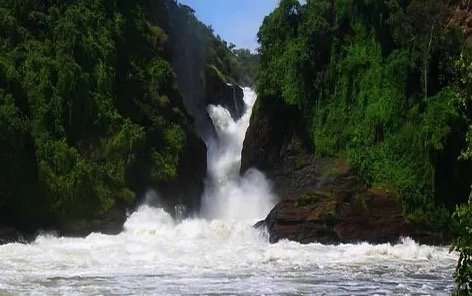
One of the park’s main attractions is undoubtedly the powerful Murchison Falls themselves. Here, the Nile River squeezes through a 7-meter-wide gorge before plunging 43 meters into a frothy cascade below. The sight and sound of the water thundering down the falls are truly awe-inspiring and leave an indelible mark on all who witness it.

Beyond the falls, the park is teeming with an abundance of wildlife. Visitors can embark on game drives across the Savannah, where they may encounter herds of elephants, giraffes, buffaloes, and antelopes grazing peacefully. Lions, leopards, and hyenas also roam the plains, while hippos and crocodiles bask along the riverbanks.

But Murchison Falls National Park In Uganda is not just about its wildlife and natural beauty; it also has a rich cultural heritage. The park is home to several local communities, including the Madi and Alur people, who have lived in harmony with the land for centuries. Visitors have the opportunity to learn about their traditions, customs, and way of life, adding depth and meaning to their experience in the park.

In essence, Murchison Falls National Park is a treasure trove of wonders waiting to be explored. Whether you’re a nature lover, wildlife enthusiast, or simply seeking adventure, this park offers something for everyone. With its awe-inspiring landscapes, diverse wildlife, and rich cultural heritage, it truly stands as a testament to the splendor of the African continent.

In conclusion, Uganda’s wildlife is a testament to the country’s rich natural heritage and its commitment to conservation. From the iconic mountain gorillas of Bwindi Impenetrable National Park to the tree-climbing lions of Queen Elizabeth National Park, Uganda offers a safari experience like no other.

As we reflect on the wonders we’ve explored in this blog, let us remember the importance of responsible tourism and conservation efforts in preserving these precious ecosystems for future generations. By supporting sustainable practices and engaging with local communities in Uganda, we can ensure that Uganda’s wildlife continues to thrive for years to come.

Happy adventuring!

The best time to visit Rwanda

The best time to visit Rwanda is generally from June to September. This period falls during the long dry season, offering excellent conditions for gorilla trekking with less rain, which makes the trails easier to navigate and reduces the risk of malaria. The weather is dry, clear, and ideal for outdoor activities like wildlife viewing in various national parks:
  • June to August: These months are particularly favorable due to minimal rainfall, making it the peak season for tourism in Rwanda. The weather is perfect for hiking and gorilla trekking, with temperatures that are comfortable, generally ranging from the 60s to low 80s Fahrenheit. Animal sightings are more common as well, with less vegetation obstructing views in parks like Akagera.

  • September: While it’s the end of the dry season, it’s still a good time for visiting. This month also hosts the Kwita Izina ceremony, where baby gorillas are named, adding a unique cultural event to your visit. However, there might be slightly more rain towards the end of the month.

Another good window is from December to February, which is the short dry season. This period is also popular, though slightly less so than the summer months, and offers similar benefits with drier weather conducive to gorilla trekking and other outdoor activities. However, booking accommodations and gorilla permits in advance is crucial due to the holiday season demand.

The rainy seasons, from March to May and October to November, are less ideal for most visitors due to heavy rainfall, which can make trekking more challenging and muddy. However, these times offer unique experiences like easier chimpanzee tracking due to the abundance of food and lush, vibrant landscapes. Gorilla permits might be cheaper and more readily available during these months, appealing to those who don’t mind the rain.

In summary, for the best experience in terms of weather and wildlife viewing, aim for June to September, or consider December to February if you want to enjoy Rwanda during the holiday season with fewer crowds. However, Rwanda’s climate allows for visits year-round, with different attractions during the wetter months.

Why Gorilla Trekking in Uganda or Rwanda in 2025

Uganda and Rwanda are the best countries in the world for mountain gorilla trekking, both with great safari options. Gorilla Trekking in Rwanda is limited to Volcanoes National Park for a conservation focused experience.

Bwindi impenetrable National Park in Uganda has four gorilla trekking sectors but can be a harder trekking option due to the terrain.

With only 1,060 mountain gorillas remaining in the world, having the opportunity to see them in their natural habitat is unfortunately very rare. This is what makes it all the more special.

Which is one of these two East African countries should you visit for the ultimate gorilla trekking experience? Is an often asked question by every traveller. To help you choose between these two countries, we have pitted Uganda and Rwanda against each other to answer the ultimate question. Gorilla Trekking: Uganda or Rwanda?

Uganda

Described as The Pearl of Africa by Winston Churchill, Uganda is often overlooked by travellers. Bwindi Impenetrable National Park’s lush jungle and tropical forests are home to the highest concentration of primates on earth. Around 20 habituated gorilla families around in Bwindi with each gorilla family limited to a maximum of 8 visitors per day.

Mountain gorillas are constantly on a move, so it is hard to narrow down just on area in which to track them. As a result, the total time you spend on gorilla trekking experience can be from half an hour to eight hours and more.

Uganda is more suited for adventurous travellers, as Bwindi’s terrain is such that you start your trek on high ground before descending into the valley to see the gorillas, ending with an arduous climb at the end of the day. Slopes can often b steep and there are no trails, giving Bwindi Impenetrable National Park its impenetrable reputation.

Weather in Uganda is also unpredictable, even during the dry seasons, so rain can make the trails muddy and slippery.

Tackling challenging conditions is often worth it, though, as Bwindi Impenetrable National Park is home to an incredible 79 mammal species, 160 species of trees and 100 species of ferns. Opportunities to spot giant forest hogs, forest elephants and several small cats while gorilla trekking will no doubt make your visit worthwhile.

Mgahinga Gorilla National Park is another destination for gorilla trekking in Uganda, the park’s small size means that the gorilla family residing here is slightly more elusive. Mgahinga is part of the Great Volcanoes Conservation Area shared by Rwanda’s Volcanoes National Park and Virunga National Park in Democratic Republic of Congo. The park spreads across three inactive volcanoes (part of the Virunga Volcanoes Chain) – Sabinyo, Gahinga and Muhabura making its 34 square kilometres landscape incredibly dramatic.

Because it can be slightly more difficult to find the gorilla family at Mgahinga, it is great to spend your time here doing other safari activities as well, such as golden monkey trekking, hiking one of the three volcanoes or connecting with the indigenous Batwa Tribe.

Rwanda

Crowned – The land of a thousand hills, Rwanda’s rolling green savannahs and tropical rainforests provide the perfect backdrop or gorilla trekking. Gorilla sightings in Rwanda are got in Volcanoes National Park, the region has gentle slopes and open bush catering to all types of travellers. Volcanoes National Park was named by virtue of the fact that it is home to five of the eight volcanoes in the Virunga Mountains Massif. Combined with blanketed rainforests, open grassland and small lakes, the landscapes across Volcanoes National Park are worth visiting in and themselves.

Similar to Uganda, a maximum of eight tracking permits per gorilla family are allowed in Rwanda’s Volcanoes National Park so the forest is seldom too crowded. With 10 habituated gorilla groups, the time it takes to locate them is similar to that taken in Uganda’s Bwindi Impenetrable National Park and Mgahinga Gorilla National Park. However, Rwanda’s open environment lends itself to less arduous treks, making it more accessible than Uganda’s challenging terrain.

Where to stay?

Where to stay in Uganda?

There are several accommodation options to stay during your gorilla trekking in Uganda, these include

  • Clouds Mountain Gorilla Lodge – situated on a ridge top in the heart of Bwindi, the lodge offers sweeping views over the forested Virunga Mountains. The property’s special feature is the terrace, as you are able to enjoy dinner with a backdrop of Mount Nyirangongo’s glowing lava lake.
  • Mahogany Springs – this riverfront lodge combines exceptional service with a wonderful location. Highlights of Mahogany Springs include fresh produce grown on site, panoramic views from private balconies and open terracotta showers. For a more secluded feel, the presidential suite features two bedrooms and two bathrooms, complete with a spacious living room and private terrace.
  • Sanctuary Gorilla Forest Camp – The camp boasts a very communal feel, with an outdoor campfire area set up for fellow guests to come together and swap stories.
  • Mount Gahinga Lodge – The lodge is ideally placed in a prime location in the heart of Mgahinga Gorilla National Park, six stone and thatch bandas feature fireplaces and solar heated showers, giving it a cozy, authentic feel.

Where to stay in Rwanda?

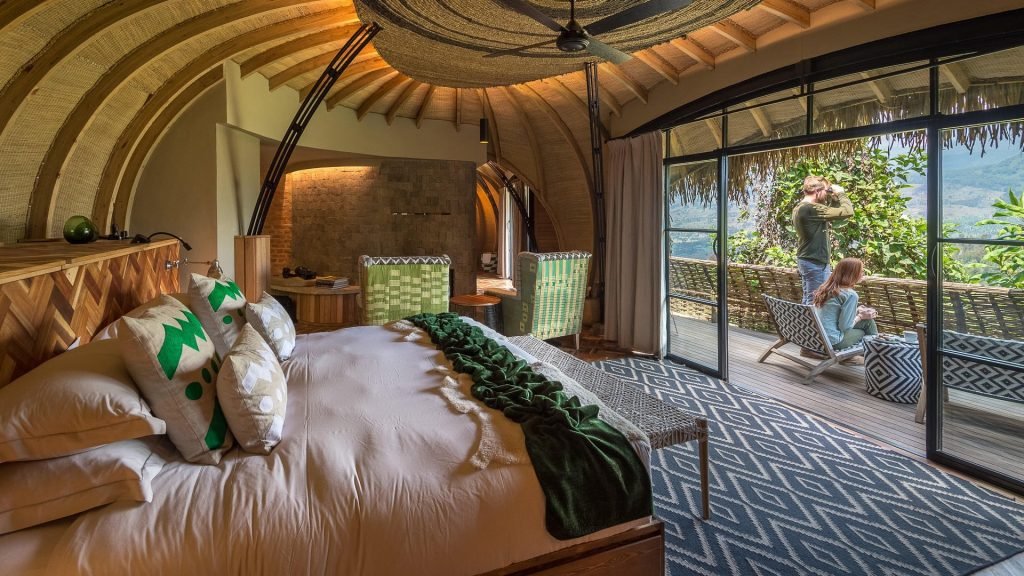
  • Bisate Lodge – set amongst an eroded Volcanoes cone, the lodge’s six forest villas boast panoramic views across rolling hills and guided village walks amongst the local community. Bisate Lodge’s Villas provide an out of this world feel, with each room’s private deck facing the ethereal Mount Bisoke.

Gorilla trekking

  • Virunga Lodge – sitting atop a 2,300 metre hilltop overlooking twin lakes of Bulera and Ruhondo, the lodge is one of central Africa’s premier eco lodges. Virunga is environmentally conscious property, with en suite bathrooms running on solar hot water.
  • Sabyinyo Silverback Lodge – set in the foothills of the Virunga Mountain, the lodge features eight spacious standalone cottages decorated in a homely fashion. The secluded location of Sabyinyo Silverback Lodge makes it a great choice for honeymooners, the location creates a private feel.

When to go for gorilla trekking?

Uganda

Uganda has an average altitude of around 1,000m and straddles the equator, which makes the heat rarely too intense, meaning you can visit year-round. However, the best time for gorilla trekking is between July and September. This period is a dry season coinciding with Uganda’s peak season, make sure you organise your permit and book your accommodation in advance. Only a limited number of 8 visitors per habituated gorilla group are permitted to visit the gorillas, so the forest is never too crowded.

Rwanda

Rwanda’s weather is variable, as the country has two dry seasons and two wet seasons. The dry seasons running between mid-December to early February and from June to September are ideal for gorilla trekking, since the forest terrain is not as treacherous as it tends to be during the rainy season months.

Drier temperatures also mean a low risk of contracting malaria. However, because Rwanda is equatorial, the weather is never predictable, so it is wise to include waterproofs on your packing list year round.

Which is the more sustainable option?

Uganda

Gorilla trekking experience in Uganda is well known for being a sustainable destination. On a 3 days Bwindi Gorilla Safari, you will be able to learn about the inspirational work of the Bwindi team and hear about how your travel to this region directly benefits an at-risk ecosystem.

Gorilla-based tourism benefits the local community too, with private guides from the local community able to make a living from leading gorilla treks in Bwindi Impenetrable National Park and Mgahinga Gorilla National Park.

Rwanda

Conservation is still a primary features in Rwanda. All the guided treks in Volcanoes National Park are led by expert naturalist guides, with every effort made to minimise impact on the gorillas’ natural habitat.

Volcanoes National Park, Rwanda’s leading tourist destination was put firmly on map by American primatologist Dian Fossey, who founded a centre to bring worldwide attention to the gorillas’ endangered status.

In conclusion: Choosing between Rwanda and Uganda for gorilla trekking depends on your travel style and preferences, as each destination offers exceptional mountain gorilla viewing.