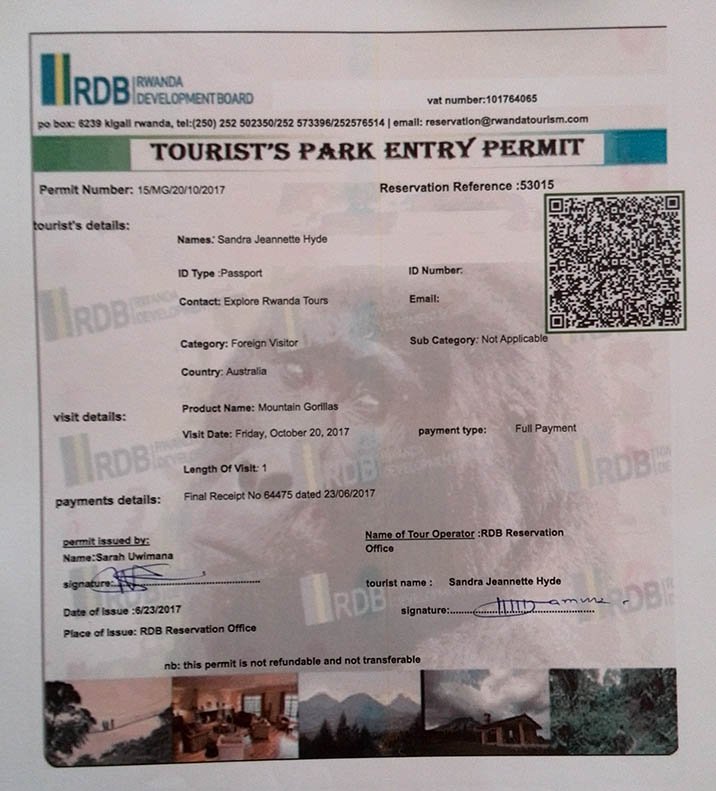
To take part in the incredible gorilla trekking in Volcanoes National Park, you need to obtain a gorilla permit. With this permit, you are allowed to track one of the 12 habituated gorilla families in Volcanoes National Park.
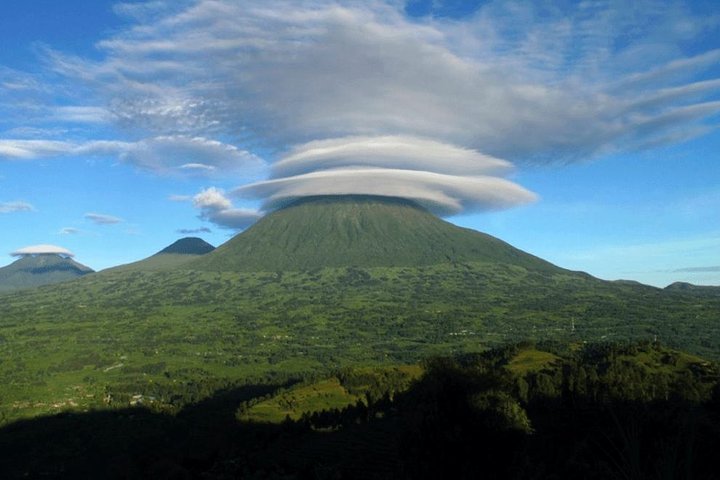
Volcanoes National Park is the only gorilla habitat in Rwanda and one of the only 4 gorilla habitats in the world, renowned for offering the most accessible gorilla trekking experience. The park is part is part of the Virunga Volcanoes which are shared between Uganda, Rwanda and DR.Congo.
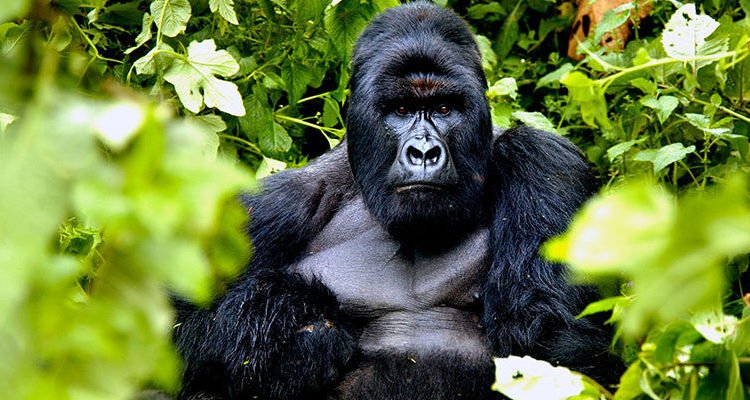
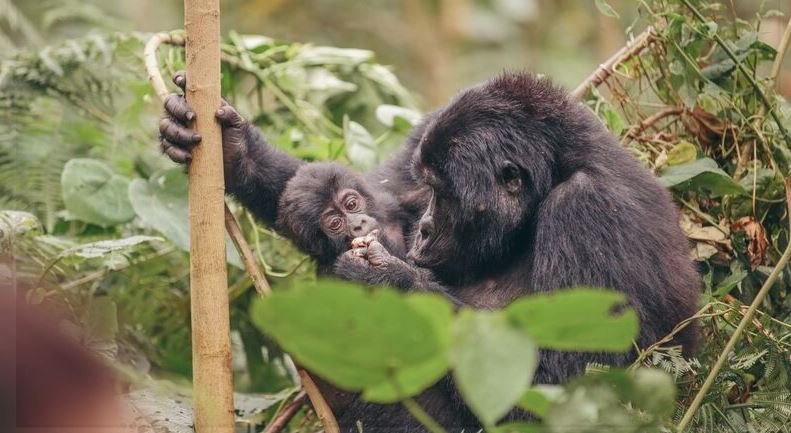
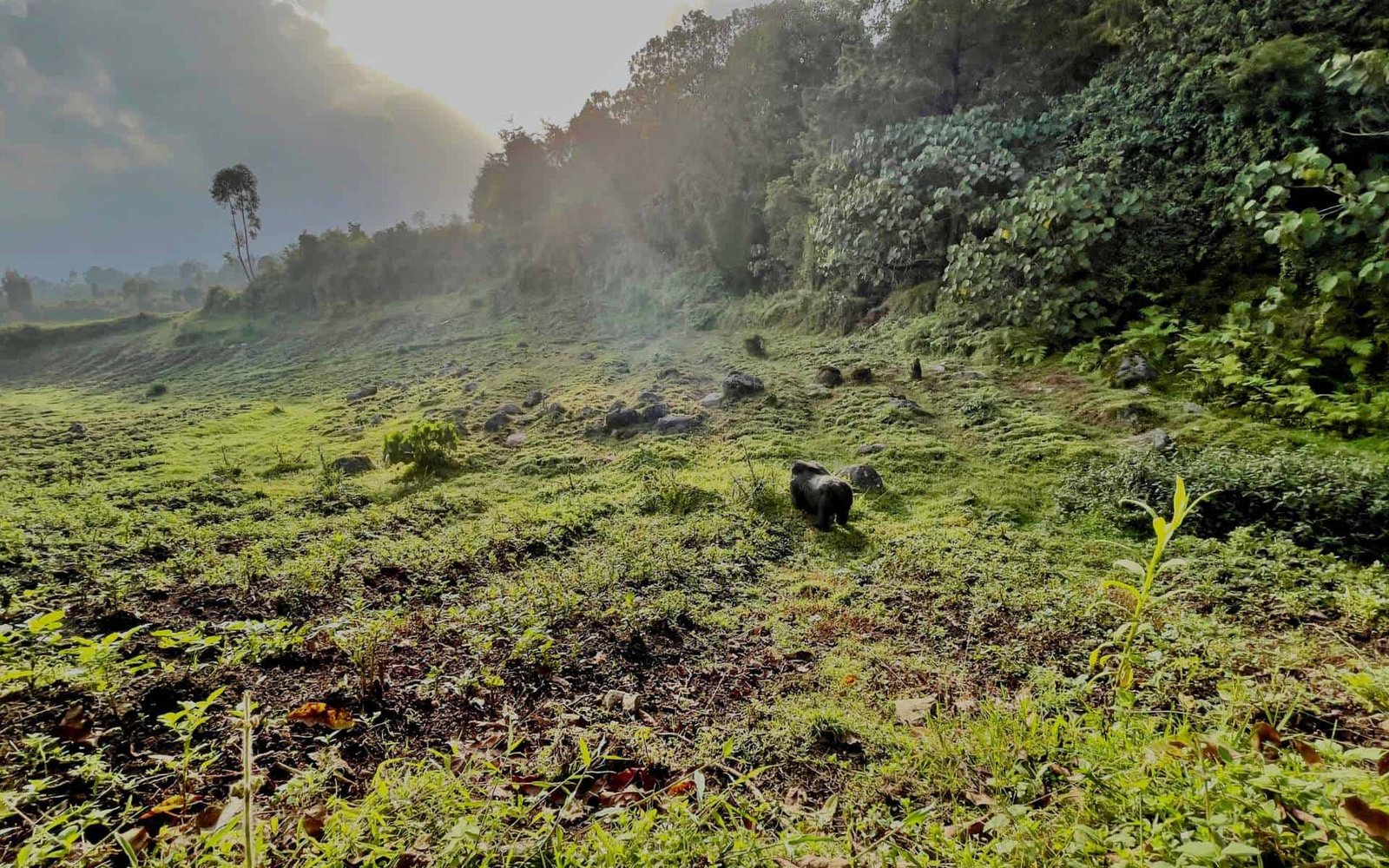
Mountain gorillas are the prime attraction in Volcanoes National Park, these gentle giants can be trekked year round.
Rwanda Gorilla Permits Availability
Gorilla permits in Rwanda are issued by the Rwanda Development Board (RDB) and one can obtain one through a local tour operator, or book it directly on the official website of RDB.
Note: Gorilla permits are one high demand yet a limited number is issued on a daily basis. Only 8 gorilla permits are issued per gorilla family totaling to only 80 permits per day. So it is advisable to book your permit about 6 months in advance to your gorilla trekking dates. For convenience, book your permit and Rwanda gorilla trip through a trusted local tour operator.
Rwanda Gorilla Permits Price.
Rwanda gorilla permit costs US$ 1500 to all international tourists irrespective of the season and nationality. Discounts are only offered to foreign residents, Rwanda nationals and East Africa citizens.
The table shows the Rwanda Gorilla Permits Price
Visitor Category
Adult
Child/Student
Foreign/International Tourists
US$ 1500
N/A
Foreign Residents in Rwanda
US$ 500
US$ 500
Rwanda Citizens
US$ 200
US$ 200
East African Citizen
US$ 200
US$ 200
African Citizens/Foreign Residents in Africa
US$ 500
US$ 500
Information to Note
To qualify for Rwandan / East African Foreign Resident status, visitors need to have four consecutive months’ residency status/work permit in their passports or diplomatic card.
East African Residents must present EAC ID cards or passports
Diplomats with residency visa can be allowed to use the applicable resident fee for his spouse and legally accepted children even if they (spouse and children) do not have resident visas
Reporting time to the park headquarters in Kinigi for all gorilla trekking is 0700hrs. R
Rwanda Gorilla Permit Price Inclusions and Exclusions
Prices listed above for gorilla permits include entrance/access to Volcanoes National Park to track gorillas, one of observing the gorillas, services of a park guide and gorilla trekking security by armed rangers.
The Rwanda Gorilla Permit fees excludes the visitor’s transportation to the park, accommodation, transport to the trek starting point away from the park headquarters, hiring porters, trekking gear and meals. Also, park fees are independent of costs for the other park activities like birding, volcano hiking, Dian Fossey Grave Tour among others.
Rwanda Gorilla Permits Discounts
Unfortunately, there are no discounted gorilla permits in Rwanda for international/foreign tourists. The permit price to them remains $ 1500 irrespective of their nationality, age and time of the year you are visiting.
Permit fees discounts are given to Rwandan citizens, East Africa citizens, Foreign Residents in Rwanda and East Africa Community countries.
Rwanda Gorilla Permit Refunds
Full refund for Rwanda Gorilla Permit fees is granted if visitors fail to track the gorillas the whole day as a result of the gorilla groups’ movement. However, this not seeing gorillas in Volcanoes National Park is rare.
In the same situation as above, visitors are always given a second chance
In case of late arrivals or flight delays, absence or cancellation of the trip for one reason or another, no refunds are made.
Booking for a Rwanda Gorilla Permits
Booking gorilla permits in Rwanda should ideally be done through a trusted local tour operator for convenience and expert advice.
Please note that booking can also be done directly with Rwanda Development Board. Visitors are only required to send a copy of the passport biodata page and the $ 1,500 permit fee if processing with a tour operator. Through Rwanda Development Board, the visitor has to fill forms, upload the passport and pay the applicable fee.
To avoid any erroneous applications that might even lead to denial of entry to the park great care has to be exercised.
Peak Season and When to book
In Rwanda, peak tourism seasons are June to August and around Christmas and New Year. If you plan to go gorilla trekking in Rwanda during the peak season or if you are in a large group, you should book your gorilla permits as well as your Rwanda gorilla safari six months or more in advance. The earlier you book the more choice you have on where you stay and a chance to trek the gorillas.
Last – minute bookings may be possible during low season or with smaller groups. Visiting in the rainy season/low season, there is more choice in permit and accommodation availability, it also allows for a more intimate tracking experience.
Situated in the far northwest of Rwanda, Volcanoes National Park is a remarkable safari destination in Rwanda as well as Africa renowned for its primate adventures including gorilla trekking and gorilla habituation experience.
The only way to gain access to Volcanoes National Park as a visitor is by presenting proof of payment (permit) for at least one of the park activities. There are no separate entrance fees at the park gate.
Volcanoes National Park Rwanda Fees and Activity Fees
Gorilla trekking in Rwanda is a remarkable and unique wildlife experience offering visitors a chance to watch mountain gorillas in their natural habitat, to take part in this incredible encounter with the gentle giants you have to obtain a gorilla trekking.
Gorilla Trekking in Volcanoes National Park
Cost of a Gorilla Permit in Rwanda
Category
Fees
International Tourists
US$ 1500
Foreign Residents
US$ 500
Rwanda Citizens
US$ 200
East Africa Citizens
US$ 200
Note:
International Tours – Refers to individuals not residing and working in Rwanda
Foreign Residents – Refers to international individuals residing or working in Rwanda with legal documentations.
Rwanda Citizens – Individuals in possession of Rwanda National Identity
East Africa Citizens – Refers to citizens of Tanzania, Kenya and Uganda.
Due to high demand, gorilla permits in Rwanda should be booked in advance, remember only a total of 80 permits per day are issued and for each of the 10 gorilla families in Volcanoes National Park, a maximum of 8 per day are allowed to visit.
Golden Monkey Trekking Permits
Just like gorilla trekking, golden monkey trekking is only offered in Volcanoes National Park and you need to obtain a permit to meet these playful primates.
Below are the permit fees
Category
Adult
Child/Student
International Tourists
US$ 100
Foreign Residents
US$ 65
US$ 45
Rwanda Citizens
RWF 4000
RWF 2000
East Africa Foreign Residents
US$ 80
US$ 45
East Africa Citizens
US$ 65
US$ 45
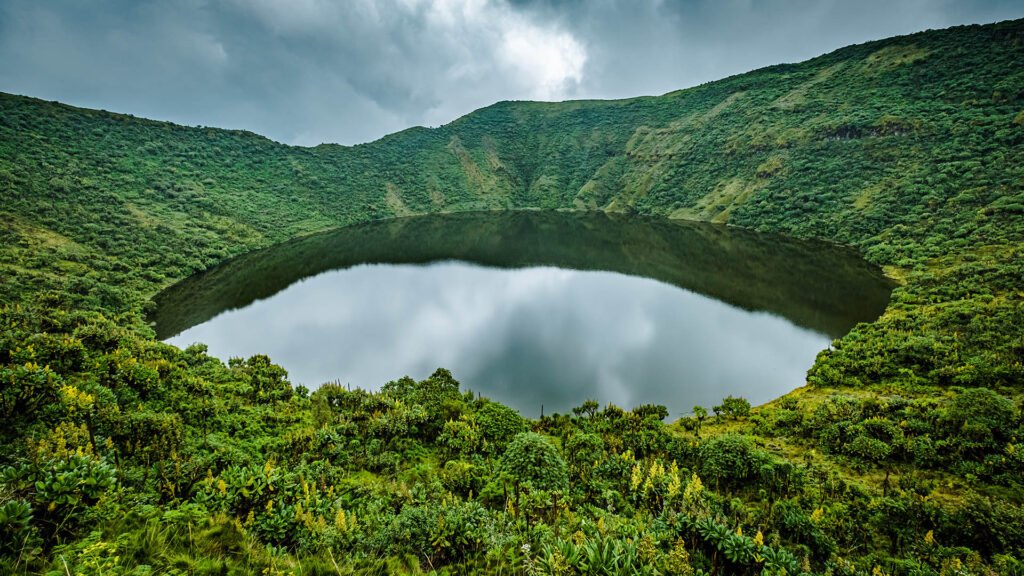
Crater Lake on Mount Bisoke
Hiking Mount Bisoke
Hiking Mount Bisoke is one of the thrilling experience to do in Rwanda, the trek is doable to any moderately fit person and take 6 hours to ascend and descend its slopes. Mount Bisoke is one of the beautiful volcanoes in the Virunga Volcanoes Chain with a beautiful crater lake at its summit.
Visitors who can hardly dare its summit but would want a mountain hiking experience are advised to take a shorter trek to see Lake Ngezi located mid-way to its summit. The hiking permit fees are as below.
Category
Fees
International Tourists
US$ 75
Foreign Residents
US$ 60
Rwanda Citizens
RWF 4000
East Africa Foreign Residents
US$ 65
East Africa Citizens
US$ 55
Mount Gahinga Hike
Hiking Mount Gahinga is a 10km trek (ascent and descent), this trek is the shortest and easiest of all.
The Gahinga Volcano trek starts from Gatabi parking and takes 5-6 hours round trip. The possibility of encountering other animals and birds is one of the thrilling encounter on this hike. The endangered golden monkeys and other animals that form part of the Mount Gahinga Ecosystem.
Permit Fees to hike Mount Gahinga Hike are as follows
Category
Fees
International Tourists
US$ 75
Foreign Residents
US$ 60
Rwanda Citizens
RWF 4000
East Africa Foreign Residents
US$ 65
East Africa Citizens
US$ 55
Hiking Karisimbi Volcano
Mount Karisimbi Hike starts from the Bisoke parking and takes 2 days with camping along the way. The Karisimbi Hike at 4,507M ASL is a strenuous and yet rewarding experience. As the Karisimbi slopes are home to mountain gorillas and other primates and birds, hikers are blessed with a chance of encountering them along the way.
Category
Adult
Child/Student
International Tourists
US$ 400
Foreign Residents
US$ 250
US$ 180
Rwanda Citizens
RWF 30,000
RWF 15,000
East Africa Foreign Residents
US$ 300
US$ 180
East Africa Citizens
US$ 200
US$ 180
Climbing Mount Muhavura
Climbing Mount Muhavura
Muhavura Volcano hike at 4,127m ASL is the second highest and the steepest of all the Virunga volcanoes in Rwanda. It is shared with Uganda. Also, the climb is so demanding due to its steepness and yet it has to be done in a day. A challenging hike however is rewarded with a breathtaking scenery for those who manage to make it all the way to its summit.
Below are the permit fees
Category
Adult
Child/Student
International Tourists
US$ 100
Foreign Residents
US$ 75
US$ 45
Rwanda Citizens
RWF 5,000
RWF 3,000
East Africa Foreign Residents
US$ 380
US$ 45
East Africa Citizens
US$ 60
US$ 45
Dian Fossey Hiking
Dian Fossey Tomb Hike
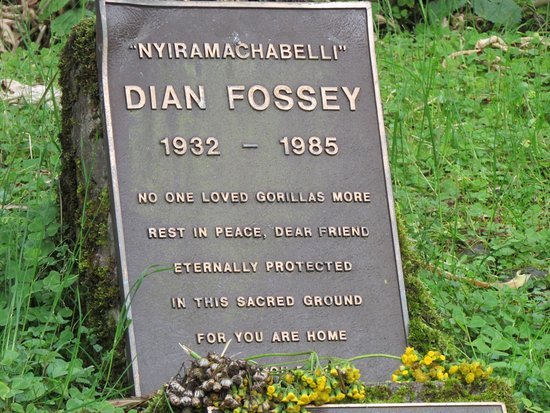
Dian Fossey Tomb Hike takes you to the grave site of Dian Fossey lying at the Karisoke Research Centre and is a journey into the work of a conservation legend which shouldn’t be missed. Dian Fossey is an iconic primatologist who saved the gorillas from extinction with her dedication to observing their natural history alongside the intense resistance against gorilla poaching.
Dian Fossey Tomb hikes take approximately 3 hours (ascent and descent). The permits costs are as follows.
Category
Fees
International Tourists
US$ 75
Foreign Residents
US$ 60
Rwanda Citizens
RWF 4000
East Africa Foreign Residents
US$ 65
East Africa Citizens
US$ 55
Cave Exploration
Visitors keen to cave adventure, the Musanze Caves are a great exploration site to consider. The permits fees are as below and they includes guides.
Category
Fees
International Tourists
US$ 50
Foreign Residents
US$ 30
Rwanda Citizens
RWF 4000
East Africa Foreign Residents
US$ 30
East Africa Citizens
RWF 4000
Nature Walks in Volcanoes National Park
Category
Adult
Child/Student
International Tourists
US$ 55
Foreign Residents
US$ 40
US$ 35
Rwanda Citizens
RWF 3500
RWF 2000
East Africa Foreign Residents
US$ 45
US$ 35
East Africa Citizens
US$ 35
US$ 35
Buhanga Eco Park (1 Day Walk in Nature)
Category
Adult
Child/Student
International Tourists
US$ 40
Foreign Residents
US$ 30
US$ 20
Rwanda Citizens
RWF 3500
RWF 2000
East Africa Foreign Residents
US$ 35
US$ 25
East Africa Citizens
US$ 25
US$ 25
Buhanga Ecological Park (Picnic, including camping for a day)
Rwanda is a remarkable destination attracting thousands of travellers from all over the world thanks to its breathtaking landscapes, hospitable people and remarkable wildlife including some of the most iconic primate species on the planet – mountain gorillas and chimpanzees.
Rwanda offers one of the most enchanting experiences that give visitors the opportunity to observe primates in their natural habitat. From the iconic mountain gorillas to playful chimpanzees and the endangered and elusive golden monkeys.
Rwanda is a perfect destination to witness the incredible primates up close and in this article, we will guide through the list of primates found in Rwanda and where to find to them.
Mountain Gorillas (Gorilla gorilla beringei)
Meeting the endangered mountain gorillas in their natural habitat is one of the most extraordinary wildlife encounters on the planet and in Rwanda, it is possible in Volcanoes National Park. This lush, mist-covered habitat is home to over one-third of the world’s population of the endangered mountain gorillas and offers the most accessible gorilla trekking experience.
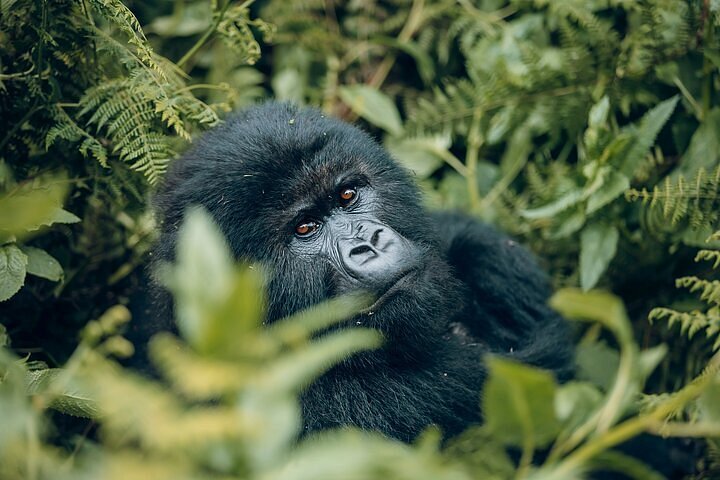
Mountain gorillas are the largest living primates, characterized by a robust muscular build, the gentle apes have a district black coat, broad chest, and an impressive sagittal crest on the forehead. Adult males, or silverbacks, possess a silver-colored back which they again after maturity thus the name.
Mountain Gorilla
To see mountain gorillas in Rwanda, you must obtain a gorilla trekking permit from the Rwanda Development Board. You can book your permit directly at the official website or through a licensed tour operator.
By purchasing a gorilla permit, you not only get to see the gorillas but also contribute to their conservation. The trek to find these gentle giants can be physically preparation and packing, the experience can be comfortable and enjoyable.
Always remember, the encounters are limited to one hour as a way of minimizing stress on the gorillas. But that one hour will stay etched in your memory forever.
Chimpanzees (Pan troglodytes schweinfurthii)
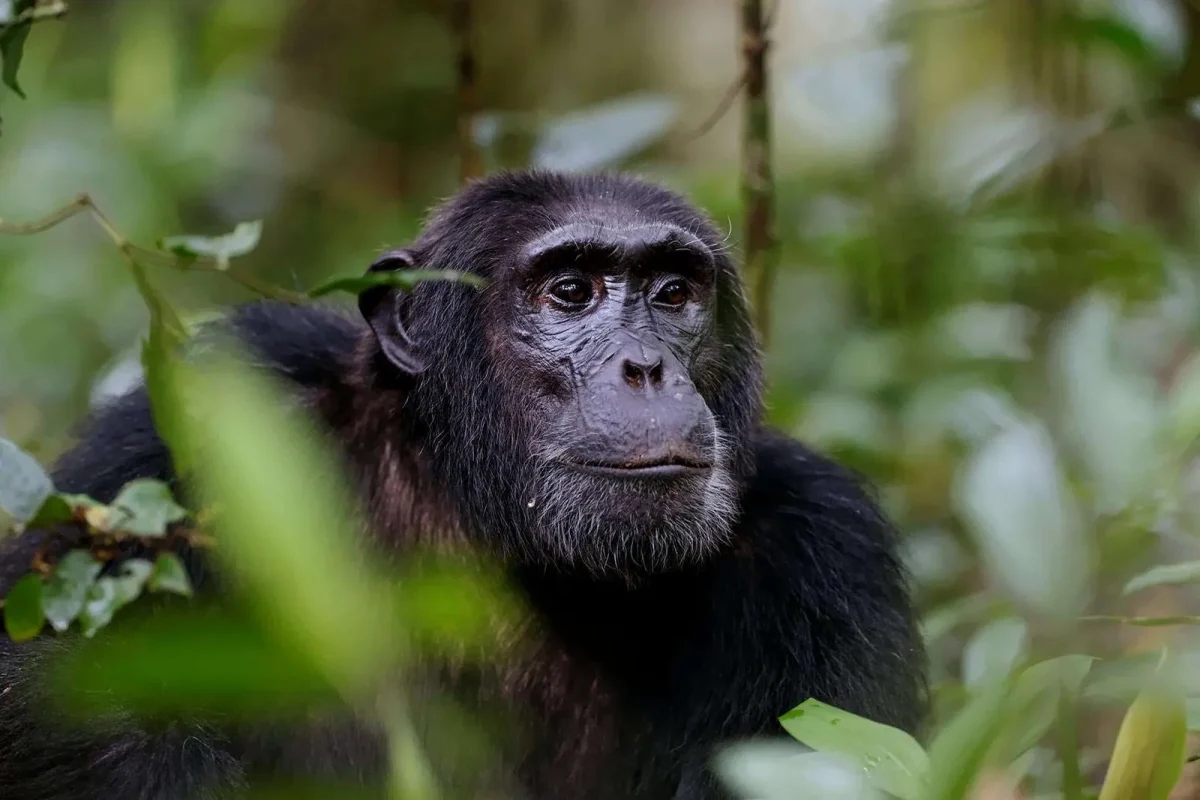
The pristine rainforest of Nyungwe National Park in southwestern Rwanda is home to a thriving population of chimpanzees, which is one of the most famous great apes in Africa. These highly intelligent and social primates are our closest relatives, sharing 98-99% of our DNA.
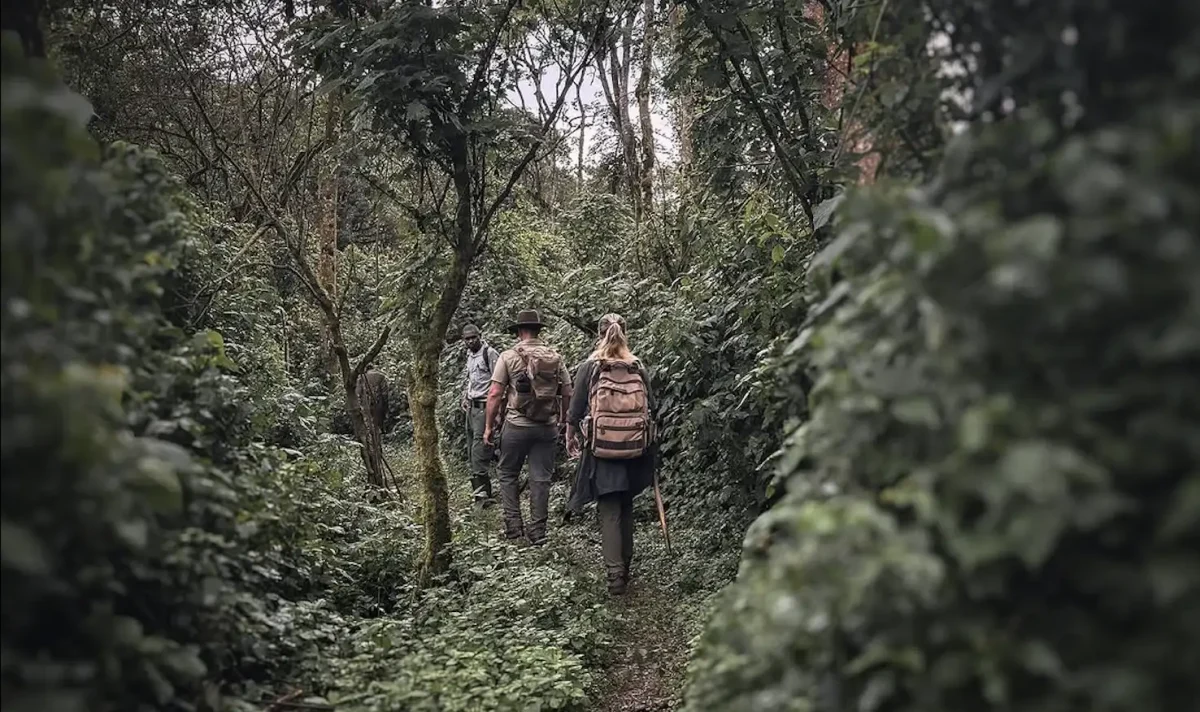
Nyungwe Forest National Park offers guided chimpanzee tracking experience, allowing visitors to observe their complex behaviors, from grooming to hunting and playful interactions. On this experience you are escorted by knowledgeable park rangers and guides who will lead you through dense forest trails, where you will listen to the distant sounds of the chimpanzee community.
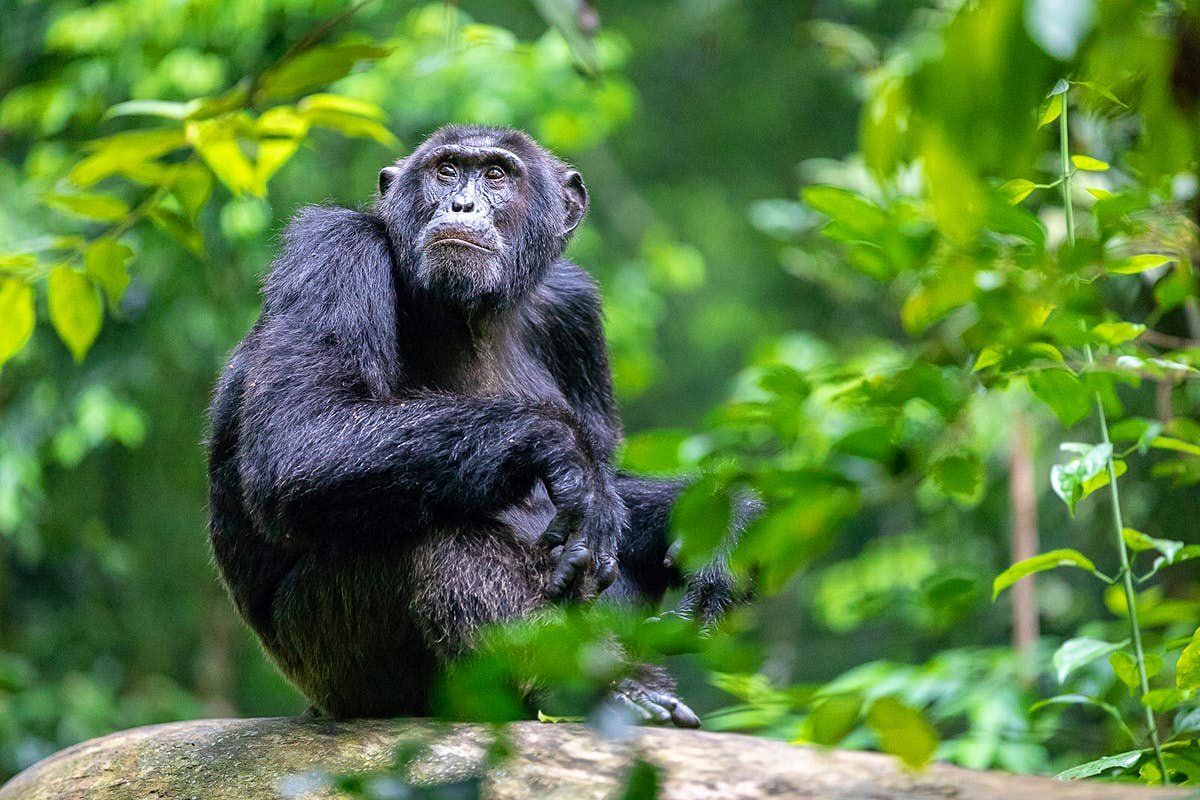
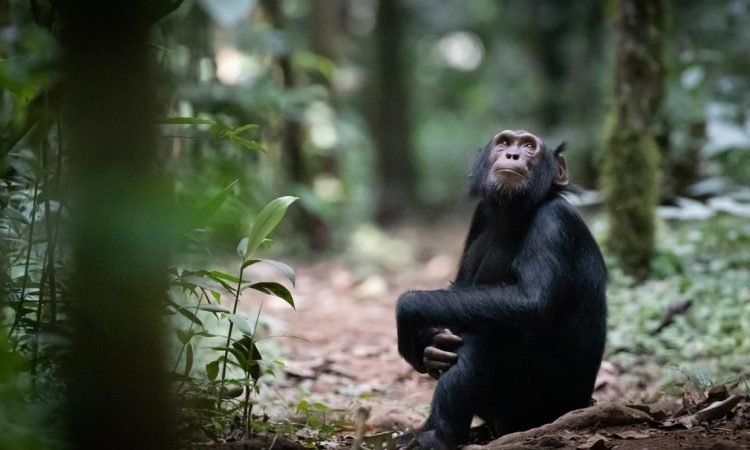
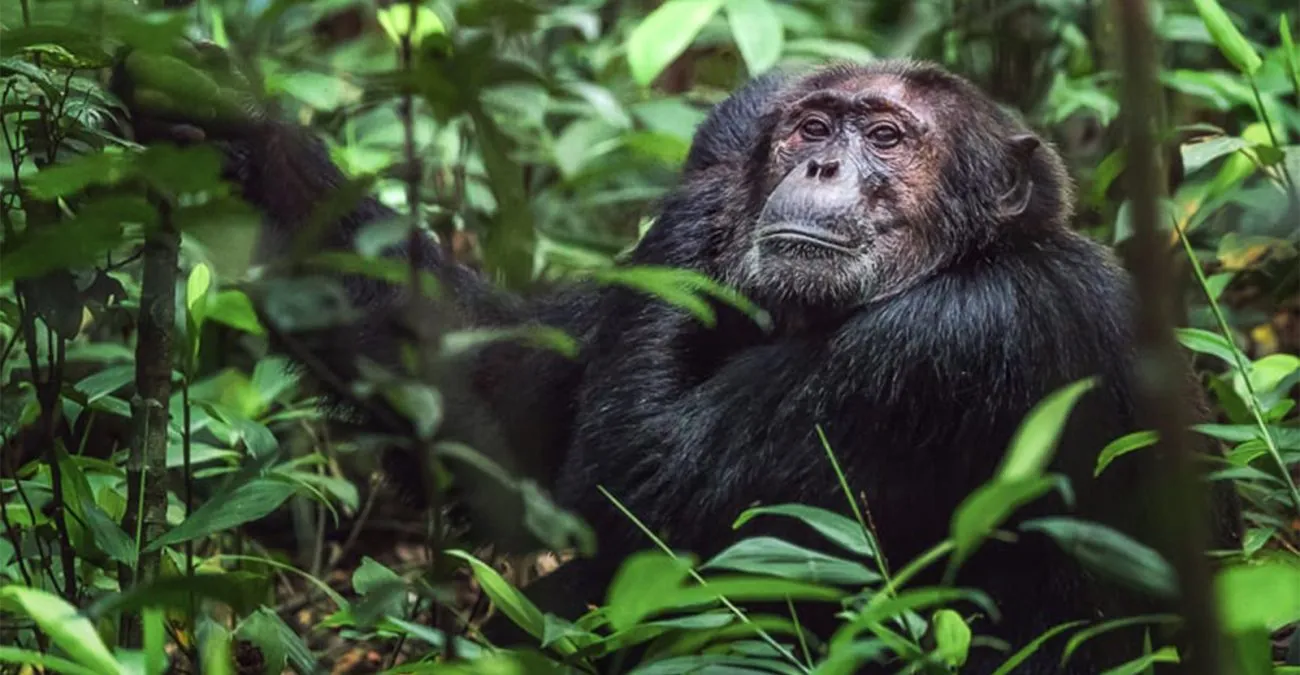
Chimpanzee in Nyungwe Forest
Once you have located them, you can quietly observe and learn about their fascinating lives in the forest.
Nyungwe Forest National Park boasts incredible biodiversity, making it a paradise for nature enthusiasts.
Golden Monkeys (Cercopithecus Mitis Kandit)
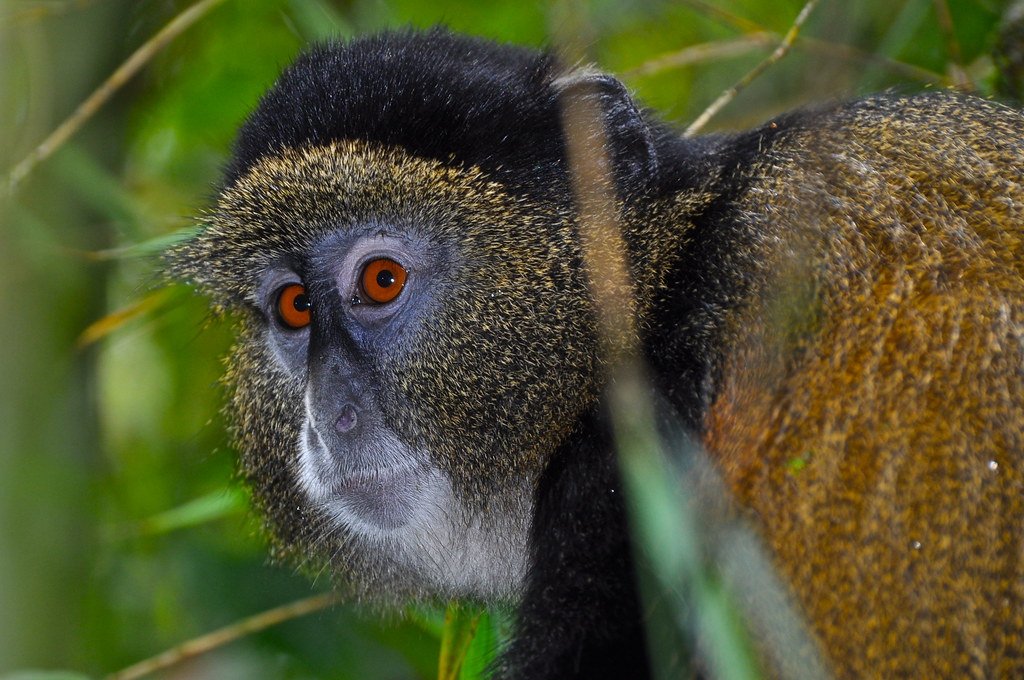
Golden monkeys are other endangered primate species in Rwanda also found in Volcanoes National Park, these beautiful primates are known for their striking golden fur and one of the top three primates to see in Rwanda. Also, these are known for entertaining leaps from tree to tree and engaging in lively social interactions.
Like gorilla trekking in Rwanda’s Volcanoes National Park, you need a permit to take part in gorilla trekking. Also, the experience is equally rewarding.
The playful tactics of the golden monkeys and the lush bamboo forests make for exceptional photo opportunities and lasting memories. Additionally, golden monkeys hold a significant cultural significance in Rwanda, and learning about them and their importance can add an extra layer of meaning of your Rwanda primate adventure.
Lesser Known Primates in Rwanda
Though Rwanda is famously known for its gorillas, chimpanzees, and golden monkeys, it also boasts an equally fascinating list of lesser known primates which significantly contribute to the country’s biodiversity, offering a unique glimpse into the world of primates that you can watch in Rwanda’s diverse landscape.
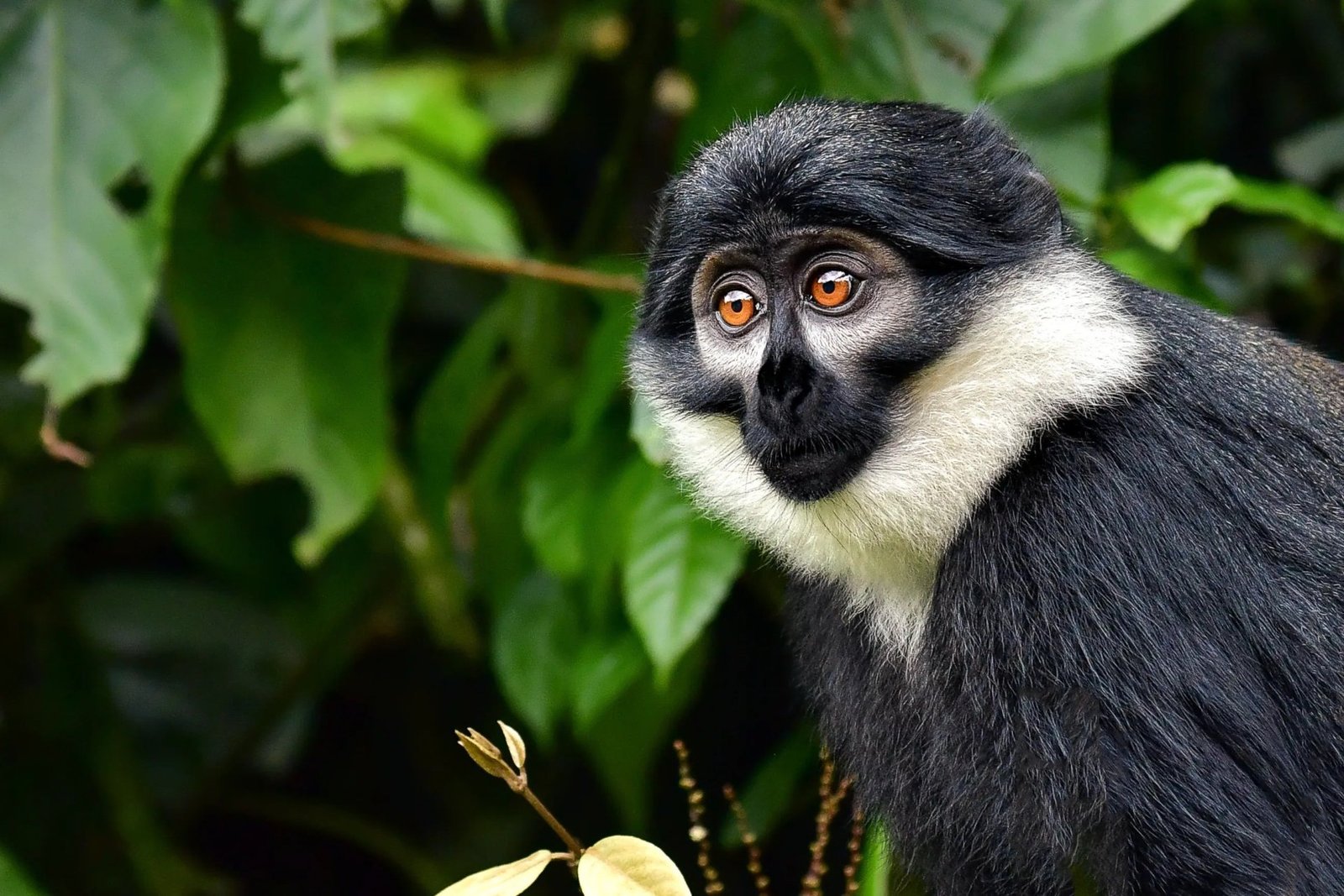
L’Hoest’s Monkey
L’Hoest’s Monkey (Allochrocebus lhoesti)
Also, known as the mountain monkey, L’Hoest’s monkey is a strinking primate characterized by its dark fur and distinctive white beard. Their behavior is marked by a strong sense of community, as they often live in groups known as troops. These troops traverse the lush montane forests of Rwanda, displaying agility in both tree climbing and ground movement.
L’Hoest’s monkeys are endemic to Albertine Rift, and you can easily spot them in Nyungwe National Park and Gishwati Forest.
Olive Baboon (Papio anubis)
With their distinctive grayish green fur, olive baboons are highly social creatures thriving in various habitats, from open savannahs to dense forests, are known for their remarkable adaptability. Their vocalizations ranging from sharp barks to grunts, are common in the woolands of Rwanda.
Olive baboons can be spotted in random places near or inside Rwanda’s four national parks.
Red-tailed Monkey (Cercopithecus ascanius)
The red-tailed monkeys are easily recognizable by their bright russet trails, they are agile acrobats of the forest canopy. These primates are famous for their playful antics and naturalists frequently encounter them near water bodies where they find their favorite snacks, such as aquatic plants and insects.
You can easily spot the red-tailed monkeys on a walk through Nyungwe Forest National Park.
Grey-cheeked Mangabey (Lophocebus albigena)
These fascinating primates have a striking appearance characterized by distinctive gray cheeks and a bush white tuft at the base of its tail. These managabeys are known for known for their arboreal lifestyle, often swinging gracefully through the trees and their presence for dense, evergreen forests.
Grey-cheeked Mangabey
To spot these fascinating primates, go on a trekking adventure in Nyungwe Forest, southwest of Kigali.
Dent’s Mona Monkey (Cercopithecus denti)
Dent’s Mona Monkey is a medium-sized primate found in the tropical rainforests and wooded areas of Rwanda. With its dark brown or black fur, white or yellowish forehead and cheek bands, and a long, slender body with a tail longer than its body, Dent’s Mona Monkey has a striking appearance. They are primarily arboreal, exhibiting agile climbing and leaping abilities, and they live in social groups led by a dominant male.
The diet includes fruits, seeds, leaves, flowers, and occasional insects.
Dent’s Mona Monkeys can be spotted in Nyungwe Forest National Park, however seeing them can be challenging. Only one mona monkey lives with the Gisakura Colobus monkeys, acting as a scout for them.
Usually them Dent’s Mona Monkey chests the area for Colobus monkeys before they move, it signals the troops if it is safe to proceed. It’s fascinating to witness this behavior firsthand while trekking with the Gisakura Colobus monkey group.
Crowned Monkey (Cercopithecus pogonias)
The crowned monkey is a medium-sized primate with a dark body and a distinctive white crest on its head, they are social and diurnal, living in groups and primarily feeding on fruits, leaves, flowers, seeds, and insects. While they are not currently considered endangered, local populations may face threats from habitat loss and hunting.
You can spot crowned monkeys in the dense forests of Nyungwe National Park.
Best Time to visit Rwanda to see the fascinating primates
Rwanda is a year-round destination, but the dry seasons from June to September and December to February are generally the best seasons for primate tracking. During these periods, the trails are less muddy, and the forest foliage is less dense, improving visibility and the overall trekking experience.
Witnessing Rwanda’s primates is a privilege and a must-do experience to do when planning your Rwanda Safari. Whether observing the endangered mountain gorillas, or the playful golden monkeys. Rwanda delievers an unforgettable primate trekking adventure that will leave a lasting impact on your heart and soul.
Get in touch with one of our Travel Consultants and start planning a journey into the primates paradise in Rwanda.
An encounter with wild chimpanzees – our closest relatives in their natural habitat is one the most thrilling adventures you will ever experience. These remarkable primates are the most intelligent and social of all great apes.
Chimpanzees trekking is an immersive guided wildlife experience that involves through the East African jungle and observing chimpanzees in their natural habitat. On the trek you will be accompanied by a knowledgeable guide who you will follow through the dense forest to locate a group of wild chimpanzees and observe them for one hour as they go about their day.
Chimpanzee trekking is typically offered in Uganda, Rwanda and Tanzania, this exceptional experience offers a rare glimpse into the complex social world of these primates – our closest relatives.
Where to see chimpanzees in the wild
Kibale Forest National Park
Dubbed as the Primate Capital of the world thanks to its rich diversity of monkeys, Kibale Forest National Park is East Africa’s busiest chimpanzee trekking destination. Kibale Forest protects a 766 square kilometers tract of tropical rainforest in the far west of Uganda. The forest is home to around 1,000 chimpanzees, in addition to the chimpanzees, the park is also home to other 12 primate species including L’Hoest’s monkey, red-tailed monkey, Ugandan red colobus, black-and-white colobus, olive baboon and the endemic Uganda mangabey which you can also see one the chimpanzee trek.
The success rate of chimpanzee trekking in Kibale Forest stands at above 90%, the highest of any comparably accessible venue. Also, expect to see a wide variety of monkeys and colorful forest birds, particularly if you do a guided walk at the community – run Bigodi Wetland Sanctuary bordering the park.
Nyungwe Forest National Park
Nyungwe Forest National Park is a remarkable chimpanzee trekking destination in Rwanda, the park protects the largest montane rainforest in East Africa blanketing a series of mountains that tumble like monstrous green waves either side of the main road that bisects it.
Also, Nyungwe Forest harbors an exceptional biodiversity, thanks to an altitudinal span of 1,600m to 2,950m.
Trekking chimpanzees is the main and most remarkable safari experience in Nyungwe Forest, allowing one hour of being in presence of these playful primates and an opportunity to explore Nyungwe’s spectacular scenery, exceptional birdlife and primate diversity along a 180 km network forest trails. For more adventure, go on canopy walk on East Africa’s only suspended canopy walk.
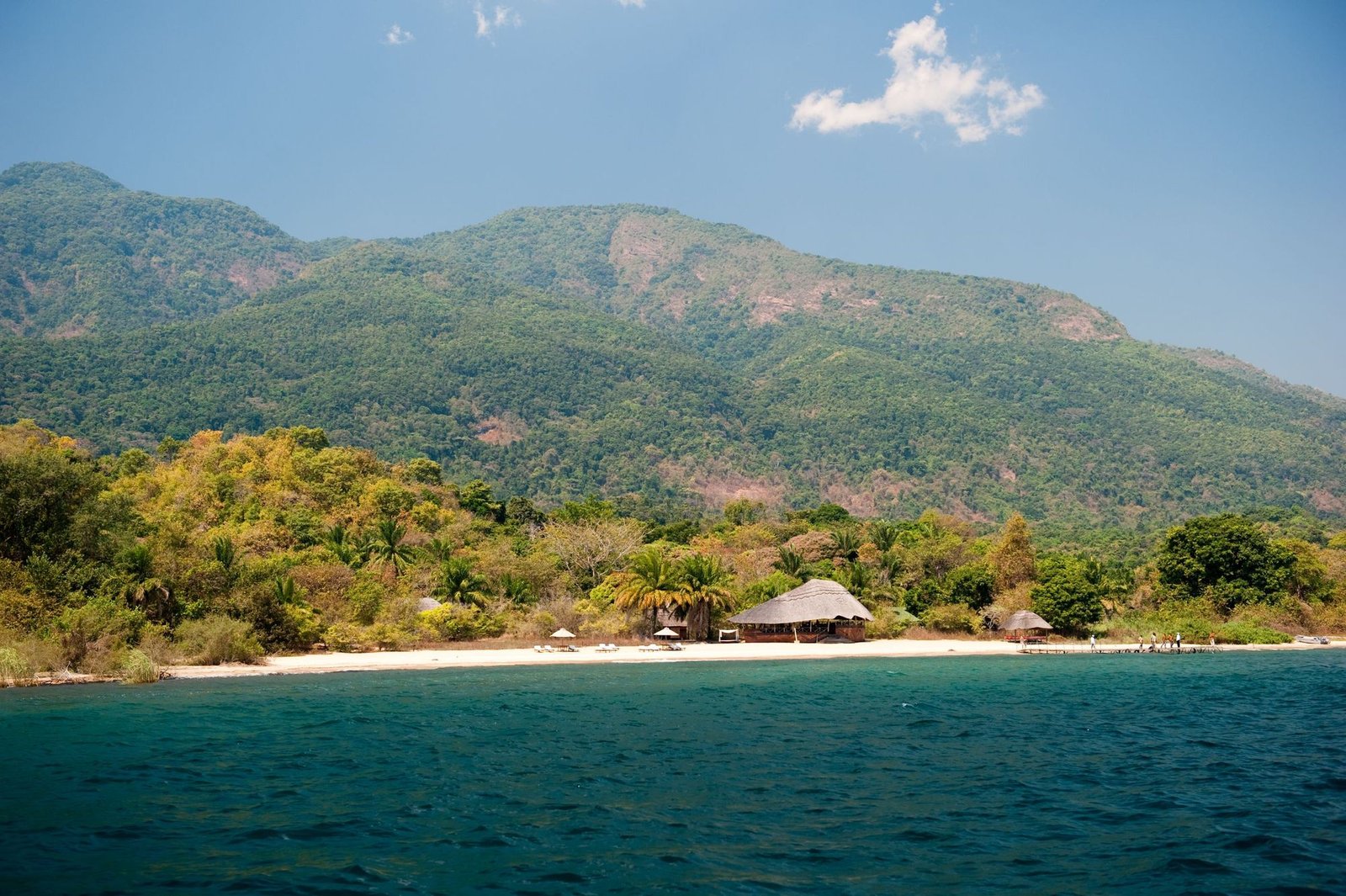
View of Mahale Mountains National Park from Lake Tanganyika
Mahale Mountains National Park
Mahale Mountains National Park is an idyllic located park on Lake Tanganyika below the stretch of Rift Valley escarpment caped by Mount Kungwe, whose peak is a round 1,700m. The park set among the spectacular, forest slopes of the Mahale Mountains, originally created to protect the thousands of chimpanzees that inhabit the region and is renowned for its fantastic sunset over Lake Tanganyika.
Mahale National Park differs from most chimpanzee trekking destination in that it mainly caters to fly-in visitors spending three or four nights in the park. Because it is possible to track on multiple days and departure times are flexible, which greatly increases your chance of an intimate chimpanzee encounter.
The cons of chimpanzee trekking in Mahale Mountains National Park is that, fly-in safaris are costly but it is worth the investment if you can afford it.
Kyambura Gorge
Found in Queen Elizabeth National Park, Kyambura Gorge is an underrated chimpanzee trekking destination protecting 141 square kilometers of hilly escarpment rainforest bordering the similarly extensive Maramagambo Forest.
These two forests collectively protect a population of around 600 chimpanzees including two habituated communities in Kalinzu.
Chimpanzee trekking in Kyambura Gorge is a well-organized community project and the success rate stands at around 90%. Also, guided walks to see forest birds and other monkeys are offered.
Kyambura Gorge, Queen Elizabeth National Park
Kyambura Gorge is one of the quietest chimpanzee trekking destinations in Uganda and there is no need to book a chimpanzee permit in advance, and you are unlikely to encounter other tourists while in the forest.
Gombe Stream National Park
Gombe Stream National Park is the most famous chimpanzee trekking destination in Africa. It was here, in the early 1960s, that Jane Goodall, a celebrated English primatologist established a pioneering research and habituation project now cited as the world’s oldest ongoing study of wild animals.
Gombe is a relatively small park supporting roughly 100 chimpanzees split between three different communities. It has a beautiful location on the forested eastern shore of Lake Tanganyika – the worlds’ longest, second deepest and reputedly least polluted major freshwater body and is sufficiently isolated that it seldom gets busy.
If you want to see chimpanzees hunting red colobus or other monkeys Gombe is where you probably stand the best chance.
Gombe Stream National Park is the best option for independent travelers with plenty of time and limited budget.
Budongo Forest
Budongo Forest forms a southern extension of Murchison Falls National Park, this vast and biodiverse rainforest is home to around 800 chimpanzees including one habituated community whose core territory lies within easy walking distance of a main road.
Despite the forest’s location close to the popular Murchison Falls National Park, it receives relatively few visitors, making it a great alternative for those seeking to avoid crowding. In addition to chimpanzees, large troops of olive baboons, smaller monkeys such as black and white colobus monkeys and the spectacular Abyssinian ground hornbill are often sighted.
Budongo Forest is a perfect choice for a chimpanzee trekking destination for those worried about their fitness. It is the flattest of East Africa’s chimpanzee trekking destination, and most of the time you will be walking on a well-maintained grid of researcher’s paths.
The success rate of chimpanzee trekking in Budongo Forest is greater than 80%, lower than in Kibale or Kalinzu. Also, it may drop lower when the habituated community moves outside its core territory.
Chimpanzee Trekking in Nyungwe Forest
Chimpanzee Trekking: Need to Know
When to track chimpanzees
Chimpanzee trekking is offered throughout the year at most of the chimpanzee destinations (national parks and forest reserves listed above). However, the hiking conditions are generally best in the dry season, which varies from region to region, but broadly falls over June to August and December to February in Uganda and Rwanda, and August to October in the western Tanzania.
Costs
The cost of chimpanzee trekking greatly varies basing on the location, but it is invariably far cheaper than gorilla trekking.
In Uganda, chimpanzee trekking is currently at US$ 200 (including park entrance) in Kibale Forest National Park, US$ 50 at Kyambura Gorge excluding park entrance fees, and US$ 130 at Budongo Forest and Kalinzu Forest with no additional entrance fee.
In Rwanda’s Nyungwe Forest National Park, chimpanzee trekking is charged at US150 to non-residents (no additional fee) while at Gishwati – Makura it is included in the accommodation cost for Forest of Hope Guesthouse and campsite.
In Tanzania, chimpanzee trekking is included in the daily national park entrance fee of US$ 80 plus VAT for Mahale, US$100 plus VAT for Gombe and US$30 plus VAT for Rubondo, though in all cases you need to pay additional guide fee of roughly US$20.
Chimpanzee Tracking Permits
If you are traveling on an organized tour, the operator should book your permits. Traveling independently, online booking for Kibale and Kyambura Gorge can be made through the Uganda Wildlife Authority.
What to Expect
Chimpanzees are very mobile primates, always on a move, they most often betray their presence with a communal pant-hoot call, an explosive, frenzied vocalization that reverberates loudly through the forest interior. Once the chimpanzees have been located with a help of a ranger guide and tracker, you will often have to race breathlessly behind them through the tangled undergrowth before finally they settle down to groom quietly in a forest clearing or climb athletically into the canopy of a fruiting tree.
Conditions vary greatly from one site and one day to the next, but generally speaking, tracking chimpanzees is more challenging than tracking gorillas as they are very mobile. In both cases, expect to face a combination of steep, slippery paths and tangled undergrowth. But because chimpanzees are so much more mobile and less sedentary than gorillas, pursing them through the forest often requires a fair level of fitness and agility, and the success rate of tracking is considerably lower. That said, once you have located the chimpanzees, they may give you a bit of a run-around for a while, but four times out of five they will settle down at some point within the hour you will be allowed to spend with them.
Packing and Preparation for Chimpanzee Trekking
To track chimpanzees, a reasonable level of fitness is required. If you are able to walk at a brisk pace for two hours at home, you should be fine. If not, it is a good idea to get in some walking to build up your fitness.
Comfortable hiking boots are ideal for walking through the forest. Also bring a hat and sunscreen to protect you against the sun, as well as a poncho or raincoat in case of rain. I recommend wearing full-length trousers (ideally tucked into your socks to deter biting ants) and long sleeves and gloves for biting nettles. Most safari lodges will provide with walking stick or create a makeshift one by request.
It is hard to tell how long you will be out on the trail, but be prepared for anything from three to six hours in the jungle. So carry plenty of drinking water (ideally 2 litres) as well as few packaged snacks, and make sure your camera or phone is fully charged.
On a gorilla trekking safari to see gorillas, packing right will save you from stress and only carry essentials. Trekking mountain gorillas and spending time with a habituated gorilla family is a once-in-life time experience only done in the remote mountainous rainforest areas of DR.Congo, Uganda and Rwanda. These remote regions have minimal access to modern services and at mountainous high altitudes, to see the gorillas you will be trekking uneven steep terrain at 7000 ft. above sea level.
Gorilla trekking experience requires a fair fitness level as you have to hike in humid conditions through thick rainforest vegetation and along steep, at times rather muddy, mountain tracks. Waterproof trousers, long sleeved shirts, a poncho and well-fitting waterproof hiking boots will come in handy.
Packing as light as you can is very important as you may have to take a light aircraft to get to your lodge, which will have strict baggage size and weight limits. Also, it is very important to look out for the ever-changing entry restrictions like Visas and vaccines as it is important to have all documents packed in your handbag.
With the following items listed in your luggage, you will surely have a comfortable experience to see gorillas in Bwindi Impenetrable National Park and Mgahinga Gorilla National Park in Uganda, Volcanoes National Park in Rwanda and Virunga National Park in DR.Congo.
Packing list for health and hygiene
Facemasks – as per the guidelines, you must wear a facemask when in presence of gorillas.
Hand Sanitizer, disinfecting wipes and hand-surface cleaning spray if you want to be extra precautions. Use items approved by CDC.
Prescribed glasses together with a floating strap if you will use them while trekking the gorillas
Carry sunscreen to protect you from the scotching heat. When purchasing sunscreen, choose one that is water-resistant and reef-friendly. Remember that nothing can protect you against the sun better than clothing.
Essential prescriptions, medications and vitamins
Insect repellent – this will help you keep the bugs away during the hike in the woods
A small traveler’s first aid kit carry items like spirit, bandages and your medication.
Clothes to Pack
Long-sleeved shirts to protect you from sunburn and scratches from thorny leaves.
Two pairs of long pants, one for the forest hiking and another for dressy at the lodge
A pair of hiking gloves, you need to protect your hands while trekking when you touch thorny branches and vines in the woods
Underwear and comfortable socks
A lightweight waterproof jackets or raincoat that will keep you dry or warm when the temperatures drop.
Sunglasses and hat
A pair of getters and outside cloves
Footwear
Comfortable, lightweight hiking or walking shoes, preferably waterproof
Closed sandals and a pair of long, warm socks to wear around the lodge
Retractable trekking poles or hiking staff (porter), usually you can get a free wooden walking stick at the park office or your lodge. It could turn out to be heavier than your foot.
Books and documents to pack
A good travel book about Uganda or Rwanda depending your gorilla trekking destination, these books are perfect for learning about the basics of the destination you are visiting.
Pack some reading materials like ebooks, magazines, novels, or a travel blog with great content about Uganda.
A passport with at least three empty pages and valid for at least three months. Also have photocopies (paper and digital copy).
Identification cards (driver’s license) and insurance cards with emergency contacts. Carry both paper and digital copies.
Debit cards and credit cards – most cards are accepted in Uganda and Rwanda, and there are Banks/ATMS in major towns en-route to the gorilla destinations. Only carry small amounts of cash for souvenirs, street food, bus/taxi fare, and tipping. Most shops and lodges in Uganda and Rwanda accept US Dollar bills not older than 2006.
Packing List for Toiletries
Razors
Toothbrush and toothpaste, you may not find at your lodge a gorilla destination
Pack small bottles of shampoo and body soap if you don’t want to use complimentary toiletries at the lodge
Brush or comb
Deodorant and antiperspirant
Cosmetics and other beauty items such as body lotion, antibacterial wipes among others
Sanitary pads, which you can also buy in Kigali City in Rwanda and Kampala City when you land.
Miscellaneous Things to pack for a Gorilla Trekking Safari
Ziplock bags
Energy snack for hiking, a mix of dried fruit and nuts is great energizing snack. Also, request the chef at the lodge to pack your favorite in your ziplock.
A small flashlight for late-night walks to your cottage
A tablet or light laptop
Camera or cell phone for photography. At the lodge there is WI-FI to connect with your social buddies
A waterproof day pack or backpack for daily activities is handy.
Chargers with your electronics with a socket adopter
Headphones for quiet me-time
Emergency contact for friends and family
Tips for Luggage Packing
Fit more into your luggage – The best way to get space in your bag is rolling your clothes, and you will make less luggage and likely not have to pay extra luggage fees on your flight.
Buy stuff at your destination – Cities like Entebbe, Kampala, and Kigali have travel stores where you can buy items you will need on your gorilla trekking adventure. Please pack only the essentials and then as your tour manager to help you make a list of the things you can get when you arrive.
Layer up: when packing, avoid the bulky, heavy clothing that takes up space. Carry lighter clothes than can layer up to stay warm. For example, instead of that bulky sweater, why wear a Merino wool tank or a T-shirt with a lighter long-sleeved top.
Carry heavy clothing on you: To free up some packing space to carry other important items like give away and snack, you can wear heavy clothing during transit. It is very common to see someone in transit wearing a jacket or holding it, a thick pair of jeans and sturdy boots.
Travel Tip – Uganda and Rwanda have two dry seasons; June to August and December to February. These two seasons present perfect conditions for gorilla trekking experience under the humid jungle canopy. When packing to see gorillas, you should pack light clothing for the trek and something to protect yourself against the sun outside the rainforest. Sun glasses, a wide-brim hat and sunscreen shouldn’t miss in your luggage.
March to May and September to November are rainy seasons in Uganda and Rwanda, unexpected rain outbursts for a couple of hours a day are common, carrying a cloak is vital.
Uganda is home to endless attractions and beauty, which is why it is visited by millions of travelers from all over the world. As an adventurer looking for something new and unique to explore during your Africa safari to Uganda, this blog lists some Lesser Known Uganda Tourist Destinations worth visiting.
Lake Mutanda
Found in the far southwest of Uganda at the foothills of the Virunga Mountains, Lake Mutanda is a beautiful destination ideal for canoeing and boat cruises. The area boasts magnificent views of the Virunga Mountains, a chain of eight mountains shared by Uganda, Rwanda, and DR.Congo. Lake Mutanda is a small freshwater lake situated close to Bwindi Impenetrable National Park and Mgahinga Gorilla National Park, the best gorilla trekking destinations in the world. The Lake is a great place for canoeing safaris a relaxing experience after the gorilla trekking experience in Uganda. The lake contains 15 small islands which you will enjoy visiting during a canoeing expedition. With a camera, you will capture the beautiful peaks of these mountains reflecting the calm waters of the lake as you paddle across the lake. On a clear day, you will experience the most beautiful views of anywhere in Africa on a sundowner boat cruise across the lake surrounded by green hills.
Mabira Forest
Mabira Forest is a rainforest n Buikwe District covering an area of about 300 square kilometres, from Kampala the capital of Uganda it is a drive of 1 hour and 30 minutes along Kampala – Jinja Highway. The forest gets its name from the local Luganda word “Mabira” meaning a big Forest. One of the main attractions in Mabira Forest is the Forest Canopy Super Skyway, featuring over 200 meters of zip-lines through the tops of 40-meter-high trees and across the River Musamya. The forest is also home to several species of primates such as the Red Tailed Monkeys and Shy Grey Cheeked Mangabeys which you will see if you are lucky. Also, you can take part in guided forest walks or go biking on the trails through the forest.
Biharwe Eclipse Monument
The Biharwe Eclipse Monument aka 1520AD is a monument that was built in commemoration of the total eclipse of the sun which took place on April 17, 1520. The monument is located in Biharwe Town in Mbarara District. The Biharwe Eclipse Monument is a monumental structure, a reminder to the local people of the time when the King (Omukama of Bunyoro) had seized all the cows of the Ankole Kingdom leaving its people in complete starvation One day however, the situation dramatically shifted as the king was from raiding kingdoms of Rwanda and reached Biharwe, the eclipse took place and the sky fell ominously dark during daylight hours. This occurrence terrified the Omukama resulting into him fleeding back to Bunyoro, leaving behind several stolen cattle at the site. When the eclipse ended, the Banyankole discovered cows scattered all over the area. They thought that they had been miraculously set from heaven by God for their rescue from starvation, so they re-possessed the cows again.
Igongo Cultural Centre & Museum
The Igongo Cultural Centre & Museum at Biharwe, approximately 12 kilometers from Mbarara City on the Mbarara – Masaka High way. The centre is a cultural village replica, with a heap of information. The museum was built to commemorate a victory for the Ankole Kingdom 500 years ago, following an eclipse that saw the invading king retreat in fear and never return. The center houses one of Uganda’s finest museums and is a great place to learn about the cultural significance of the world-famous long-horned Ankole Cattle.
Amabere Ga Nyinamwiru Caves
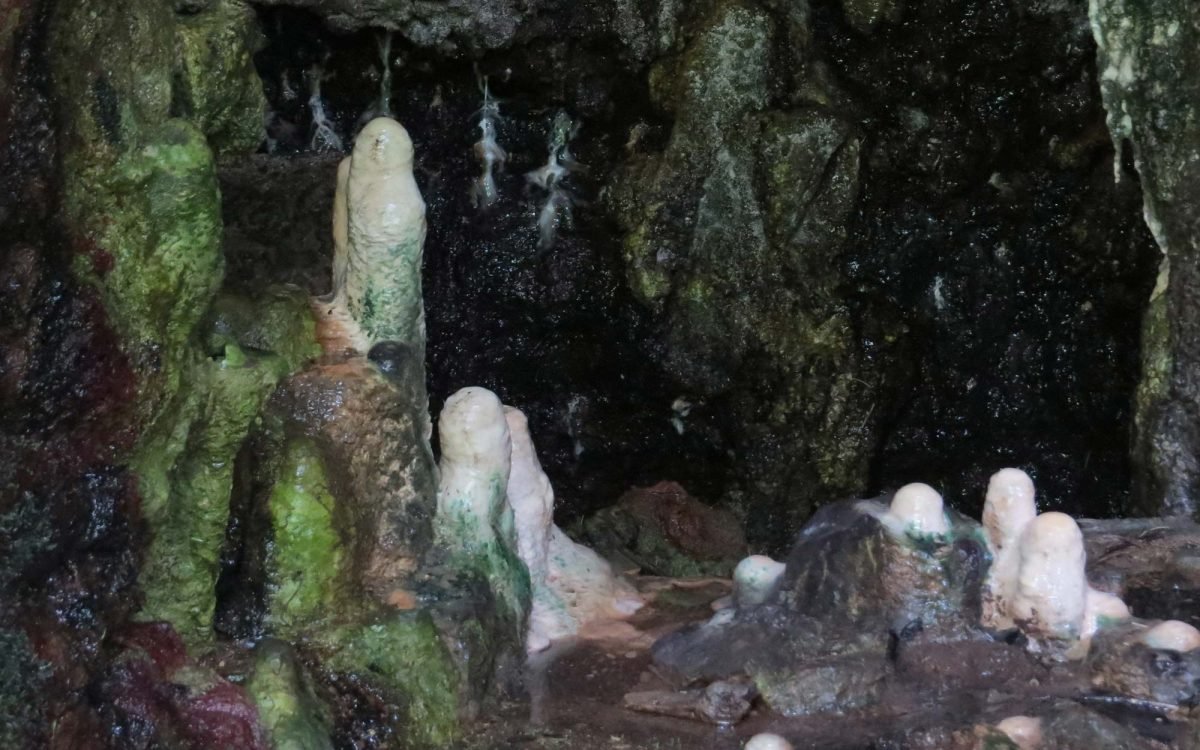
Situated about 32 kilometers from Kibale Forest National Park – Africa’s Primate Capital, west of Fort Portal. Amabere Ga Nyinamwiru Caves is a cultural site with a remarkable history among the Batooro and a natural wonder. The name is Amabere Ga Nyina Mwiru interpreted as “The Breasts of Nyinamwiru”. A legend has it that Nyinamwiru’s breasts were cut off by his further King Bukuku, and thrown in the caves due to her refusal to get married to a man her father had selected for her. The cave is full of breast–like features (stalagmites and stalagmites) that you can admire. Visiting the cave offers valuable insights into the cultural heritage of this region, visitors can enjoy a scenic hike to the top of Nyakasura Hill, which provides breathtaking views of the three beautiful crater lakes.
Ngamba Island Chimpanzee Sanctuary
Ngamba Island Chimpanzee Sanctuary is home to 52 orphaned chimpanzees and a primate paradise, here visitors can feed, watch, and play with the chimpanzees. A visit to Ngamba Island offers an educational and entertaining experience suitable for visitors of all ages. Ngamba Island Chimpanzee Sanctuary is a leading primate conservation initiative in Uganda, the sanctuary was opened as a non-profit in 1998 to cater to orphaned chimpanzees that had been recused from poachers, wildlife traffickers, zoos, and circuses from countries like Burundi, Congo, Russia, Tanzania, and Uganda. To access Ngamba Island Chimpanzee Sanctuary you take a boat from Entebbe. Visitors get an opportunity to spot the chimpanzees, feed them, and take part in several activities including boat cruises, fishing, swimming, and sunbathing.
Uganda Wildlife Education Centre
The Uganda Wildlife Education Centre is a wildlife sanctuary established in 1952, located 15 minutes from Entebbe International Airport in Entebbe City. The center started as a rehabilitation center for rescued animals before focusing on the conservation of wildlife, the center popularly known as Uganda Zoo is one of the most important tourist attractions in Entebbe and offers a perfect introduction to Uganda’s incredible biodiversity. Visiting The Uganda Wildlife Education Centre is an enriching and engaging experience suitable for visitors of all ages, there are educational insights into wildlife conservations, exciting and interactive activities such as animal feeding sessions, up-close encounters with chimpanzees, and learning about animal health monitoring. Uganda Wildlife Education Centre opens daily from 8:30 am to 6:30 pm.
Uganda Martyrs Shrine
The Basilica of the Uganda Martyrs, Namugongo is a Roman Catholic minor basilica dedicated to the Uganda Martyrs located in Wakiso District in Centre Uganda, approximately 11 miles from Kampala – the capital city of Uganda. Every year on 3rd June, approximately 1 million pilgrims from all over the world gather in Namugongo to honor the Uganda Martyrs who were executed between 31 January 1885 and 27 January 1887 by Kabaka Mwanga (King of Buganda) for disobeying his orders) were contradictory to their faith and accepted to die for their newfound belief following the King’s order for their killing. Embarking on a Martyrs Walk will give you a deeper understanding of their contribution to the religious history of Uganda. The story of St. Balikuddembe will forever stay in your mind.
Entanda Cultural Centre
Entanda Cultural Centre is an award-winning cultural enter offering community-based tourism experience like no other. The center is situated near Mityana Town, 60 km along Kampala – Fort Portal Road. On your visit to the center, you will be greeted by loud ululating, drumming, and singing. Guests can join traditional dances and enjoy the freshest fruits straight from the gardens. Male visitors can participate in traditional hunting activities, while females are taught how to prepare a luwombo lunch and are invited to the bush (where whatever happens there stays there). This authentic community tourism is one of the best experiences you shouldn’t miss on your Uganda Safari.
Mparo Tombs of Kabalega
Situated along Masindi Road, about four kilometers outside of Hoima, the Mpara Tombs of Kabalega is a resting place of the renowned Bunyoro King Omukama Kabalega. Kabalenga was celebrated as the last great ruler of one of the most significant kingdoms in the Great Lakes Region, with his Kingdom extending beyond modern-day Uganda’s borders. Throughout much of his region, he posed a significant challenge to British colonialists until his exile to the Seychelles in 1899. Inside this tomb, visitors can view his spears, bowls, throne, and other personal belongings displayed above his actual burial site.
Mount Bisoke is one of the fascinating hiking spots in Rwanda, the volcano also known as Mount Visoke forms part of the Virunga Mountains chain of 8 Volcanoes. With its largest part and summit in Rwanda, Mount Bisoke straddles the border of Rwanda and the Democratic Republic of Congo. Mount Bisoke stands at an altitude of 3,711m ASL and its summit has a tranquil crater lake which is a prize for hikers. In addition to the crater lakes, the sweeping views over other Volcanoes in a range, Volcanoes National Park, Rwenzori Mountains, and the Congo Forests are to die for. Mount Bisoke Hike is offered in Volcanoes National Park in Rwanda, on this Rwanda adventure all hikers are required to be at least 15 years and above.
The excursion starts as early as 7:00 am with a briefing at the park headquarters in Kinigi, then head to the Bisoke Trail with a ranger guide and porters. The Bisoke Trail is situated a distance away from the headquarters in Kinigi which requires you to have your transportation to avoid a scenario of having no tourist vehicle available for you to join. Hiking Mount Bisoke takes you through different vegetation zones covering the slope of the volcanoes with chances of stumbling upon the rare and endangered mountain gorillas and golden monkeys plus several other animals most especially during the initial ascent of the trek. At the summit of Mount Bisoke, there is a crater lake which is considered to be the biggest in the Virunga ranges. The whole Mount Bisoke takes 6 hours and expect to encounter some challenges. Here is how to prepare for your Mount Bisoke Hike
Check Your Physical Fitness
Though Mount Bisoke Hike is considered less demanding, it still requires the hiker some level of physical fitness to be able to deal with a high-altitude trail taking through rough terrain. Therefore, you are advised not to dare the Bisoke hike without prior workouts such as jogging and any other physical exercises that are good at preparing your body and mind for the trek. Also, visit your doctor to check for HBP and some other medical conditions that can be triggered by elevation again.
Packing List for Bisoke Hike
For a wonder Mount Bisoke Hike Adventure, your packing list should have the following essential items
Comfortable Hiking Shoes – they should have a firm grip to walk through the muddy and slippery trails
Long hiking pants and shirts/tops – to protect your body from the stinging beetles, these can itch at even the slightest contact with your skin, and their effects can be beyond the swelling
A raincoat – to be prepared in times of rain
Garden gloves and headgear – the gloves will protect your hands from mad and have a grip on thorn branches when hiking, and the headgear will protect you from insects and sticky plants
A small pack – to carry your packed lunch and water
A Camera – to capture magical moments when hiking
Bottled water and snacks – to keep you energized and hydrated throughout the hike
Securing A Permit For Bisoke Hike
Securing a permit for Bisoke is easy and you can secure it a day or in advance. Bisoke hiking permits can be obtained by the visitor or can be conveniently obtained through a tour operator. Bisoke Hiking Permit costs $75 for international tourists, $ 65 for a foreign resident in Rwanda, and RWF 4,000 for a Rwandan Citizen. Payments in cash are not accepted at the park so be prepared to pay by Visa or Mobile Money.
Note: Bisoke Hike permits are limited to a specific number of visitors per day so it is always advisable to plan in advance to avoid any disappointments.
Hire a Porter And Get A Walking Stick
Hiring a porter on a Mount Bisoke Hike is very essential as he will lead you a hand during the hike, the porters are local people from the neighboring communities, and hiring them is the same as supporting the locals. Hiring a porter costs $ 10 per day. Please Note that these porters are taken through some essential training before being offered the porterage jobs at the park.
The Best Time To Visit Bisoke Hike
Mount Bisoke Hike can be done throughout the year, however, the best time to get the most out of the adventure is during the dry season. In the wet months with heavy rains, the trail is difficult to navigate due to a lot of mud and vegetation overgrowth. During the dry season which is June to September and December to February, the weather is favorable with clear skies, the trails are navigable and offer great photo opportunities. However, note that there is still no guarantee that the dry season months to be dry during your hike because of the nature of the terrain being hilly. Rains always come unexpectedly.
Accessing gorilla trekking in Uganda from Kigali International Airport Rwanda is the most convenient and more affordable than gorilla trekking from Entebbe. Gorilla trekking in Uganda from Kigali, Rwanda involves a scenic drive of about 5 hours from Kigali including a border crossing that takes you directly to gorilla sanctuaries in Uganda that as Mgahinga Gorilla National Park and Bwindi Impenetrable National Park. This is much quicker than a 10-11 drive from Entebbe International Airport to Bwindi Impenetrable National Park or Mgahinga Gorilla National Park.
Gorilla trekking is a once – in – a lifetime experience and a dream wildlife experience for nature enthusiasts and adventure seekers, Uganda is the best destination in the world for gorilla trekking as it is home to half of the remaining population of endangered mountain gorillas. Mountain gorillas are found only in two places in the world that is the Virunga Mountains spanning three countries that is Rwanda, Uganda, and the Democratic Republic of Congo, and Bwindi Impenetrable National Park in Uganda. This exciting activity doesn’t only provide unforgettable memories, it also contributes to the conservation of these incredible primates. This article explores the details, logistics, and sheer inspiration behind accessing gorilla trekking in Uganda from Kigali International Airport in the heart of Rwanda’s capital – Kigali City.
Why choose Kigali International Airport
There are various airports and border crossings you can use to access gorilla trekking destinations in Uganda, but Kigali International Airport in Rwanda has become the popular choice for several reasons. Proximity – Kigali International Airport is the closest major international airport to Bwindi Impenetrable National Park as well as Mgahinga Gorilla National Park where some of the best gorilla trekking experiences in Uganda take place. The airport’s proximity to gorilla destinations significantly reduces travel time and allows you to immerse yourself in the adventure more quickly.
Ease of Travel – Rwanda has tremendously invested in its infrastructures most especially roads making it easier for travelers to access the airport and cross into Uganda, the roads are well maintained and the border crossing process is relatively straightforward.
Safety and Stability – Rwanda is known for its political stability and safety which provides peace of mind for road trip adventurers across its scenic landscape.
Gorilla Permit Availability – Uganda’s gorilla permits are relatively cheaper and more readily available than Rwanda’s permits. Uganda’s gorilla permits cost $ 700 compared to Rwanda’s $ 1500 per person. Also, more habituated gorillas are available for tracking in Uganda than in Rwanda.
Getting to Kigali International Airport
Before you can start your gorilla trekking adventure, you will need to get to Kigali International Airport (also known as Kanombe Airport). This is the largest airport in Rwanda with 29 airports worldwide with direct flights to Kigali, spread around 29 cities in 21 countries including London Heathrow, Amsterdam, Brussels, Paris, Istanbul, Dubai, Doha, Entebbe, Nairobi, and Johannesburg. Airlines operating flights to Kigali International Airport include Kenya Airways, Rwandair, KLM, Virgin, Egyptair, Ethiopian Airlines, Qatar Airways, Delta, JetBlue Airways, Air Canada, United, Brussels Airlines, and Lufthansa. The Airport is well-equipped with modern facilities making your arrival smooth and hassle-free. The journey from Kigali International Airport to Bwindi Impenetrable National Park takes approximately 4 to 6 hours by road, depending on the specific location you plan to visit in Bwindi. Nkuringo and Rushaga Sectors are located in the South of the park, the Ruhija Sector in the Northwest, and the Mgahinga Gorilla Trekking Sector is easier to access. The Buhoma Sector in the north of the park takes more hours to reach.
Private Transfers: booking a private transfer with a reliable tour operator is the most convenient way to reach Bwindi, your guide – a representative from the tour operator will pick you up at the airport and provide a safe and hassle-free journey to your gorilla trekking destination of your choice.
Public Bus – for visitors looking to save on transportation costs, some public bus service operates between Kigali City and Kisoro or Kabale cities in Uganda. Though this option is more budget-friendly, it involves multiple stops and a longer travel time.
Self Drive – if you prefer the flexibility of driving yourself, you can rent a car in Kigali and embark on a road trip to Bwindi. However, it is essential to be aware of the road conditions, border crossing requirements, and potential challenges of driving in East Africa.
Visa and Border Crossing
When traveling from Kigali International Airport to Bwindi Impenetrable National Park in Uganda, you have to finish some formalities included in the border crossing process. Here are some of the essential steps to ensure a smooth transition.
Visa Requirements – Most travelers to Rwanda and Uganda will require a visa which must be obtained in advance through respective embassies or online portals which is advisable to avoid any delays. To avoid applying for visas for both countries, apply for an East Africa Visa that can let you access Rwanda, Uganda, and Kenya on the same trip. You can secure the East African Visa from either Uganda or Rwanda’s online visa portals(visas.immigration.go.ug and migration.gov.rw/visa).
Yellow Fever Vaccination – before embarking on your journey to Uganda and Rwanda, it is important that you have a valid yellow fever vaccination certificate is compulsory for all travelers. Obtain the certificate before you travel.
Currency Exchange – at the border or in nearby towns, you can exchange your currency for Uganda Shillings which will be widely accepted in Bwindi and other parts of Uganda.
Gorilla Trekking Permits
To take part in gorilla trekking, you need to have a gorilla trekking permit which allows you to enter the gorilla habitant in Bwindi Impenetrable National Park and Mgahinga Gorilla National Park and spend one hour observing these gentle giants. Here are some important details about gorilla trekking permits
Booking in Advance – You must book gorilla trekking permits in advance through your tour operator, gorilla permits in Uganda are issued by the Uganda Wildlife Authority (UWA). It is advisable to secure your permit ahead of your travel dates as they are few and in high demand.
Permit Cost – In Uganda, a gorilla trekking permit costs $ 700 for foreign non-residents, 4 600 for foreign residents, and UGX 250,000 for East African residents. Travel Tip – it is essential to check the latest rates.
Permit Inclusions – a gorilla permit cost includes the services of a professional forest guide and a memorable hour with these magnificent creatures, it also contributes to the conservation efforts aimed at protecting these endangered creatures.
Passport Requirement – you must present your passport on the day of the trek to verify that indeed, the permit belongs to the holder.
Gorilla Trekking Experience
After successfully making your way to Bwindi Impenetrable National Park and Mgahinga Gorilla National Park from Kigali and ensuring your gorilla trekking permit. It is time for the gorilla trekking adventure to begin.
Briefing – on the morning of your gorilla trek, you will attend a pre-trek briefing led by the park rangers which happens precisely at 7:30 am at the park’s headquarters in the sector you choose. Rangers will provide essential information about the gorillas, the trekking rules, and safety precautions.
Group Assignment – you will be assigned to a specific gorilla group, each group is habituated to human presence as a way of ensuring a safe and non-disruptive experience.
Trekking – Depending on the gorilla group you are assigned to, the duration and difficulty of the trek through Bwindi Impenetrable National Park can differ. Some gorilla treks may be as short as 30 minutes while others can take several hours or the entire day. The terrain is rugged and you should be prepared for high altitudes, steep inclines, dense vegetation, and muddy trails.
The Encounter – When you reach the gorilla family, you will have a memorable hour to observe and photograph these incredible creatures in their natural habitat. Always remember to maintain a respectful distance and follow the instructions of your guide to ensure the safety and well-being of both you and the gorillas.
Conclusion
Gorilla trekking in Uganda is a life-changing adventure providing you with a unique opportunity to connect with one of the world’s most endangered and magnificent species. Starting your gorilla trekking journey from Kigali International Airport in Rwanda doesn’t only make logistical sense but also adds an element of excitement and ease to your gorilla trekking experience. With careful planning, acquiring your gorilla permits, and embracing the awe-inspiring adventure that awaits you, gorilla trekking from Kigali International Airport is a journey you will cherish and hold dear forever. Pack your bags embark on this life-changing expedition and immerse yourself in the wonder of the wild.
Golden monkey trekking is a fascinating wildlife experience and has become increasingly popular among tourists on a Uganda safari as well as Rwanda Safari. Golden monkeys are endangered primate species found in the Virunga Mountains in the bamboo forests in Volcanoes National Park in Rwanda, Mgahinga Gorilla National Park in Uganda, and Virunga and Kahuzi-Biega National Parks in DR. Congo. Golden Monkeys scientifically known as (Cercopithecus kandti) are rare species of Old-World Monkey (Cercopithecidae) that are mainly found in the highland bamboo forested regions of Central Africa. According to the International Union for Conservation of Nature (IUCN), golden monkeys are endangered due to harvesting trees and bamboo, clearance for agriculture, charcoal production, and livestock grazing. Golden monkeys have a distinctive appearance with reddish-gold fur on their backs in striking contrast to the black coloration of their feet, legs, and tails. Male golden monkeys are larger weighing between 4.5 and 12 kg (10-26lb) and tall at 58-67 cm (19-26 in). Females are much smaller weighing between 3.5 and 4.5 kg (8-10 lb). Golden monkeys have a life expectancy of 19 years. Are you planning and interested in seeing golden monkeys in the wild, you can easily add the golden monkey trekking experience to your Uganda or Rwanda safari.
Trekking Golden Monkeys in Uganda – Mgahinga Gorilla National Park
The endangered golden monkeys in Uganda are found in Mgahinga Gorilla National Park which is part of the Virunga Mountains and is only one of the four destinations in the world where you can see the golden monkeys. In Uganda, golden monkeys can only be seen in Mgahinga Gorillas National Park. The park is home to an estimated between 3,164 and 5,059 individuals. One group is fully habituated to human interaction with about 30 individuals and it is available for daily golden monkey trekking excursions. The other golden monkey family is reserved for research and the daily golden monkey habituation experience allows visitors to spend 4 hours with the golden monkeys. Normally, visitors combine golden monkey trekking with a gorilla trekking experience on your Uganda gorilla safari. Golden monkey trekking in Mgahinga Gorilla National Park starts at Ntebeko Visitor’s Center at 08:00 Am with a briefing, there are two daily adventures to see golden monkeys in Mgahinga – Uganda. Golden monkey trekking adventure offers visitors only one hour with the golden monkeys observing them go on with their life in the bamboo forests providing you with a more captivating and unique golden monkey experience. For visitors who wish to spend more time with the golden monkeys, they can participate in the golden monkey trekking experience. On the 4 – Golden Monkey habituation experience, visitors have a chance to spend four hours with the golden monkeys and follow scientists around as they study them. Visitors get an in-depth chance to learn so much about golden monkeys, their habitat, and the behind-the-scenes primate science.
Golden Monkey Permit and Price
To participate in golden monkey trekking to see golden monkeys in Mgahinga Gorilla National Park, you need to book a golden monkey trekking permit which costs
$ 60 per person for foreign non-residents and residents
UGX 40,000 for East Africa Residences
Cost for golden monkey Habituation permit costs $ 100 per person
The cost of the permit includes the armed rangers for protection against any threats in the jungle a local tracker guide and time with the golden monkeys. The price of the permit does not include the park entrance
$ 40 per person for foreign – non – residents $
30 per person for residents
UGX 20,000 per person for East African Citizens
Tracking golden monkeys in Mgahinga Gorilla National Park is similar to gorilla trekking though, it is not as strenuous. You will spend about 30 minutes to 2 hours trying to find their location, golden monkeys are more active and exciting to watch than gorillas and will keep you on your toes trying to keep up with their antics.
Where to stay in Mgahinga Gorilla National Park for golden monkey trekking
Our best pick for where to stay during golden monkey trekking in Mgahinga Gorilla National Park include
Gahinga Lodge
Birdnest Bunyonyi
Lake Mutanda Resort
Chameleon Hill Lodge
Golden Monkey Trekking in Volcanoes National Park, Rwanda
Volcanoes National Park is well-known for mountain gorilla trekking adventures in Rwanda, however, it is also a great destination for golden monkey trekking. The forests of Volcanoes National Park have two-habituated golden monkey groups with the largest consisting of about 80 to 100 individuals. Daily trekking excursions start at 08:00 am from the park’s headquarters at Kiningi, visitors should be at the headquarters by 7:00 am for the briefing before the trek.
Cost of a golden monkey permit in Volcanoes National Park, Rwanda
A gorilla permit in Volcanoes National Park costs $ 100 per person, booking your gorilla permit in advance is recommended.
Where to stay in Volcanoes National Park for golden monkey trekking in Rwanda
Bisate Lodge
Virunga Lodge
Singita Kwitonda Lodge
Gorilla’s Nest
Sabyinyo Silverback Lodge
Mountain Gorilla View Lodge
Golden Monkey Trekking Vs Gorilla Trekking
The lush forests of Africa offer two unique primate encounters that are gorilla trekking for an encounter with the iconic mountain gorillas and golden monkey trekking for an encounter with golden monkeys. These experiences offer a glimpse into the captivating world of primates, these experiences differ in their challenges, behaviors, and photogenic opportunities. Golden monkey trekking presents an exciting encounter to see the endangered mountain gorillas in their natural habitat, this experience is strenuous as you will have to hike through valleys and steep landscapes. To find mountain gorillas, it takes approximately 30 minutes to 6 hours.
Unlike mountain gorillas who construct new nests daily and forage further afield, golden monkeys maintain a stable routine. Due to the predictable foraging patterns of the monkeys, golden monkey trekking is less strenuous.
Who can trek
The number of visitors allowed for golden monkey viewing is not limited making it a more intimate and personal experience compared to gorilla trekking which restricts group sizes to eight people. Consequently, golden monkey excursions rarely have more than a handful of participants ensuring an immersive and intimate encounter. Unlike gorilla trekking, there is no minimum age requirement for golden monkey trekking making it accessible to all, while young children may find the trek challenging, teenagers can enjoy this amazing experience without difficulty.
Trekking Permits
Golden monkey permits are more budget-friendly costing $ 50 in Uganda and $ 100 in Rwanda, in contrast to gorilla trekking which costs $ 700 in Uganda and $ 1500 in Rwanda. The allure of golden monkey trekking lies not only in its affordability but also in the captivating interactions with these lively primates.
Best Time to See Golden Monkeys
It is possible to see golden monkeys throughout the year, but the best time to go is during the drier seasons from June to August and December to January. In this season, the trails are easier to navigate during these months, and spending time with the golden monkeys is more enjoyable when it is not raining. However, it is important to note that day seasons in Uganda and Rwanda are also peak season for tourism which means that most desirable lodges are fully booked. However, obtaining a Golden Monkey permit is relatively easy. We highly recommend booking your accommodation in advance, particularly between June and September. The low seasons from March to May and from October to November are characterized by high rainfall, misty forests, and challenging trails. However, for trackers who are okay with the weather, this season offers the opportunity to enjoy the trails without the crowds and at discounted rates at lodges that are often empty.
Crowned “Africa’s Primate Capital”, Uganda’s Kibale Forest National Park is the best place to see chimpanzees in the wild. This tropical rainforest-dominated park offers visitors an exhilarating chimpanzee experience uniquely balanced by intimate and immersive moments, allowing you to appreciate and reflect on our closest living relatives, the chimpanzees. Kibale Forest National Park is home to 13 different primate species thriving in 191,700 acres of protected tropical rainforest, these primates include a huge population of chimpanzees, red and white colobus monkeys, blue monkeys, the red-tailed monkey, L’Hiest’s monkey, Olive baboon and galago species (bush babies). Kibale is a premier chimpanzee trekking destination in Uganda as well as Africa with over 30 years of trekking history, over 1,500 chimpanzees are estimated to live in this area. In addition to the fascinating primates, this tropical rainforest is home to 375 bird species and 250 incredible butterfly species. Also, expect to see forest elephants and buffaloes, these normally wander the forest floor, crossing over from Queen Elizabeth National Park. Kibale Forest is a dense forest with over 300 species of trees including mahoganies, rare hardwoods, and fig trees.
Basics of Chimpanzee Trekking in Kibale: What to Expect
Over 1,500 chimpanzees are estimated to be living in community groups within the tropical rainforest of Kibale Forest National Park. Out of these chimpanzees, about four communities are habituated. This means that these chimpanzees’ communities are accustomed to humans visiting and behaving predictably though still wild. The number of people trekking for each chimpanzee community is limited to 8 people. Due to the demand for chimpanzee permits, it is important to book your permit in advance. As a licensed and reputable Tour Operator, our team will take care of this for you.
The Structure of the Chimpanzee Trekking Experience
Depending on the number of days you decide to stay in Kibale Forest, you can choose between a morning or afternoon chimpanzee trekking experience. The experience of these two sessions simply depends on the many environmental, social, and even political factors. It is not easy to predict the experience as some guides might suggest. However, both treks will follow a similar structure or timeline. First, you will meet at the briefing area approximately an hour before your trek is due to start. Here you will be briefed by one of the Uganda Wildlife Authority Park Rangers, who will provide a little more information on Kibale and guide you through the rules and regulations of the trek. After the briefing by the park UWA Ranger, you will be divided into small groups and introduced to your assigned official park ranger from the duration of your chimpanzee trek in the Kibale Forest National Park. At the start of your trek, your ranger will brief you on what to expect during the entire experience. It is here that you get to learn an essential difference between gorilla and chimpanzee trekking.
Tracking team out in front
While you are being briefed at the Briefing Center, there is a UWA tracking team out in front trying to relocate the chimpanzee community from their last known position. Your dedicated ranger is also in constant communication with the teams throughout the trekking experience, so they have a good idea of what is happening.
How long does the trek take?
A chimpanzee trek is estimated to take between three to four hours depending on the movements of the chimpanzees. You then have an hour to move with the community and observe their human-like behavior and interactions. Like all wild encounters, it is fairly difficult to predict the kind of sighting you will have. However, it will be uniquely special for sure. You will have 1 hour with the chimpanzee Community.
How fit do I need to be?
The trek is not a walk in the park by any stretch, but you do need to be a trail runner or advanced hiker to enjoy the chimpanzee trekking experience. The descriptions of slippery and muddy terrain are just that and with the correct shoes, you will be fine. Medium to moderate fitness is recommended, as you do have to move quickly enough to follow the chimpanzees if they are on the move. Expect the terrain to get thick while moving with the chimpanzee community, so be prepared to push through a few areas.
Will I be safe during the trek?
Yes, however, it is important to remember that you are visiting wild primates, but they have been habituated for many years to human presence. Therefore, they are comfortable with you and predictable behavior. Unhabituated chimpanzees would rather avoid confrontations, therefore they tend to move away from you. This all being said, like all safaris, it is important to listen to your guide and keep to the etiquette described to you during the briefing, as these are wild animals. Keep a respectful distance where possible and don’t eat, smoke, mock, or mimic their behavior. You don’t know what they are saying, so don’t repeat them by imitating their behavior or vocalizations. Also, it is more important to have correct footwear and clothes to prevent slipping on the muddy trails or stinging nettles.
What to wear on your trek
The following should be missed on your packing list for the chimpanzee trekking experience in Kibale Forest National Park.
A small backpack (rucksack)
Water-resistant rain jacket
Water bottle and snacks (supplied by the lodge)
Camera (no flash)
Insect repellent Gratuities (Tips) for UWA Ranger (speak to us for guidance)
For the birders – Swarovski binoculars
What to wear on your trek
Water-resistant hiking boots with grip (not trail running shoes)
Thick cotton socks
Long sleeve shirt to save you from prickly foliage
Thin quick drying long pants to protect you from insect bites
Gaiters (don’t be a hero, you need them)
Chimpanzee Trekking Etiquette: The Dos and Don’ts
Protecting the fragile wilderness is paramount, so show respect to where you are and what you are doing. Below are some of the official regulations to help make your experience as safe and authentic as possible.
Religiously listen to your guide (It’s not a debate) Chimpanzees can contract our diseases, please do not take part in the trek if you are sick
Wear a mask while viewing the chimpanzees
Maintain your distance where possible. If they approach you, listen to the instructions of your guide. Sometimes it is best to stay still and let them pass
Keep quiet and speak with a lowered voice
Do not mimic the chimpanzees in any way, both vocalizations and physical movements. You do not know what you might be saying.
Do not chase the chimpanzees
Do not eat or smoke near the chimpanzees
No flash photography
Best time to Do Chimpanzee Trekking in Kibale Forest National Park Kibale Forest National Park is a tropical rainforest situated just north of the equator, so you can expect rain pretty much anytime of the year. Therefore, the best time to visit for chimpanzee trekking is more about the temperature and the crowds. The best time is during June and August which is High Season in Uganda, expect crowds in the park and high competition for chimpanzee permits. Because it is dry season, it can be hot.
In April and May, expect more rain which makes the trails muddy and slippery but it is less busy. September through to November is a more recommended time of the year as it is not as hot (humid) and it is less busy too.