Top National Parks and Reserves to Visit in Uganda

Top National Parks and Reserves to Visit in Uganda

Uganda was dubbed as the “Pearl of Africa” by Winston Church Hill because of its incredible diversity and staggering beauty and all can be explored on a Uganda Safari Trip. Uganda is home to an array of national parks and reserves that offer wildlife experience unlike any other in the world, and a range of breathtaking varying landscapes. From dense tropical rainforests teeming with endangered species such as mountain gorillas to expansive savannahs rich in biodiversity, there is so much to be explored.
 Top National Parks and Reserves to Visit in Uganda
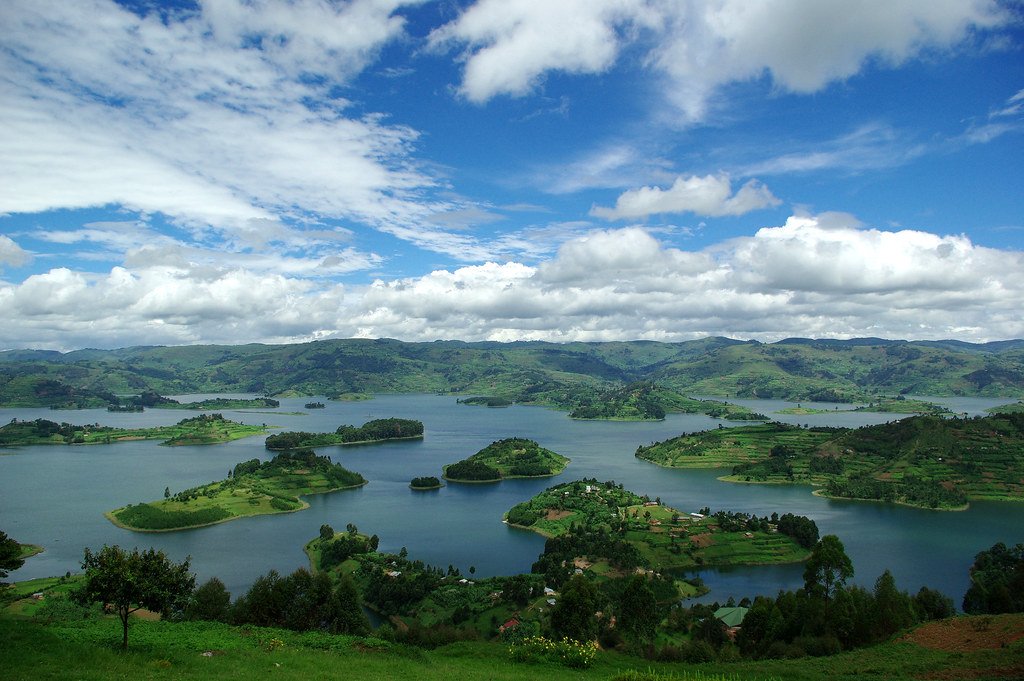
Lake Bunyonyi and its beautiful islands

In this blog we list and detail the top national parks and reserves to visit in Uganda.

  1. Bwindi Impenetrable National Park

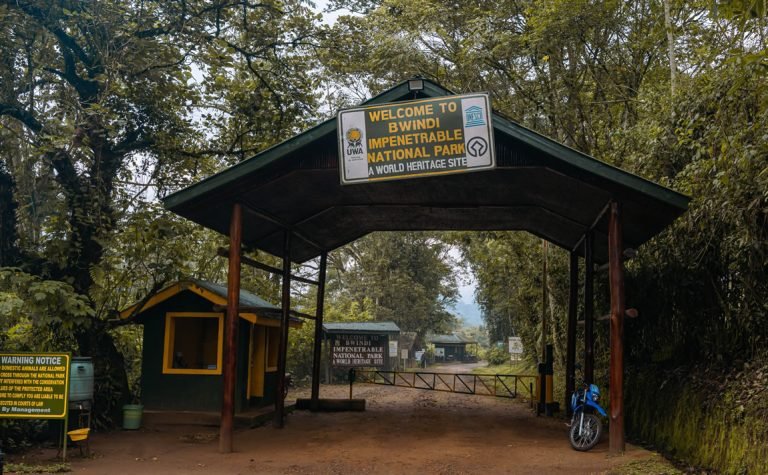
Tucked away in the southwestern Uganda, Bwindi Impenetrable National Park is the most popular and most visited national park in Uganda spanning approximately 321 square kilometers (199 square miles) of lush, mountainous terrain. The park is recognized as a UNESCO World Heritage Site renowned for its dense tropical rainforest, which provides sanctuary to nearly half of the world’s remaining mountain gorillas, making it the top destination for gorilla trekking in Uganda.

Top National Parks and Reserves to Visit in Uganda
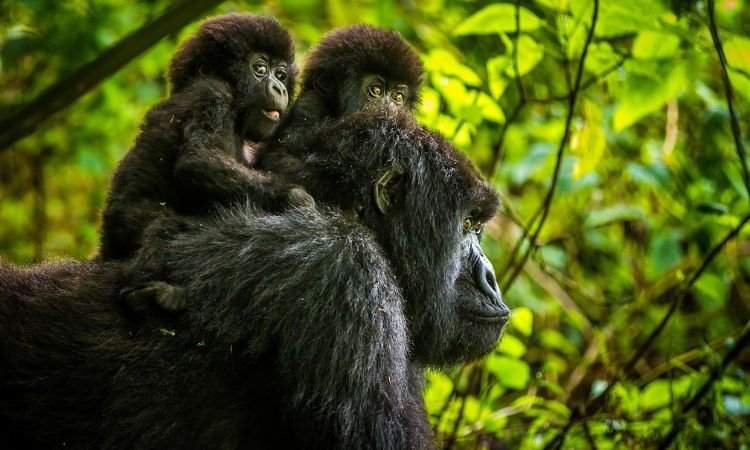
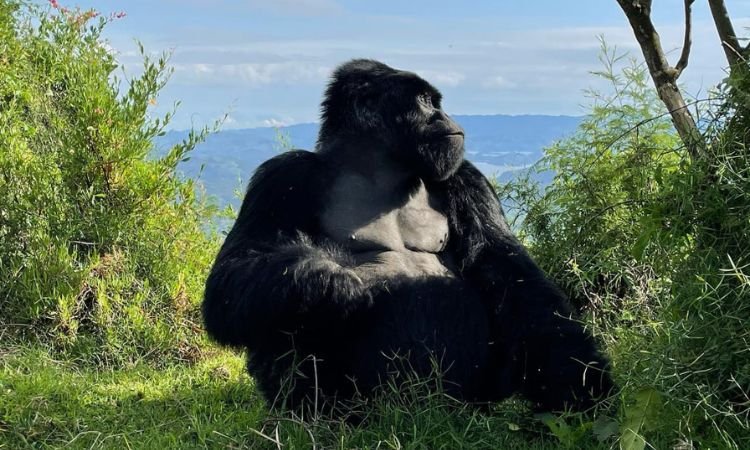
Gorillas in Uganda’s Bwindi

Beyond to incredible gorilla encounters, visitors can explore the park’s rich biodiversity including over 350 bird species and over 100 mammals, making it second only to Queen Elizabeth National Park in mammal numbers.

The best time for gorilla trekking in Uganda is during the dry seasons, from June to August and December to February, when the trails are more navigable.

  1. Mgahinga Gorilla National Park

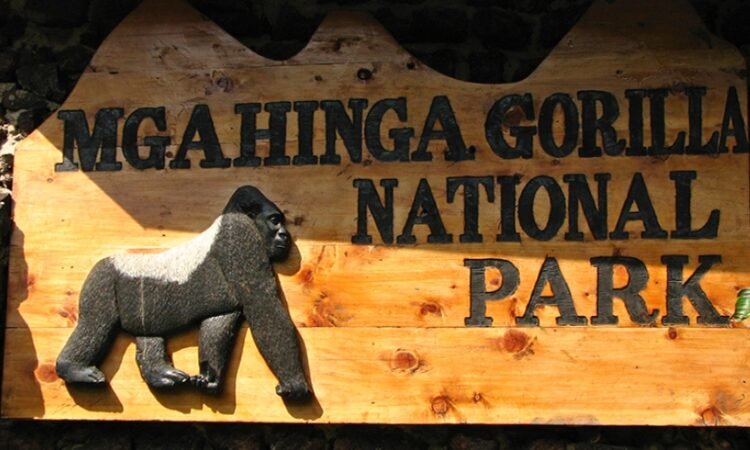
Nestled in the Virunga Mountains in Southwestern Uganda, Mgahinga Gorilla National Park is the smallest national park in Uganda spanning approximately 33.7 square kilometers. However, its small size has nothing to do with remarkable biodiversity and breathtaking landscapes it shelters. The park is home to the endangered mountain gorillas and golden monkeys thus the nickname “a place where Silver Meets Gold”.
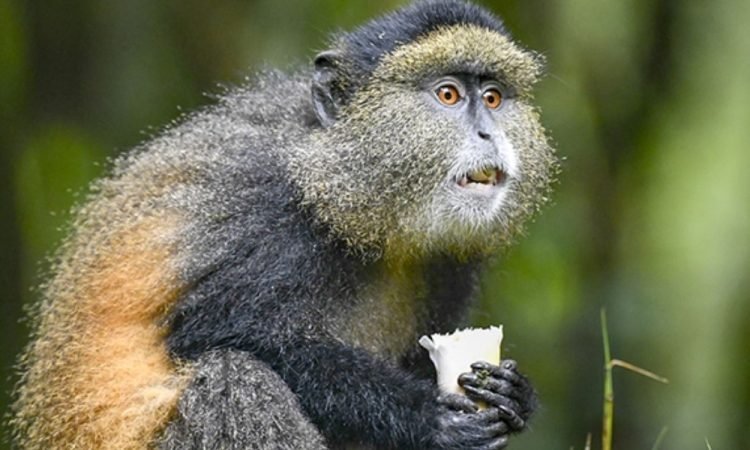
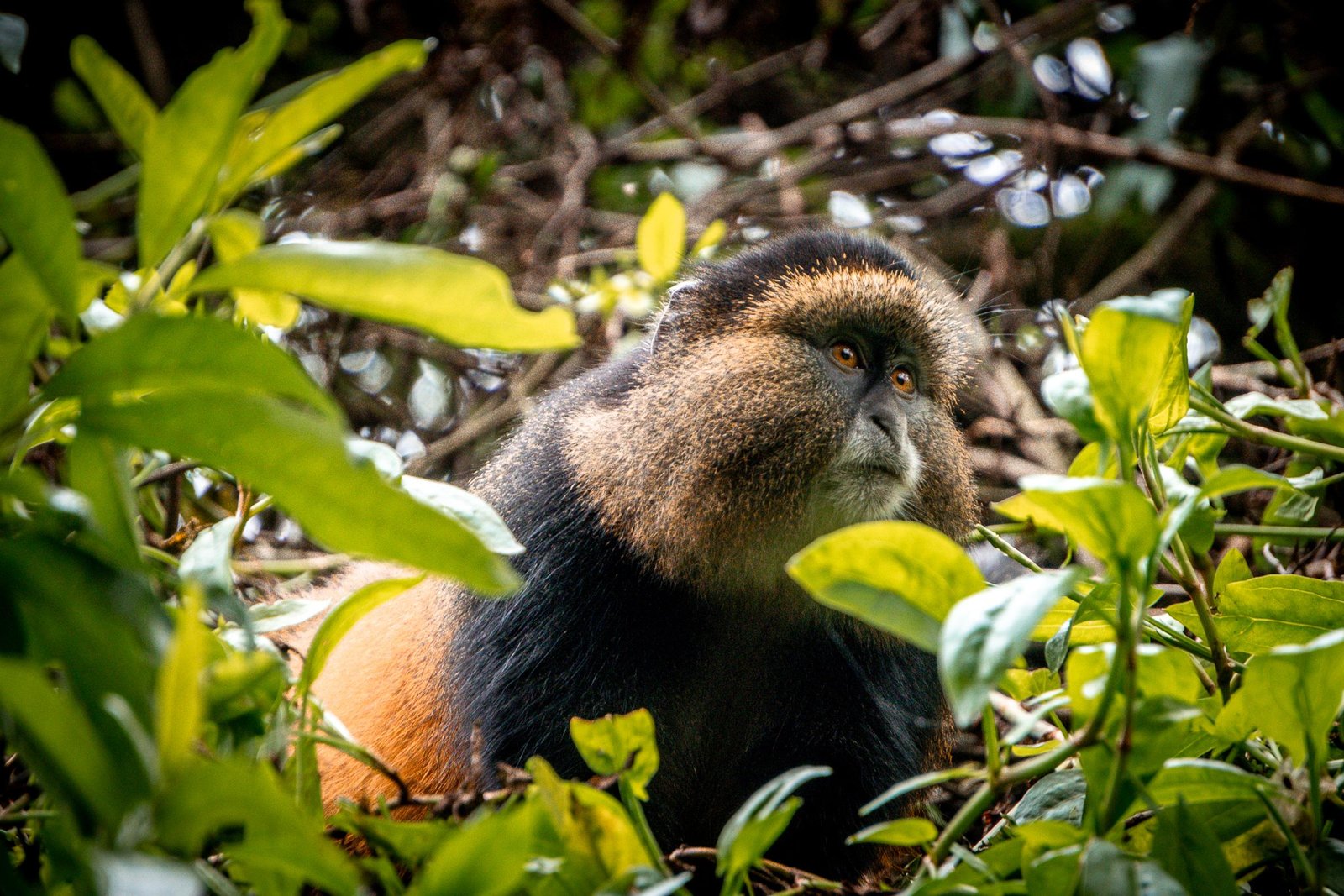
Golden Monkey
Golden Monkeys

In addition to the incredible gorilla encounters, visitors can track the rare golden monkeys, hike the scenic Virunga Volcanoes Peaks, and immerse themselves in the culture of the Batwa people.

The best time to visit Mgahinga Gorilla National Park on a Uganda Safari is during the dry season, from June to August and December to February, when trails are more accessible.

  1. Murchison Falls National Park

At a size of 3,840 square kilometers, Murchison Falls National Park is the largest national park in Uganda situated in the northwestern part of the country. The mighty Nile River bisects the park, dramatically plunging 45 meters over the Murchison Falls, creating a spectacular centerpiece.

Murchison Falls National Park habitats, range from woodland savannahs to riverine forests, supporting a wide array of wildlife, including four of the African Big 5, rhinos can be found and trekked at the nearby Ziwa Rhino Sanctuary.
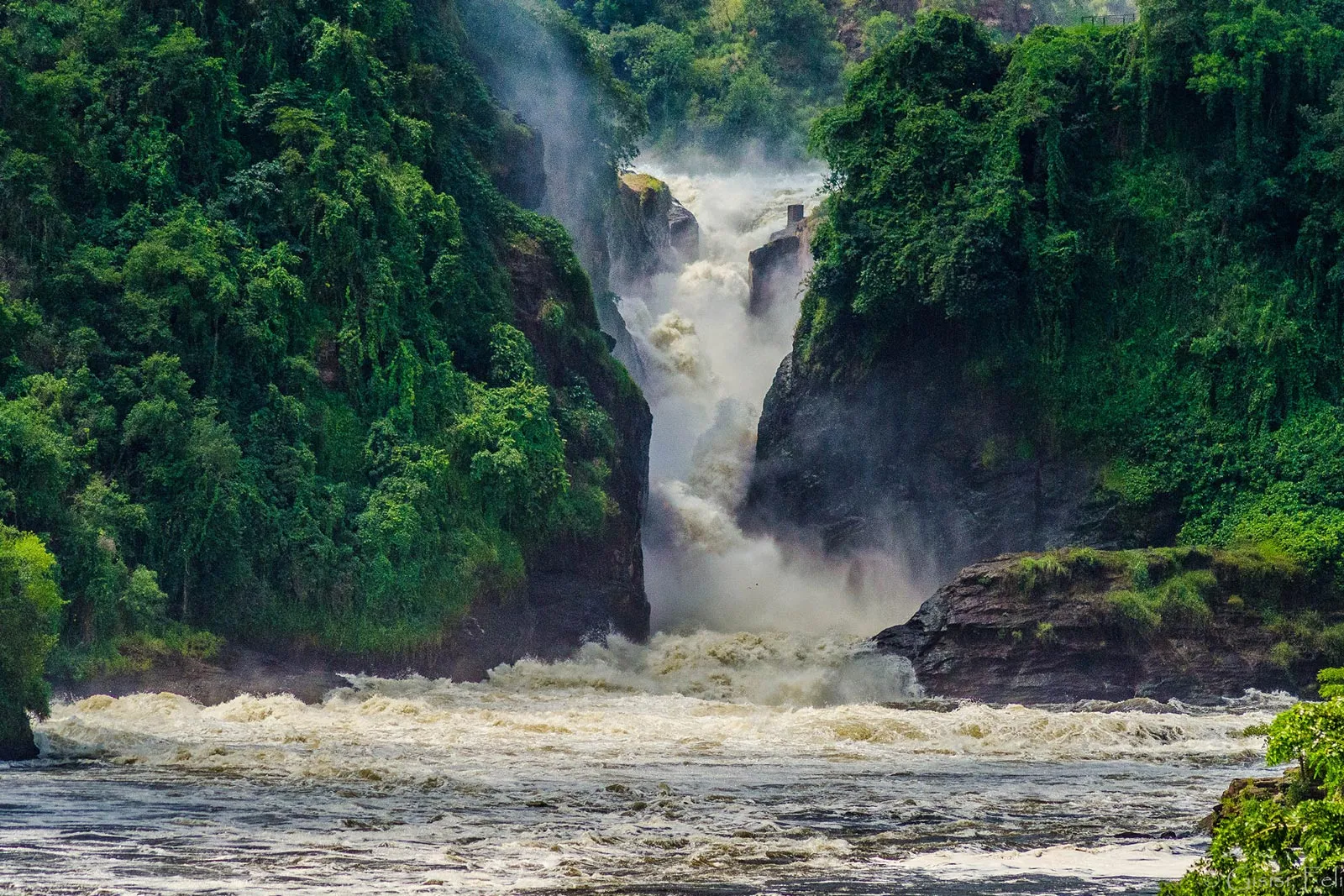
The Mighty Murchison Falls

Game drives in the savannah plains gives you opportunities to observe several wildlife species including elephants, buffaloes, elands, Uganda kobs, lions, leopards and several bird species. Boat cruses along the Nile offer astounding views of the falls and opportunities to observe hippos, crocodiles and numerous bird species on the water surface. The period from December to February is considered the best time to visit, offering excellent wildlife viewing and more favorable weather conditions for water activities.

  1. Queen Elizabeth National Park

Spanning approximately 1,978 square kilometers, Queen Elizabeth National Park is the second largest protected area in the country. The park is home to savannahs, wetlands, and lakes which all contribute to its astounding beauty and support a rich variety of wildlife, including the country’s largest lion, elephant, buffalo and hippo populations.

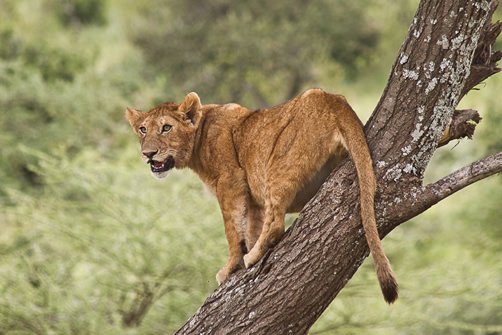
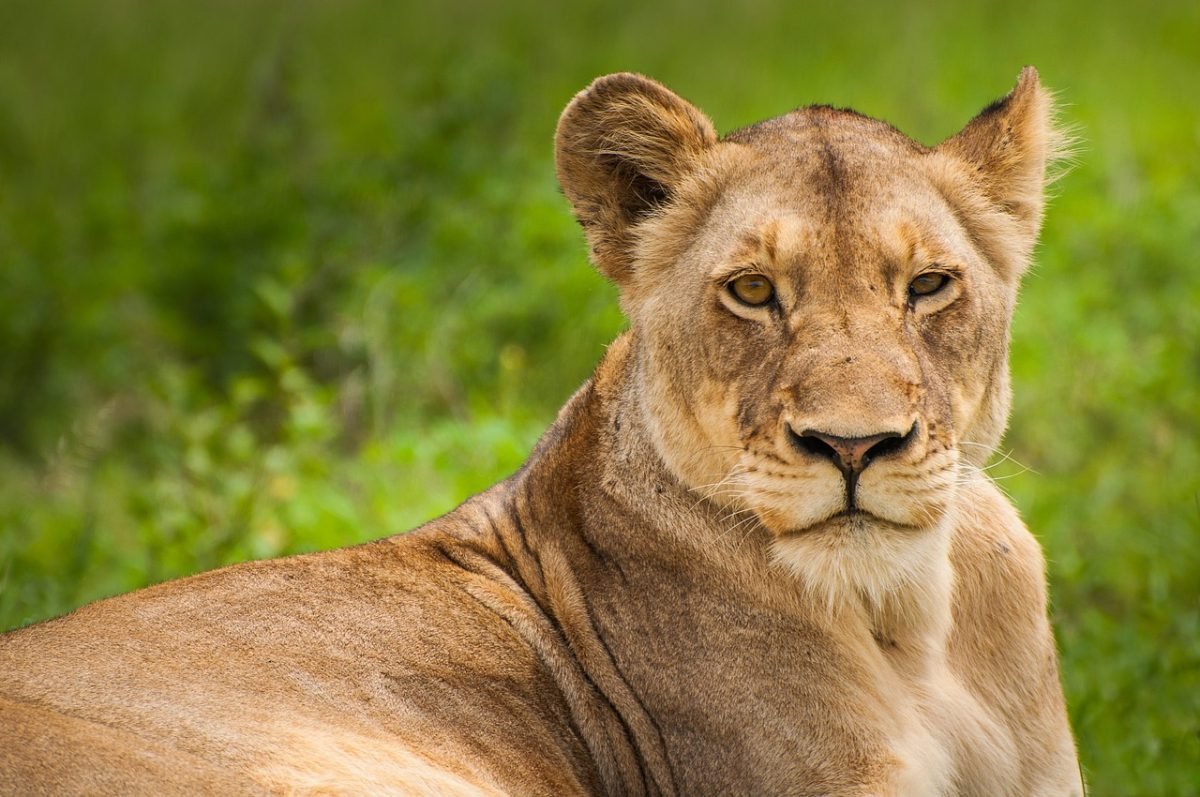
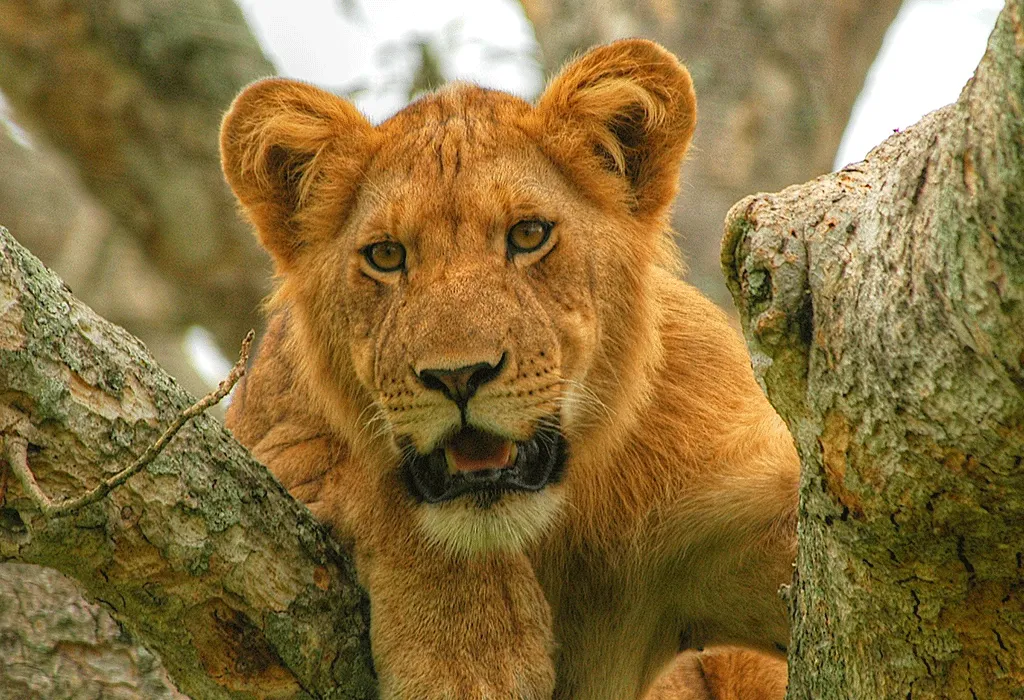
Queen Elizabeth National Park is notably famous for its tree-climbing lions in the Ishasha Sector, whose rare ability to scale the trees offers a truly unique and unforgettable wildlife encounter. The park also boasts exceptional bird watching, with over 600 species recorded.

Uganda safari activities to do in Queen Elizabeth National Park include game drives, boat cruises on the Kazinga Channel, and guided nature walks. Th e ideal time for wildlife viewing is during the dry season from January to February and June to July, as animals are more concentrated around water sources.

  1. Kibale National Park

Africa’s primate capital, Kibale National Park also known as Kibale National Park is renowned for its high primate density, boasting 13 species, including the largest population of chimpanzees in Uganda and Africa – over 1,500 individuals. Kibale National Park is located in western Uganda and home to 795 square kilometers of tropical rainforest.

Chimpanzee trekking is a major highlight of a Uganda Safari to Kibale Forest National Park, offering visitors the chance to observe these rare primates in their natural habitat, uninterrupted, and in complete isolation.

Chimpanzee

In addition to a rich primate population, Kibale National Park supports a rich diversity of birds, butterflies, and other mammals such as African forest elephants and even leopards, which you can see resting on tree branches. The best time for chimpanzee trekking is during the dry seasons, from December to February and June to August, when trails are less muddy, and sightings are more frequent.

  1. Lake Mburo National Park

Located in western Uganda, Lake Mburo National Park is the closest national park to Uganda’s capital Kampala, spanning approximately 370 square kilometers of rolling acacia woodlands, open savannah, and wetlands.

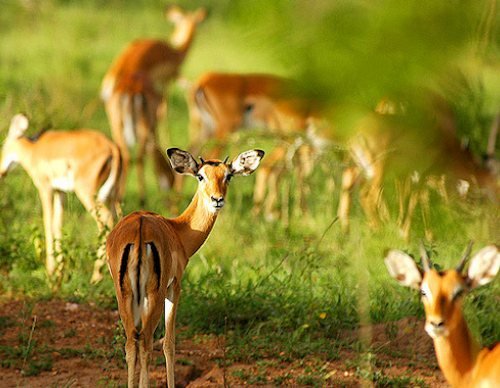
Lake Mburo National Park is the smallest national park in Uganda and regardless of its small size, the park is known for its rich wildlife, including zebras, elands, and impalas and over 350 bird species. Unlike other Uganda National Parks, Lake Mburo offers unique safari activities such as guided walking safaris, horseback safaris, and boat cruises on the lake, providing close-up views of hippos and crocodiles. The park’s proximity to Kampala (just a 4 hours’ drive) makes it an excellent stop for those seeking a short yet rewarding wildlife experience. The best time to visit is during the dry season, from June to August and December to February, when wildlife is more concentrated around water sources.

In conclusion – Uganda’s national parks and reserves offers a medley of experiences, from incredible wildlife encounters to immersive cultural interactions with tribes such as Batwa, who can be visited around Bwindi and Mgahinga. Whether you are seeking the adrenaline rush of tracking mountain gorillas or the serene beauty of unspoiled landscapes, Uganda’s protected areas provide the perfect backdrop for an unforgettable safari adventure.

Ready to Plan Your Trip to Uganda? – With our years of organising exploration journeys to every corner of Uganda, ensuring first-hand knowledge and expertise. Get in touch with one of our Africa Safari Experts to create a tailor-made Uganda itinerary that perfectly matches your travel dreams.

Whether you are interested in gorilla trekking adventures, breathtakingly landscapes or rich cultural experiences. We will craft a journey just for you.
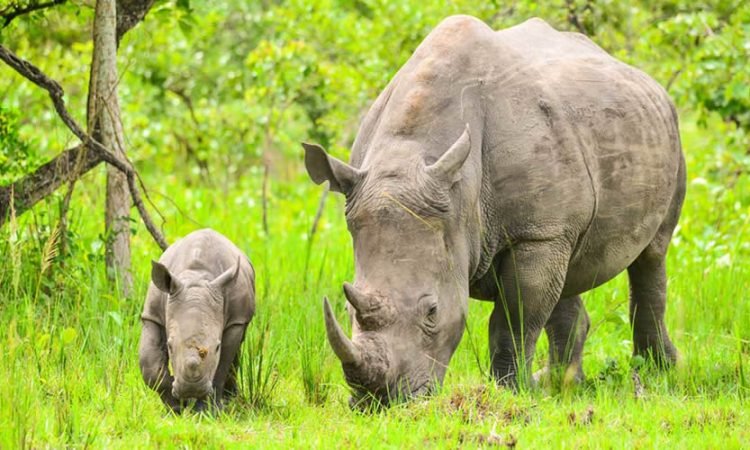
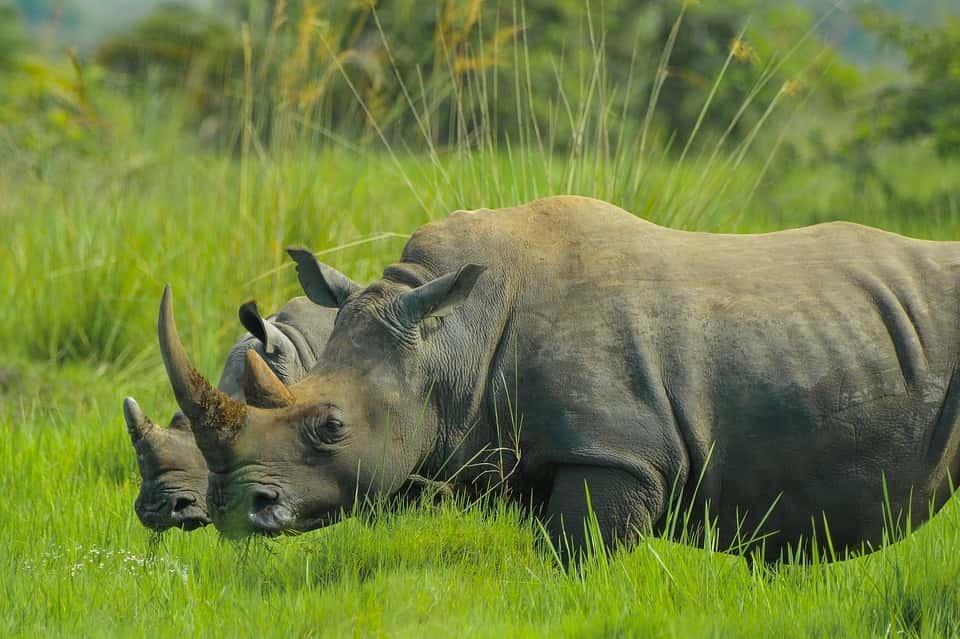
 

Ziwa Rhino Sanctuary

Ziwa Rhino Sanctuary

The Ziwa Rhino Sanctuary is the only place in Uganda where you can come face to face with rhinoceros – one of the most majestic and endangered creatures on earth. This private wildlife ranch located in northwestern Uganda was established in 2005 purposely to reintroduce the Southern White Rhinos in the wild. And it is one of the world’s most successful conservation stories.

Ziwa Rhino Sanctuary
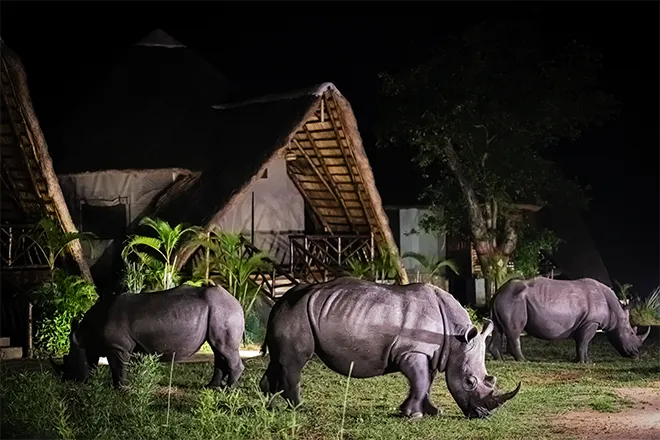
Rhinos at Ziwa Rhino Sanctuary

Ziwa Rhino Sanctuary is located in northeastern Uganda, Nakasongola District, just outside Murchison Falls National Park. The sanctuary is home to the white rhinos, one of the most endangered species in Africa. Ziwa Rhino and Wildlife Ranch is integral to globe efforts to protect these magnificent animals, offers visitors an amazing rhino trekking on foot, taking nature hikes and night walks, and tracking the elusive shoebill and other bird species.

Often a visit to Ziwa Rhino Sanctuary is incorporated in a Uganda Safari itinerary to Murchison Falls National Park, offering visitors the opportunity to see all of the Big Five. A game drive in Murchison Falls National Park offers up close sightings of the Big Four – lion, leopard, elephant and buffalo, then have a sight of the rhinoceros at Ziwa Rhino Sanctuary.

History of Ziwa Rhino Sanctuary and Rhinos in Uganda

In the early 1980s, wild rhinos in Uganda become extinct due to human encroachment, poaching and conflicts. However, 20 years later in 2025, six rhinos were introduced to Uganda at Ziwa Rhino Reserve, a 30 square kilometers non-profit – sanctuary set up with the long term goal of getting the rhino back into the Murchison Falls National Park.

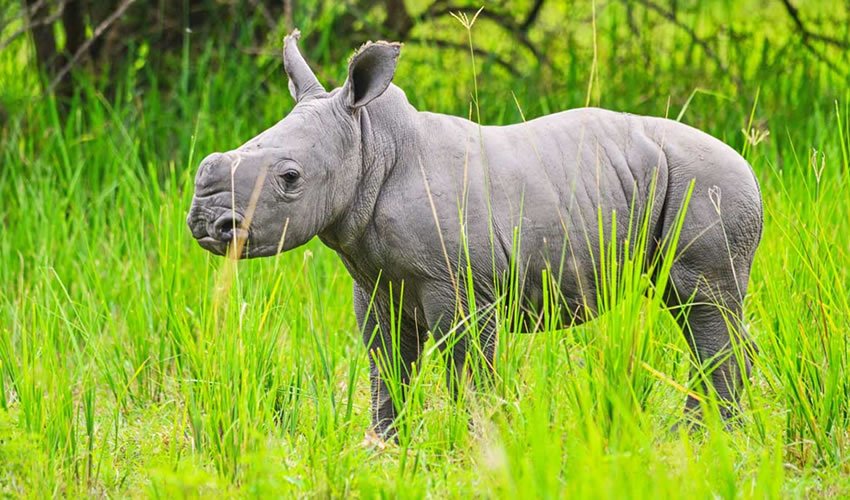
Now there are 22 southern white rhinos, including nine baby rhinos, the first in almost 30 years.

Rhinos have been an integral part of our planet for millions of years, evolving into two distinct species – black and white rhinos. In the African culture, they have always held these majestic creatures in high esteem and respect, symbolizing strength, spirituality, protection and a harmonious relationship with nature.

In 1983, Captain Roy and his family established a cattle farm where the current ranch sits. It introduced rare cattle and operated as a cattle farm for almost two decades. However, in 2002, the Roy family engaged in length discussions with Rhino Fund’s Excutive Director, Yvonne Verkakik, and decided to convert the farm into a safe haven for white rhinoceros. To achieve this, the 7000 herds of cattle where relocated to create a protected space for the white rhinos. At the time, rhinos had become extinct in Uganda due to poaching and preserving this magnificent species seemed logical.

In 2005, Ziwa Rhino Sanctuary was finally established with the goal of reintroducing southern white rhinos back to their natural habitat in Murchison Falls National Park environment. Initially, six southern white rhinos were introduced to the ranch, and today, the total has risen to 34 rhinos, with the sanctuary expecting the number to grow.

The mission of Ziwa Rhino Sanctuary is to reintroduce these majestic creatures back into the wild, where they can roam the plains in their nature habitat, just as they have done in the past. The project has been a collaborative effort between the Uganda Wildlife Authority, the custodians of the species and Ziwa Rhino and Wildlfie Ranch Limited. Together, they hope to see rhinos introduced into other national parks throughout Uganda, where they can roam the land with other wildlife species.

What to Expect at Ziwa Rhino Sanctuary

Ziwa Rhino Sanctuary offers you a chance to experience the majesty of rhinos up – close with a rhino track. On this excursion, an experienced ranger will lead you on foot to see them at safe distance (6-7 meters away).

In addition to rhinos,  Ziwa Rhino Sanctuary is home to 40 other mammal species including crocodiles, hippos, leopards, oribis, bushbucks, and approximately 300 species of birds, which can observed on a game drive, canoe trip or night walk.

Ziwa Rhino Sanctuary
Baby Rhino

Things to Do at Ziwa Rhino Sanctuary

Rhino Tracking

Ziwa Rhino Sanctuary is the only place in Uganda where you can rhinos in their natural habitat, you are free to roam across the savannah, acacia woodlands and cool muddy swamps. An experienced and knowledgeable ranger will guided you and educate you on their habits and behaviors in their natural habitat.

On this excursion, you will be in position of six to seven meters away, and there will be plenty of opportunities to take videos and photos.

Rhino tracking can be done at any time of the day, however the best time to go is between 8 am and 10 am and 4 pm and 6 pm.

Shoebill Stork and Canoe ride

Catch a glace of the pre-historic shoebill and its goof charm that comes from their Dutch Clog – esque foot-long bill. The shoebill is an unassuming predator known to feast on baby crocodiles, big fish like tilapia and Nile monitor lizards.

Head out on an early morning canoe ride in the adjacent swamp, to see this prehistoric looking bird and enjoy a magnificent sunrise over the Lugogo Swamps.

Ziwa Rhino Sanctuary is one of the few places in Uganda where you are almost guaranteed to see the endangered shoebill stork.

Bird watching

Ziwa Rhino Sanctuary is a perfect destination of birders, with four different trails to choose from. These trails take you across the savannah, woodland or swamps, each habitat to various bird species.

Ziwa has over 300 bird species and during the birding excursion, birds you will see include Abdim’s Stork, Abyssinian Ground Hornbill, African Black Crake, African Black-headed Oriole, African Blue Flycatcher, African Broad Bill, African Citril, African Crowned Eagle, African Darter, African Fish Eagle, African Golden-breasted Bunting, African Golden Oriole, African Goshawk, African Green Pigeon, African Grey, African Grey Hornbill, African Hawk Eagle, African Hoopoe, African Jacana, African Marsh Harrier, African Morning Dove and African Open-billed Stork among others.

The best time to go birding in Ziwa Rhino Sanctuary is in the early morning between 6 am and 8 am or the early evening between 4 pm and 6 pm.

Nocturnal Walks

Ziwa Rhino Sanctuary is home to a number of nocturnal animals and the best way to see them is on a guided night walk between 8 pm and 11 pm. During these nature walks you will be accompanied by a ranger, who will ensure your safety and are also knowledgeable about the sanctuary’s flora and fauna.

Nature walks in Ziwa Rhino Sanctuary often take between one and three hours and can be quiet physically demanding.

Ziwa Rhino Sanctuary

Best time to visit Ziwa Rhino Sanctuary

Ziwa Rhino Sanctuary can be visited all year round, however the best time is during the dry season which takes place from December to February, and then late June to October. This is the best time for general wildlife viewing, as animals will be drawn to watering holes, making them easier to find.

During the dry season, chance of rain are few to spoil your planned activities, and with most of the activities at Ziwa Rhino Sanctuary are done outside, thus an important consideration.

The wetter months from September to November and March to May are the best time for birding and the sanctuary is beautifully green.

Queen Elizabeth National Park Entrance Fees

Queen Elizabeth National Park Entrance Fees

Queen Elizabeth National Park is Uganda’s most popular and diverse safari destination boasting breathtaking landscapes, abundant wildlife and rich cultural heritage. The park boasts a beautiful combination of forests and grasslands and waterscapes.

Queen Elizabeth National Park Entrance Fees
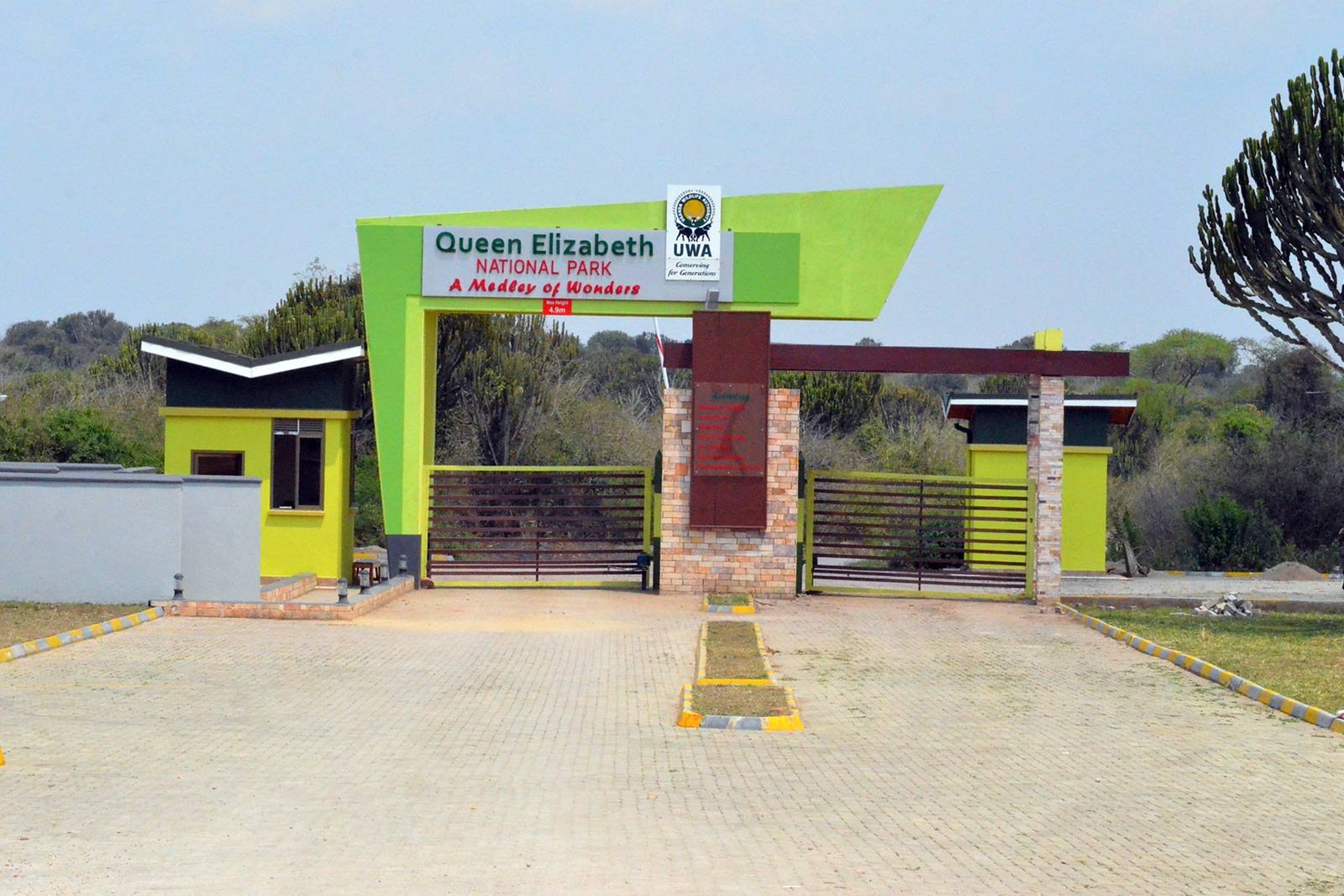
Queen Elizabeth National Park Main Entrance Gate

Queen Elizabeth National Park is the most bio-diverse park in Uganda, originally founded as Kazinga National Park in 1952 and later renamed in 1954 to commemorate a visit by Queen Elizabeth National Park. Today, the park stands as one of the Africa’s greatest wildlife haven, home to over 95 mammal species and over 600 bird species making it a paradise for nature enthusiasts.

Also called the conservation fees, Queen Elizabeth National Park Entrance fees are used to finance the conservation efforts as well as projects in the park. These entrance fees are paid at every entrance gates of Queen Elizabeth National Park that is Kabatoro Entrance Gate, Katunguru Entrance Gate and Ishasha Entrance Gate.

Here are the Queen Elizabeth National Park Entrance Fees including the different categories.

Category Adults Children
Foreign non-residents 40 USD 20 USD
Foreign residents 30 USD 10 USD
East African Citizens UGX 20,000 UGX 5,000


Ugandan Pupils or Students in groups – UGX 3,000

Tertiary, Institutions, and Universities – UGX 5,000

Uganda Wildlife Clubs – UGX 2,000

Notes

  • Before you pay for your Queen Elizabeth National Park Entrance Fees, you ought to have valid identification. This is to help the park authorities know whether you are a foreign non-resident, foreign resident, or East African citizen.
  • Also, you can decided to pay annual entrance fees, but only foreign residents and East African Citizens can pay for this. However, only foreign residents with a working permit of more than 1 year are allowed to pay the annual entrance fees.
  • Also, Queen Elizabeth National Park charges entrance fees for motor engines.

Annual Entrance fees for Queen Elizabeth National Park

Category Foreign Resident (USD) East African Citizen (UGX)
Individual 350 350,000
Couple 600 500,000
Family with a maximum of 4 children 800 600,000
Corporate Pass (10 Pax) 1,500 2,500,000
Safari Guide 200,000
Taxi Driver 150,000
Tour Company Free
Driver Free


Vehicle Fees

Category Foreign Resident (USD) East African Citizen (UGX)
Motorcycles 30 10
Saloon Cars 40 20,000
Minibuses, Omini-buses 50 30,000
Pick-ups and 4WD Vehicles 150 30,000
Buses and Lorries 200 200,000
Delivery vehicle per entry 20,000
Construction Equipment 350 500,000
Over landers 150 100,000
School Buses 50,000
Boats up to 15 seater 100 250,000
Launches over 15 seater 200 350,000
Launches (MFIFT) boats up to 15 seater 50 50,000
Launches over 15 seater 100 150,000


Landing Fees for Aircrafts

Category Foreign Resident (USD) East African Citizen (UGX)
Gliders, Microlights 10 20,000
Up to 3 Seater 20 40,000
4-6 Seaters 30 60,000
7-14 Seaters 40 80,000
15 – 20 Seaters 50 100,000
21 seaters and above 60 120,000
Helicopters 125  250,000
Parking Fees for each day 10,000


Queen Elizabeth National Park Entrance Fees
Wildlife Viewing in Queen Elizabeth National Park

Important Things to Note

  • Queen Elizabeth National Park Entrance Fees apply to every individual on a Uganda safari to the park.
  • These fees are charged every 24 hours, therefore staying for extra hours in Queen Elizabeth National Park beyond 24 is considered an extra day
  • Entrance fees for motor engines are charged different from the individual park entrance fees
  • Children are between 5 to 15 years. Those below 5 are exempted from paying the park entrance fees’
  • Queen Elizabeth National Park Entrance Fees are not applicable for safari activities in the park, for example boat cruises, game drives and birding
  • Vehicle and boat entrance fees are also charged every after 24 hours
  • Motorcycles, trailer, vehicles carrying inflammable goods, heavy trucks, and many others are not allowed inside the park unless they are making deliveries in the park or they have express approval from the executive director.
  • En-route pilots are not charged park entry fees if they stay for less than 2 hours.

The Importance of Park Entrance Fees

Entrance fees to Queen Elizabeth National Park are used to perform several functions as detailed below

  • Conservation – The Park entrances help in conservation projects in the Queen Elizabeth National Park to improve on the preservation strategies for wildlife in the park
  • Improve Visitor’s Experience – Entrance Fees add revenue to the projects that the management uses to build infrastructures, and make other improvements for a better tourism experience
  • Support local communities – The local communities around the borders of Queen Elizabeth National Park gain from the park entry fees, most of the locals in the park are perform as guides giving assistance to the tourists.
  • Allows you to Enter Queen Elizabeth National Park – By paying park entrance fees, you can enter Queen Elizabeth National Park to enjoy your safari activities including game drives, boat cruises and nature walks.
Rules and Regulations to follow while on a Queen Elizabeth National Park Safari

For the safety of tourists, wildlife and protecting the conservation, there are a set of rules and regulations put in place by the park authorities – The Uganda Wildlife Authority.

  • Ensure that the making of campfires is only on designated sites while in the park. This is to prevent the risk of setting the animals’ habitats on fire
  • Only drive in the right tracks of Queen Elizabeth National Park to avoid unnecessary destruction of the vegetation. This is also to keep you from unreasonably paying fines for paying park fees.
  • While driving through the park, do not sound the motor horns as they stress the wildlife in the park
  • Drive at a recommended speed which is less than 40km/hr
  • Firearms and ammunition are not allowed inside the park
  • The park management only allows driving in the park between 7:00 am to 7:00 pm.
  • It is advisable not to bring your pet inside the park
  • Do not litter in the park
  • Avoid picking flowers or destroying any vegetation in the park
  • Keep all your official receipts for inspection.

Queen Elizabeth National Park is Uganda’s most popular and diverse safari destination boasting breathtaking landscapes, abundant wildlife and rich cultural heritage. The park boasts a beautiful combination of forests and grasslands and waterscapes.

Queen Elizabeth National Park is the most bio-diverse park in Uganda, originally founded as Kazinga National Park in 1952 and later renamed in 1954 to commemorate a visit by Queen Elizabeth National Park. Today, the park stands as one of the Africa’s greatest wildlife haven, home to over 95 mammal species and over 600 bird species making it a paradise for nature enthusiasts.

Also called the conservation fees, Queen Elizabeth National Park Entrance fees are used to finance the conservation efforts as well as projects in the park. These entrance fees are paid at every entrance gates of Queen Elizabeth National Park that is Kabatoro Entrance Gate, Katunguru Entrance Gate and Ishasha Entrance Gate.

Here are the Queen Elizabeth National Park Entrance Fees including the different categories.

Category Adults Children
Foreign non-residents 40 USD 20 USD
Foreign residents 30 USD 10 USD
East African Citizens UGX 20,000 UGX 5,000


Ugandan Pupils or Students in groups – UGX 3,000

Tertiary, Institutions, and Universities – UGX 5,000

Uganda Wildlife Clubs – UGX 2,000

Notes

  • Before you pay for your  Entrance Fees for Queen Elizabeth National Park, you ought to have valid identification. This is to help the park authorities know whether you are a foreign non-resident, foreign resident, or East African citizen.
  • Also, you can decided to pay annual entrance fees, but only foreign residents and East African Citizens can pay for this. However, only foreign residents with a working permit of more than 1 year are allowed to pay the annual entrance fees.
  • Also, Queen Elizabeth National Park charges entrance fees for motor engines.
Annual Entrance fees for Queen Elizabeth National Park
Category Foreign Resident (USD) East African Citizen (UGX)
Individual 350 350,000
Couple 600 500,000
Family with a maximum of 4 children 800 600,000
Corporate Pass (10 Pax) 1,500 2,500,000
Safari Guide 200,000
Taxi Driver 150,000
Tour Company Free
Driver Free


Vehicle Fees

Category Foreign Resident (USD) East African Citizen (UGX)
Motorcycles 30 10
Saloon Cars 40 20,000
Minibuses, Omini-buses 50 30,000
Pick-ups and 4WD Vehicles 150 30,000
Buses and Lorries 200 200,000
Delivery vehicle per entry 20,000
Construction Equipment 350 500,000
Over landers 150 100,000
School Buses 50,000
Boats up to 15 seater 100 250,000
Launches over 15 seater 200 350,000
Launches (MFIFT) boats up to 15 seater 50 50,000
Launches over 15 seater 100 150,000


Landing Fees for Aircrafts

Category Foreign Resident (USD) East African Citizen (UGX)
Gliders, Microlights 10 20,000
Up to 3 Seater 20 40,000
4-6 Seaters 30 60,000
7-14 Seaters 40 80,000
15 – 20 Seaters 50 100,000
21 seaters and above 60 120,000
Helicopters 125  250,000
Parking Fees for each day 10,000


Important Things to Note
  • Queen Elizabeth National Park Entrance Fees apply to every individual on a Uganda safari to the park.
  • These fees are charged every 24 hours, therefore staying for extra hours in Queen Elizabeth National Park beyond 24 is considered an extra day
  • Entrance fees for motor engines are charged different from the individual park entrance fees
  • Children are between 5 to 15 years. Those below 5 are exempted from paying the park entrance fees’
  • Queen Elizabeth National Park Entrance Fees are not applicable for safari activities in the park, for example boat cruises, game drives and birding
  • Vehicle and boat entrance fees are also charged every after 24 hours
  • Motorcycles, trailer, vehicles carrying inflammable goods, heavy trucks, and many others are not allowed inside the park unless they are making deliveries in the park or they have express approval from the executive director.
  • En-route pilots are not charged park entry fees if they stay for less than 2 hours.
The Importance of Park Entrance Fees

Entrance fees to Queen Elizabeth National Park are used to perform several functions as detailed below

  • Conservation – The Park entrances help in conservation projects in the Queen Elizabeth National Park to improve on the preservation strategies for wildlife in the park
  • Improve Visitor’s Experience – Entrance Fees add revenue to the projects that the management uses to build infrastructures, and make other improvements for a better tourism experience
  • Support local communities – The local communities around the borders of Queen Elizabeth National Park gain from the park entry fees, most of the locals in the park are perform as guides giving assistance to the tourists.
  • Allows you to Enter Queen Elizabeth National Park – By paying park entrance fees, you can enter Queen Elizabeth National Park to enjoy your safari activities including game drives, boat cruises and nature walks.
Queen Elizabeth National Park Entrance Fees
Tree Climbing Lions in Ishasha Sector
Rules and Regulations to follow while on a Queen Elizabeth National Park Safari

For the safety of tourists, wildlife and protecting the conservation, there are a set of rules and regulations put in place by the park authorities – The Uganda Wildlife Authority.

  • Ensure that the making of campfires is only on designated sites while in the park. This is to prevent the risk of setting the animals’ habitats on fire
  • Only drive in the right tracks of Queen Elizabeth National Park to avoid unnecessary destruction of the vegetation. This is also to keep you from unreasonably paying fines for paying park fees.
  • While driving through the park, do not sound the motor horns as they stress the wildlife in the park
  • Drive at a recommended speed which is less than 40km/hr
  • Firearms and ammunition are not allowed inside the park
  • The park management only allows driving in the park between 7:00 am to 7:00 pm.
  • It is advisable not to bring your pet inside the park
  • Do not litter in the park
  • Avoid picking flowers or destroying any vegetation in the park
  • Keep all your official receipts for inspection.

Gorilla Habituation Experience

Gorilla Habituation Experience

Spend four hours with mountain gorillas on a gorilla habituation experience in Bwindi Impenetrable National Park.

Ever since Dian Fossey brought the plight of Africa’s mountain gorillas to the world as well as the interest in the gentle giants and their conservation has greatly increased. In the long term protection of mountain gorilla population, the key element has been gorilla trekking which allows visitors to go on a guided trek through the rainforest to spend an hour with a habituated gorilla troop in its natural habitat. However, for those who wish to spend more time with mountain gorillas, you can spend more time with these primates on a gorilla habituation experience.

Gorilla habituation experience is a truly special experience, enjoyed by relatively few (a group not more than 4 people together with scientists and researchers).

Gorilla Habituation Experience
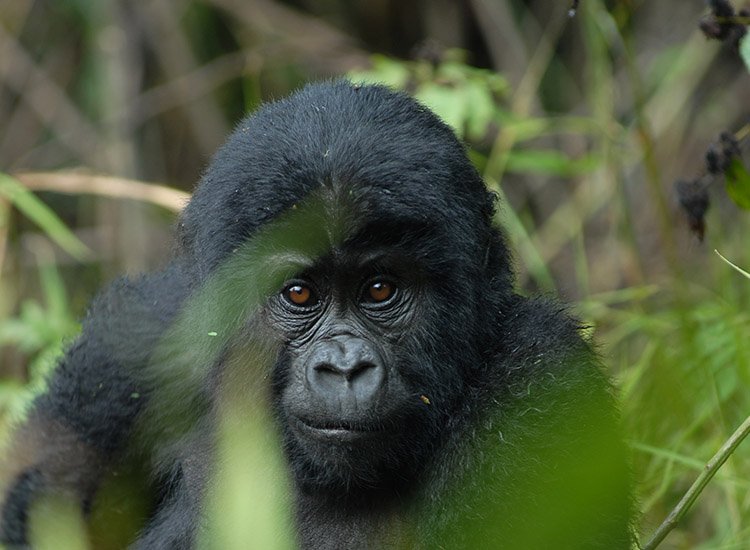
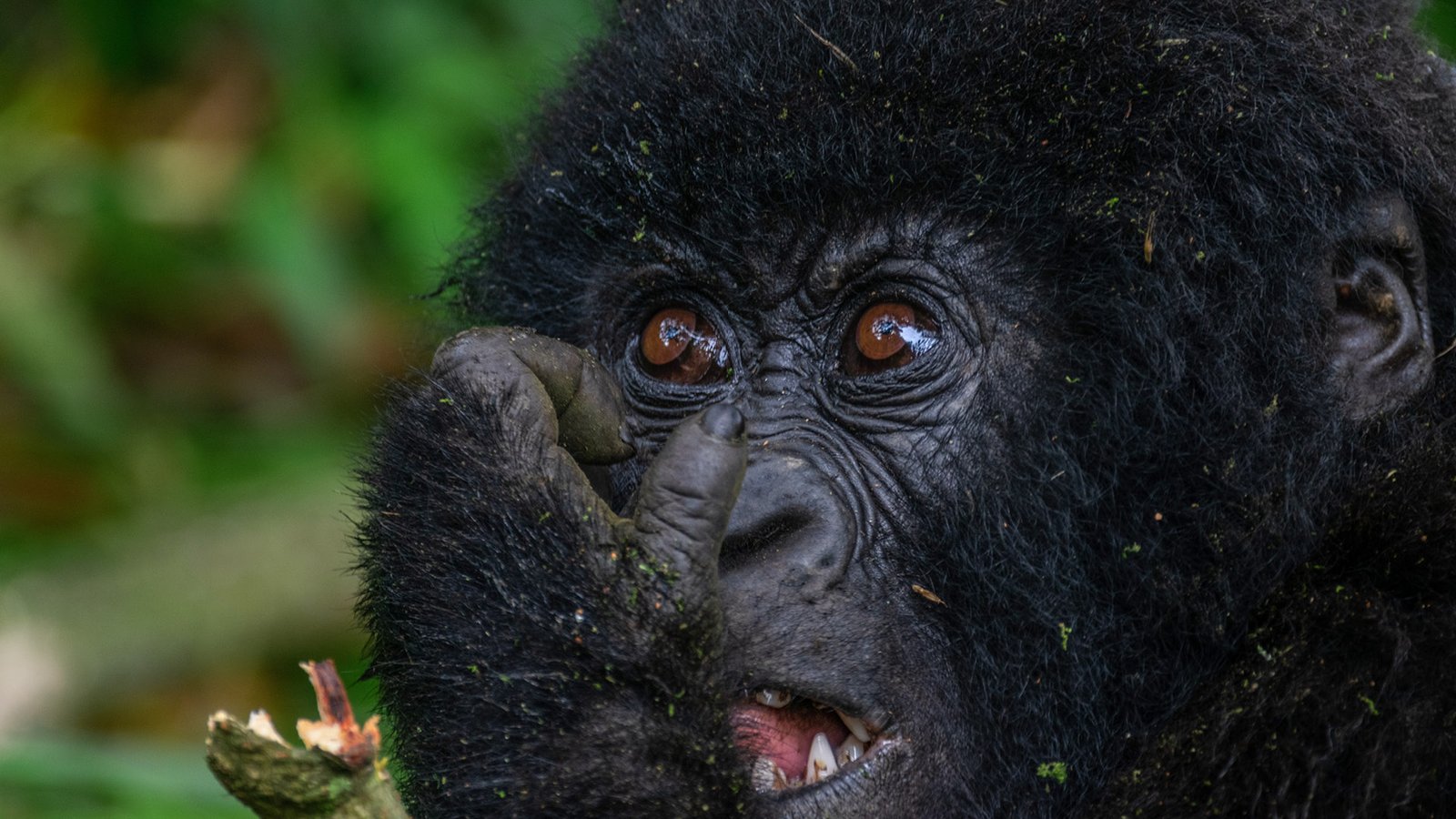
Baby Gorillas

What is Gorilla Habituation Experience and how does it work? In this blog we have compiled all the information you need to know about gorilla habituation experience. 

One of the key differences between a gorilla trek and gorilla habituation experience is that the later takes place with a gorilla troop that is not yet fully accustomed to human presence.

What is Gorilla Habituation?

Gorilla habituation refers to a process through which wild gorillas are gradually introduced to human presence, the process takes about 2-3 years and when it is done. That specific gorilla troop is ready to receive visitors.

Gorilla habituation experience is conducted by a team of specialists that includes conservationists, trackers, researchers and park ranges.

The overall aim for gorilla habituation is to eliminate the fear gorillas naturally feel for humans. By being around the gorillas every day and showing them that humans are not a threat, they learn to be calm and go about their life in the presence of humans. So by the end of the long habituation process, the mountain gorilla troop is still wild and lives in its natural habitats and goes about its normal daily activities. The only change is that the troop is now unfazed by the presence of a small group of humans.

What is Gorilla Habituation Experience?

A gorilla habituation experiences refers to an extended stay with a semi-habituated gorilla troop with a team of specialists as they engage in the habituation process. More specifically, a gorilla habituation experience is a four-four session in which visitors (only four) a day are allowed to tag along with the specialists as they go about the various actions involved in getting a gorilla troop habituated.

Gorilla habituation experience was introduced in 2016 and only four visitors per day are allowed to participate in this extensive gorilla experience.

What is done during a Gorilla Habituation Experience?

A gorilla habituation experience begins with an early morning briefing at the park headquarters, during which a ranger will explain what to expect and some do’s and don’ts when in the presence of the troop .

Then you will head out with the habituation team into the forest.

Note: You will head out much earlier than the gorilla trekking groups.

Led by a tracker or two you will hike into the forested mountains in search of a gorilla troop. You will see how they look for the trail and the nests used by the troop during the night. This is part of the gorilla habituation process, seeing how the trackers work to find a troop. Later in the day, the gorilla treks are able to head straight toward a troop because the trackers have already pinpointed troops’ various locations.

When you find the troop, the rangers will do things like make gorilla calls and grunts. Also, they will chop vegetation with their machetes and talk among themselves. This is done to get the gorillas used to these noises.

Also, the habituation team will also tell you about the troop being visited. This includes things like the names of each gorillas, and their habits and personalities.

Gorilla Habituation Experience
Gorilla Safari in Bwindi Forest
Shyer Gorillas

It is important to note that if the gorilla troop you track is early on in the habituation process, the individuals are going to be quite shy around humans. This means you may not get as close to them as you would on a regular gorilla trek. Some may even stay hidden.

So, it is important to understand that a gorilla habituation experience often introduces visitors to a troop that is shy or nervous around humans. In one sense you are getting a more authentic experience with the gorillas. But some could be disappointed if they are expecting a really close-up encounter.

However if your troop is far along the habituation process, then you may well have a very intimate session with them. We advise managing your expectations, and then if you do get a really friendly troop.

The Four Hours include tracking time.

The during the gorilla habituation experience, some of the four hours of the habituation experience involve tracking the gorillas. Specifically, the time spent tracking the gorillas from their night-time nests. So you won’t necessarily spend four hours in their presence.

How fit do I need to be?

A gorilla habituation experience usually involves a long hike which takes a few hours, so you need reasonable fitness to cope. Often it is also muddy and slippery, so you want to be reasonably sure-footed.

Many trekkers hire porters to carry their backpacks, and we encourage this. Not only does it provide much-need work, you really feel the advantage. The porters who are normally locals will carry your backpacks and also help you navigate the forest with a pull where necessary.

Is there an age limit?

Children under the age of 15 are not allowed to go on a gorilla habituation experience.

Where to Do Gorilla Habituation Experience

Gorilla habituation experience is only offered in Bwindi Impenetrable National Park in southwest Uganda. More specifically, the only part of the park offering a gorilla habituation experience is the Rushaga Sector in the south.

Where to stay on a Gorilla Habituation Experience in Bwindi Forest

Bwindi’s Rushaga Sector has a wide range of accommodation options, from luxury, midrange and budget. These include

  • Gorilla safari lodge
  • Ichumbi Gorilla Lodge
  • Chameleopn Hill Lodge
  • Rushaga Gorilla Camp
  • Mutanda Lake Resort among others.
Gorilla Habituation Experience
Getting to Bwindi by Road

How to get to Bwindi Impenetrable National Park

You can get to Bwindi Impenetrable National Park for a gorilla habituation experience either by road or air.

By Road – It is a journey of approximately 8-9 hours from Entebbe International Airport to the park, this journey seems to be long but it is very rewarding as you get to enjoy the beautiful scenery of hilly country side.

By Air – There domestic and charter flights from Entebbe International Airport to Kisoro Airstrip and continue to the park by road.

How much does Gorilla Habituation Experience Cost

A gorilla habituation permit costs US$ 1,500 per person.

You should book your gorilla permit in advance (at least six months in advance, especially if you want to go during the dry season which are the peak season in Uganda.

Hiring a porter is required costing US$ 20 per person, this doesn’t include a tip and tipping is customary in Uganda. Please consider tipping your rangers and trackers as a way of contributing to the well-being.

Tips are best given in Uganda Shillings.


Gorilla Trekking in Uganda

With two gorilla trekking destination as well as the largest population of mountain gorillas in the world, Uganda is a premier destination for encountering mountain gorillas.

Gorilla trekking in Uganda is a life-changing wildlife experience that allows visitors to come face to face with the endangered mountain gorillas in their natural habitat. On this sustainable wildlife experience you get a chance to stand just a few meters away from a magnificent silverback gorillas, its gentle gaze meeting yours amidst the lush greenery of an ancient forest. This scene looks taken out of the King Kong Movie but in Uganda’s Bwindi Forest and Mgahinga Gorilla National Parks, you live in in real life.

Gorilla trekking in Uganda is an extraordinary adventure that will leave you breathless, change your perspective towards wildlife and a profound love for wild primates.

Gorilla Trekking in Uganda
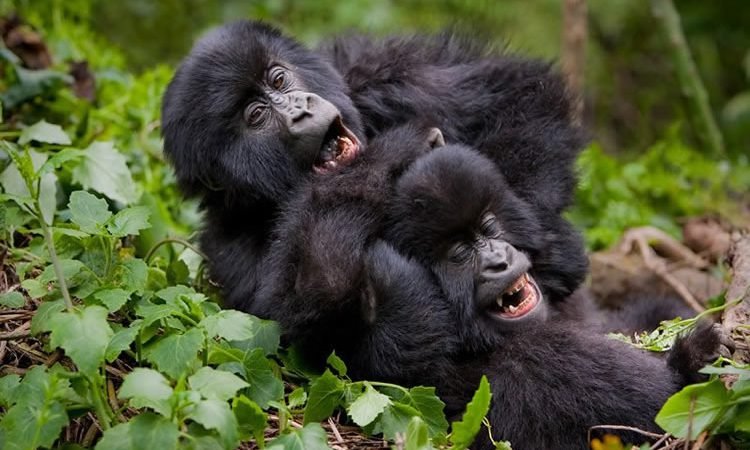
Baby Gorillas

Why Choose Uganda for Your Gorilla Trekking Safari

Uganda is ranked among the safest African countries for tourists, what sets this beautiful country from other African destinations is the unique and immersive gorilla trekking experience. It is not just about the gorillas themselves (though encounter these gentle giants in their natural habitat in undoubtedly a  life changing experience) it is also about the incredibly stunning landscapes, vibrant cultures, and different trekking options that make Uganda a number one choice for gorilla trekking experience.

Here is why Uganda Should be your Next Gorilla Trekking Destination

  1. More Than Half of the Gorilla Population

Uganda is home to over half of the world’s remaining mountain gorilla population, spread across two different national parks, Bwindi Impenetrable National Park and Mgahinga Gorilla National Park.

The huge number of mountain gorillas in Uganda means as a visitor on a gorilla trekking in Uganda adventure, you have a higher chance of encountering these incredible creatures than anywhere else in the world.

  1. Five Gorilla Trekking Centres/sectors

Bwindi Impenetrable National Park has four gorilla trekking sectors – Buhoma, Ruhaga, Nkuringo and Ruhija, and Mgahinga Gorilla National Park has only one that is Nyakagezi. With these five gorilla trekking centres you are assured of getting a gorilla permit in a sector that best suits your lodging preferences as well as fitness level.

Each gorilla trekking sector offers unique landscapes, ensuring no two gorilla hikes in Uganda are the same.

  1. Affordable for Every Budget

Compared to fellow gorilla trekking destination – Rwanda, gorilla trekking permits in Uganda are more budget-friendly – US$ 800 compared to Rwanda’s $ 1,500, making gorilla trekking in Uganda  accessible to a wide range travellers.

  1. Accommodation for every budget

Uganda offers a wide range of accommodation options near both Bwindi Impenetrable National Park and Mgahinga. From budget-friendly lodges to luxurious eco-lodges and private villas, you will find a perfect place to stay, rest and recharge after your gorilla trek.

  1. Cultural Immersion

Gorilla trekking in Uganda happens in a rural setting where you can immerse yourself in the fascinating cultures and traditions of Uganda’s remote communities. Learn about their traditions, customs, and the critical role they play in gorilla conservation.

  1. Rich Biodiversity Beyond Gorillas

Uganda protects a rich biodiversity beyond mountain gorillas, the country has more parks situated near gorilla sanctuaries offering incredible wildlife viewing safaris. On a gorilla trekking in Uganda safari, you can extend your adventure to Queen Elizabeth National Park, Kibale forest National Park, Lake Mburo National Park and Murchison Falls National Park among others to see Africa’s iconic animals like elephants, lions, leopards, buffaloes and a myriad of bird species.

Gorilla Trekking in Uganda
Misty Forests of Southern Uganda

Where to Go Gorilla Trekking in Uganda?

Uganda has two national parks (protected areas) where gorilla trekking is done.

Bwindi Impenetrable National Park

Bwindi Impenetrable National Park is the best place to see mountain gorilla in the world and is home to largest groups of habituated gorilla groups in the world, this impenetrable forest is a World Heritage Site hosts both montane and lowland forest providing a verdant habitat for about 120 species of mammals, 350 bird species, 220 butterfly species, plus many more reptiles and amphibians.

Gorilla trekking in Bwindi Impenetrable National Park is done in 4 gorilla trekking sectors that is Buhoma Sector, Ruhija Sector, Nkuringo and Rushaga Sector. Each of these sectors has a specific starting point as well habituated gorilla families. So when booking your gorilla trekking in Uganda adventure make sure the sector where your location is situated matches with the gorilla trekking sector you have booked as indicated on your gorilla permit.

Mgahinga Gorilla National Park

Mgahinga Gorilla National Park is the second gorilla trekking destination in Uganda sitting high in the clouds, at an altitude of between 2,227m and 4,127m. Mgahinga protects only one habituated gorilla family – Nyakagezi, this gorilla family used to move to the forests of Rwanda and DR.Congo, however it has recently settled in Uganda.

What to Expect During Your Gorilla Trek in Uganda

Your gorilla trekking in Uganda adventure begins with an early morning briefing at the park headquarters. Here, a senior guides will provide essential information about gorilla behaviour, safety guides, and what to expect during the trek.

The trek itself is an exhilarating journey through the dense rainforests of Bwindi Forest or Mgahinga following trails that wind through lush vegetation and across varying terrain. The duration of the trek can range from 30 minutes to several hours, depending on the location of the gorilla family you will be visiting.

Once you encounter the gorillas, prepare to be charmed. You will have one precious hours to observe these incredible creatures in their natural habitat. Watch the gorillas play, groom each other, and forage for food. Witness the silverback’s gentle leadership and the playful antics of the youngsters. This is an experience you will cherish for a lifetime.

Gorilla Trekking in Uganda
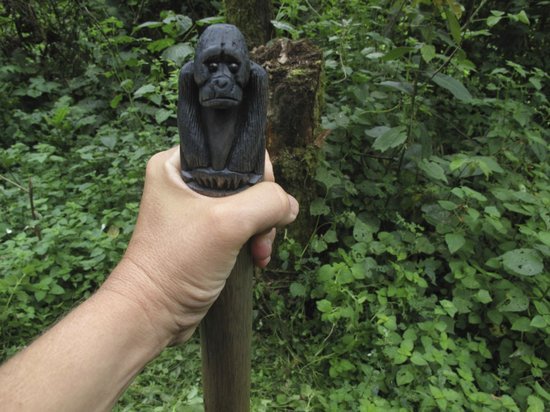
Gorilla Walking Stick
Tips for Gorilla Trekking

Fitness – While a moderate level of fitness is sufficient, be prepared for some uphill climbs and uneven terrain.

Weather – Uganda’s weather can be unpredictable most especially in the gorilla destinations which are dominated by tropical forests, here it can rain any time of the day, so pack for both rain and sunshine.

Photography – Use a camera with good zoom lens for great gorilla photography, and avoid using flash to avoid disturbing the gorillas.

Tipping – Tipping guides and porters is customary and appreciated in Uganda.

Frequently Asked Questions about Gorilla Trekking in Uganda
How much does gorilla trekking in Uganda cost

The cost of gorilla trekking in Uganda is influenced by several factors and the major one is a gorilla trekking permit costing USD 800 for foreign non-resident. Additional costs include transportation, accommodation and park fees.

How to get a gorilla trekking permit in Uganda

Gorilla trekking permits in Uganda are issued by Uganda Wildlife Authority (UWA) and one can obtain it through a reputable tour operator.

When is the best time for gorilla trekking in Uganda?

The dry seasons (December to February) and June to August are generally considered to best times, but gorilla trekking is possible year – round.

Is gorilla trekking safe?

Yes, gorilla trekking in Uganda is safe especially when done is a reputable tour operator and following the guidelines provided by park authorities.

Can I trek gorillas if I’m not physically fit?

Visitors going on gorilla trekking in Uganda a moderate fitness is recommended, porter are available to assist with carrying your belongings and providing support during the trek.


5 most magnificent Uganda National Parks

In every corner you turn in Uganda’s national parks, there is an adventure. Uganda is a haven for nature enthusiasts seeking an unparalleled wildlife experience. This beautiful country boasts an extraordinary abundance of bidodiversity, where lush rainforests, expansive savannahs and shimmering lakes converge to form a breathtaking tapestry of natural wonders.

5 most magnificent Uganda National Parks
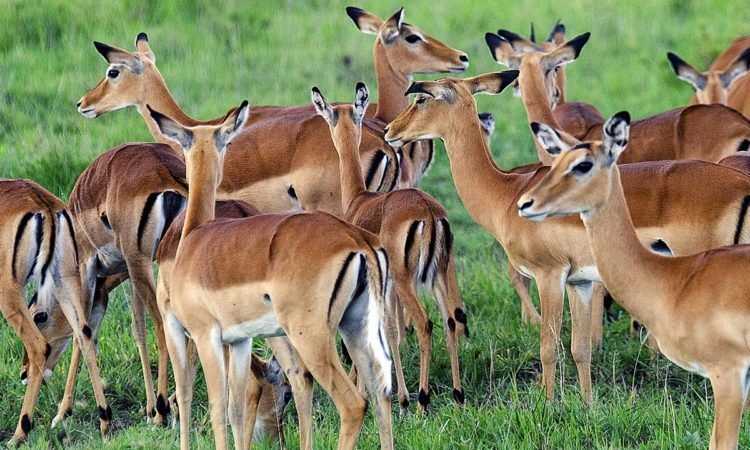
Uganda Kobs in Queen Elizabeth National Park

From the misty rainforest jungles of Bwindi Impenetrable National Park to the savannah plains of Kidepo Valley National Park, Uganda offers a privileged glimpse into the realm of some of the world’s most magnificent creatures. Of all the protected national parks Uganda in Uganda, in this article we list the 5 most magnificent Uganda National Parks.

  1. Bwindi Impenetrable National Park

Bwindi Impenetrable National Park is not only one of the 5 most magnificent Uganda National Parks but also the most incredible destination on the whole continent offering some of the world’s most thrilling safari experiences one should experience one in a life time – gorilla trekking.

Bwindi Impenetrable National Park is one of the few locations in the world where tourists can track and encounter mountain gorillas. Alongside expert guides, visitors can navigate the steep and abundant rainforest in the hopes of spending a precious hour in the company of a family of gorillas. As you watch the gorillas respectfully from a distance of 7 meters, you can see the forage, groom and go about their daily lives.

5 most magnificent Uganda National Parks
Gorilla Trekking in Bwindi Forest

While gorilla trekking entirely unforgettable, it is not the only way to explore the protected forest. Join a guided birdwatching or plant-spotting walk, and you will hear and see a host of fascinating species. Additionally, Batwa Cultural performers, whose ancestors lived among the trees, run organized events on the forest fringes to share the rich heritage.

Bwindi Impenetrable National Park is best for trekking with mountain gorillas and cultural encounters with the Batwa People.

  1. Rwenzori Mountains National Park

The Rwenzori Mountains National Park is the most spectacular national park in Uganda, the park has been a world heritage site since 1994 containing Africa’s third highest mountain, Margherita Peak on Mount Stanley (5,109m). Ecologically, geologically and culturally, Rwenzori Mountains National Park is hugely significant containing the highest and most permanent sources of the River Nile and a bounty of endemic plants, including giant heathers, groundsels, lobelias and medicinal herbs.

Mount Rwenzori Climbing

The park is challenging to explore, however for resilient hikers and climbers, the Rwenzoris’ stiking alpine scenery has masses of rugged appeal, with snowy glaciers, fast-flowing rivers, lakes and waterfalls. Birdlife in plenty, and with luck you can also spot forest elephants, L’Hoest monkeys, Rwenzori black – fronted duikers.

Often called the Mountains of the Moon, Rwenzori Mountains rise majestically in western Uganda along the Uganda – DR.Congo border. This 120 km-long and 65 km-wide mountain range is home to some of the most breathtaking and diverse landscapes in Africa, from equatorial snow-capped peaks to lush montane forests and moorlands.

 Rwenzori Mountains National Park is best for rare, high-altitude flora and fauna.

  1. Kidepo Valley National Park

Kidepo Valley National Park is the least known of Uganda national parks but is one of the most beautiful parks in the country, only compared to Masai Mara National Reserve in Kenya and Serengeti National Park in Tanzania. Kidepo Valley National Park and its picturesque savannahs are a stronghold of the rare and endangered Rothschild’s giraffes – a subspecies of the Northern giraffe.

The park is named after the seasonal Kidepo River, it is tucked away in Uganda’s remote northern reaches, over 10 hours of drive by road from Kampala – the capital of Uganda. A Uganda safari to Kidepo Valley National Park is very rewarding, you could spot cheetahs, ostriches, bat-eared foxes, and other aridity – adapted species found nowhere else in Uganda.

5 most magnificent Uganda National Parks
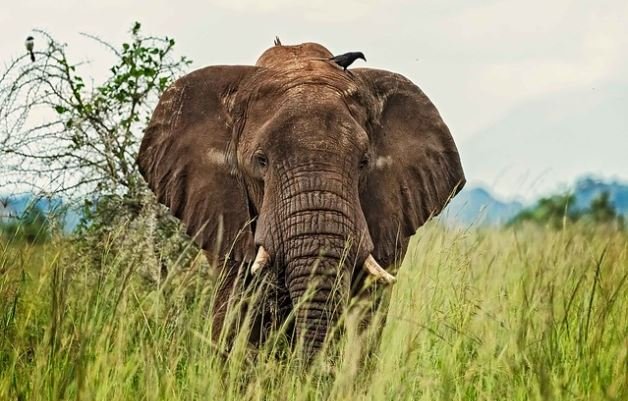
Elephants in Kidepo Valley National Park

Kidepo Valley National Park is a true gem with huge abundance in wildlife and it remains a true rendition of tourism in Uganda but it remains unknown to many. The park was gazette into a national park in the year 1962 and currently hosts over 75 species of mammals and 470 species of birds.

Kidepo Valley National Park is best for semi-arid savannah, giraffes and cheetahs.

  1. Murchison Falls National Park

Murchison Falls National Park – the largest park in Uganda is where the Nile River – a river of legends, surges through Uganda with youthful vigour. One of the most spectacular cascades likes at the heart of Murchison Falls National Park.

Here the water flowing between Lake Victoria and Lake Albert tumbles through a rocky gorge, just seven to ten metres wide, at around 300 cubic metres per second. For energizing views, visit the Top of the Falls Viewpoint or follow the gorge’s hiking trails.

5 most magnificent Uganda National Parks

Below the Murchison Falls – the most powerful falls in the world, the banks are richly vegetated, and the waters serene. Take a leisurely afternoon boat trip along the Victoria Nile from Paraa, and you will see hippos, elephants, crocodiles and dozens of birds among the Borassus palms and papyrus stalks.

Murchison Falls National Park is formerly known as the Kabalega National Park and was first gazetted as a protected area in 1927 and today is the largest park in Uganda covering an area of 3840 square kilometers. The park is located in Northern Uganda, northwest of the capital Kampala, and extends its boundaries to a number of districts within and beyond the Bunyoro Escarpment including Nwoya, Masindi, Kiryandongo and Buyisa. Murchison Falls National Park lies in the northernmost reaches of the Albertine Rift Valley with its terrain bisected by the Victoria Nile.

Murchison Falls National Park is best for witnessing the Victoria Nile, hippos and elephants.

  1. Mount Elgon National Park

The scenic Mount Elgon National Park is one of the 5 most magnificent Uganda National Park stretching on the foothills of Mount Elgon – Africa’s eight-highest massif, located on the Ugandan-Kenyan border, far quieter than other major East African mountain destinations such as Kilimanjaro, Mount Kenya and the Rwenzori.

Mount Elgon National Park can be explored on foot and is an excellent option for hikers and climbers seeking a peaceful, good-value adventure. There are three main trailheads that are accessible by road, and park entrance and guiding fees are very affordable.

5 most magnificent Uganda National Parks
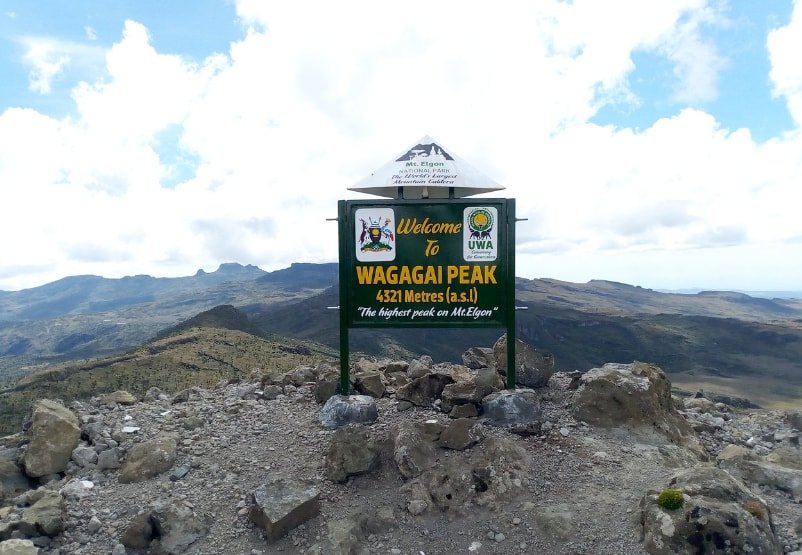
Wagagai Peak of Mount Elgon

Mount Elgon National Park is situated roughly 140 kilometers to the northeast of Lake Victoria, this park has two sides that is the Ugandan side covering 1110 square kilometers, while the Kenyan part covers 169 square kilometers. At 4,000 square kilometers, Mount Elgon is the largest and oldest solitary and volcanic mountain in East Africa. It stretches 80 km in diameter and rises above 3,000 beyond the surrounding plains.

Mount Elgon National Park is a perfect Uganda National Park to visit for budget-friendly mountain adventures.

Embark on a remarkable safari journey into Uganda’s national parks and get an opportunity to meet the majestic mountain gorillas to observe these fascinating creatures in their natural habitat, traverse the expansive savannahs of Murchison Falls National Park where the stunning waterfalls await, and experience the diverse culture.


Reasons to go on a Rwanda Safari


Rwanda is ranked among the most incredible safari destinations in Africa offering an enchanting safari journey through the land of a thousand hills.

Because of Rwanda’s small size, its attractions are within easy reach and since it is easy to access Volcanoes National Park from Kigali City – the capital (which is only a few hours’ drive away), it makes Rwanda a more appealing destination for gorilla trekking. Meet the park’s habituated gorilla families for an authentic and awe-inspiring gorilla trekking.

Rwanda Safari
Golden monkeys in Volcanoes National Park

Continue you Rwanda Safari to visit the playful and charming chimpanzee families in Nyungwe National Park and see other 12 primate species, adding a layer of thrills and adventure to your travels. Spice up your expedition with game viewing drives in Akagera National Park to witness the reintroduction of the Big Five.

In this blog, we detail the top reasons to go on a Rwanda Safari

Gorilla Trekking

Rwanda is the best destination for gorilla trekking offering a grand opportunity to see the endangered mountain gorillas up close in Volcanoes National Park. The conservation efforts to protect these endangered primates have created a unique opportunity for gorilla safaris.

“Sit silently in the misty forest and marvel as these gentle creatures play, eat, and interact with each other. Their soulful eyes will penetrate deep within you”

Volcanoes National Park is the best gorilla trekking destination in Africa, this beautiful park is part of the Virunga Volcanoes which are shared between Uganda, Rwanda and DR.Congo. Mountain gorillas are the primate attraction in Volcanoes National Park and can be trekked all year round.

Rwanda Safari
Mountain Gorillas in Rwanda

Mountain Gorillas in Volcanoes National Park – There are several gorilla families in the park, with some habituated for gorilla tourism and others for research, whereas others are not habituated. Volcanoes National Park has 10 habituated gorilla families open for gorilla trekking. These include

  1. Bwenge Gorilla Group
  2. Titus Gorilla Group
  3. Karisimbi/Susa B Gorilla Group
  4. Susa (A) Gorilla Group
  5. Umubano Gorilla Group
  6. Group 13/Agasha Gorilla Group
  7. Kwitonda Gorilla Group
  8. Sabyinyo Gorilla Group
  9. Hirwa Gorilla Group
  10. Amahoro Gorilla Group

To take part in gorilla trekking in Rwanda’s Volcanoes National Park you need to acquire a gorilla trekking permit costing US$ 1,500 per person per trek.

Rich Primate Diversity

Rwanda’s Nyungwe Forest National Park is a sanctuary and home to many primate species – 13 primate species, including the famous chimpanzees, elusive golden monkeys, Angolan colobus monkeys, L’Hoest’s monkey, Owl-faced monkey and Red-tailed monkey.

Rwanda is a captivating destination that is loved by travelers worldwide for its breathtaking landscape as well as remarkable wildlife. Observing primates in their natural habitat is one of the most enchanting experiences in Rwanda, from the world-famous and endangered mountain gorillas and golden monkeys.

Nyungwe Forest National Park – the primate capital of Rwanda is located in south western Rwanda, protecting one of the most world’s most beautiful and pristine rainforests. Chimpanzee trekking is the main primate activity to do in Nyungwe Forest National Park, the forest has a semi-habituated group of around 40 members which are tracked.

To take part in chimpanzee trekking in Nyungwe Forest National Park, you need a chimpanzee trekking permit costing US$ 250 per person per trek.

In addition to mountain gorillas in Volcanoes National Park and chimpanzees in Nyungwe Forest National Park, you can trek the endangered golden monkeys found in bamboo forests of Volcanoes National Park. You need a golden monkey trekking permit costing USD 100 per person per trek.

Birdwatcher’s Paradise

With over 703 bird species, Rwanda is a bird lover’s paradise hosting an impressive bird population including 29 Albertine Rift Endemics, spread across diverse habitats. Rwanda stands out as a primate location for African Montane bird watching, offering fantastic opportunities for bird watching.

Rwanda does not have any bird species that are entirely unique to the country. However, it is home to 29 Rift Valley Endemic birds found in the high-altitude rainforest area around Nyungwe Forest National Park and Gishwati – Mukura National Parks.

Rwanda Safari
Birds of Rwanda

Birds in Rwanda include Albertine boubou, Albertine owlet, Archer’s robin-chat, Black-faced apalis, Blue-headed sunbird, Congo bay owl, Dusky crimsonwing, Grauer’s swamp warbler, Grauer’s warbler, Handsome francolin, Kivu ground thrush, Kungwe apalis, Neumann’s warbler, Purple-breasted sunbird, Red-collared babbler, Red-faced woodland warbler, Red-throated alethe, Regal sunbird, Rockefeller’s sunbird, Ruwenzori apalis, Ruwenzori batis, Ruwenzori double-collared sunbird, Ruwenzori nightjar, Ruwenzori turaco, Schouteden’s swift, Strange weaver, Stripe-breasted tit, Willard’s sooty boubou and Yellow-eyed black flycatcher among others

With several bird habitats, the best birding destinations in Rwanda include Nyungwe Forest National Park, Volcanoes National Park, Akagera National Park and Gishwati – Mukura National Parks.

Best Time for Bird watching in Rwanda

Bird watching in Rwanda is a great al year-round, with a focus on the resident birds. However, the best time for bird watching in Rwanda’s most incredible birding destinations like Nyungwe Forest National Park is from January to June, when most birds are vocal. However, April can be challenging due to heavy rainfall.

Diverse Wildlife

Each of Rwanda’s four national parks protects distinct ecosystems, and Akagera National Park nestled in Rwanda’s eastern province is a captivating haven of biodiversity. Its rolling highlands, vast savannah plains, and swamp fringed lakes harbor remarkable wildlife species including Africa’s Big Five – lions, leopards, elephants, buffaloes and rhinos. Other animals in the park include zebras, giraffes, and antelopes, and over 500 bird species.

Rwanda Safari
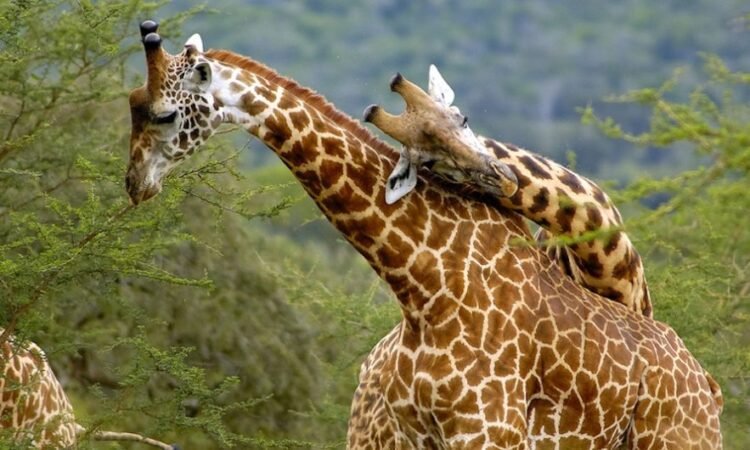
Giraffes in Akagera National Park

Visit Rwanda on an enchanting safari journey through the land of a thousand hills, visit and explore Volcanoes National Park with its mystical gorillas, while Nyungwe National Park hosts chimpanzees amidst ancient forests. Head to Akagera National Park, where zebras, giraffes and lions roam the savannahs. And take on the tranquil shores of Lake Kivu for kayaking and boat cruises.

Mgahinga Gorilla National Park

At a size of just 33.7 square kilometres, Mgahinga Gorilla National Park is the smallest national park in Uganda and the second home to the endangered mountain gorillas as well as the endangered golden monkeys that is why it is referred to as a place where Silver meets Gold.

Mgahinga Gorilla National Park

Mgahinga Gorilla National Park is located in the corner of south western Uganda in Kisoro District, 12.5km south of Kisoro Town council. The park forms the northeastern part of the Virunga Volcano ranges which extends into DR.Congo and Rwanda, and it comprises of three volcanoes that is Mount Muhavura, Gahinga and Sabinyo.

The summit of Mount Muhavura is the highest point of Mgahinga Gorilla National Park at 4,127m and has a smaller crater lake that tourists may wish to visit. The view from the summit is often obscured by the cloud, The Park is dominated by a range of vegetation types including montane, alpine and sun-alpine flora at the different levels up the volcano’s varying altitude. it is possible to climb to the peaks of Mount Gahinga, Sabinyo and Muhavura, although you need to be abit fit to summit.

Traditionally, Mahinga was used as an over-flow gorilla tracking destination in Bwindi, but that has changed for two reason. The first is that the increase in the cost of the Rwandan gorilla permits to $1,500 per person has prompted visitors to explore Rwanda and then cross the border to Mgahinga where the treks cost $800per person.

The second reason is that Mgahinga is such as a wonderful place to visit. Situated closelu to Lake Mutanda and Lake Bunyoni.

In addition to gorilla treks and golden monkey trekking (both the standard and the longer habituation experience) – Mahinga is an excellent general trekking destination.

Flora and Fauna in Mgahinga Gorilla National Park

Mgahinga Gorilla National Park is relatively small and much of the original Afro-montane forest has been lost to tree felling and cultivation, but the biodiversity remains high. The park hosts 76 recorded mammal species including the endangered mountain gorillas and the golden monkeys.

Mgahinga’s habituation gorilla family – Nyakagezi is known for moving between Uganda and Rwanda. The golden monkeys are a distinctive species found only in the Virungas which a population between 3,000 and 4,000, with about 60 being habituated to human contact in Mgahinga Gorilla National Park.

The park’s avifauna is less diverse, with a current species list of 115 birds including several localised forest species and 12 Albertine Rift endemics. Birds in Mgahinga Gorilla National Park include the Ibis, Pin-tailed Whydah, Speckled Mousebird, Stone Chat, Grey-capped Warbler, Wax Bills, Yellow-vented Bulbul, Firefinch, White-naped Raven, Black Kite, Rwenzori Turaco, Blue-headed Coucal, Paradise Fly-catcher, Rwenzori Batis, Double-collared Sunbird, Rwenzori Nightjar among others.

Uganda Safari Activities to do in Mgahinga Gorilla National Park

Gorilla Trekking

Gorilla trekking is the highlight activity of a Mgahinga Safari, the park hosts one habituated gorilla family – Nyakagezi. Gorilla trekking in Mgahinga departs in the morning at about 9 am and the length of the trek before you make contact with the gorilla depends on the location of the gorilla family. You are allowed spend one hour in the presence of the gorillas observing them play, feed and groom, all while keeping a distance of 7 meters.

When an hour elapses, you return to the park headquarters to pick your gorilla trekking certificates and return to your lodge where you will spend the rest of the day reminiscing about the day’s encounter.

Mgahinga Gorilla National Park
Silverback in Mgahinga

Mgahinga Gorilla National Park’s only habituated gorilla family – Nyakagezi group has five silverbacks, two adult females and three young gorillas. between 2004 and 2012, after being attacked by a lone silverback, the family spent most of the time on the Rwanda side of the border. However, since 2012, they have been a regular presence on the Ugandan side. In the event they move again after purchasing your gorilla permit, the Uganda Wildlife Authority has committed to moving the treks to Bwindi or refunding the money.

Just like in Bwindi Impenetrable National Park, gorilla trekking in Mgahinga can be tough and challenging. You need to be physically and mentally prepared and adequately dressed.

Golden Monkey Trekking

Mgahinga Gorilla National Park is ranked as the best place to see the rare golden monkeys in Africa, the golden monkeys are large, inquisitive and mischievous old world monkeys living in the bamboo zone of the Virunga Volcanoes. They are a bright orange – gold body, cheeks and tail, with black limbs, crown and tail-end.

Mgahinga Gorilla National Park
Golden monkeys in Mgahinga

On a gorilla trekking experience in Mgahinga, you trek a habituated gorilla group which is used to humans and while in their presence, you will watch them continue their foraging and playful interactions without pause.

The golden monkeys are found above 2,500 meters, and the trek can be challenging, but not as tough as gorilla trekking. Mgahinga Gorilla National Park offers standard golden monkey trekking as well as golden monkey habituation experience.

Guided Volcano Treks

Mgahinga Gorilla National Park is dotted with beautiful Virunga Volcanoes offering thrilling volcano climbing experiences. The treks depart daily at 7:30 and all last from 7 to 9 hours depending on the fitness and interest of the trekkers.

The shortest route is the 1,100 metre climb from the park gate to Gahinga’s peak. The route to Sabyiyo’s peak involves a 1,300-metre climb on an 8-hour round route. Climbers should note that the final approach to the summit uses a ladder climb up the three consecutive rock faces.

The greatest climb is to the 4,127m summit of Muhabura Peak. Hikers should lookout for symptoms of high altitude sickness following an ascent of 1,793m from the trailhead. No rock faces are involved, but the trek doesn’t take grit and determination as you trudge across Afro-montane moorland.

Getting to Mgahinga Gorilla National Park

Mgahinga Gorilla National Park is approximately 14km on rough roads from the town of Kisoro, the main entry point to Southern Uganda. The park is also accessed from Kampala – the capital city of Uganda by road and air.

By road the park can be reached on a journey of 8-9 hours and by air, there are domestic/charter flights from Entebbe International Airport to Kisoro Airstrip and connect to the park by road.

When to visit Mgahinga Gorilla National Park

Due Mgahinga Gorilla National Park as well as Uganda’s location near the equator and the increasingly variable climate, you should always expect rain when visiting Uganda with the heaviest rainfall normally occurring from mid-March to the end of May and then again at the end of September through to November.

While the rains in March to May are often short, those in September to November are more often characterised by hours of soft drizzle.

Mountain gorillas in Mgahinga Gorilla National Park can be tracked at any time of year, but it does become harder when the trails are muddy and water is running down soaking you through. So the most popular times to track mountain gorillas is the drier months of June to mid-September and December, January and February.

Lodges in Mgahinga Gorilla National Park
Where to stay in Mgahinga Gorilla National Park

There is a range of accommodation options in Mgahinga Gorilla National Park ranging from budget, midrange to luxury, these include

  • Mgahinga Gorilla Lodge
  • Lake Mutanda Lodge
  • Chameleon Hill Lodge
  • Lake Mulehe Gorilla Lodge

Bwindi Impenetrable National Park

Bwindi Impenetrable National Park

Bwindi Impenetrable National Park
The Impenetrable Bwindi Forest

Situated in Southwestern Uganda, Bwindi Impenetrable National Park is the most famous safari destination in Uganda, a UNESCO World Heritage Site and home to the endangered mountain gorillas. The park’s name “Bwindi” means “a place full of darkness” referring its dense foliage. The park comprises of a rugged landscape with varying altitude from 1,160 to 2,607 meters above sea level, its location within the Albertine Rift, a region renowned for its exceptional biodiversity, contributes to its richness of life.

A Uganda safari to Bwindi Impenetrable National Park offers a unique opportunity to experience the majestic gorillas in Africa up close, the park stands out among the top places to visit in Uganda as an incredible destination for wildlife enthusiasts.

Covering 32,092 hectares, Bwindi is one of the oldest surviving habitats weathering even the last Ice Age when most of the other forests vanished. The part is dominated by lush rainforest stretching across a steep ridges and valleys, seamlessly merging Afromontane lowland forest into East Africa’s montane forest belt.

Bwindi Impenetrable National Park is a haven of nature’s abundance, boasting an incredible collection of wildlife species. Over 120 mammal species call this park home, including endangered mountain gorillas, elusive forest elephants, and playful chimpanzees. For birders, Bwindi Impenetrable National Park hosts over 350 bird species and the park’s flora is equally impressive, with over 1,000 flowering plant species, including 163 tree species and 104 fern species.

Bwindi Impenetrable National Park
Mountain Gorillas in Bwindi Forest

Mountain Gorillas

Bwindi Impenetrable National Park is home to approximately 459 mountain gorillas, representing nearly half of the world’s total population of these critically endangered great ape species.

With four gorilla trekking sectors – Ruhija, Rushaga, Nkuringo and Buhoma, Bwindi has 20 successfully habituated gorilla groups open for gorilla trekking. Each of these sectors offers a unique and exciting glimpse into the lives of these gentle apes in their natural habitat.

Undoubtedly, Bwindi Impenetrable National Park is the best place to see mountain gorillas in Africa.

Wildlife in Bwindi Impenetrable National Park

Beyond mountain gorillas, Bwindi hosts other fascinating mammals including forest elephants roaming the dense undergrowth, chimpanzees thriving in the canopy and other several primate species including black and white colobus monkeys and blue monkeys.

In total, Bwindi Impenetrable National Park hosts around 120 mammal species.

Birdlife in Bwindi Impenetrable National Park

Bwindi is a haven for bird watchers, with approximately 350 bird species recorded within the park’s boundaries. Most of these birds are endemic or rare, such as the African green broadbill and Grauer’s swamp warbler among others.

Birds in Bwindi include Little grebe, Pink backed pelican, Black headed heron, Cattle egret, Purple heron, Hammer Kop, Marabou stork, Sacred Ibis, Hadada Ibis, Hottentot Teal, Northern pin tail, black kite, African fish eagle, Palm nut vulture, Brown snake eagle, African goshawk among others.

Safari Activities to do in Bwindi Impenetrable National Park

Gorilla Trekking

Bwindi Impenetrable National Park is the best place to see the endangered mountain gorillas, the park hosts half of the world’s remaining mountain gorillas and 20 habituated gorilla groups open for gorilla trekking and visitors can visit one of these groups.

To take part in gorilla trekking in Uganda’s Bwindi Impenetrable National Park you must purchase a gorilla permit prior to your gorilla trek. Only 8 people aged 15 years and above are permitted to visit each gorilla family in Bwindi.

Bwindi Impenetrable National Park
Guest in presence of mountain gorilla

Gorilla trekking experiences starts early in the morning with briefing at the park headquarters where a senior ranger guide from Uganda Wildlife Authority takes you through rules and regulations. Then head into the forest in search for the gorillas, the trek takes approximately 2 to 6 hours depending on the movement of the gorillas and where they spent their previous night. In the duration of one hour you will spend with the gorillas, you will watch them go on with their life the forest, as they feed, play and groom each other.

A gorilla permit in Uganda costs USD 800 per person. 

Gorilla Habituation Experience

For visitors interested in spending more with the mountain gorillas, join the gorilla habituation experience only offered in Bwindi Forest in the whole world. This experience allows visitors to spend more hours (four hours) observing these primates instead of the standard gorilla trekking.

Gorilla habituation experience offers visitors a chance to join researchers and scientists in the process of habituating mountain gorillas to human presence, along the experience scientists share information about the gorilla habituation process and current issues relation to gorilla conservation, get to identify the gorillas individually by their names and characteristics.

Gorilla habituation experience in Bwindi Impenetrable National Park costs $ 1,500 per person. Only four people take part in this experience and a semi-habituated gorilla family is trekked.

Bird watching

Bwindi Impenetrable National Park is a prime birding destinations in Uganda and was named as Africa’s number one birding spot by Africa Bird Club.

Bwindi hosts over 350 bird species including 23 Albertine Rift endemics and 14 of which are not recorded anywhere else in Uganda. Some of the birds you will witness in Bwindi Forest include the African green pigeon, blue-headed sunbird, African harrier hawk, Grauer’s broadbill, and the regal sunbird dancing amidst the foliage. The air resonates with the calls of the handsome francolin, the cinnamon-chested bee-eater, and the majestic crown hornbill among others.

Hiking

Bwindi Impenetrable National Park hosts a great biodiversity and visitors can experience it on hiking and nature walks. There are several trails running through the park allowing visitors to marvel at the forest and its creatures like birds, butterflies and primates.

One of the incredible trails used on hiking and nature walks in Bwindi Impenetrable National Park starts from Buhoma to Nkuringo, from Nkuringo to Lake Mutanda and then from Nkuringo to Kisoro. These trails go through amazing scenery and provide opportunities to interact with the locals.

Batwa Cultural Experience

A Bwindi safari is not complete without a visit to the Batwa people, these forest people are believed to be the oldest indigenous tribe in Uganda. For over 5000 years they stayed in the forest harmoniously with mountains until they were evicted when the forests were designated as protected areas to protect the endangered mountain gorillas.

Visiting the Batwa people offers a unique opportunity to be with a true indigenous African tribe and learn about their ancient culture and way of life. While with the Batwa, visitors are entertained by local dances and drama, witness their skillful hunting, visit the medicine man among others.

Best Time to Visit Bwindi

Bwindi Impenetrable National Park is a year-round destination, however the best time to visit is during the dry seasons from June to August and December to February. This period is often considered the best time as the park experiences relatively less rainfall, resulting in drier trails and easy accessibility to the gorilla trekking areas.

Bwindi Impenetrable National Park
Gorilla Forest Camp
Where to stay in Bwindi Impenetrable National Park

Bwindi Impenetrable National Park offers a range of accommodation options ranging from budget, midrange to luxury. These include

  • Nkuringo Bwindi Gorilla Lodge
  • Sanctuary Gorilla Forest Camp
  • Volcanoes Bwindi Lodge
  • Mahogany Springs Lodge
  • Mutanda Lake Resort
  • Buhoma Lodge
  • Engagi Lodge
  • Chameleon Hill Lodge
  • Rushage Gorilla Havens Lodge
  • Ruhija Gorilla Friends Resort
  • Bakiga Lodge
  • Gorilla Valley Lodge
Getting to Bwindi Impenetrable National Park

Bwindi Impenetrable National Park is a very accessible park from Kampala, the capital city of Uganda and one can get there by air or road.

By Air – This is easiest way to get to Bwindi Impenetrable National Park, there are domestic and charter flights from Entebbe International Airport to either Kihihi or Kisoro Airstrip, the closest airstrips to the park. The flight usually lasts around 1 hours and 10 minutes and they are operated by Aerolink and Bar Aviation among others.

By Road – Traveling by road is the most common way to get to Bwindi Impenetrable National Park. The journey from Kampala, the capital city of Uganda takes 9 to 10 hours, covering approximately 550 kilometers. Also you can access Bwindi from Kigali, Rwanda which is about 3 to 4 hours.

From Kampala, there routes are used to get to Bwindi Impenetrable National Park including Kampala to Kabale to Buhoma, Kampala to Ntugamo to Rukunguri to Kihihi and Kampala to Kabale to Nkuringo.

Accommodation in Akagera National Park

Accommodation in Akagera National Park

Accommodation in Akagera National Park

Akagera National Park is the only Big Five destination in Rwanda located along the Tanzania border in the Northeast of Rwanda, this incredible game destination spans 1,122 square kilometers and is characterized by its diverse landscapes, including savannah, montane forests, and extensive wetlands.

Akagera National Park is the only savannah national park in Rwanda, home to a variety of wildlife including Africa’s most sought after wildlife – The Big Five – lions, leopards, cape buffaloes, elephants and rhinos. Other animals found in Akagera include giraffes, zebras, various antelopes as well as several primate species like olive baboons and vervet monkeys.

In this blog we explore accommodation in Akagera National Park giving you an insight on what to expect on Akagera Safari.

Akagera Game Lodge (Mantis Akagera Eco Lodge)

Akagera Game Lodge by Mantis is the only luxury lodge in Akagera National Park punched on a hill at the southern tip of the Akagera elevated above the savannah with exceptional views of Lake Ihema.

The lodge is approximately 5km from the southern entrance of Akagera National Park and 20 minutes’ drive to Lake Ihema where the boat safari takes place.

With 60 rooms and suites, Akagera Game Lodge accommodates large groups in its 27 standard rooms, 29 Balcony rooms, 1 balcony suite, 2 family suites and one presidential suite. Other facilities at Akagera Game Lodge by Mantis include large pool and pool deck overlooking Lake Ihema, a conference centre, restaurant, and bar.

Akagera Game Lodge is a perfect home base for conference or exploring the conservation treasures of Akagera Game Lodge.

Magashi Luxury Camp

Ruzizi Tented Lodge

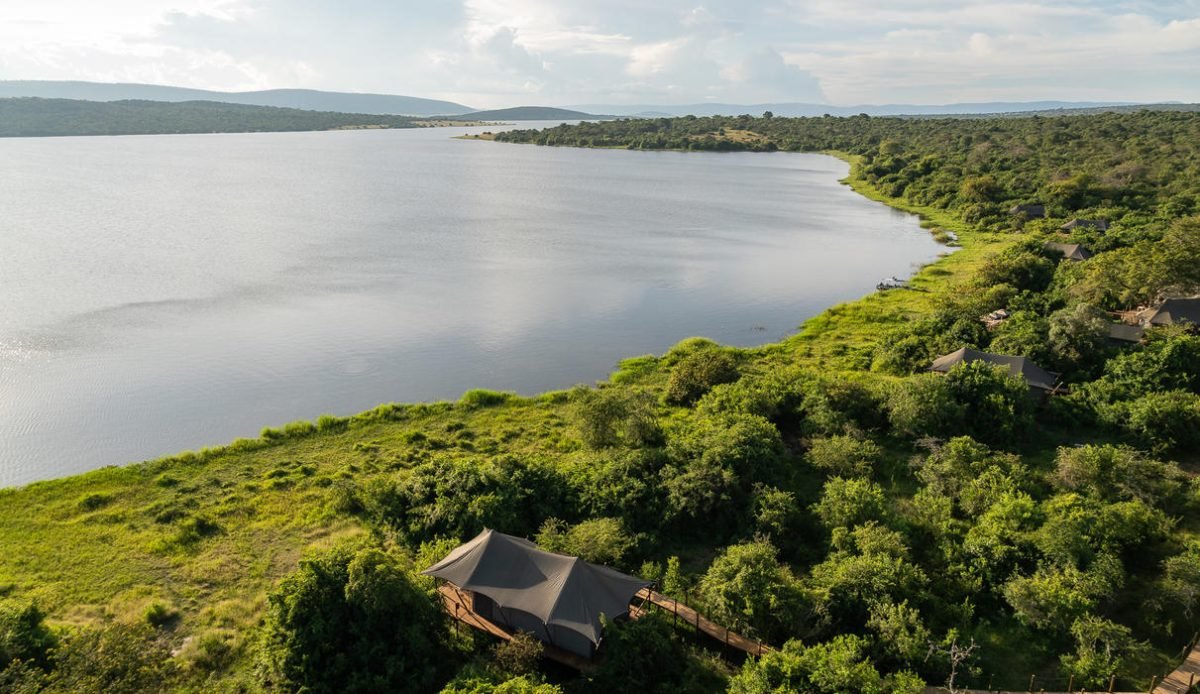
Set on the shores of Akagera National Park’s largest lake, Lake Ihema, Ruzizi Tented Lodge boasts spectacular views over the lake and a private comfortable retreat hosting only 20 guests per night.

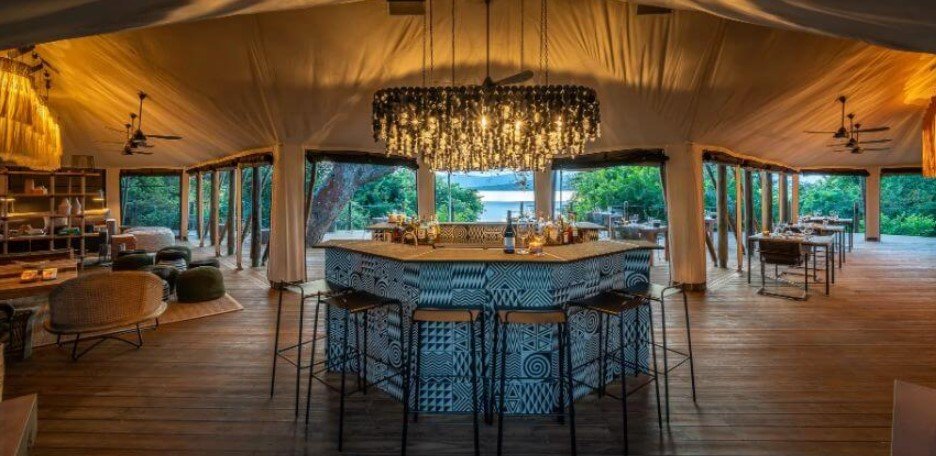
Ruzizi Tented Lodge is an eco-lodge with nine tents set back from the serene shores and hidden among swaying palms and fig trees. They flank a thatched reception and dining area, wooden walkways leading to a stunning deck raised over the lake. A central fire pit is the perfect spot for a morning coffee or an evening drink under the stars.

All tents at Akagera Game Lodge are en-suite and enjoy shaded verandas set with campaign chairs and a tree – trunk table.

This environmentally conscious lodge was designed to blend in with its surroundings to allow guests to connect with nature and is powered by solar energy. Some natural elements have been incorporated into the structure, and much of the décor and furniture were hand-crafted by local artisans and cooperatives. Designed, built and wholly operated by the park. Profits from Ruzizi Tented Lodge support the conservation initiatives of Akagera National Park

Magashi Luxury Camp

Located in the diverse north-eastern corner of Akagera National Park, overlooking the beautiful Lake Rwanyakazinga. Magashi Luxury Camp is a high –end accommodation establishment in Akagera National Park with 8 spacious tented suites perched in an intimate wilderness area surrounded by one of the most serene landscapes.

Magashi Luxury Camp
Tented Camp at Magashi Luxury Camp

Karenge Bush Camp

Named from the area where the camp was first establish, the name “Karenge” is a Kinyarwanda word meaning “small footprint”. The name expresses the camp’s simple charm and commitment to leaving a light ecological footprint and allowing guests to be immersed in nature.

Karenge Bush Camp’s main area comprises a dining tent with a lounge and outdoor firepit surrounded by chairs, all providing a view of the vast Kilala plains.

The camp features 6 canvas tents comfortably accommodating a maximum of 16 guests for an intimate wilderness experience. The seven charming canvas tents can be configured as twin or double tents and include a luxurious ensuite bathroom with flushing toilets, hot and cold water with stunning views of the Kilala Plains and Muhororo Hills. Also, each tent enjoys its own private outdoor shower.

Karenge Bush Camp is open year-round.

Karenge Bush Camp

Camping in Akagera National Park

Camping is available in Akagera National Park done at only designated camping sites, camping costs USD $25 per person and is available at Muyumbu, Mutumba, Shakani and Mihindi.

  • Muyumbu Campsite is situated on a ridge overlooking the lakes with Tanzania in the distance
  • Mutumba Campsite is further north and located in a game rich area of rolling hills
  • Shakani Campsite boasts a lakeshore camping experience along with grunting hippos and magnificent birdlife

These campsites offer basic facilities for overnight stay in the park. Tents are available for hire and firewood is provided on site but visitors should bring their own camping equipment and supplies.

Please Note: It is possible to stay outside Akagera National Park. Also note that park entry fees expire each time a visitor exits the park, regardless of having not exceeded the 24 hours.

Take note that fees for the first day are higher but keep reducing for the rest of the days stayed inside the park.